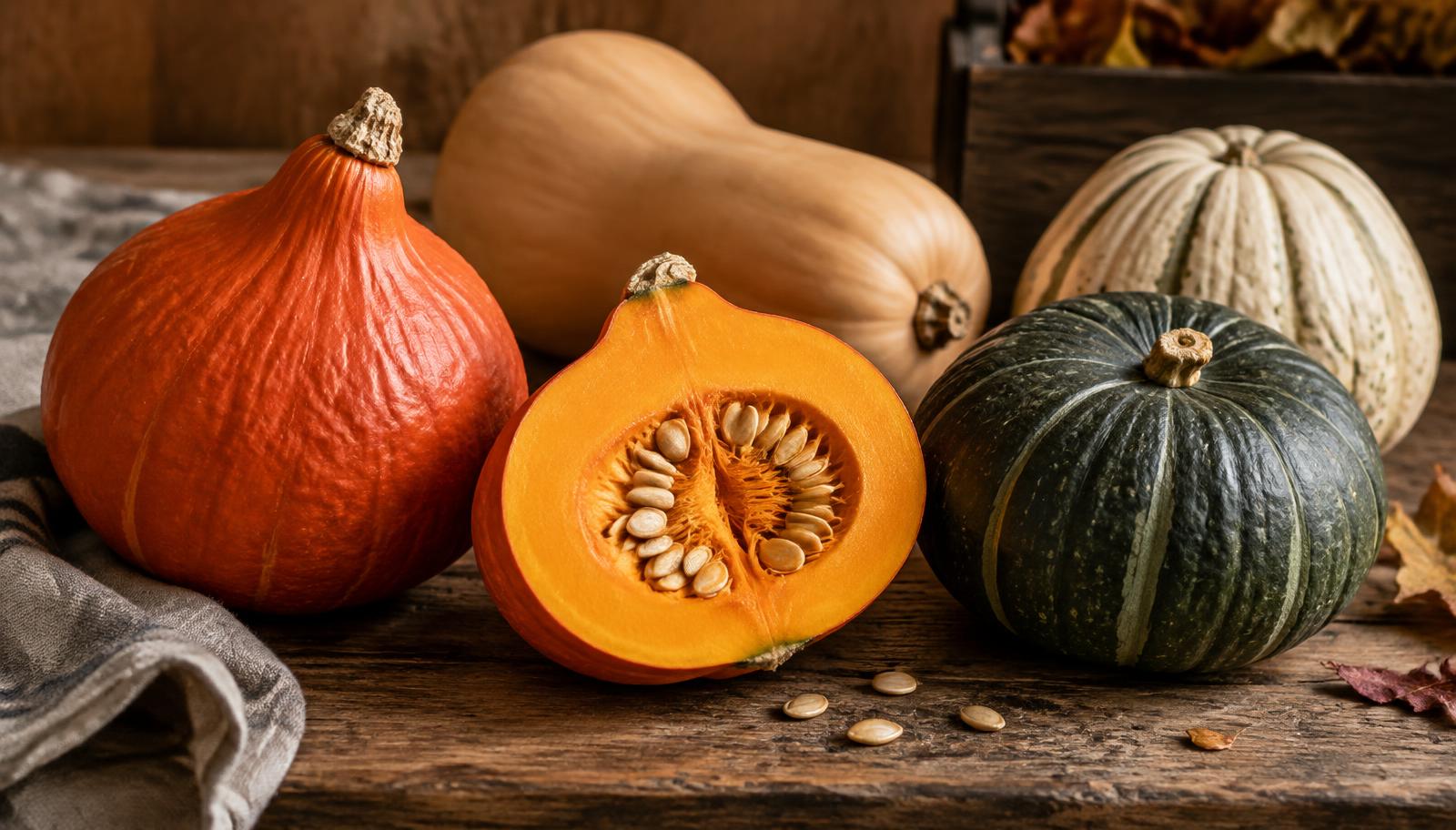
Beyond the Orange Pumpkin: An Autumn Guide to Squash, Flavour and a Cosier Kitchen
Explore autumn pumpkins and winter squash, their flavours, nutrition and practical uses, with cosy meal ideas and tips to waste less.
Archive
Search by realm, category or article type. Every post is organised so you can follow a thread or stumble across something unexpected.

Explore autumn pumpkins and winter squash, their flavours, nutrition and practical uses, with cosy meal ideas and tips to waste less.

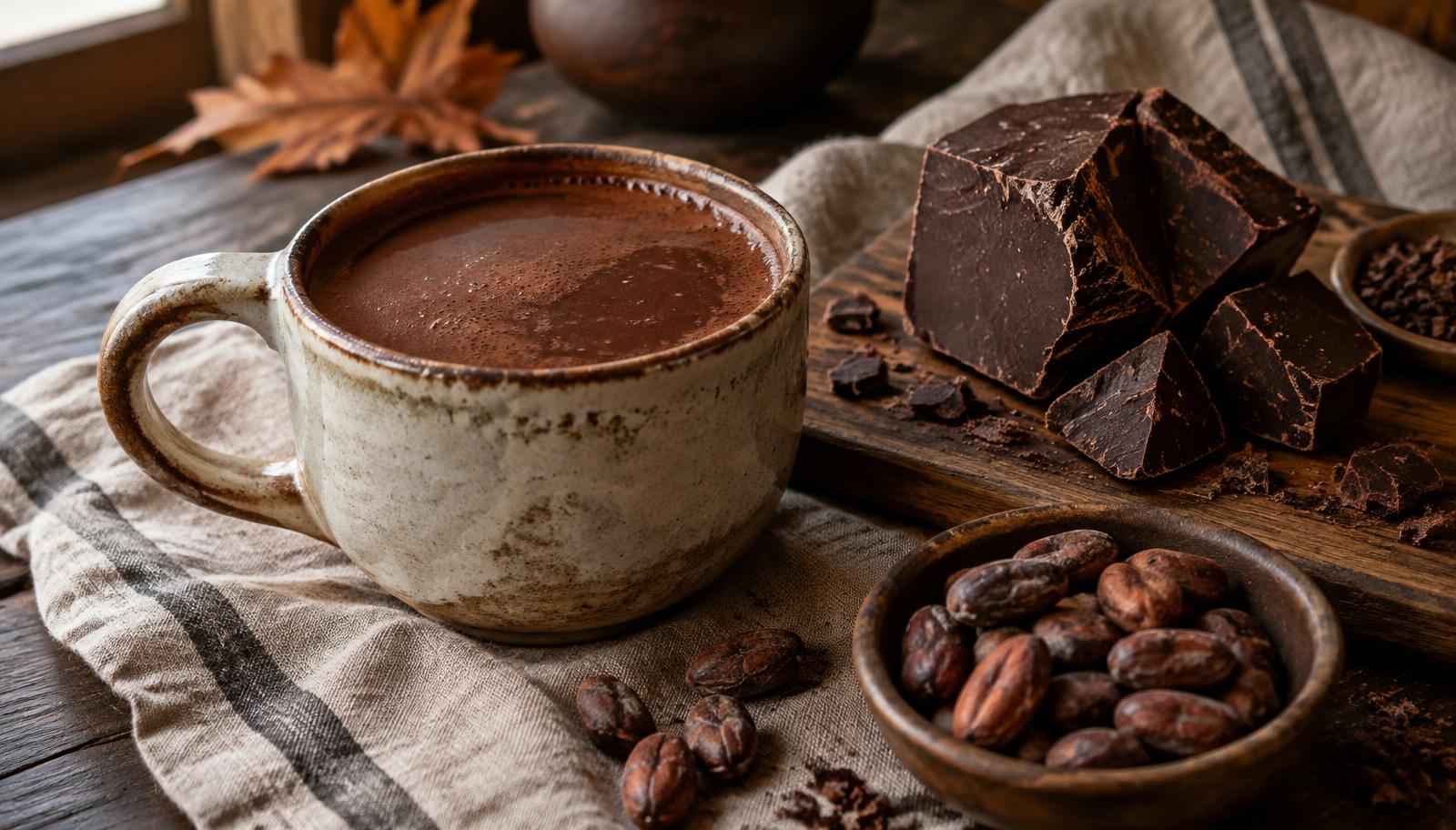
Understand ceremonial cacao, its history, common label terms and preparation, with a thoughtful guide to making a simple cup at home.

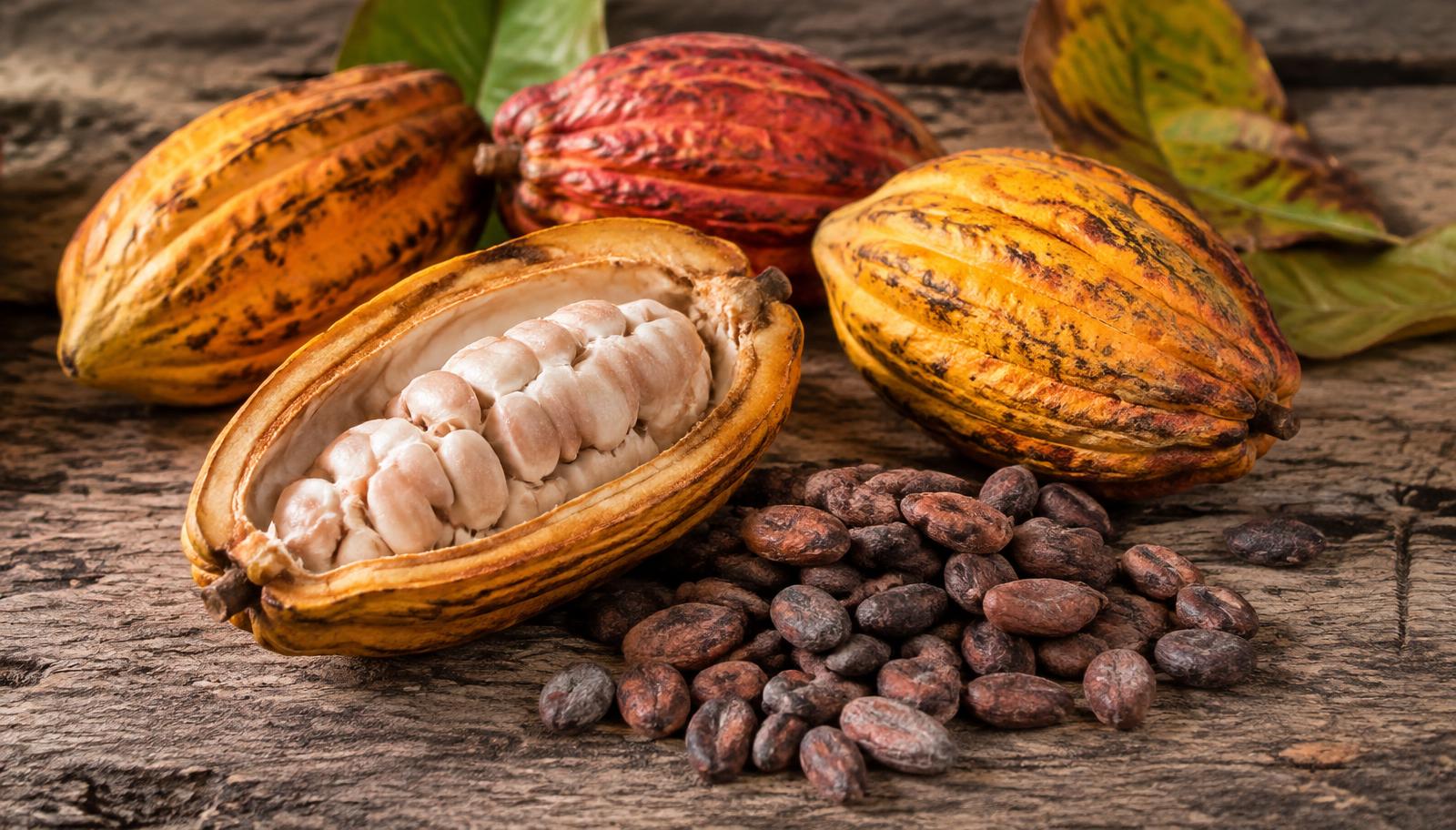
Explore Venezuelan cacao through Chuao, Porcelana and Sur del Lago, with practical tasting tips and questions to ask before buying.

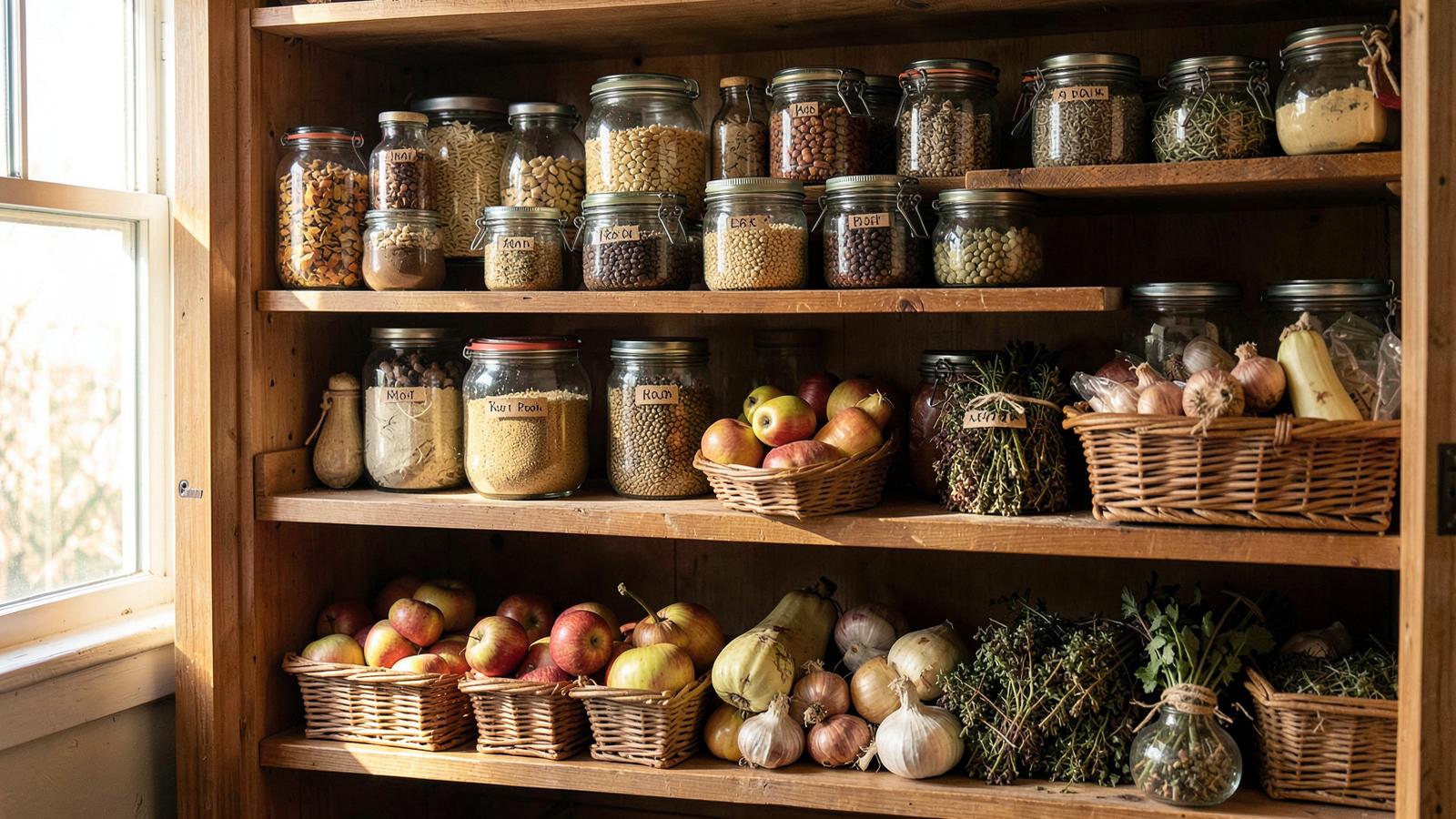
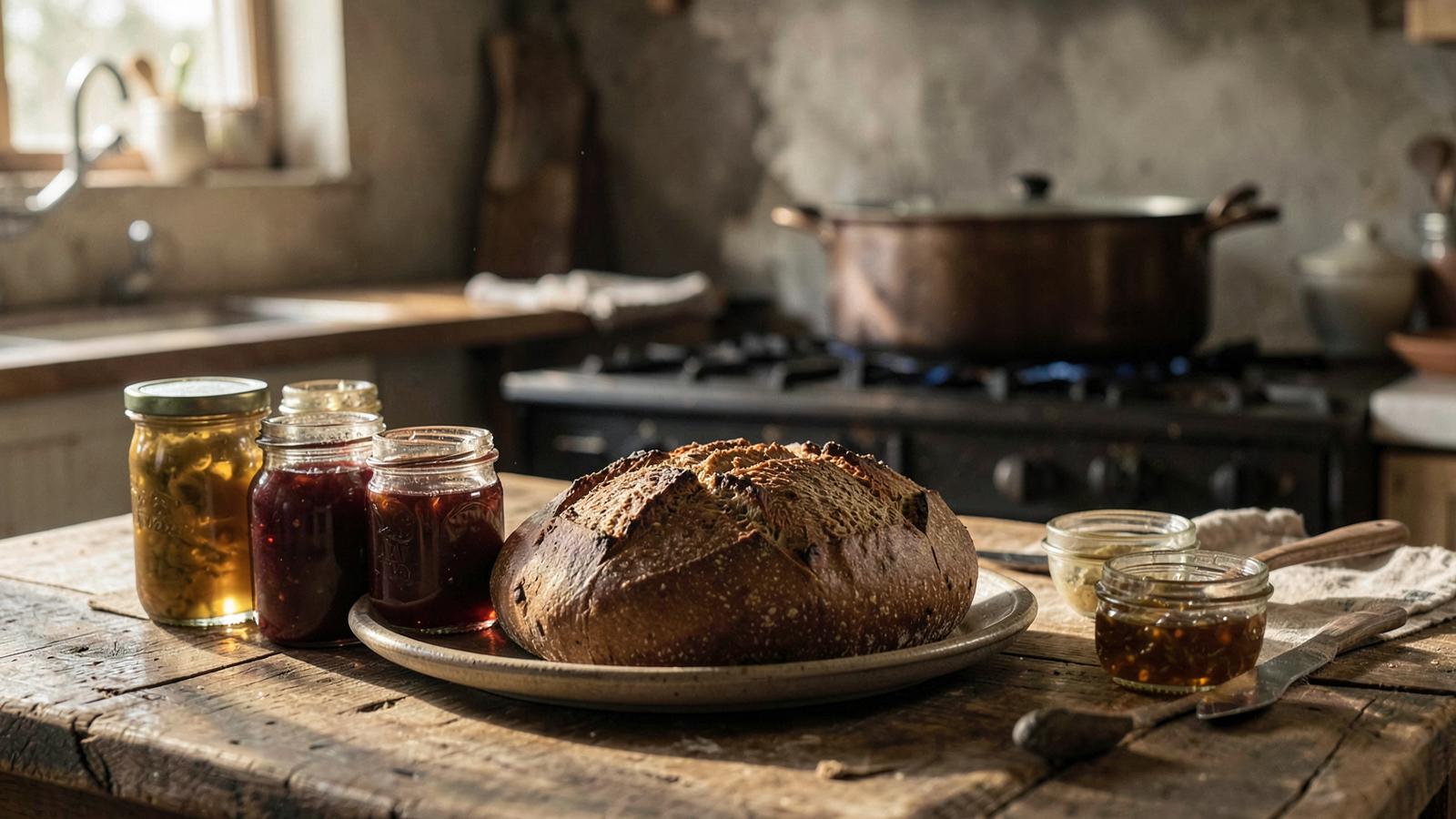
Build a practical autumn pantry around meals you enjoy, with simple organisation, sensible shopping and an introduction to safe preserving.

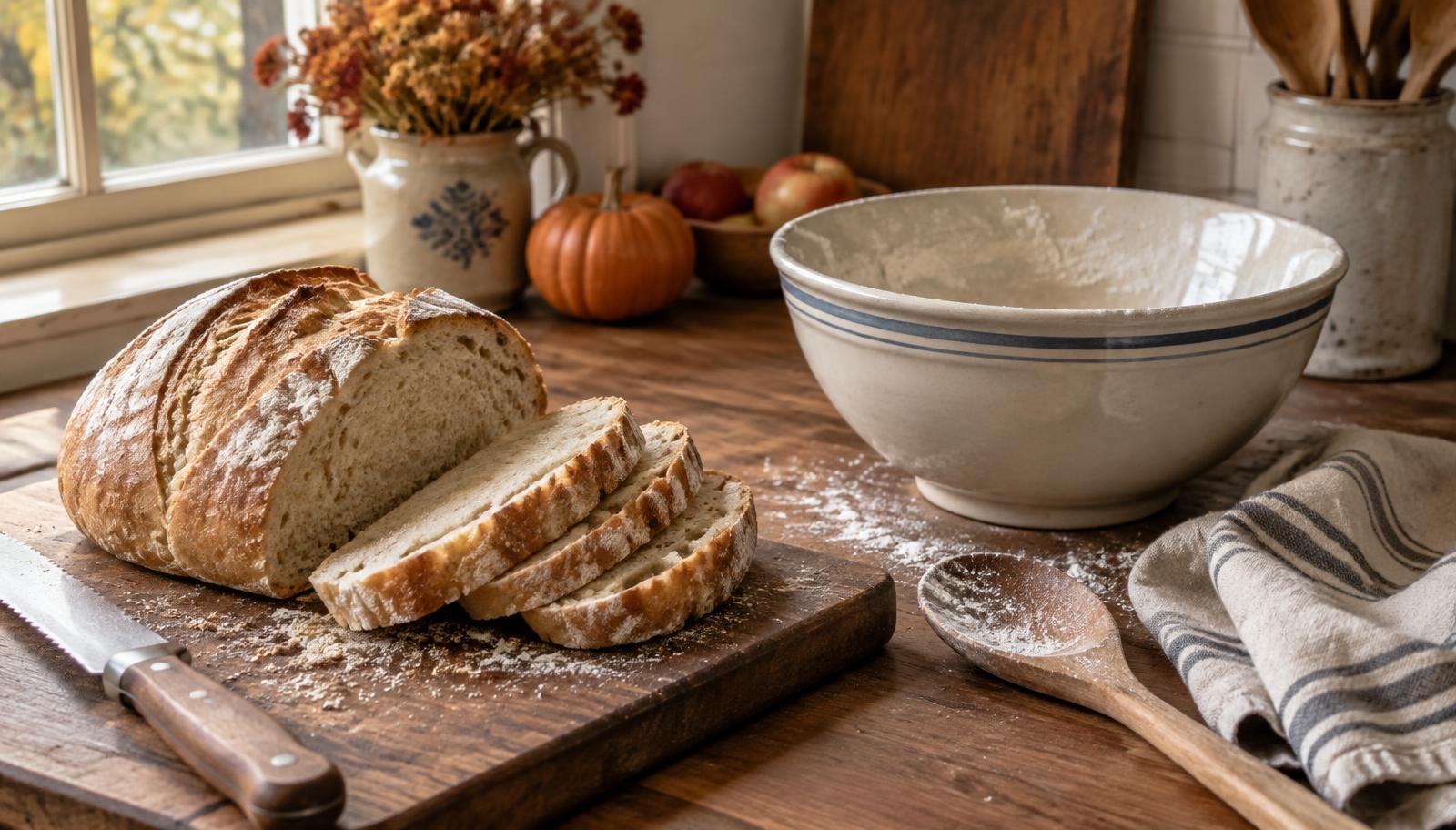
Start baking bread with a few useful tools, a reliable recipe and practical habits that help you learn what your dough needs.

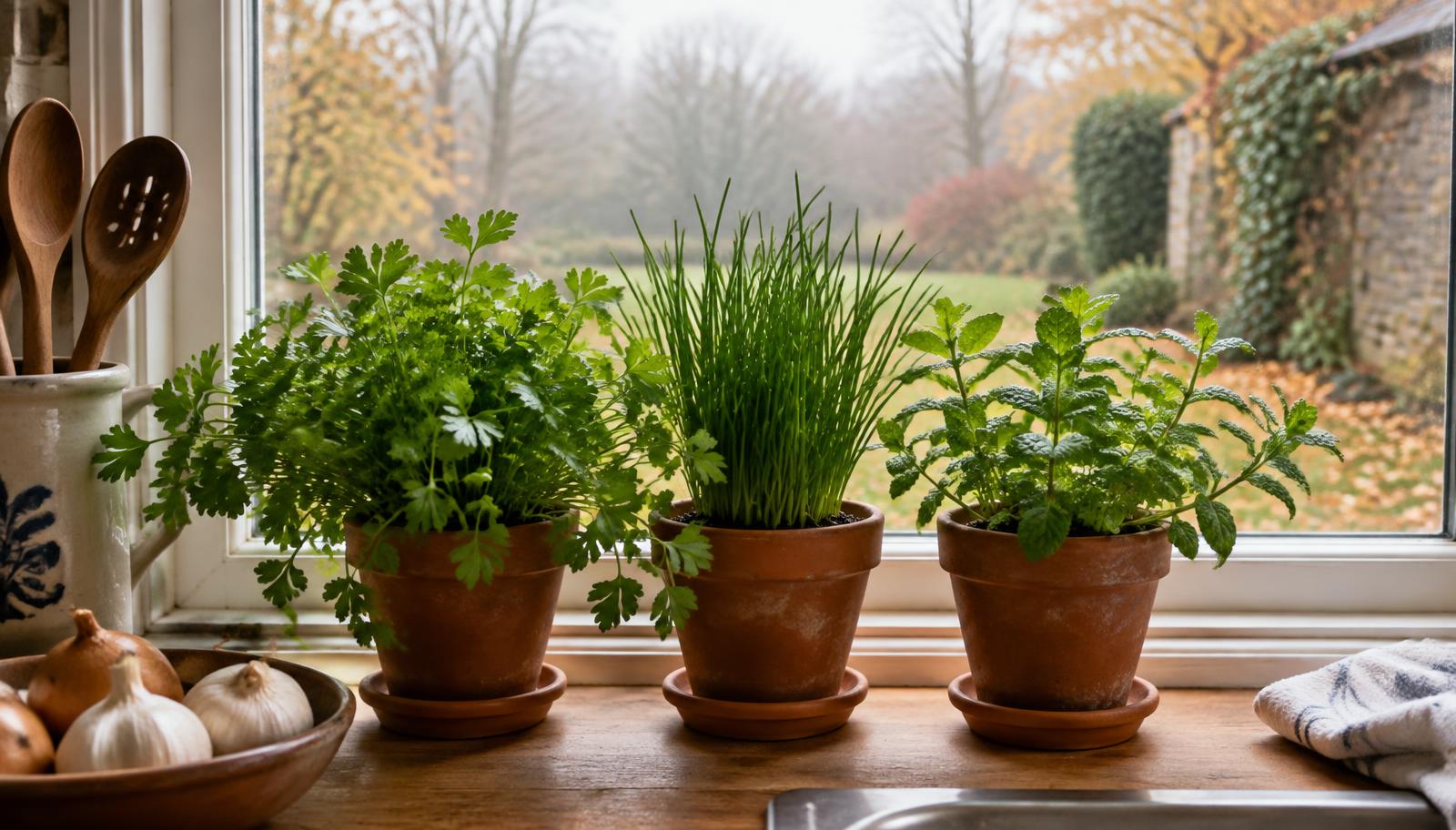
Grow a small kitchen herb corner with realistic UK autumn expectations, practical potting advice and useful herbs for everyday cooking.

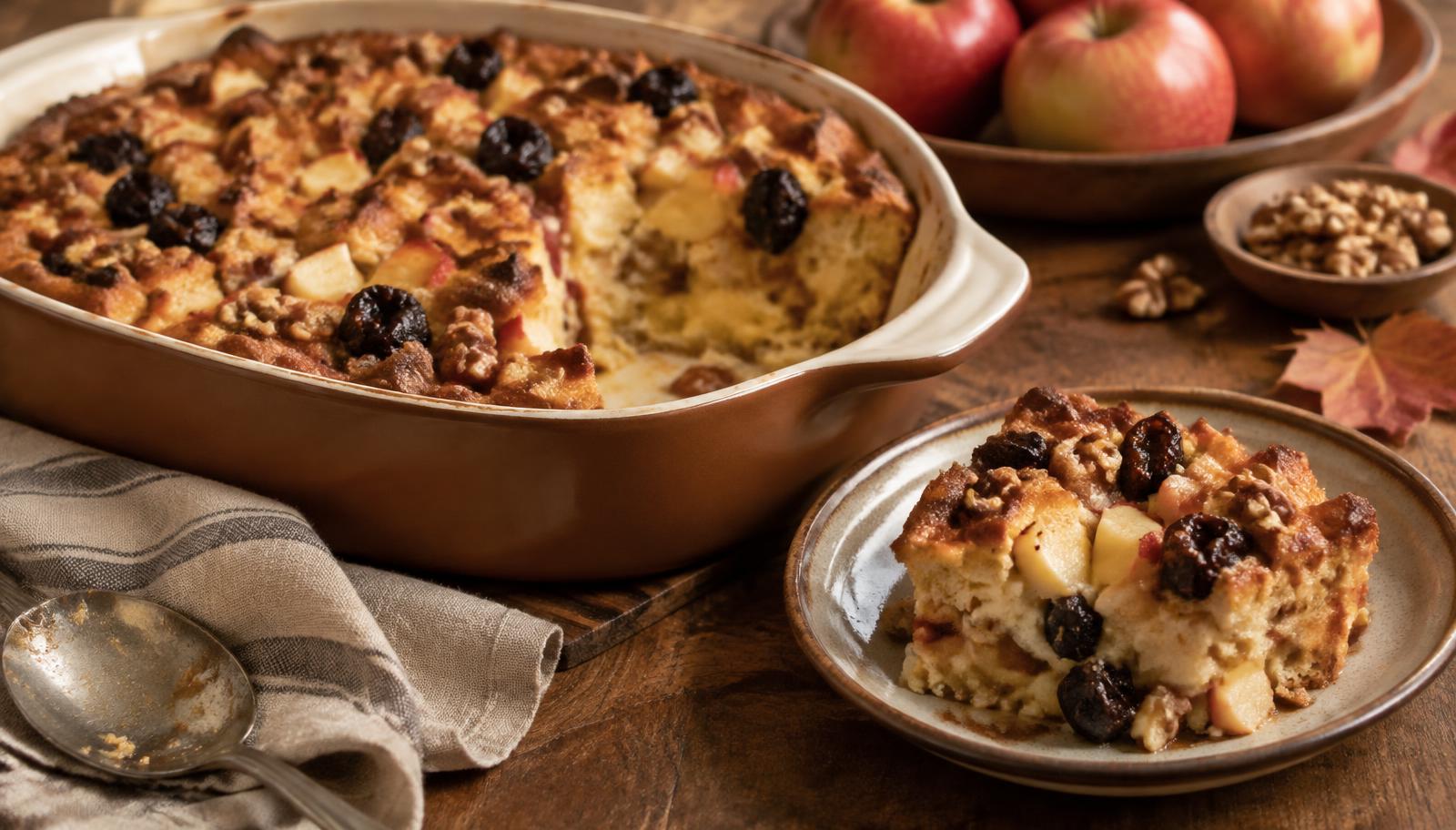
Discover a cosy bread pudding idea with apples, prunes, raisins and walnuts, inspired by Monika’s melszpejs recipe concept.

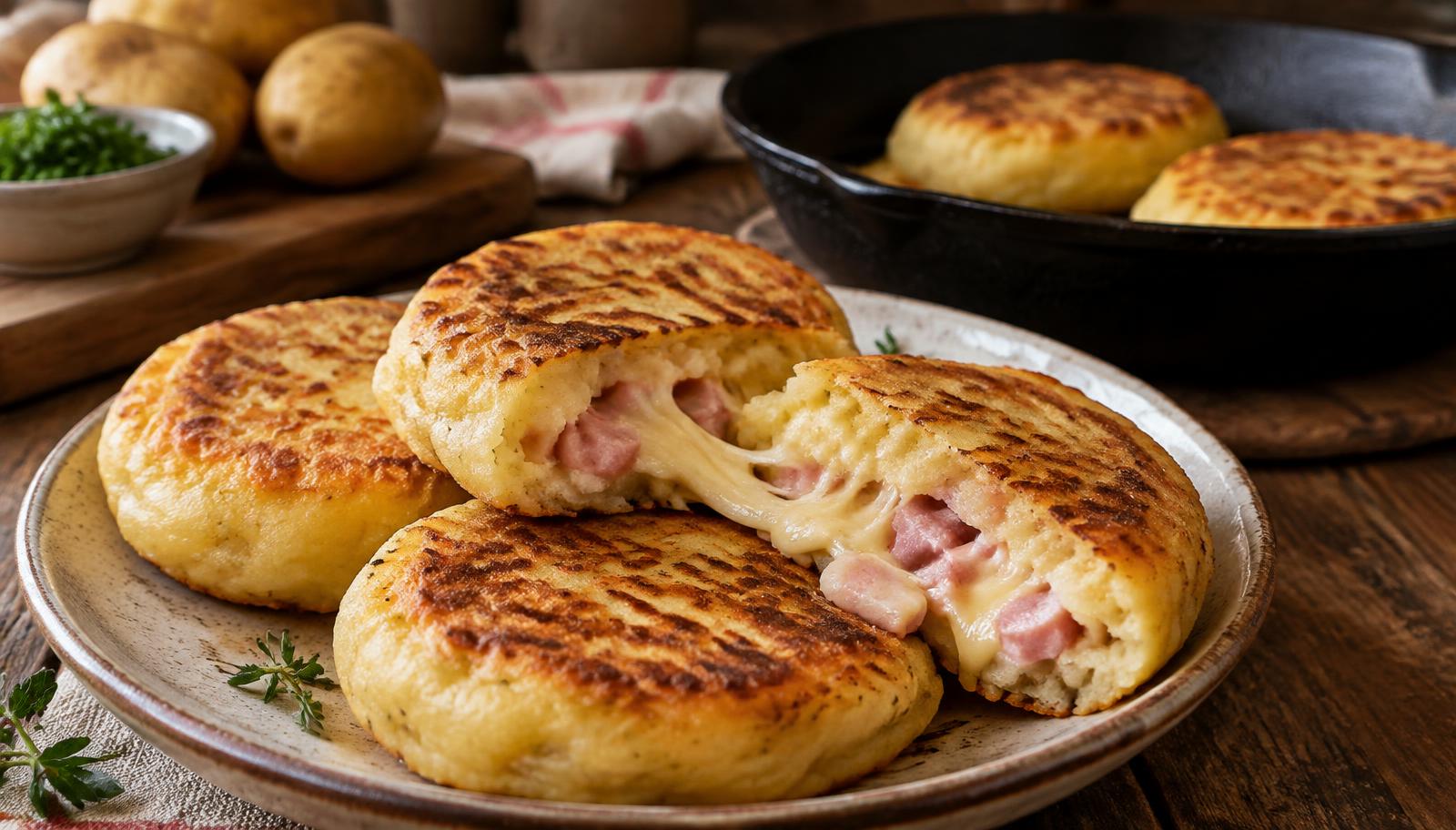
Turn safely stored mash into stuffed potato flatbreads with melted cheese and ham, with shaping advice.

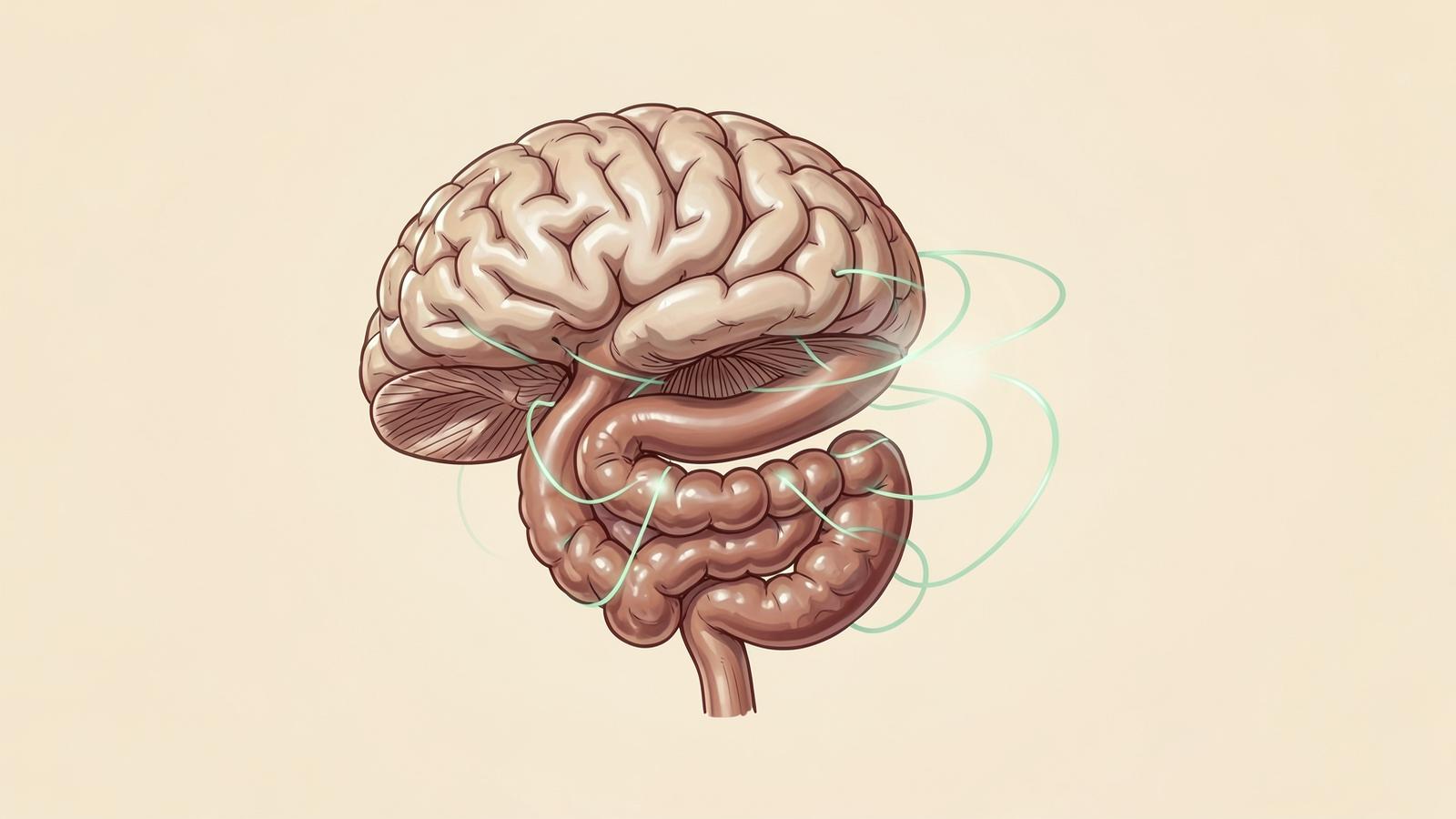
GLP-1 medicines work through biological signalling between the gut, pancreas, brain and stomach. Here is what they amplify, what they change, and what they do not replace.

Living medicines use engineered cells, bacteria and other biological systems to sense, respond and deliver treatment. The promise is extraordinary — and so are the engineering challenges.

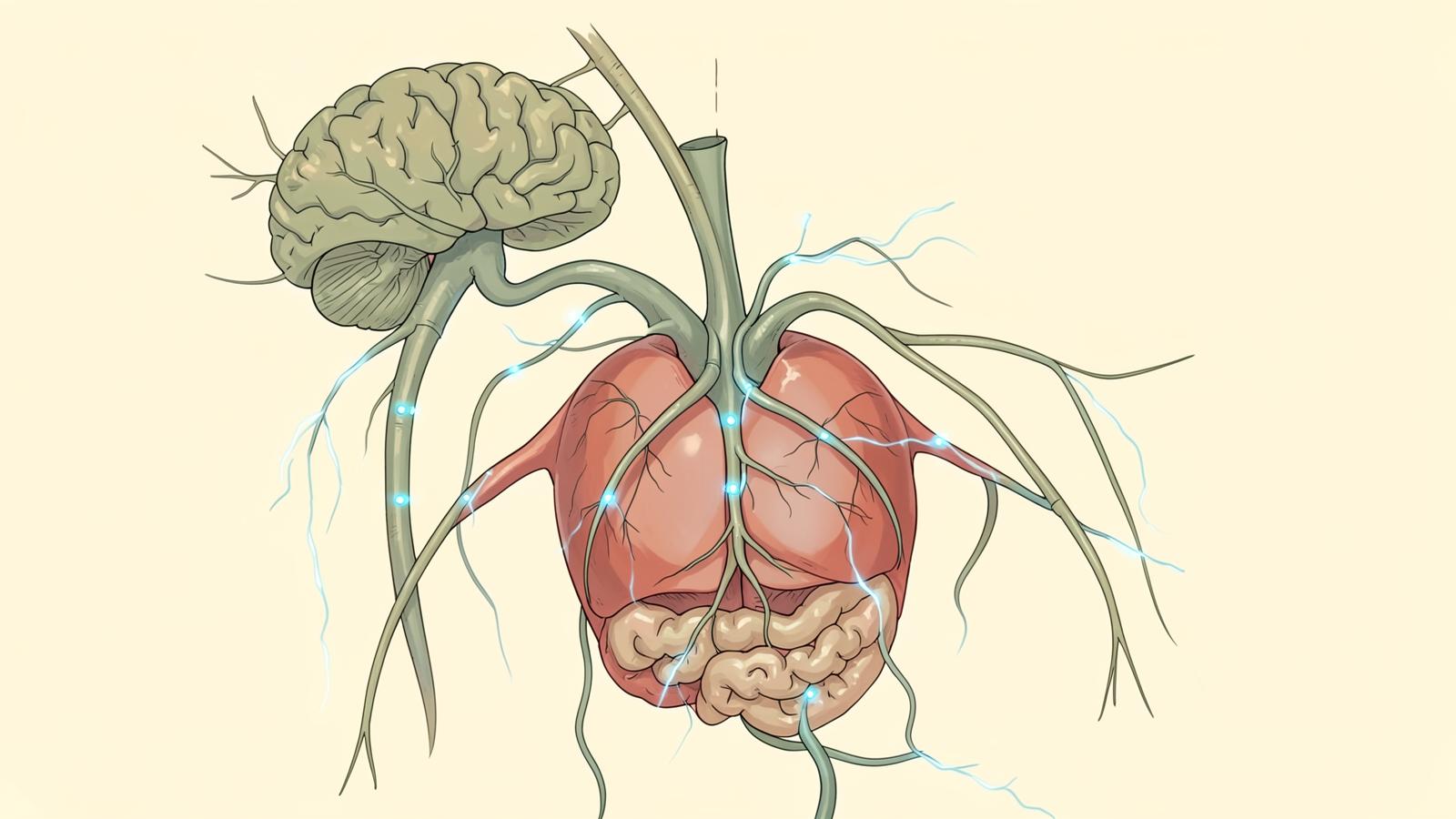
Bioelectronic medicine treats nerves as communication pathways that can sometimes be modulated electrically. Vagus nerve stimulation is one window into a fast-growing field.

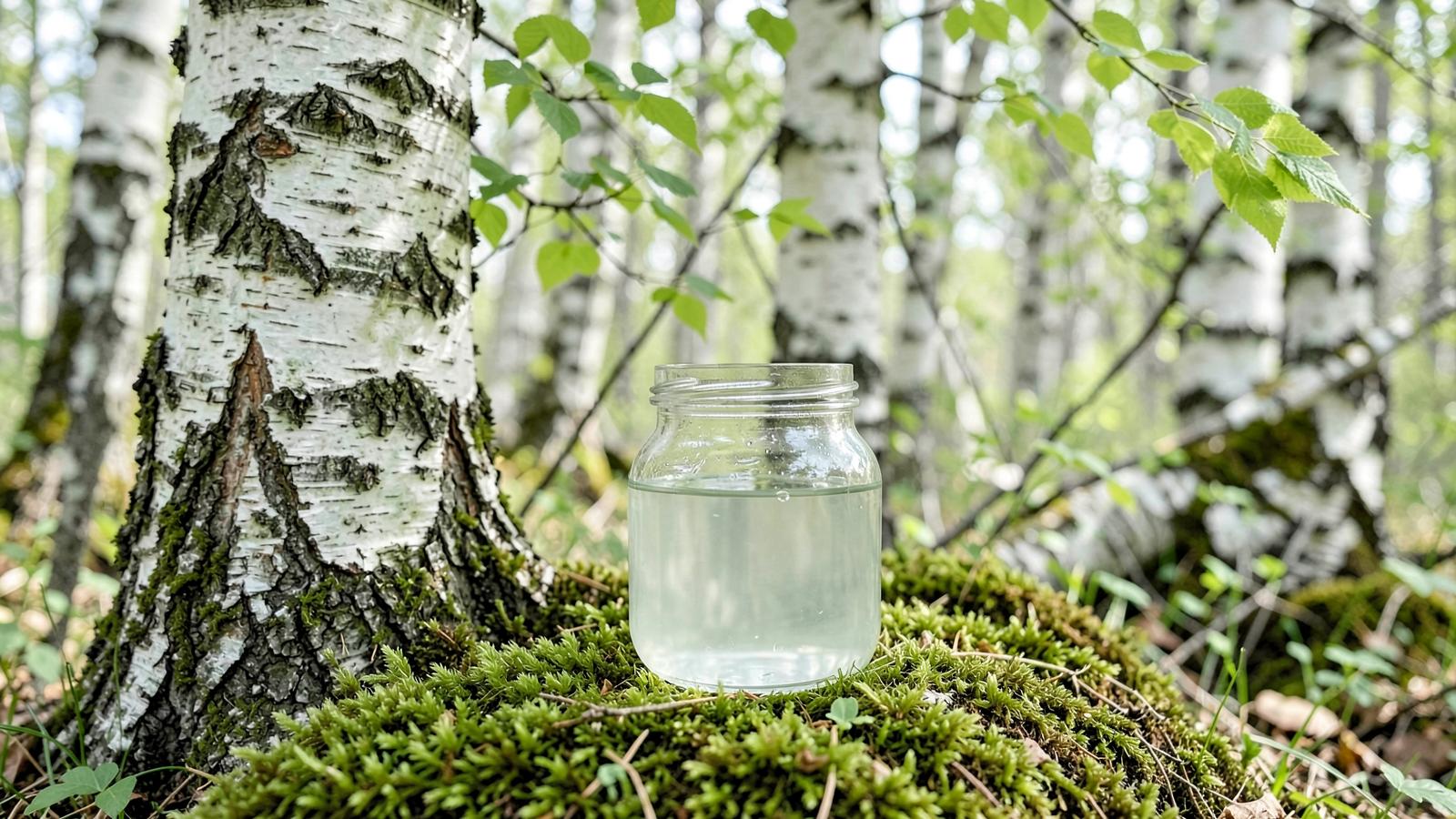
Birch has been used for food, drink, craft and traditional herbal practice. Explore sap, leaves, bark, betulin and respectful seasonal harvesting.

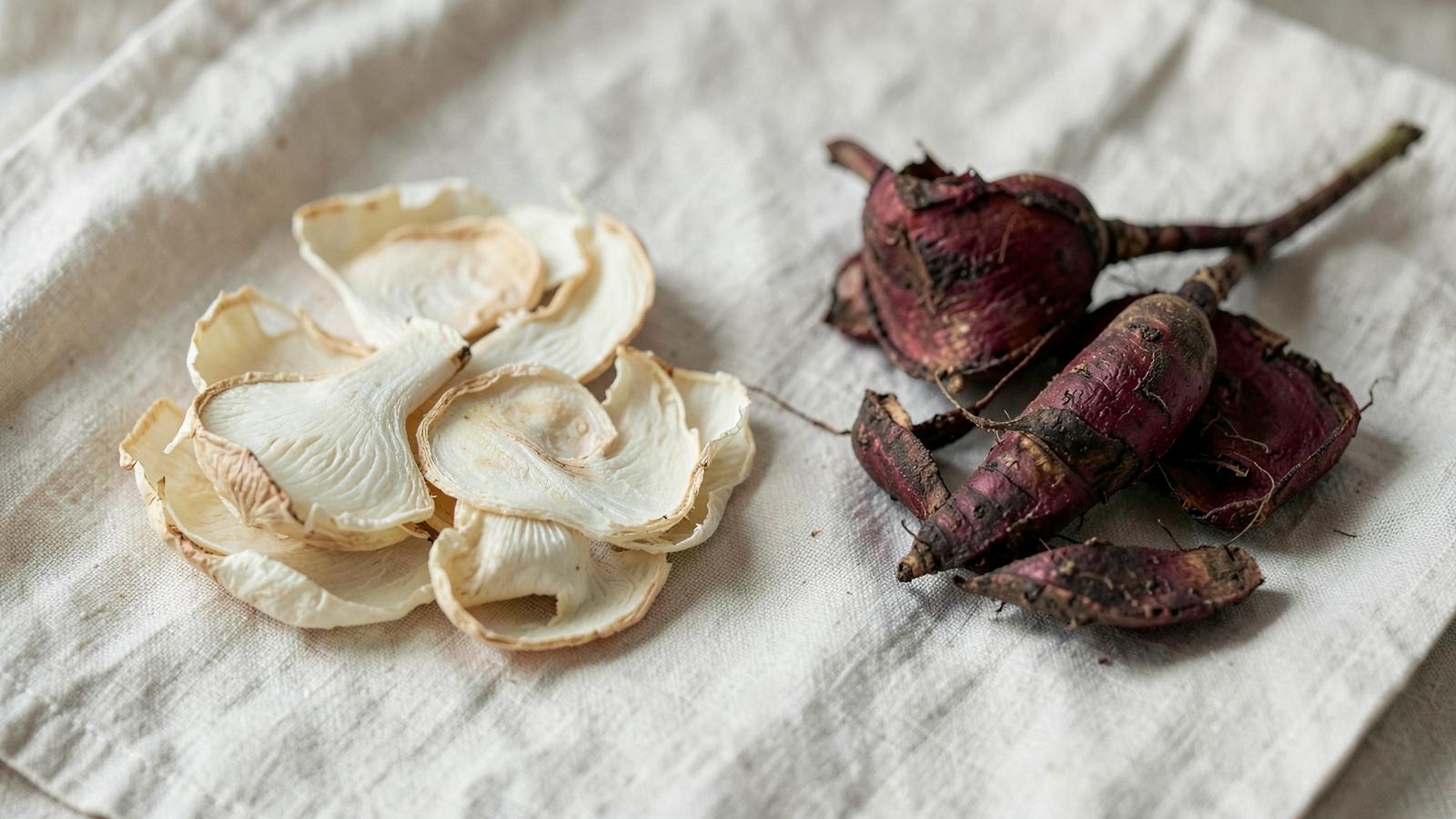
Bai Shao and Chi Shao are not simply “white flower versus red flower.” Their identity depends on botanical source, processing and traditional use.

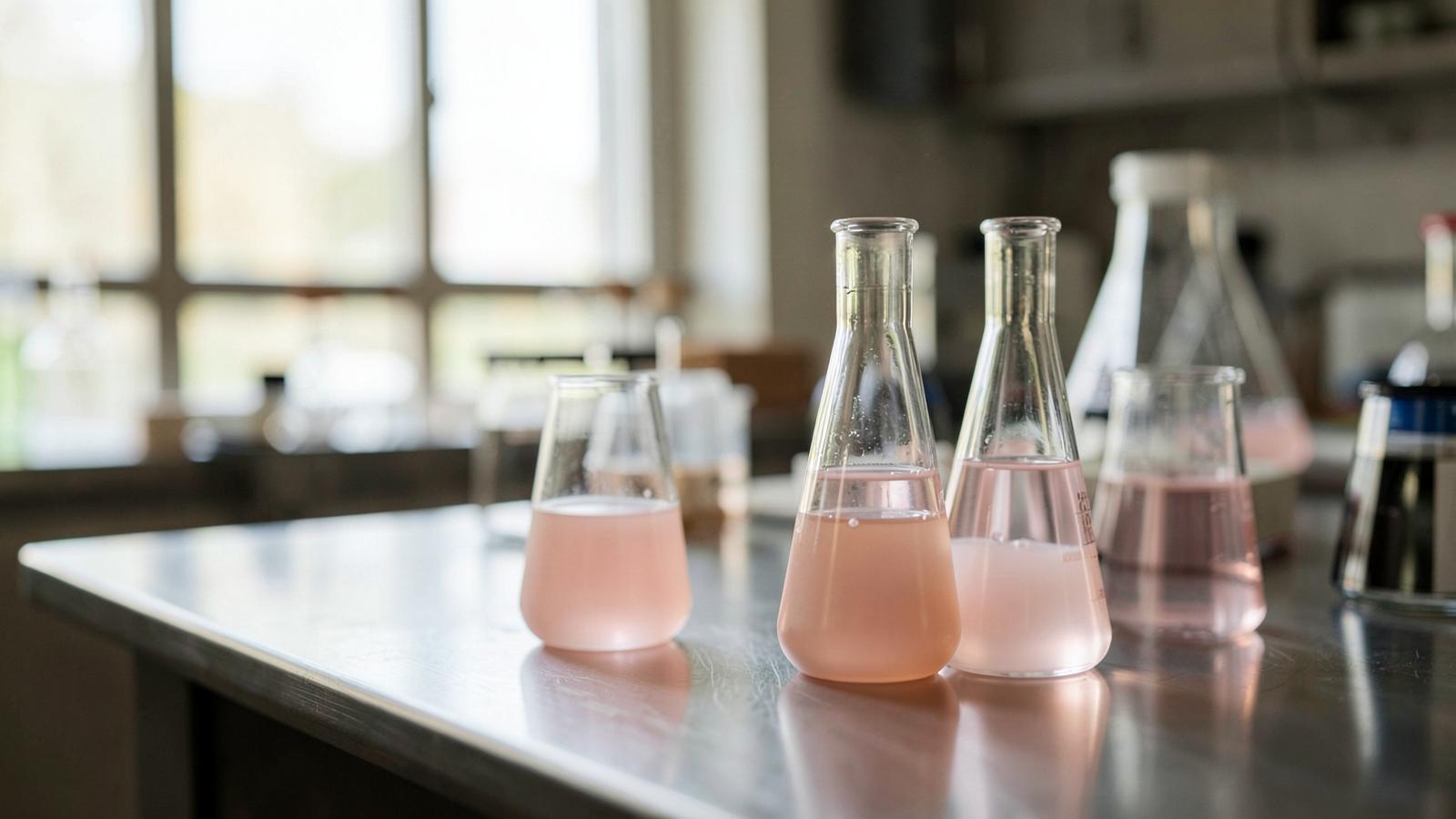
When fresh water and salt water mix, a concentration difference disappears. That difference contains usable free energy. "Blue energy" technologies try to capture part of it before the waters fully mix.

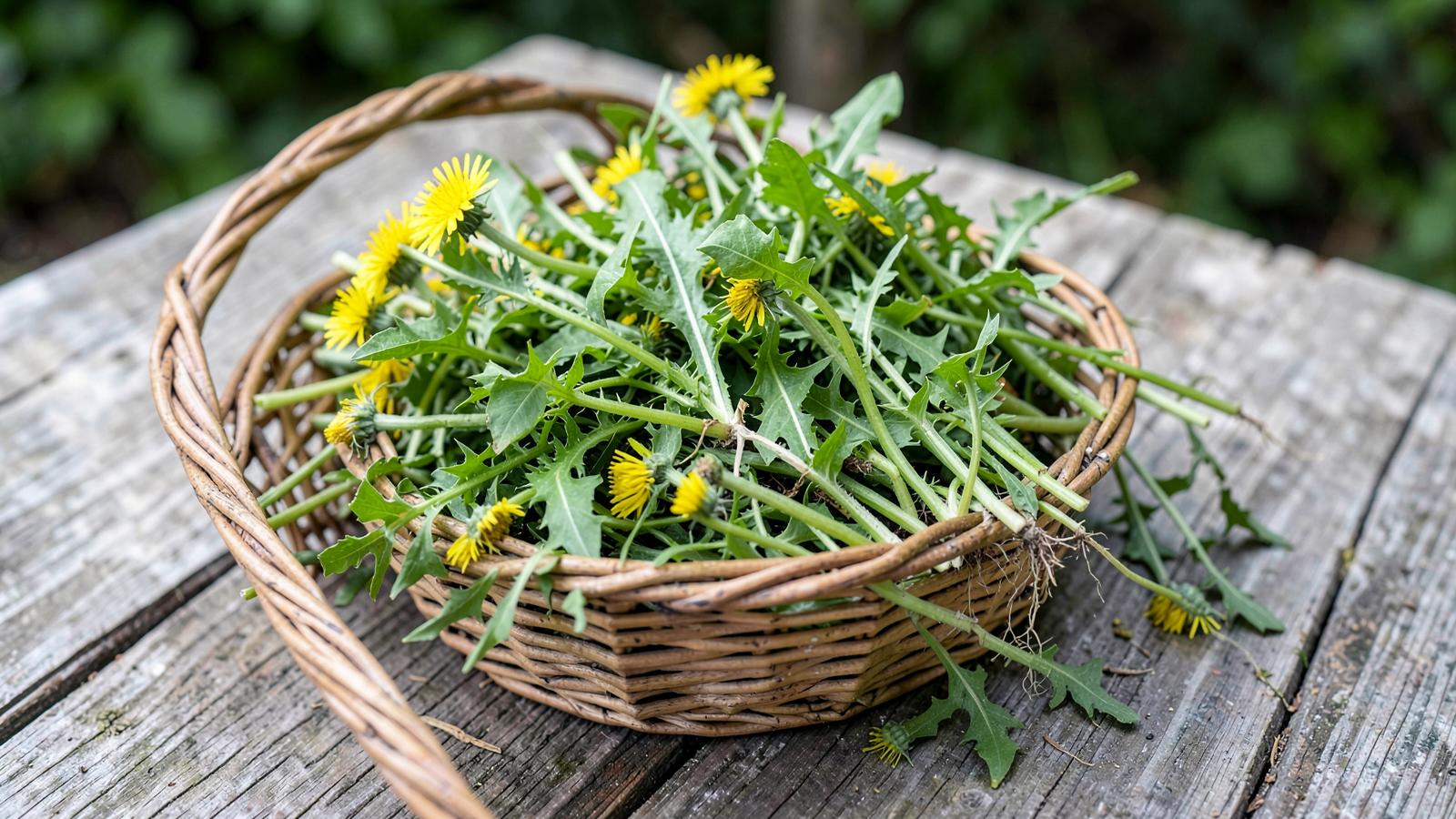
Dandelion is leaf, flower, root, food, bitter flavour and traditional herb. Explore what is edible, what is studied, and where the evidence remains limited.

You do not need to become an electrician to understand your energy bill, a battery or a power station. Five ideas — voltage, current, power, energy and AC/DC — explain most of what beginners need.

What does the Wim Hof Method actually do to breathing gases, adrenaline, cold response and the autonomic nervous system — and what remains uncertain?

A leaf and a photovoltaic panel both harvest sunlight, but they solve the problem in radically different ways. One makes electrical current; the other builds chemistry, structure and life.

MCT oil is absorbed and handled differently from many long-chain fats. Here is what C8 and C10 can do, why ketones rise, and where the claims outrun the evidence.

Storage, networks, filters, feedback, insulation, pumps, sensors and self-repair did not begin in factories. Living systems have been solving physical problems for billions of years.

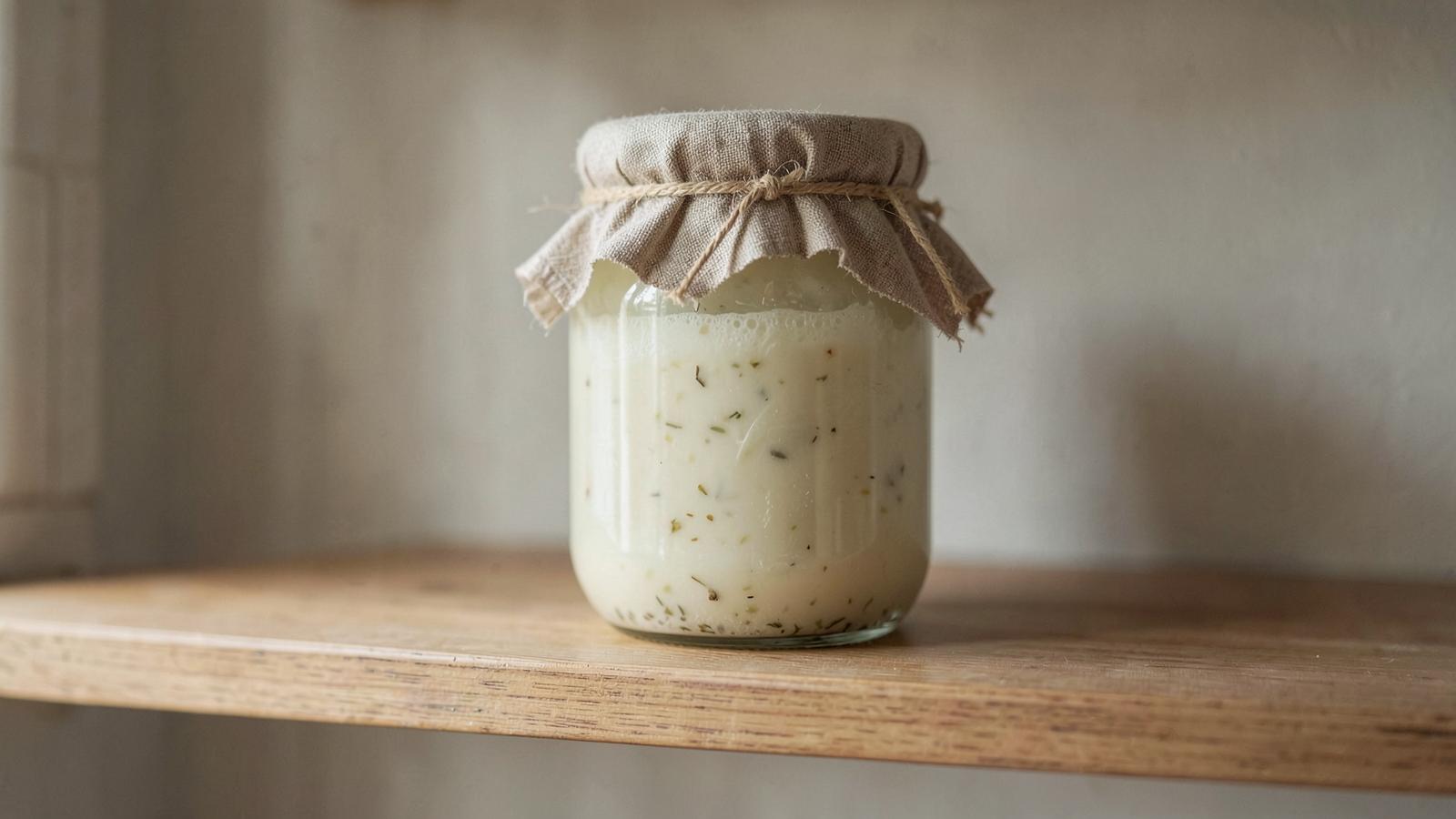
Herbal ferments often called “Bolotov kvass” mix plant material with lactic fermentation. The microbiology is fascinating, but recipes vary and safety matters.

Build an autumn pantry with roots, apples, grains, dried herbs, ferments, preserves and practical rotation — inspired by old seasonal habits, adapted to a modern home.

A hand on the shoulder, the pressure of the floor under your feet, warmth on the skin — touch is not merely sensation. It is continuous information the nervous system uses to map the body and the world.

Hormones are chemical messages carried through blood, but the message only matters when a cell can receive and interpret it. Endocrine biology is less like a list of chemicals and more like a network of timing, receptors and feedback.
Feng shui is more than moving furniture for “good luck.” Explore its traditional ideas about orientation, flow, balance and how to adapt them thoughtfully in a modern home.
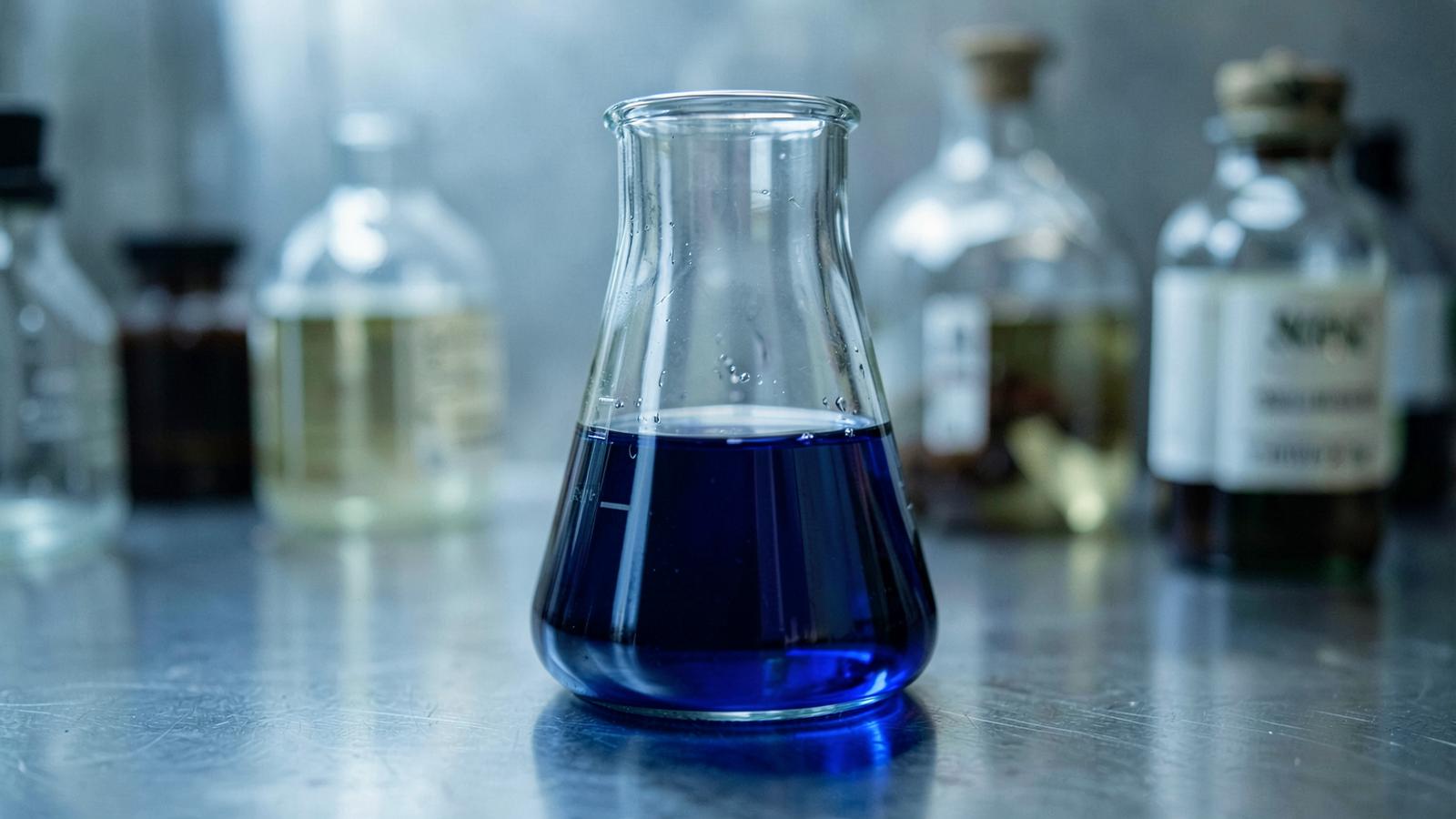
Methylene blue is not a new "biohacking dye." It is a pharmacologically active compound with established medical uses, a long scientific history and potentially serious interactions. That makes it interesting — and exactly the wrong substance to treat casually.

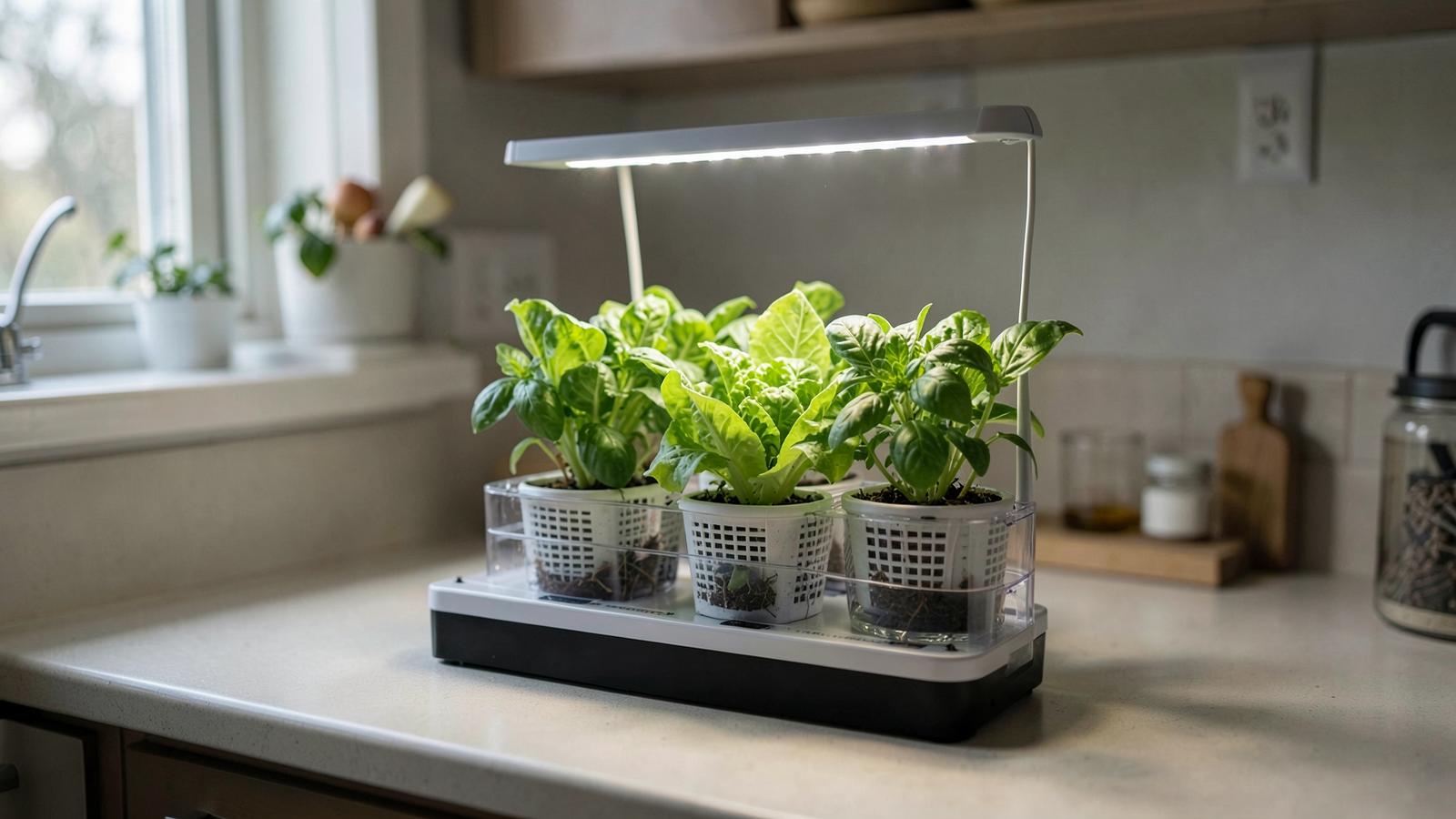
Hydroponics grows plants without soil by delivering water, oxygen and mineral nutrients directly to roots. Here is a practical beginner route from herbs to leafy greens.

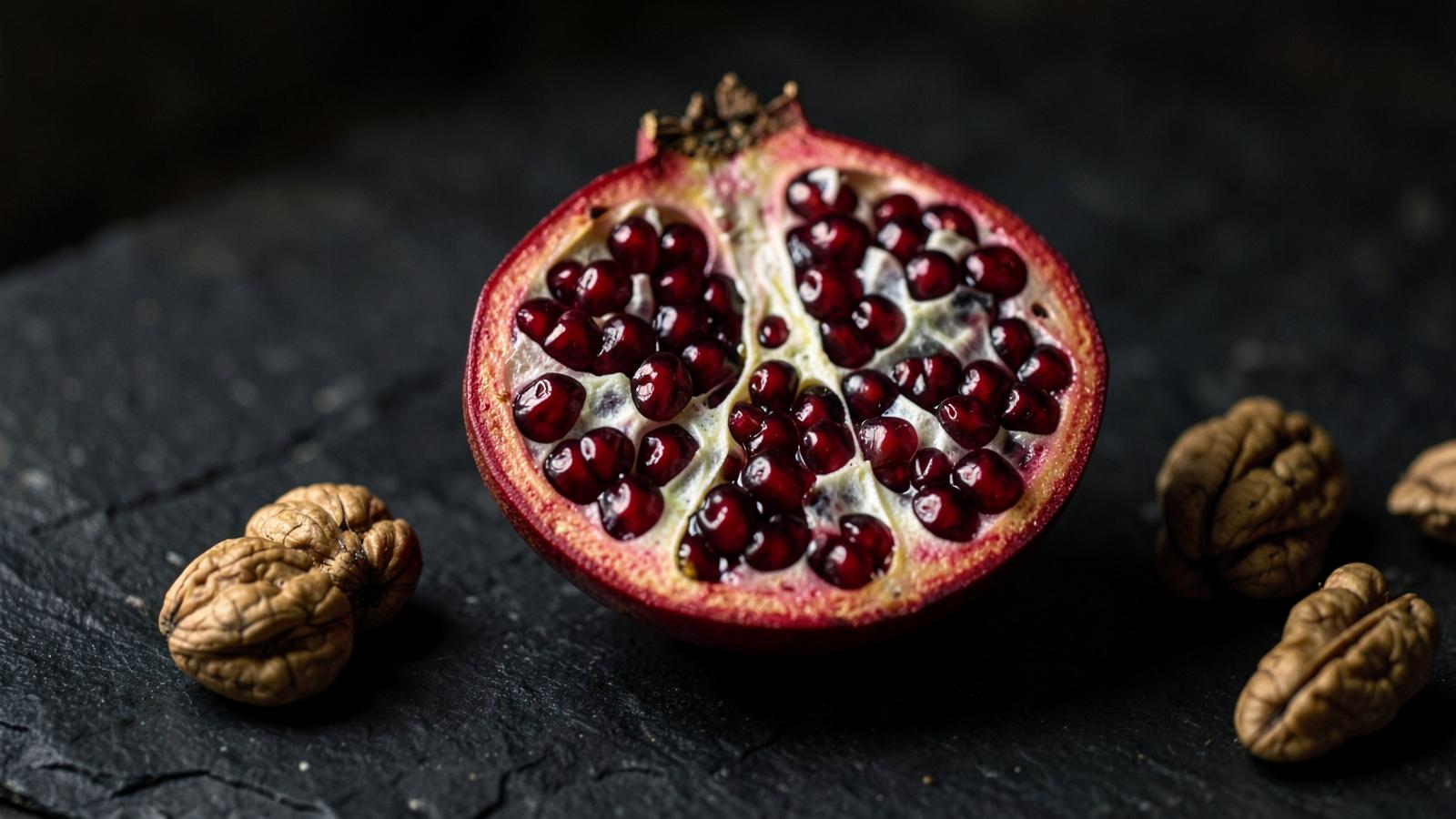
A compound found in pomegranates does not simply "become urolithin A" in everyone. Gut microbes transform ellagitannins into metabolites, and only some people produce meaningful amounts. That makes urolithin A a fascinating story about food, microbes and mitochondrial research.

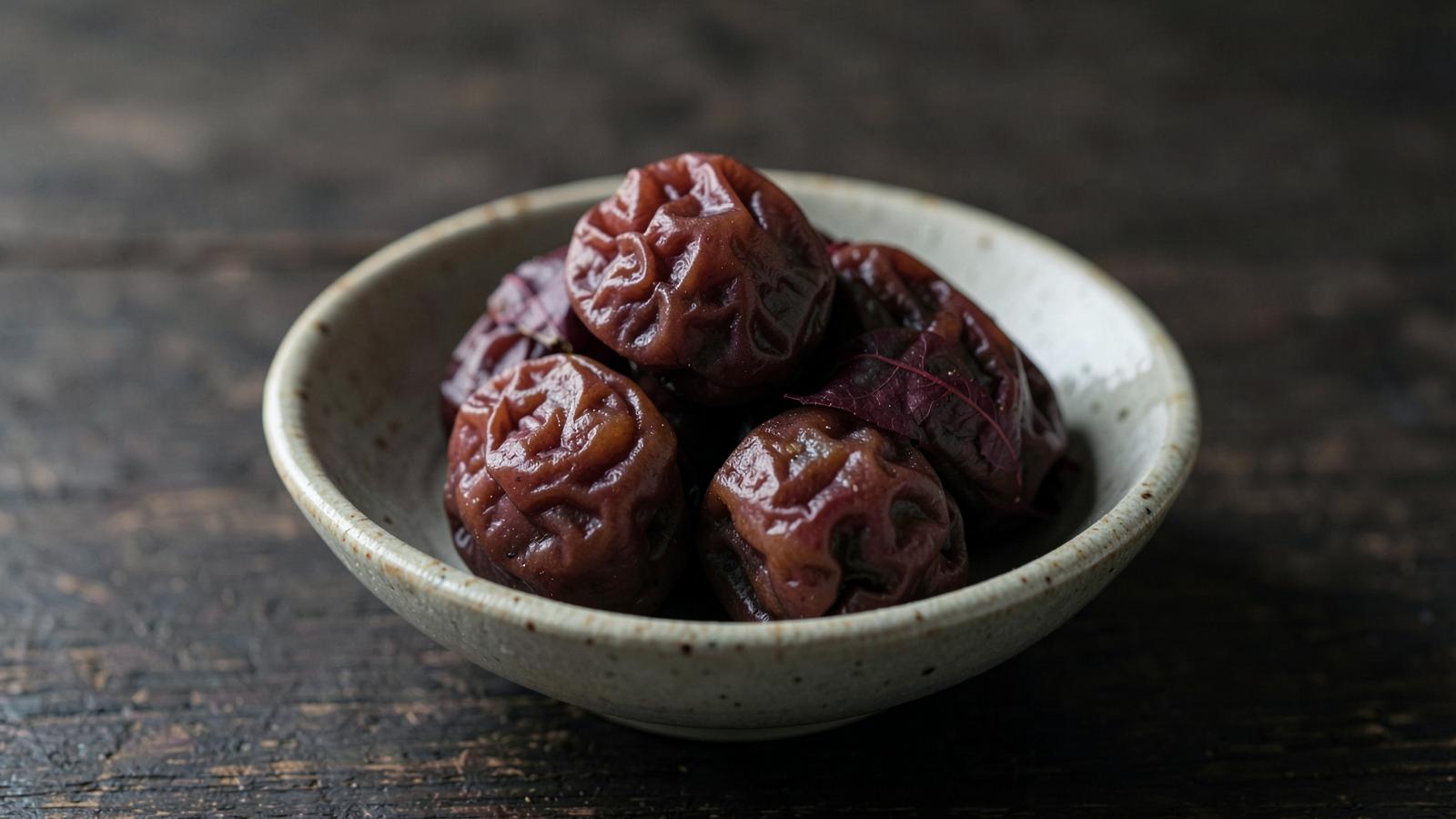
Umeboshi is not simply a salty plum. It is a preservation tradition built around Japanese ume, salt, time and often red shiso.

Red and near-infrared light can interact with tissue in ways that influence cellular signalling. The science is real — but the clinical evidence is uneven, the dose matters, and consumer marketing often promises more than research can support.

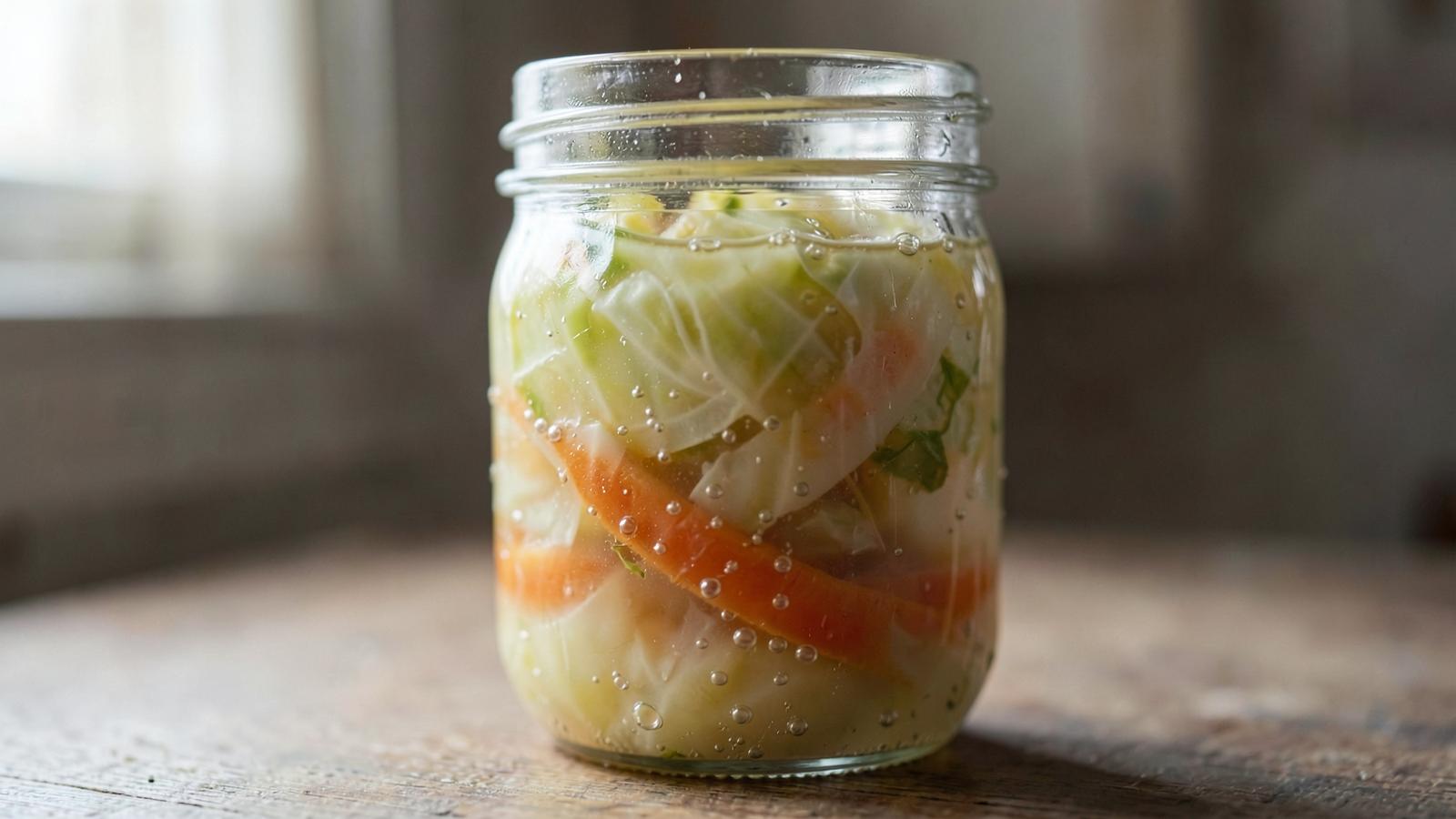
A ferment is a tiny ecosystem shaped by salt, temperature, oxygen, acidity and time. Learn how microbes compete, cooperate and transform food.

Two people with the same weight can carry fat in very different places. Where fat is stored — under the skin, around organs or inside organs — can matter as much as the number on the scale.

Drying, fermenting, slow cooking, maturing dough and preserving fruit were once survival skills. Today they can still save food, build flavour and reconnect us with time.

Cells do not keep every protein and organelle forever. They inspect, dismantle and recycle. Autophagy is one of the systems that makes cellular housekeeping possible; mitophagy is the specialist branch that helps manage mitochondria.

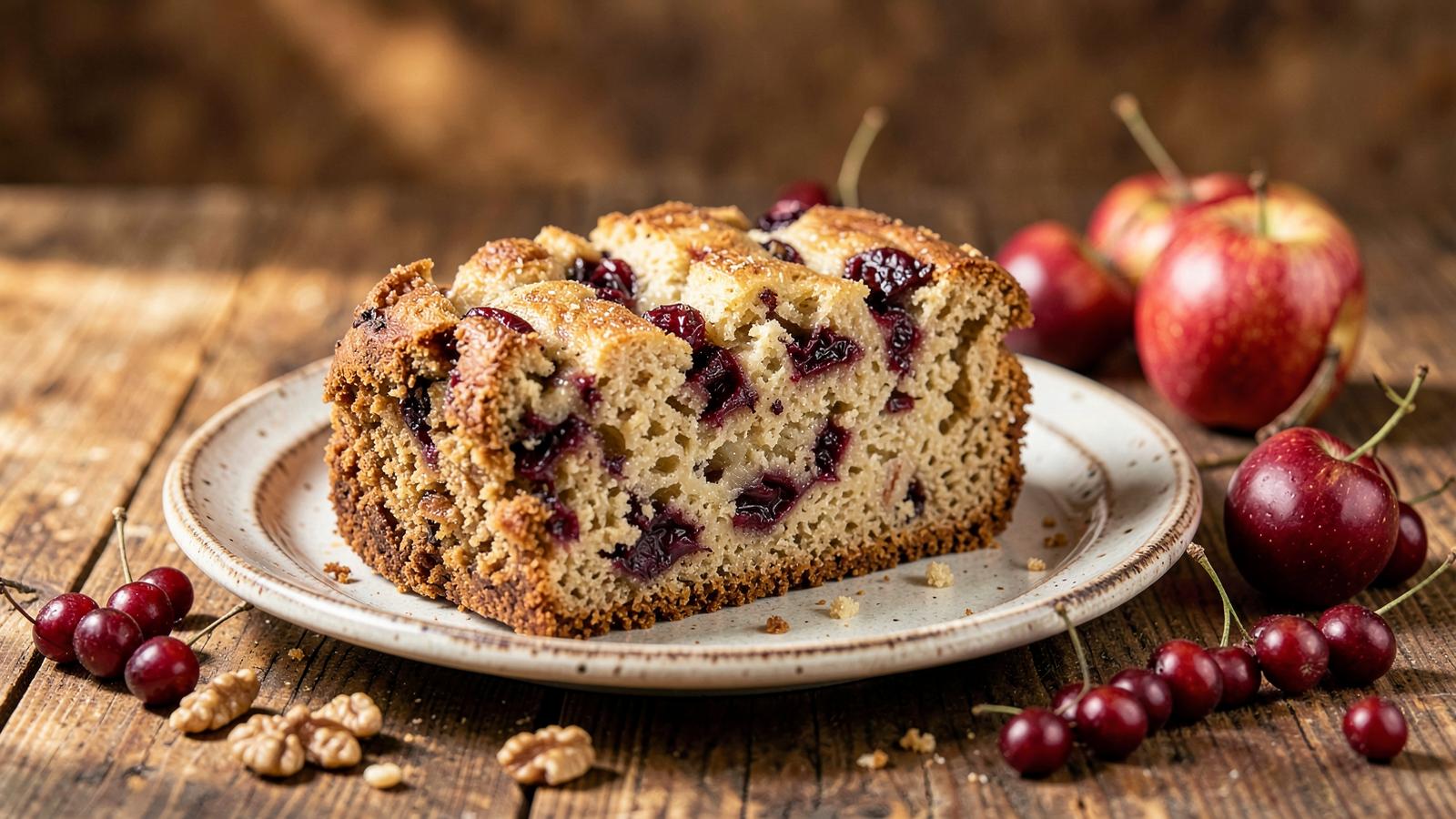
A rustic autumn cake with cooked hawthorn berry pulp, apple, warm spice and walnuts — with careful seed removal for a safer wild-food recipe.

Fasting is not one single state. A skipped breakfast, a 16-hour eating window, a 24-hour fast and several days without food create different levels of metabolic stress — and human biology does not run on an exact internet stopwatch.

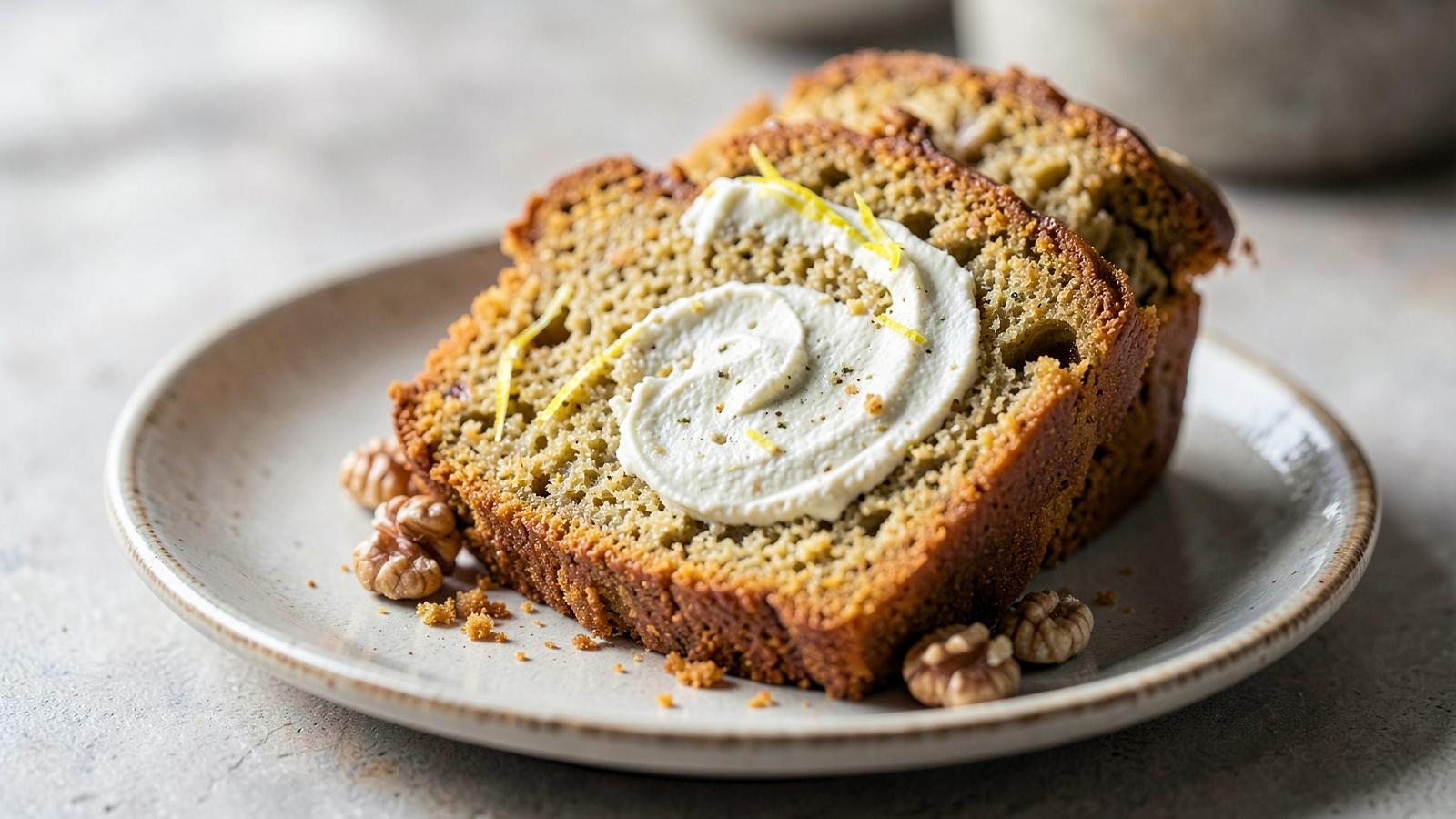
A soft lemon-carrot loaf made with oat flour, protein powder and yoghurt, finished with lightly sweetened cardamom cream.

A thought can change a heartbeat. A stressful week can change sleep and appetite. A slow exhale can change autonomic activity. Psychobiology studies the loops linking experience, brain, hormones, immunity and metabolism.

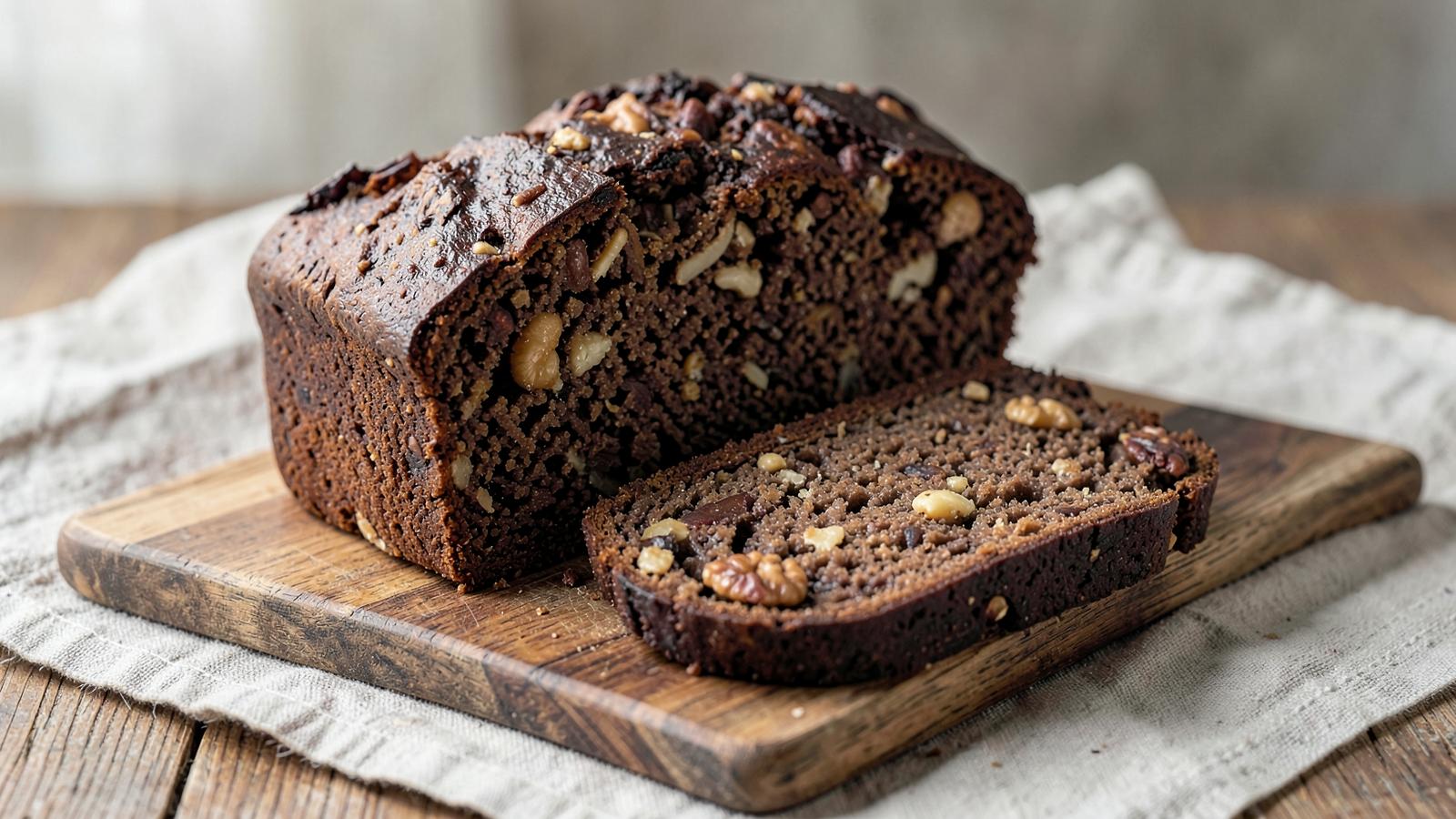
A dark, dense gluten-free loaf inspired by pumpernickel, with buckwheat, oats, cocoa, caraway, blackstrap molasses and walnuts.

Every nerve impulse, heartbeat and muscle contraction depends on controlled movement of charged particles. Bioelectricity is not metaphorical; it is one of the basic languages of living tissue.

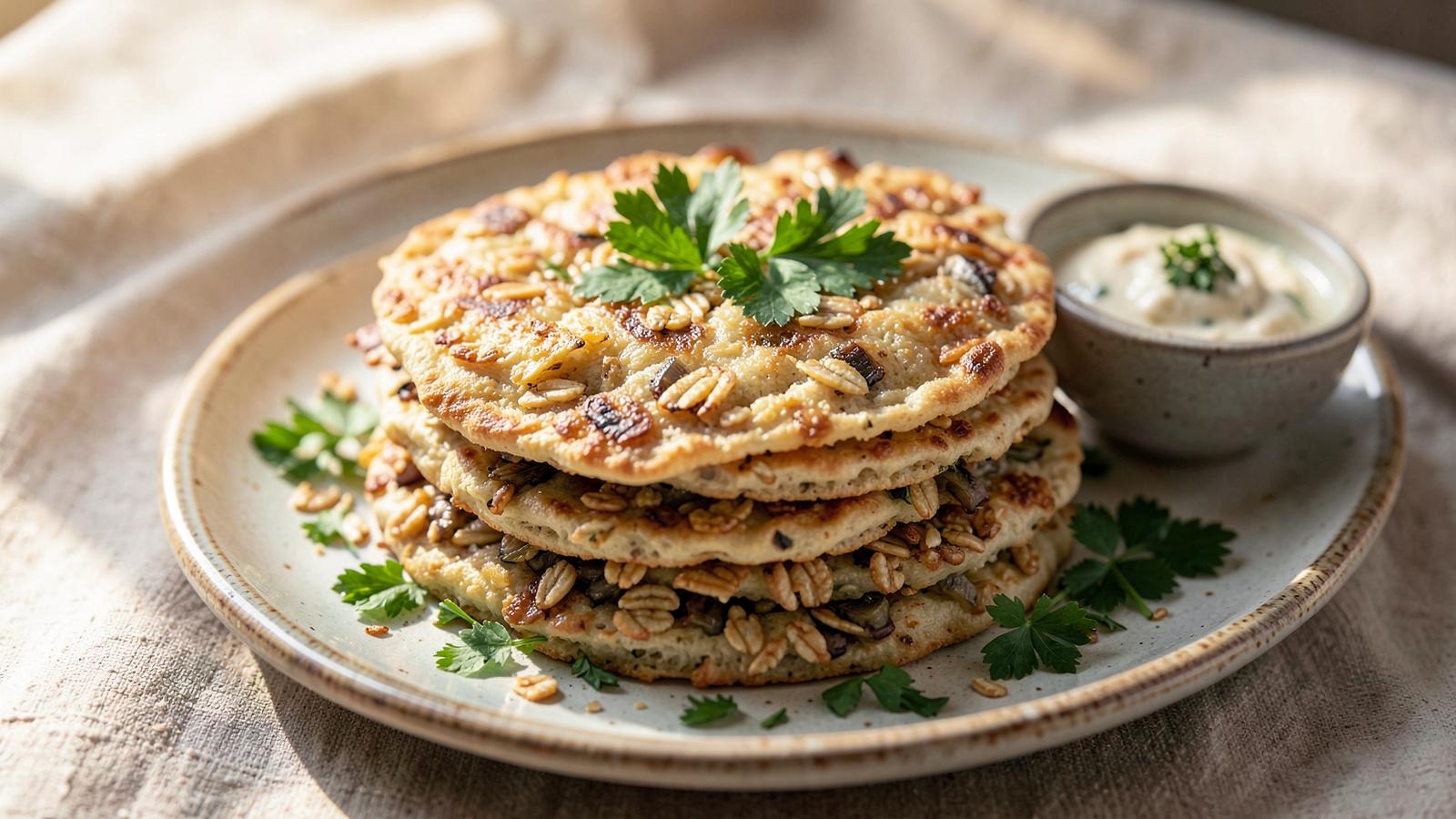
Quick pan-cooked oat and onion flatbreads with yoghurt, egg and herbs — soft inside, golden at the edges and perfect for soups or dips.

They are often called the "powerhouses of the cell," but mitochondria are far more than miniature batteries. They sense, signal, divide, fuse, recycle and help decide how a cell responds to stress.
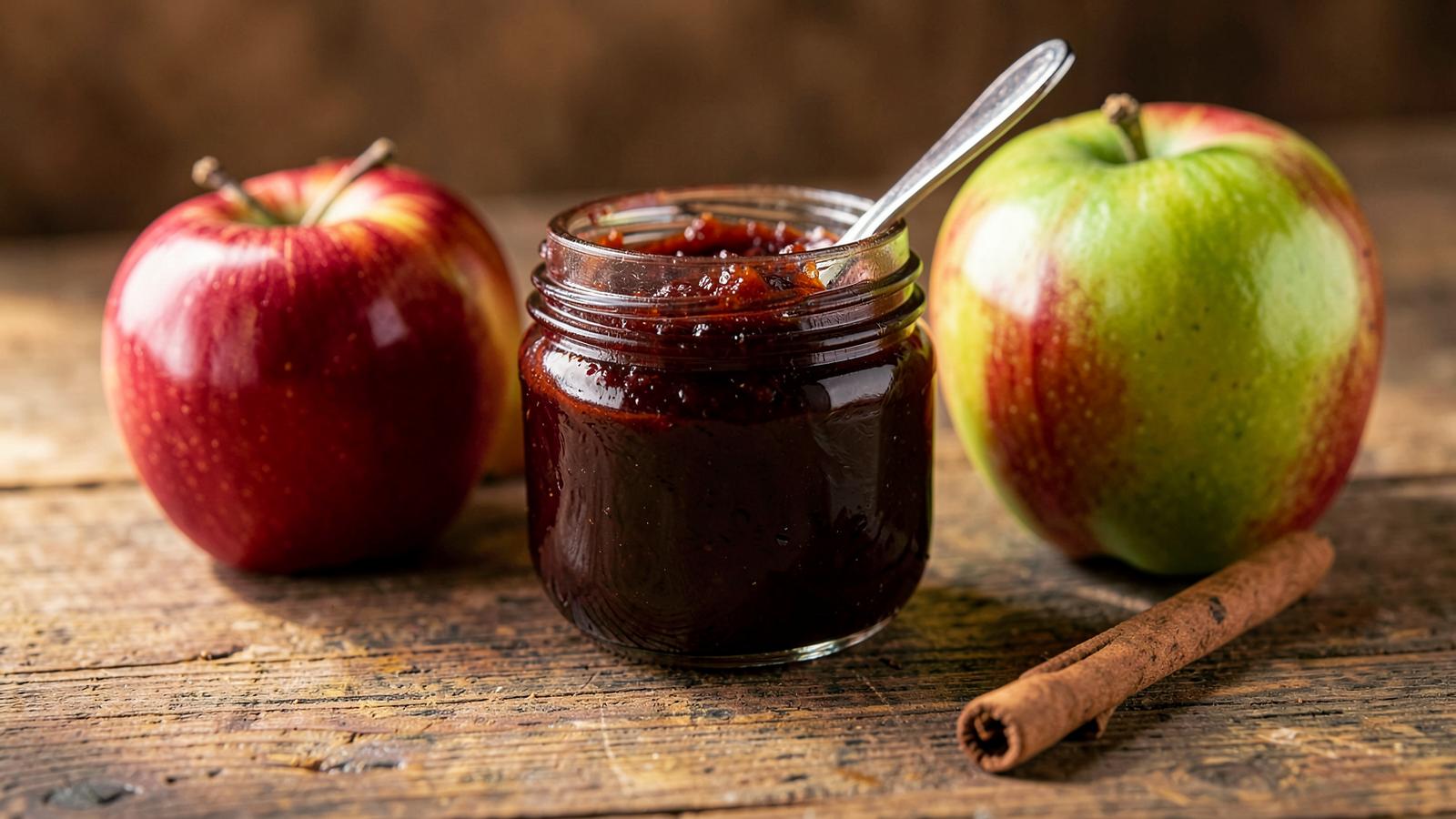
Apple butter is made by cooking apples slowly until concentrated, dark and glossy. Cinnamon, lemon and time do the rest.

Eating vegetables and protein before carbohydrates may change the glucose response after a meal. What the studies show, and how much it really matters.

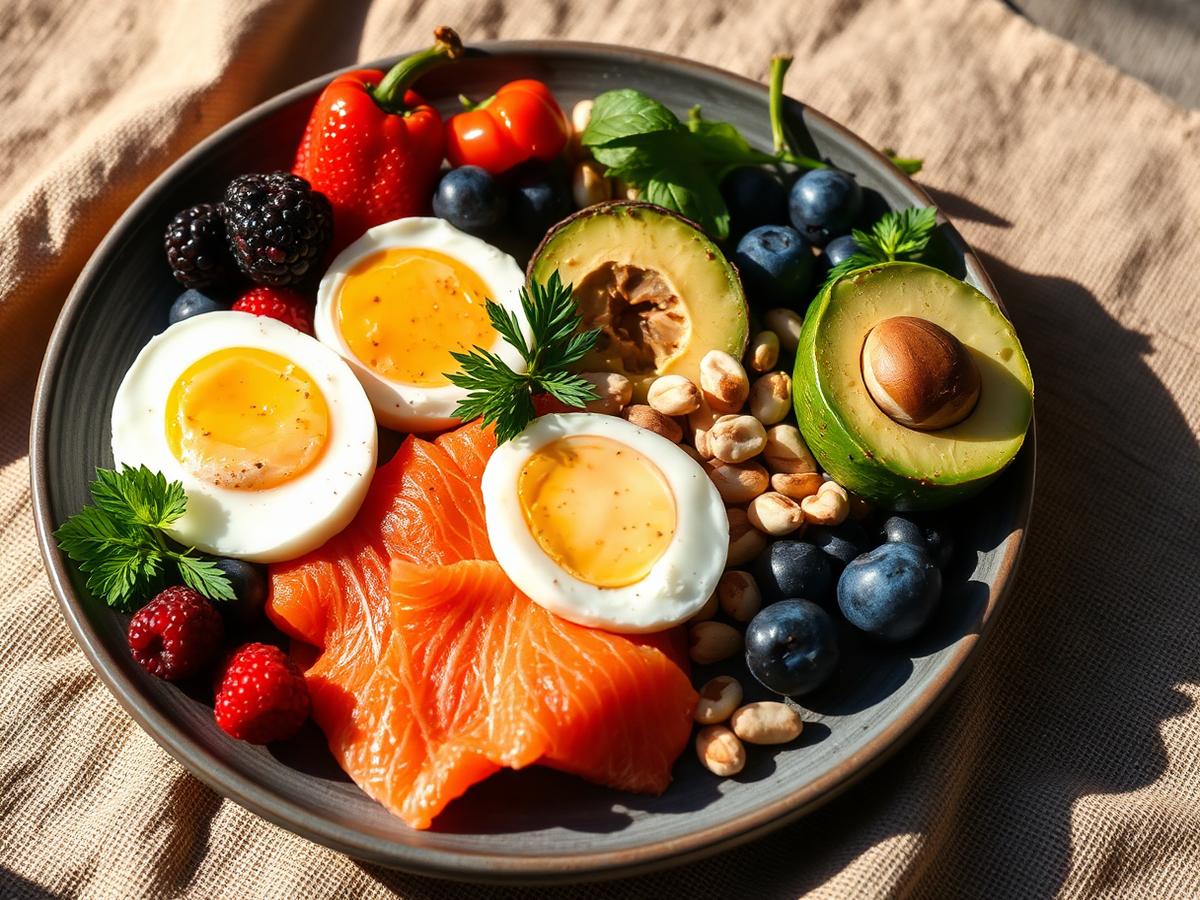
Your body makes its own collagen, and it needs ordinary nutrients to do it. What a genuinely supportive plate looks like, beyond the supplement aisle.

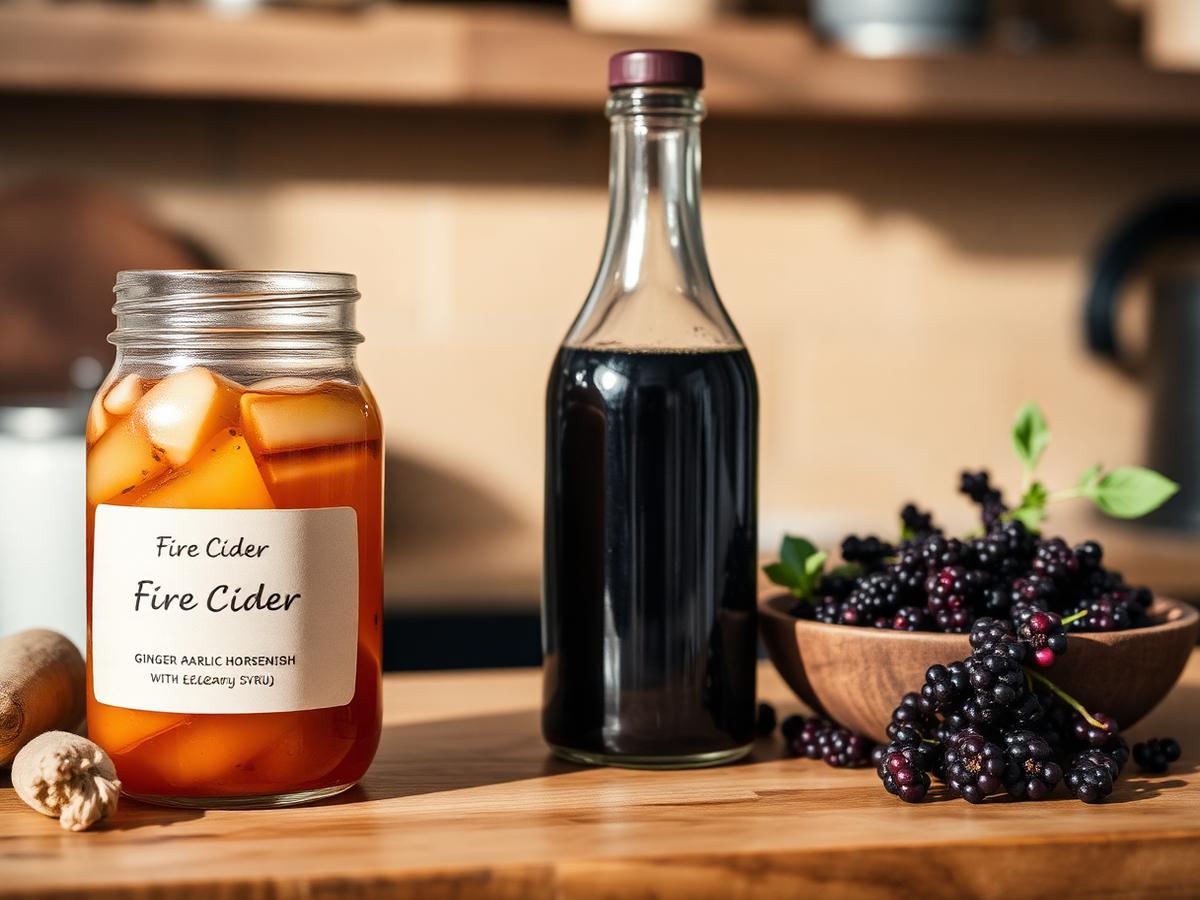
One is a spicy vinegar infusion, the other a cooked fruit syrup. Two very different winter preparations, and why the difference matters.

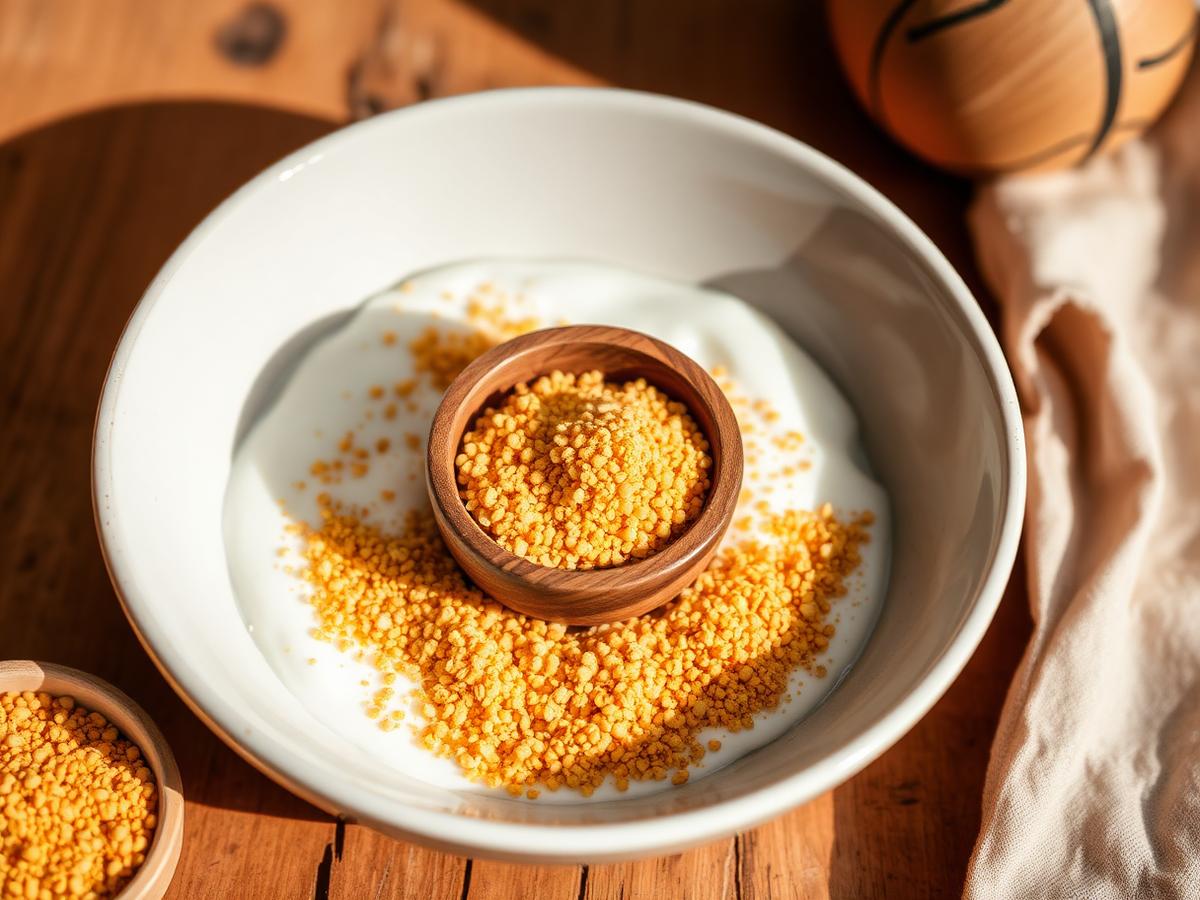
Bee pollen is genuinely nutrient-dense and genuinely variable. A calm look at what it contains, what it cannot replace, and who should be careful.

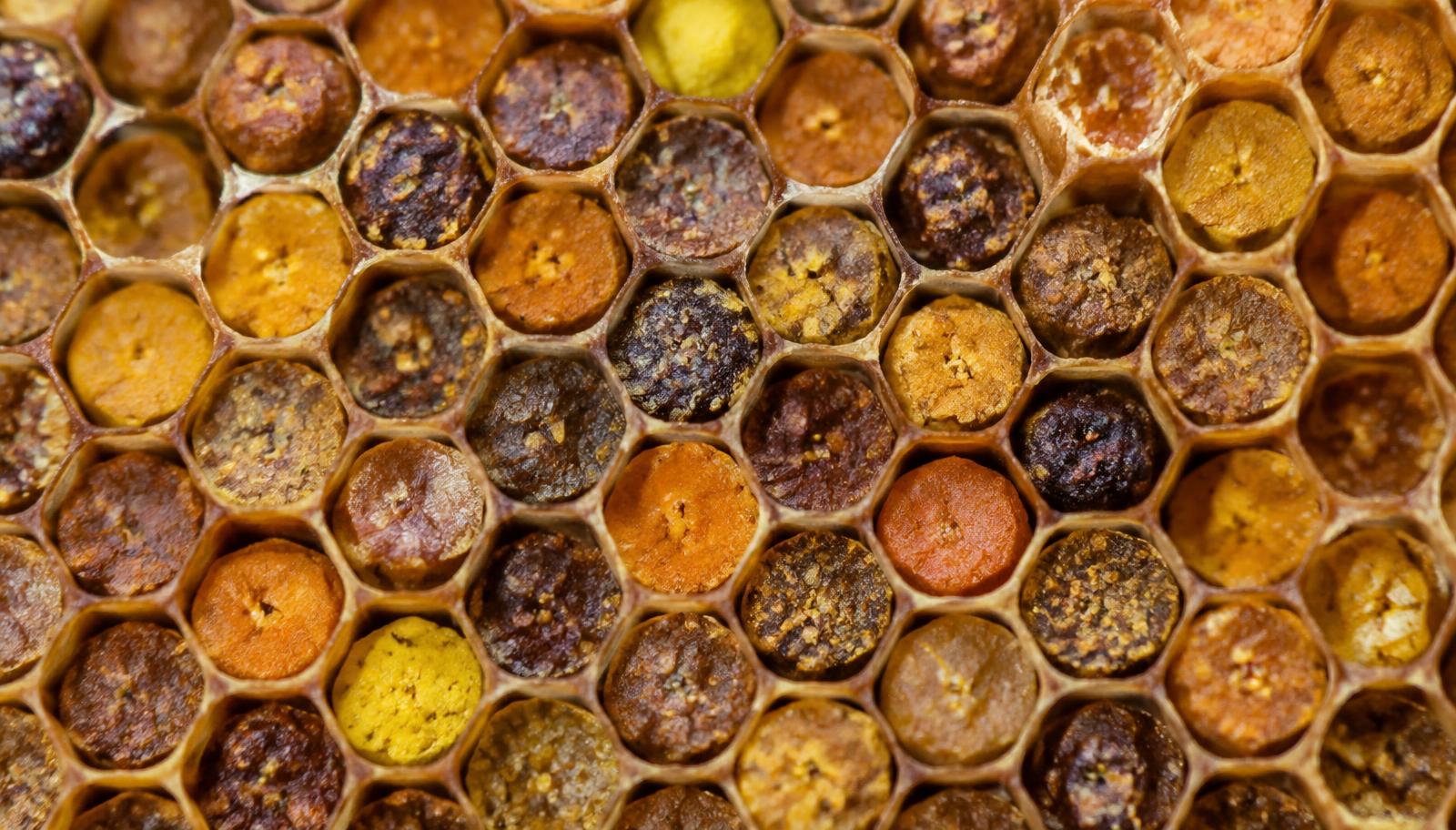
Perga is pollen stored in honeycomb and transformed by microbial and enzymatic activity. Fermentation, it turns out, was never a human invention.

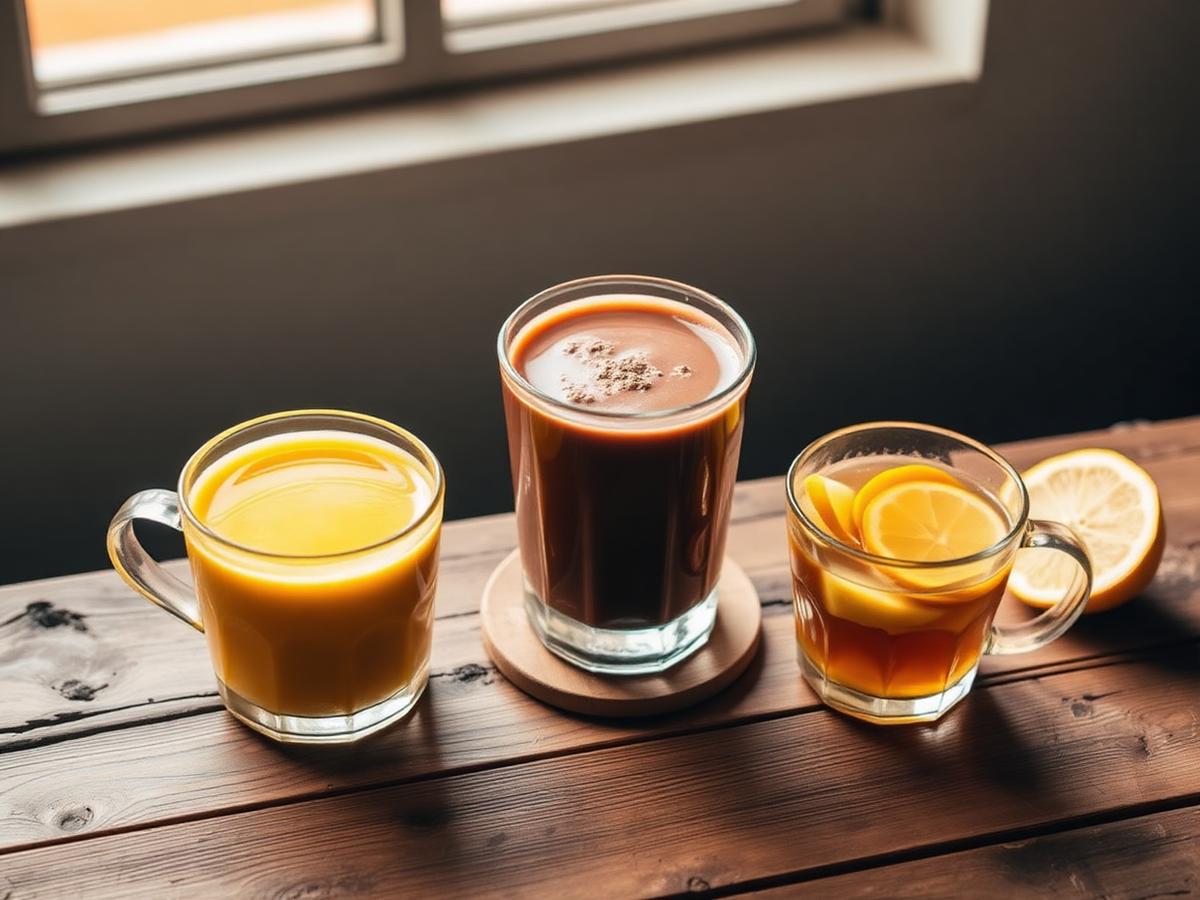
Golden ginger milk, cocoa maca and a ginger lemon infusion. Three simple winter rituals that need no health claims to be worth making.

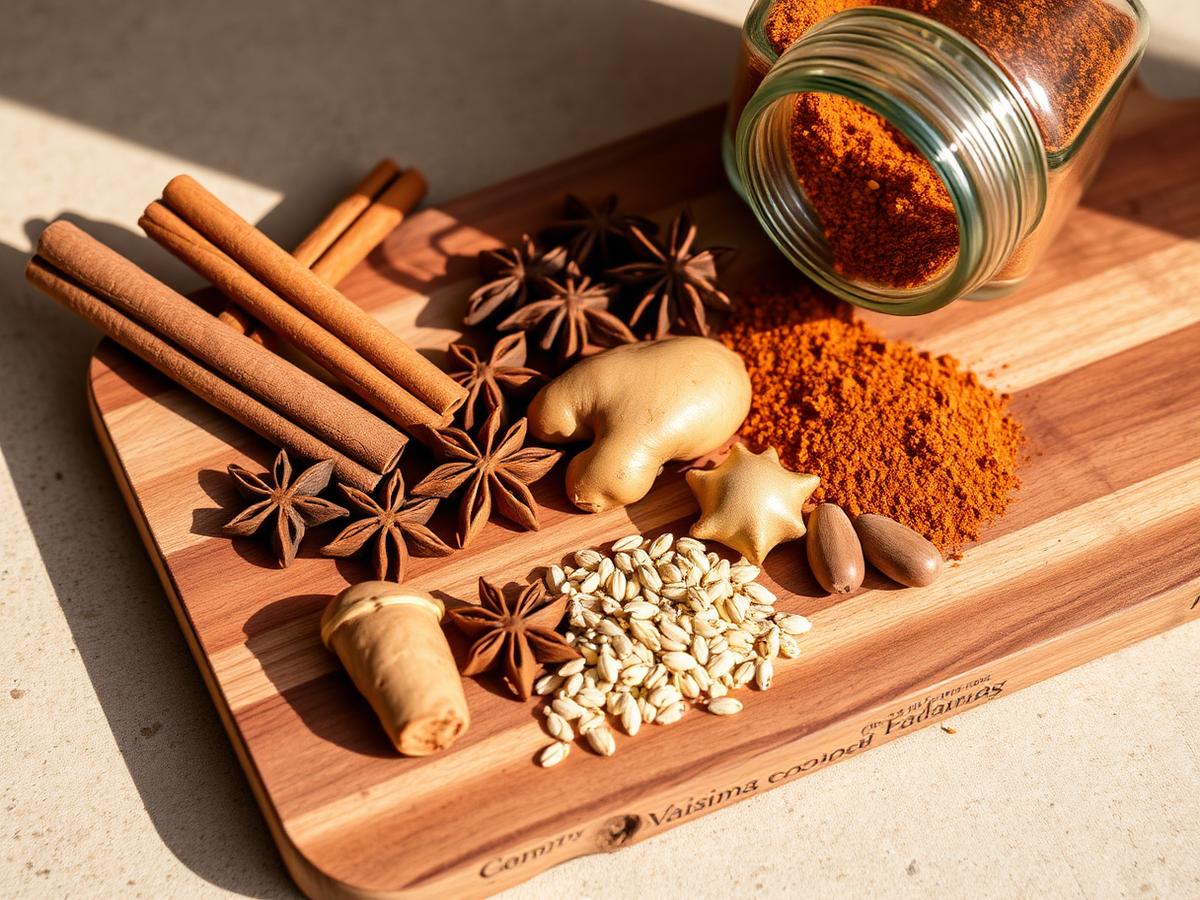
Cinnamon, ginger, cloves, nutmeg and cardamom deserve more than one month a year. A blend to mix, and a dozen everyday ways to use it.

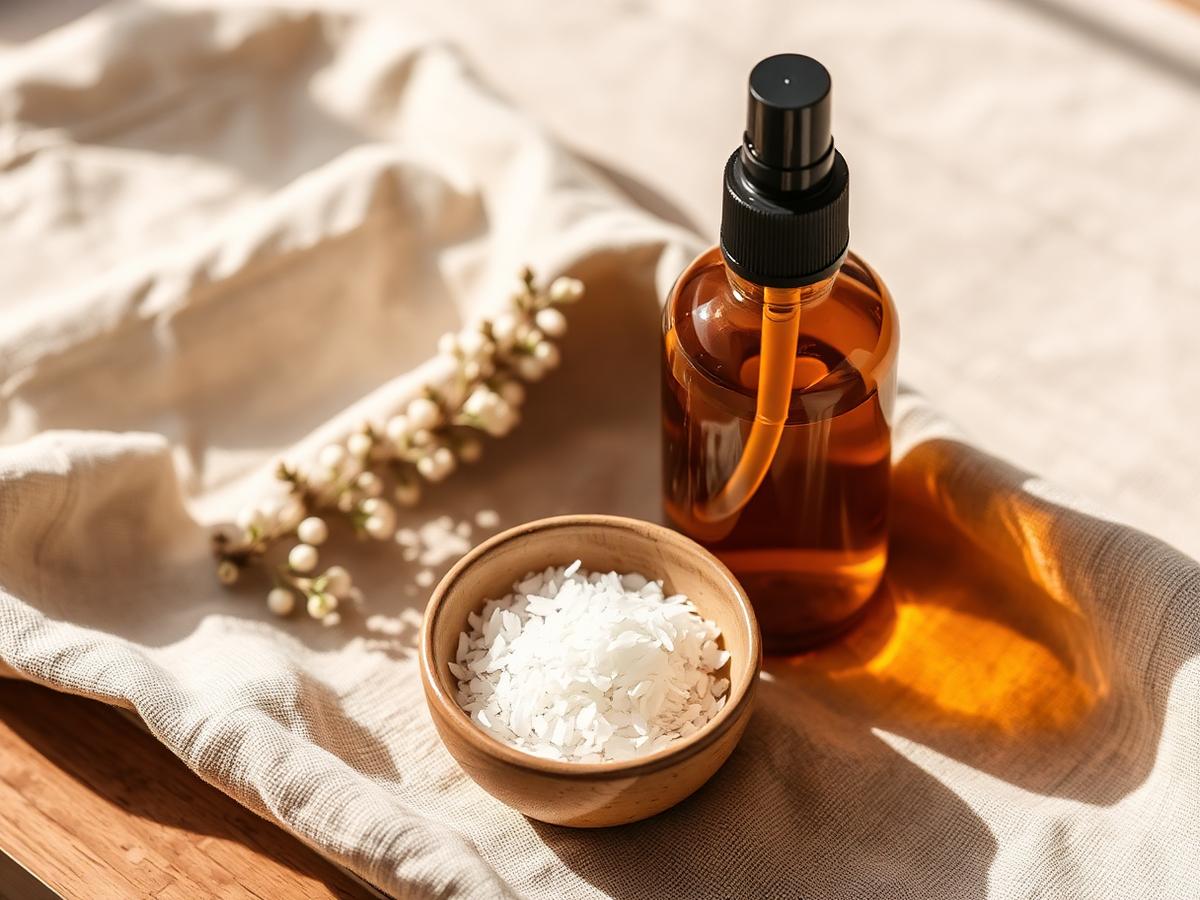
Magnesium oil is a concentrated magnesium chloride solution, not an oil at all. What it is, how to make it, and what the evidence does and does not show.

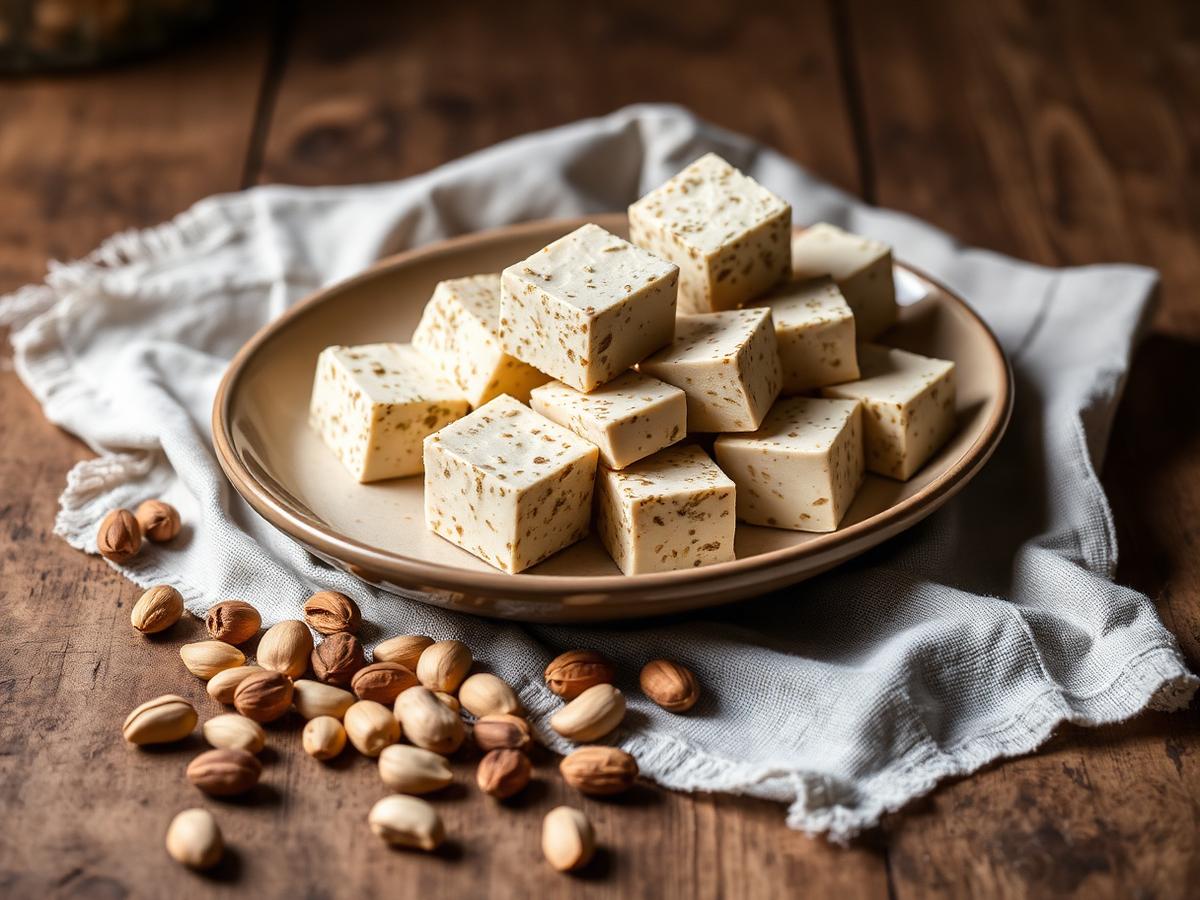
An experimental, soya-free block inspired by tofu-making: pistachios and cashews soaked, blended and set into something entirely its own. Contains nuts.

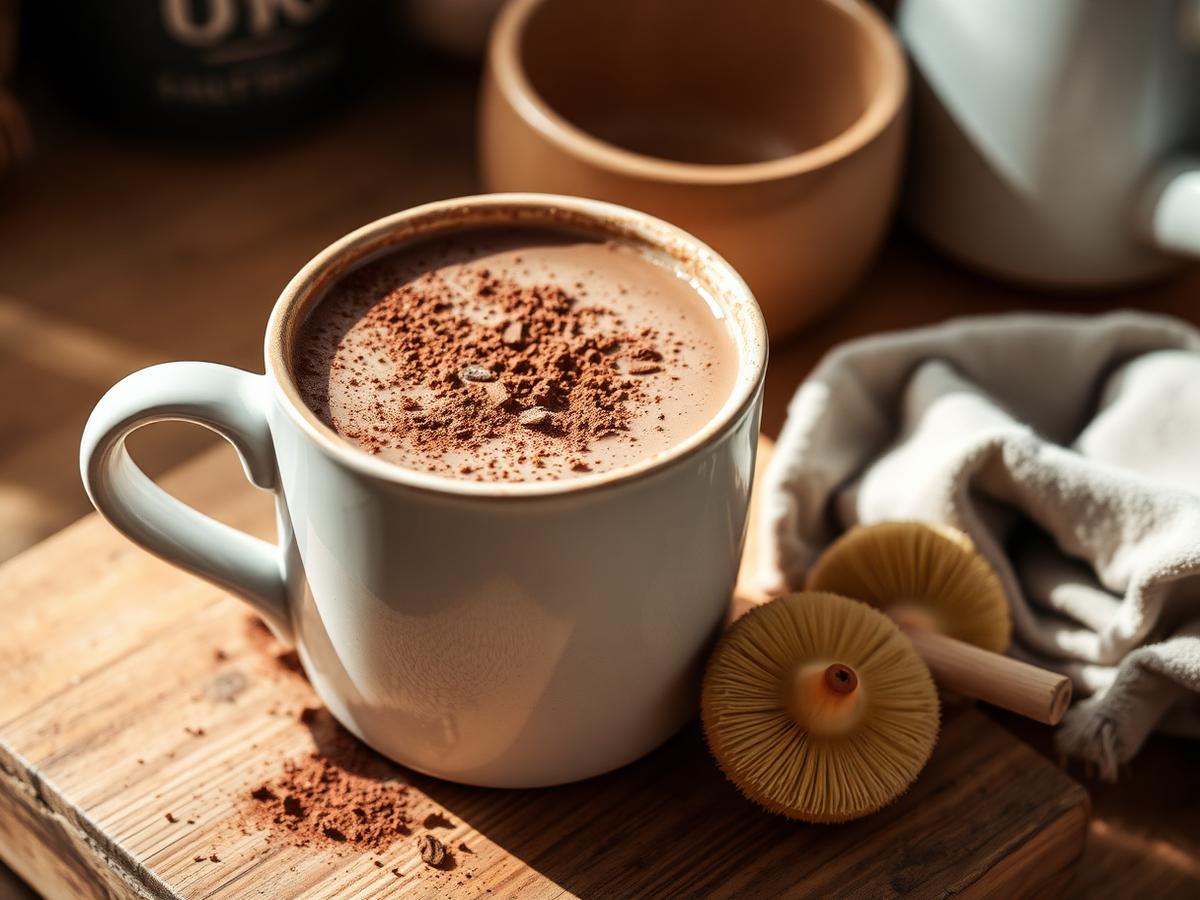
A warming cocoa with lion's mane powder, cinnamon and very little sweetness. What the research is actually looking at, and how to make it taste good.

Glutamate, guanylate and the synergy effect: why two quiet ingredients together taste far more savoury than either one alone.

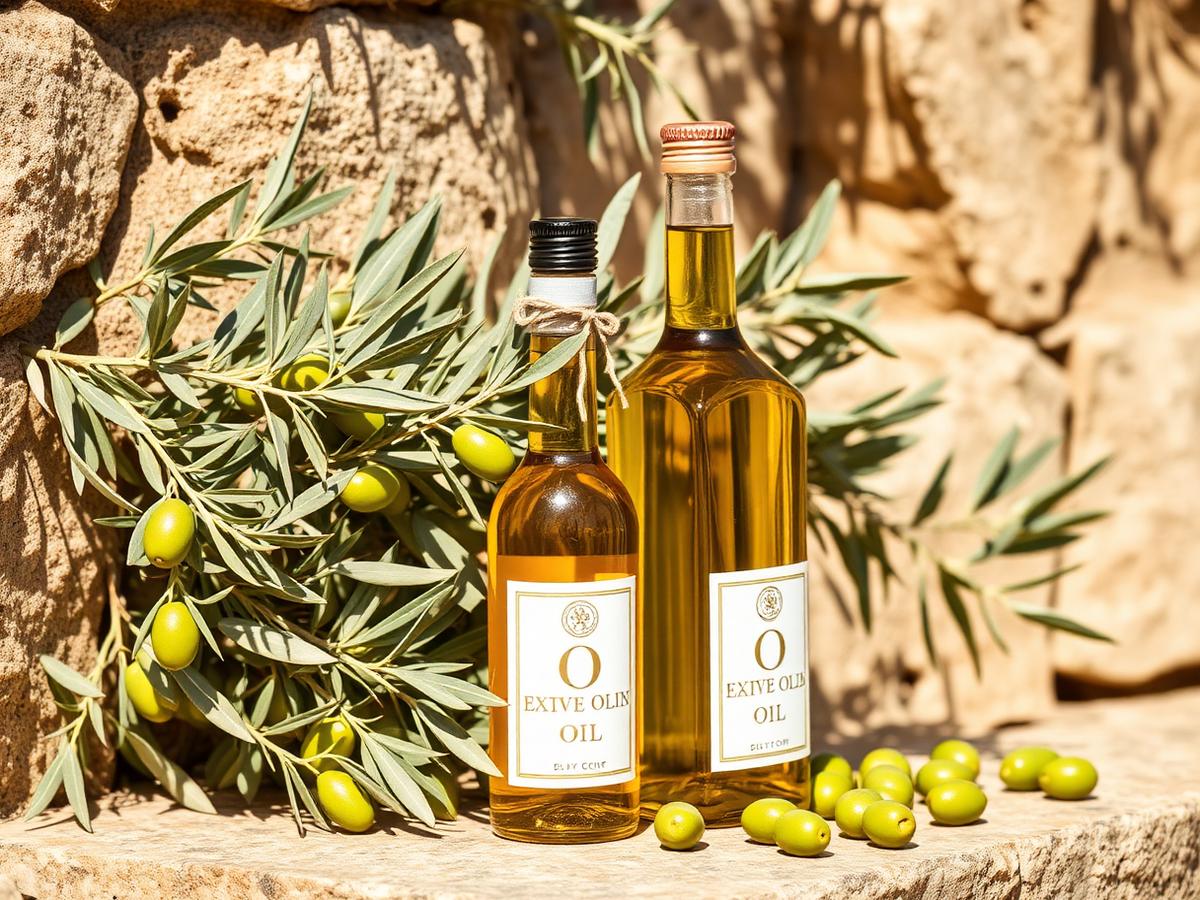
Olive oil labels confuse almost everybody. Here is what each grade means, how they are produced, and what actually matters when you buy a bottle.

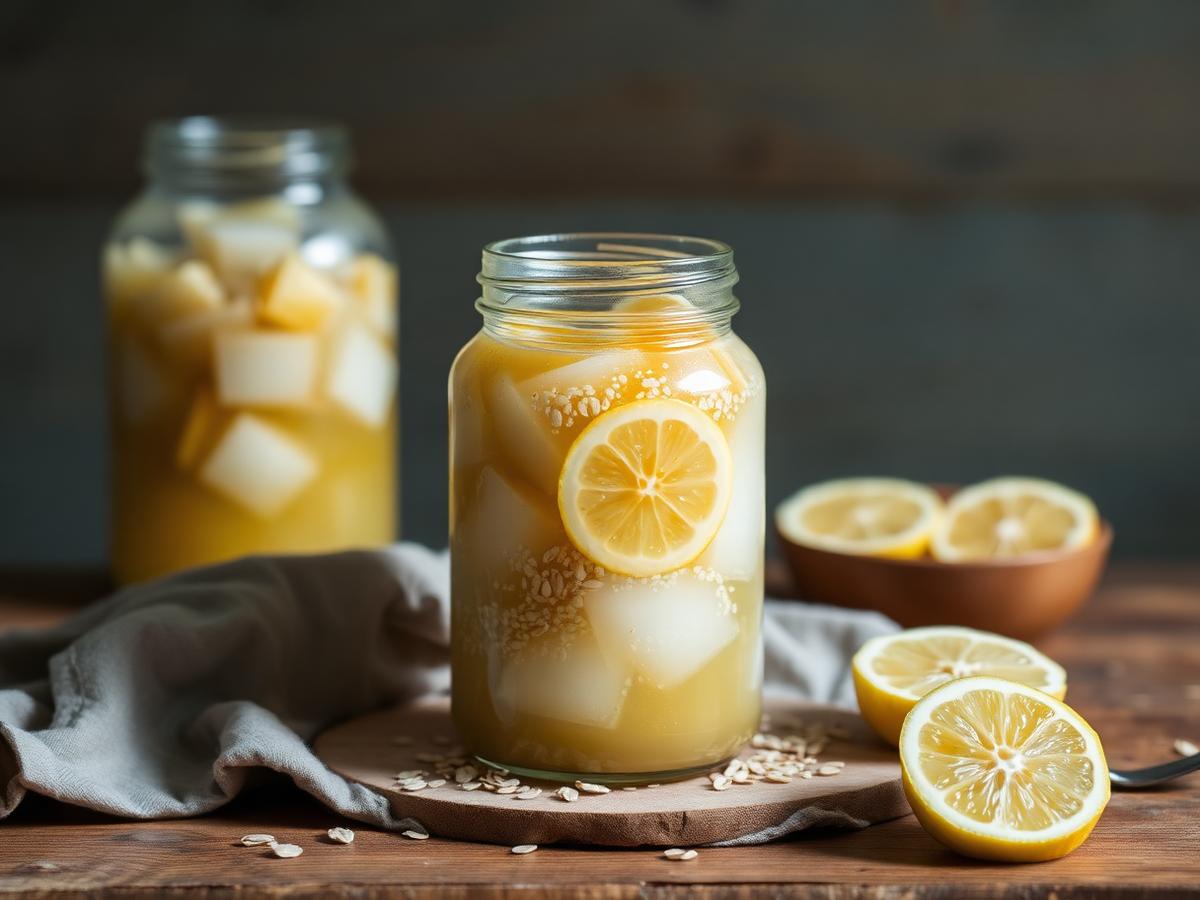
Gently sour, faintly sweet and lightly fizzy: how to make a kvass-style oat ferment at home, and how to tell a good one from a bad one.

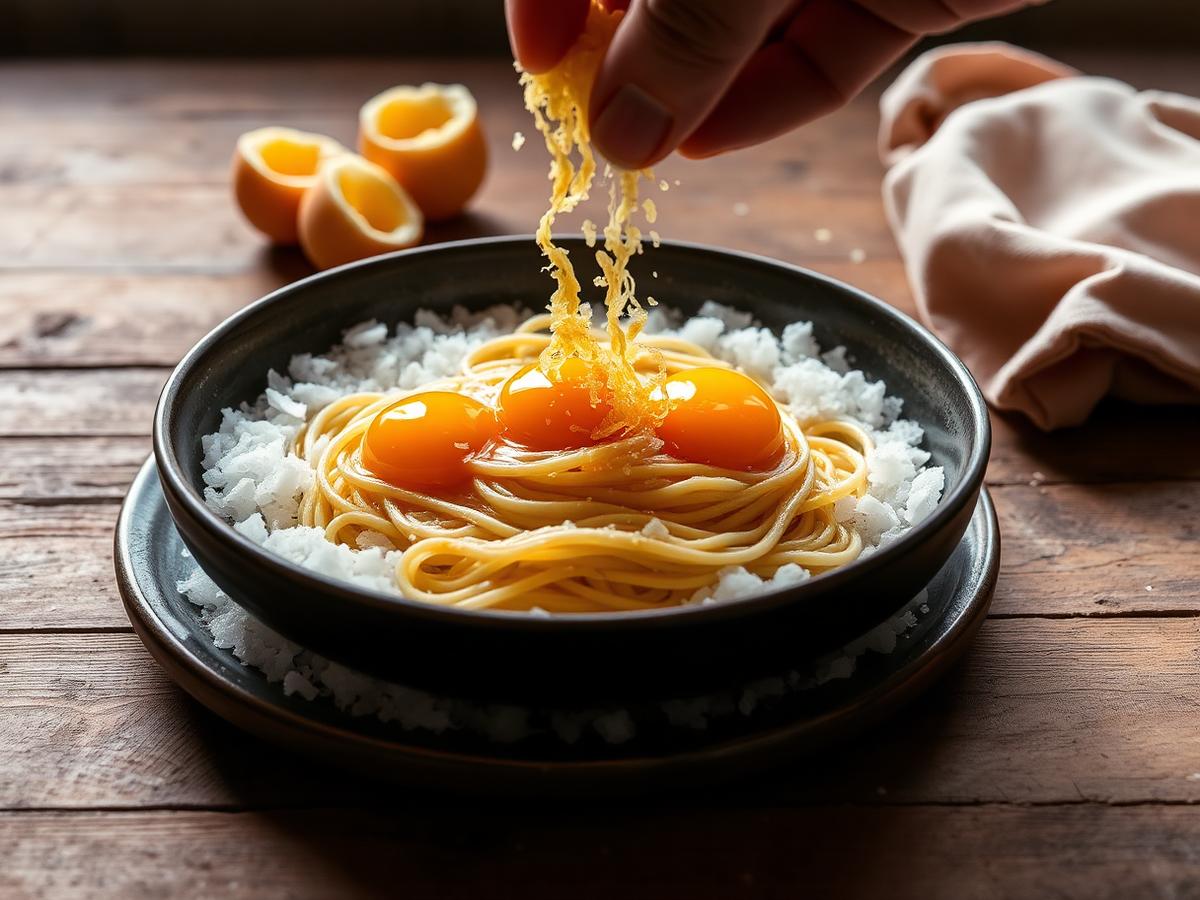
Salt draws water out of a fresh yolk until it is firm enough to grate. One of the simplest demonstrations of preservation changing texture entirely.

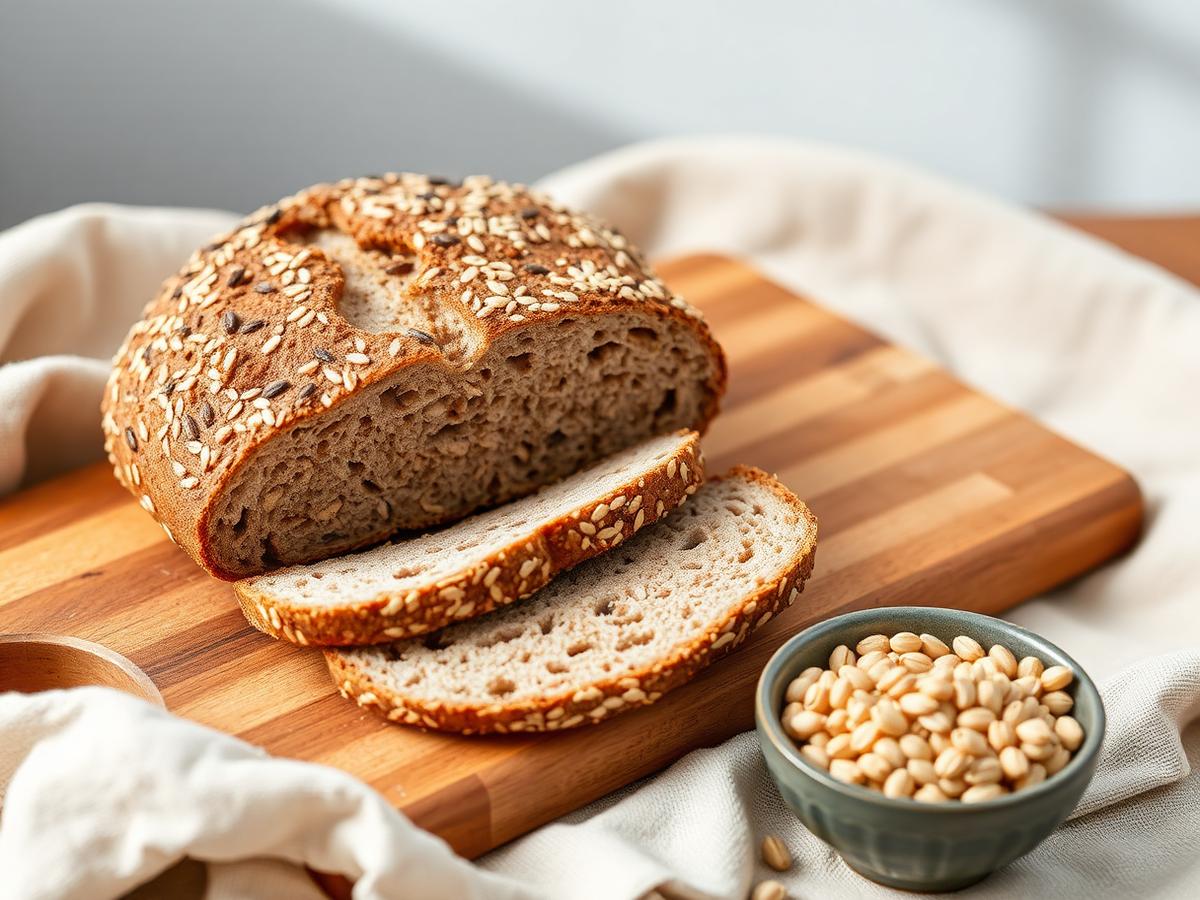
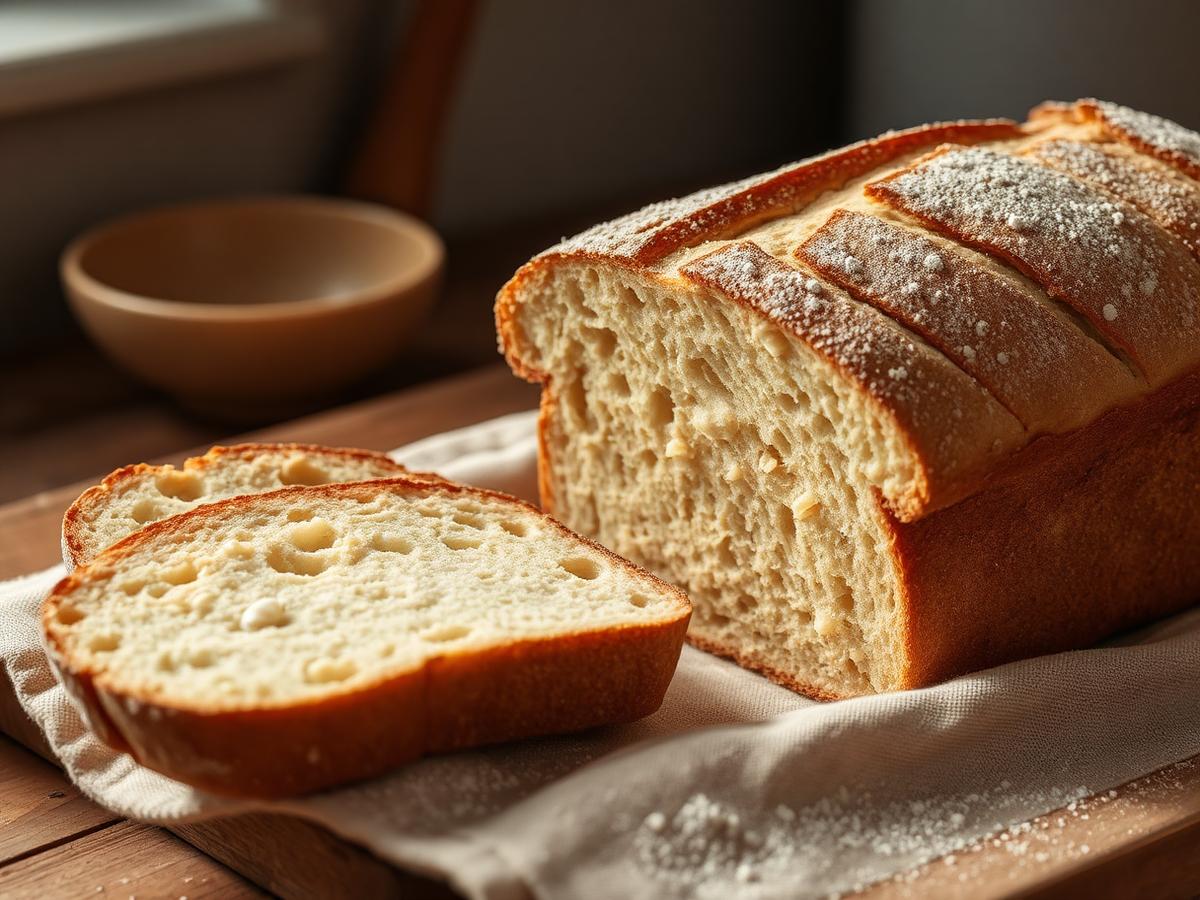
Germination wakes up a grain's enzymes and rewrites its starches. Here's what actually happens, and a reliable loaf to bake with the result.

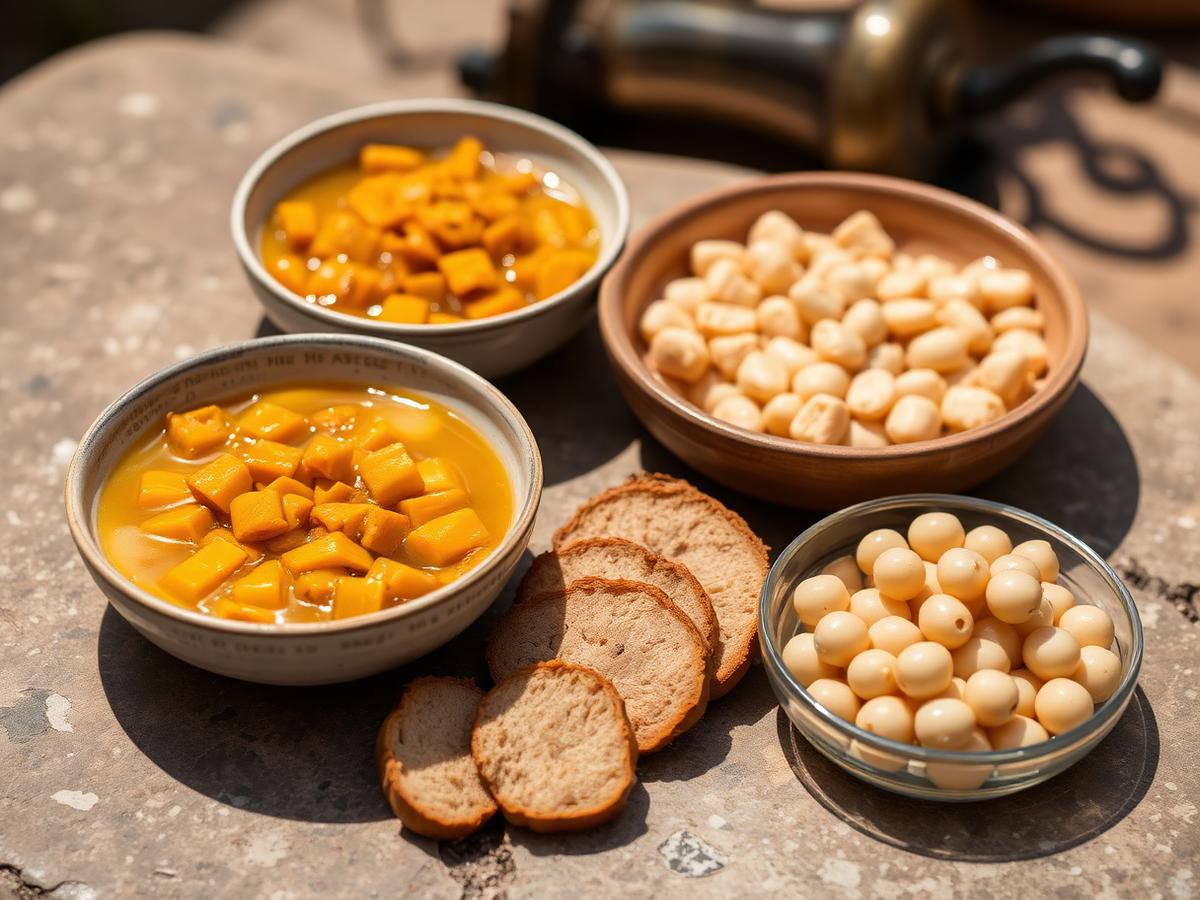
The same bean, three microorganisms, three completely different foods. A clear guide to how natto, tempeh and brined soybeans diverge.

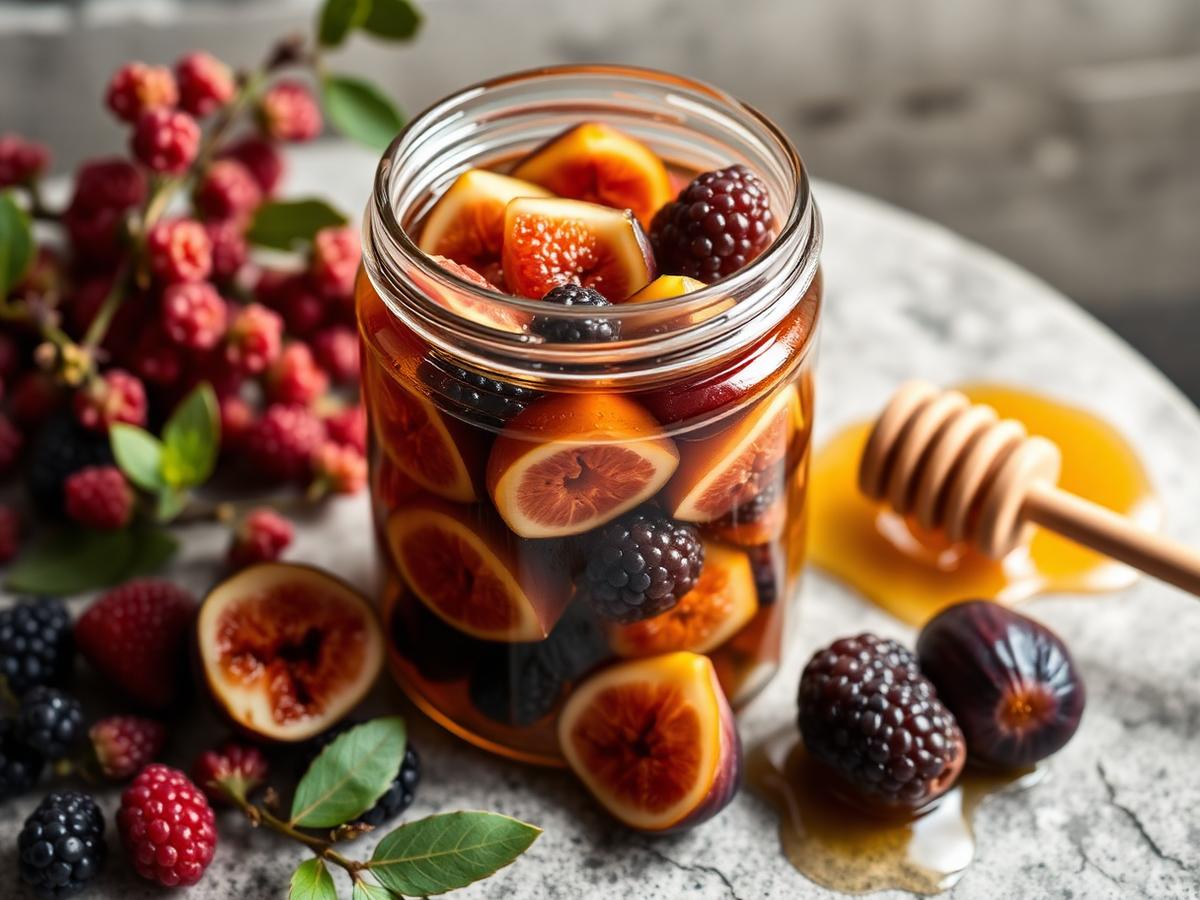
Fruit macerated in honey is one of the oldest ideas in the kitchen. Here's what honey really does, what it doesn't, and how to do it safely today.

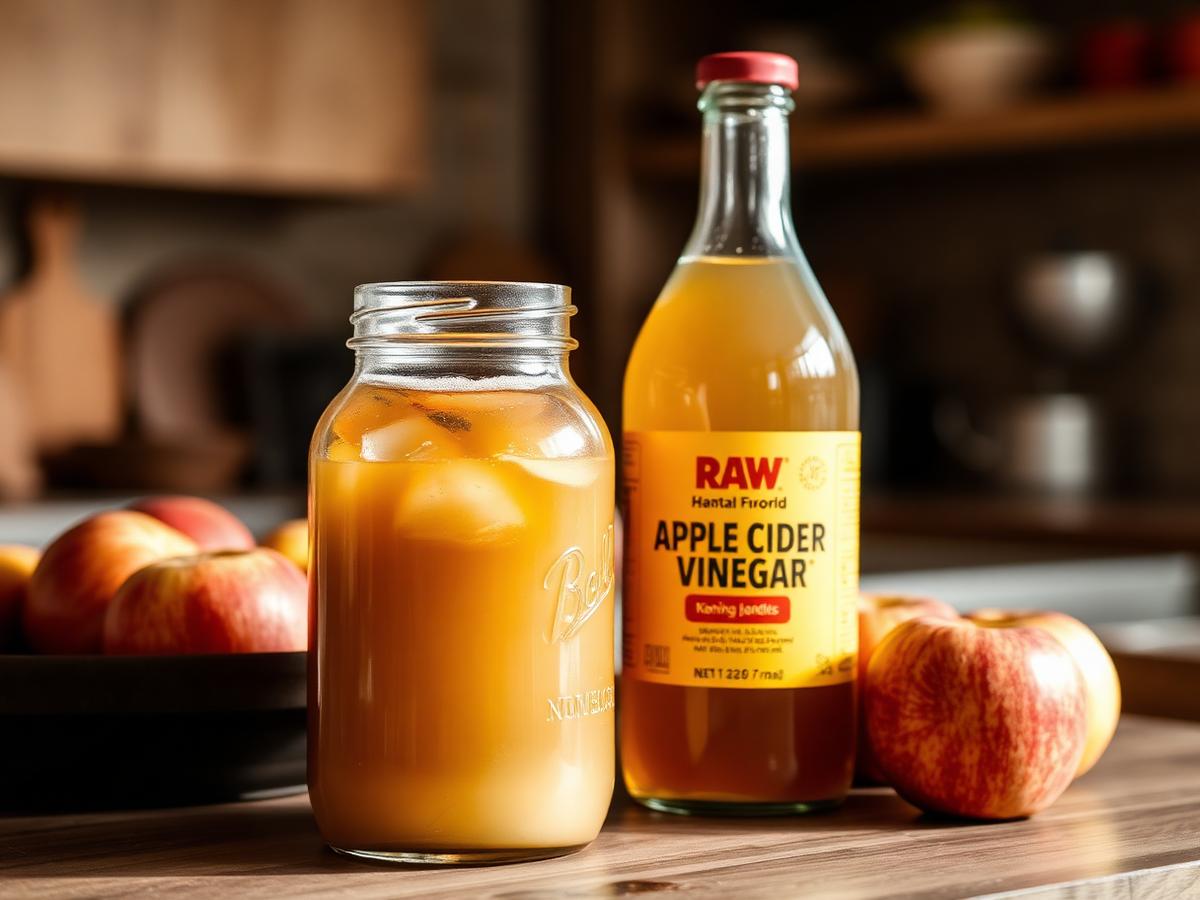
They appear in the same wellness conversations, but kombucha and apple cider vinegar are made differently, taste differently and are not interchangeable.

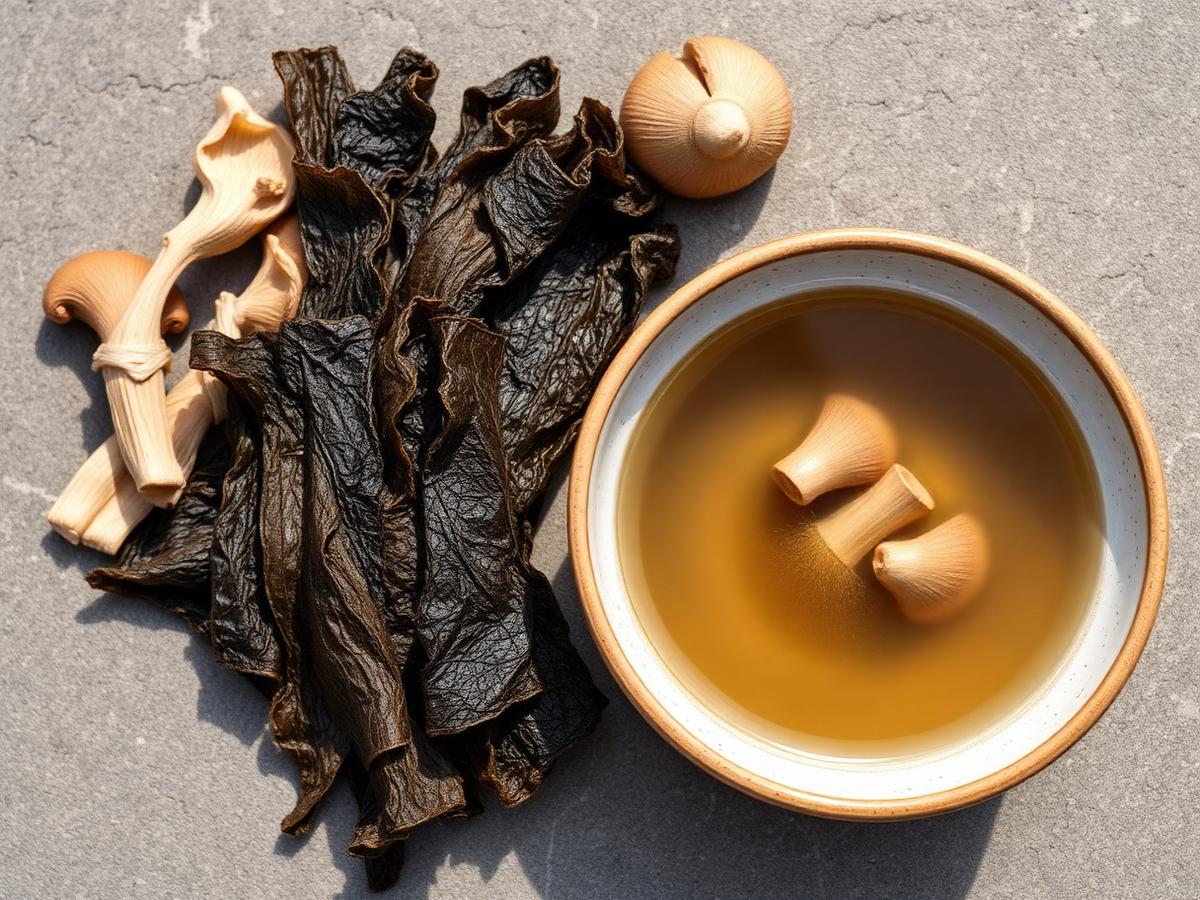
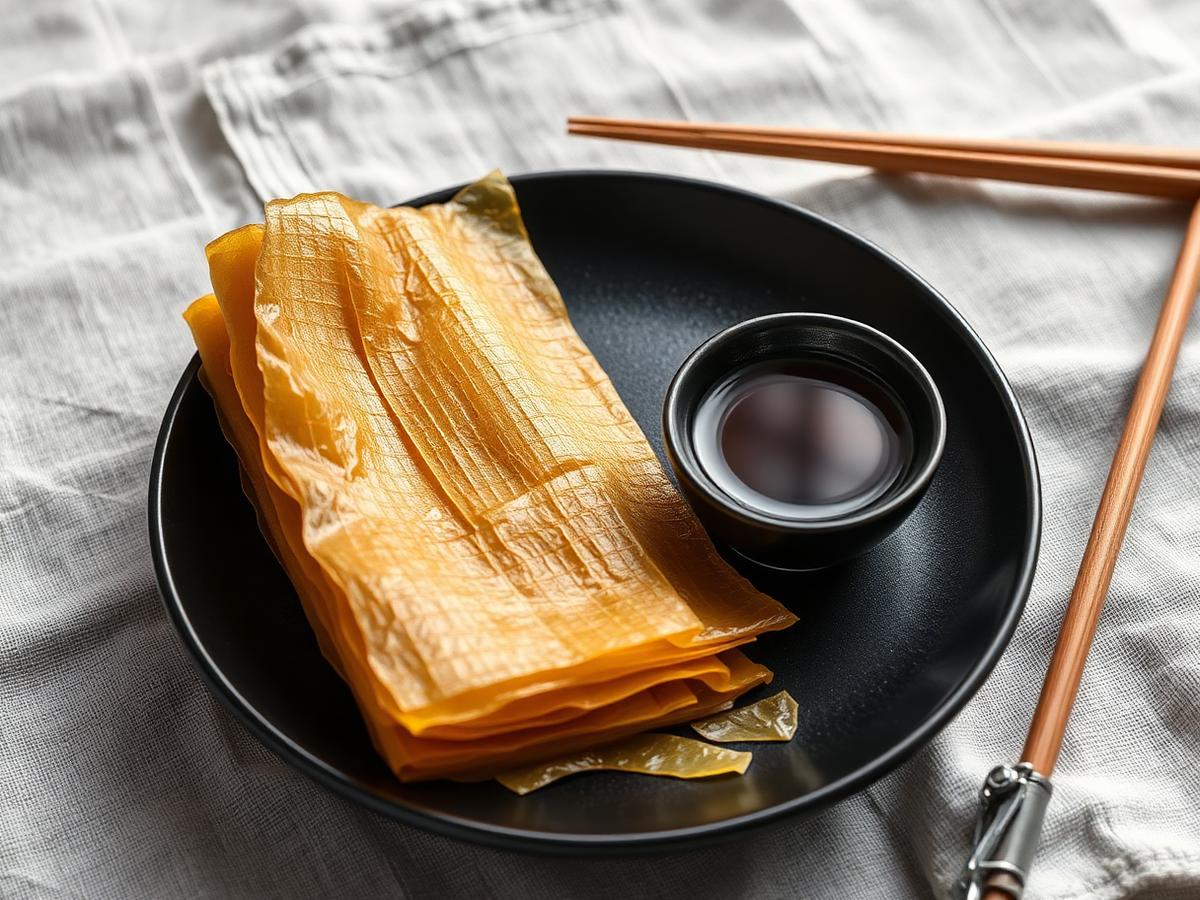
A beginner's guide to the sea kelp behind dashi: what it is, how to use it, how to store it, and why more is not better.

Cooked potato holds water beautifully, and a sourdough loaf that includes it stays tender for days. A traditional trick, with a working ratio to start from.

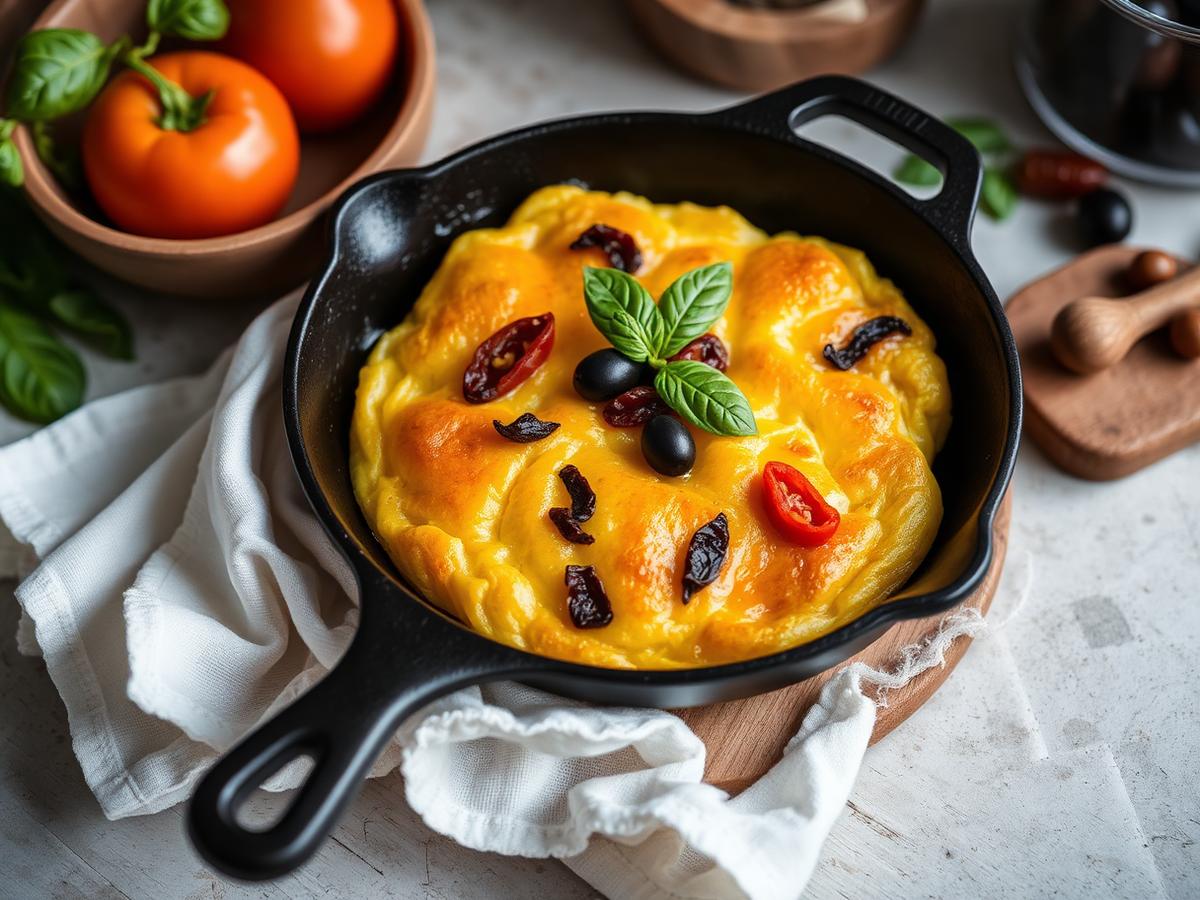
Whipped egg whites, a pinch of salt and a handful of Mediterranean flavours make a light, protein-rich skillet bread you can slice into a sandwich.

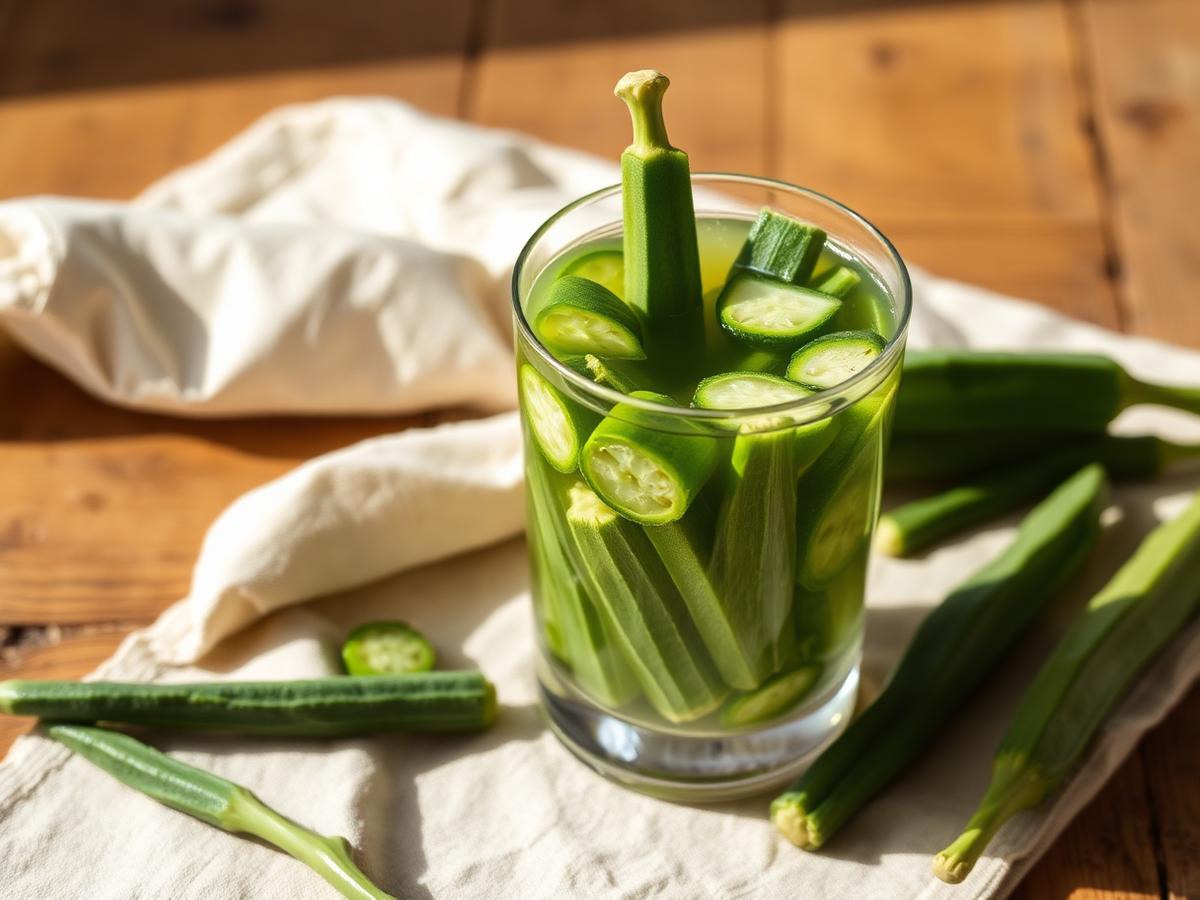
Okra water is a simple homemade drink built on plant mucilage rather than a miracle ingredient. Here is what it is, how to make it, and what it can honestly offer.

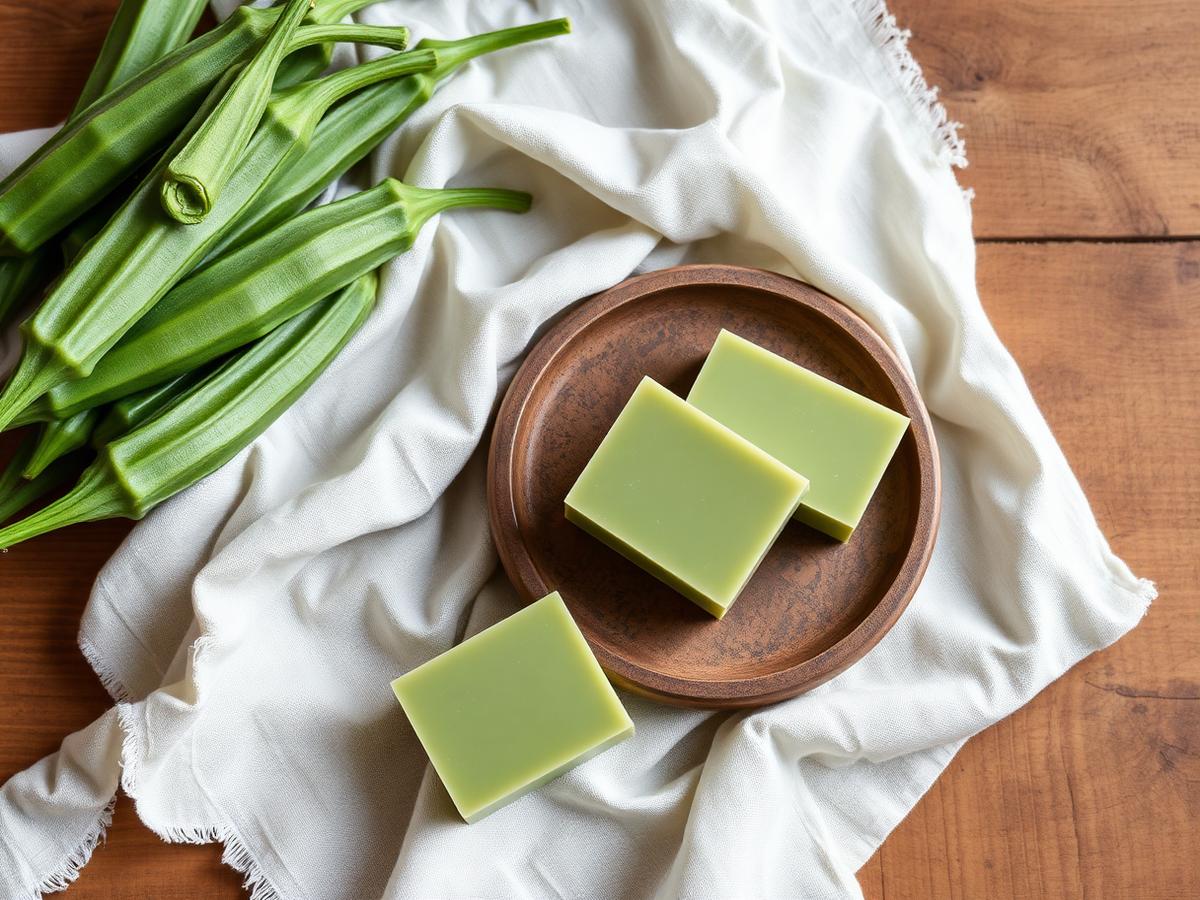
Okra's famous sliminess is a mucilage — and mucilage is genuinely interesting to soap makers. An exploratory guide, with two very different methods.

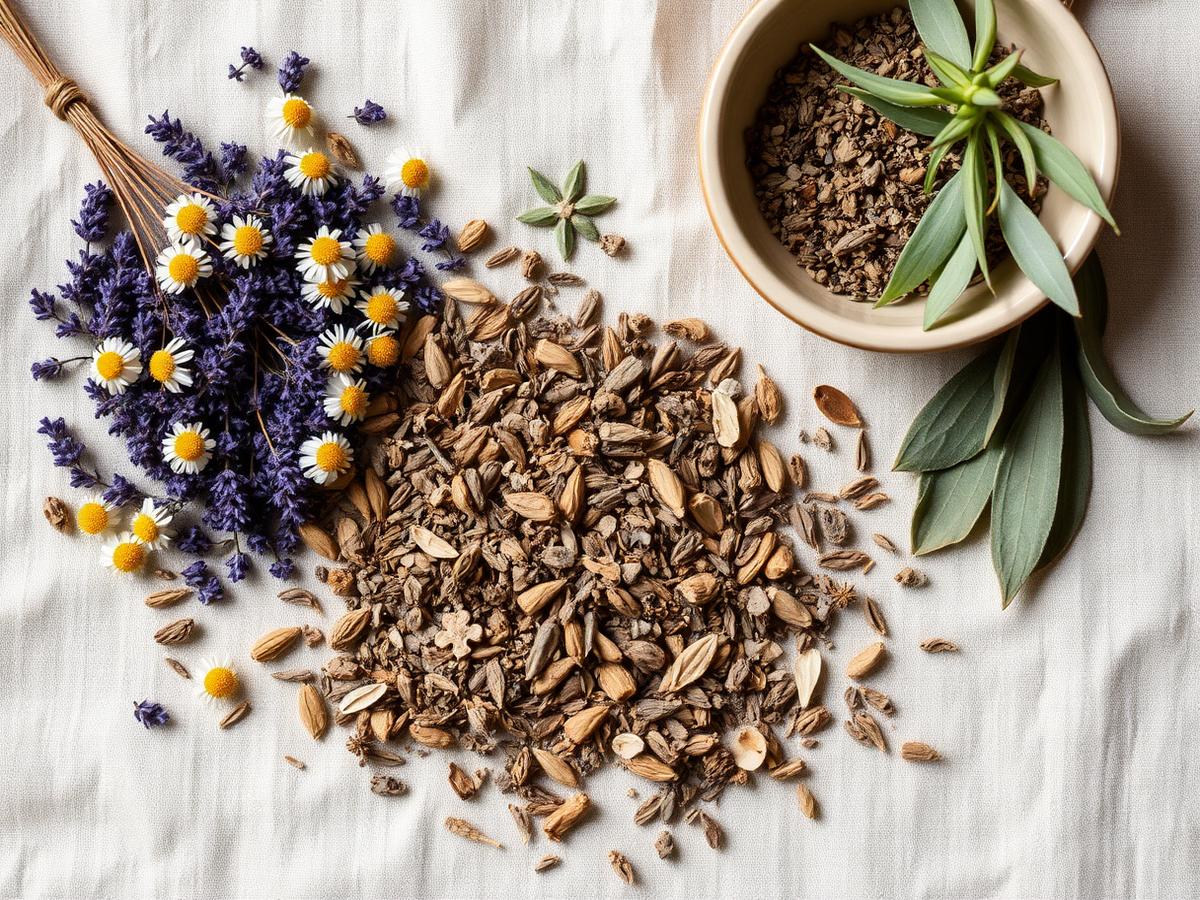
A simple three-herb infusion that helps the nervous system downshift before sleep — plus what the research actually says about each plant.

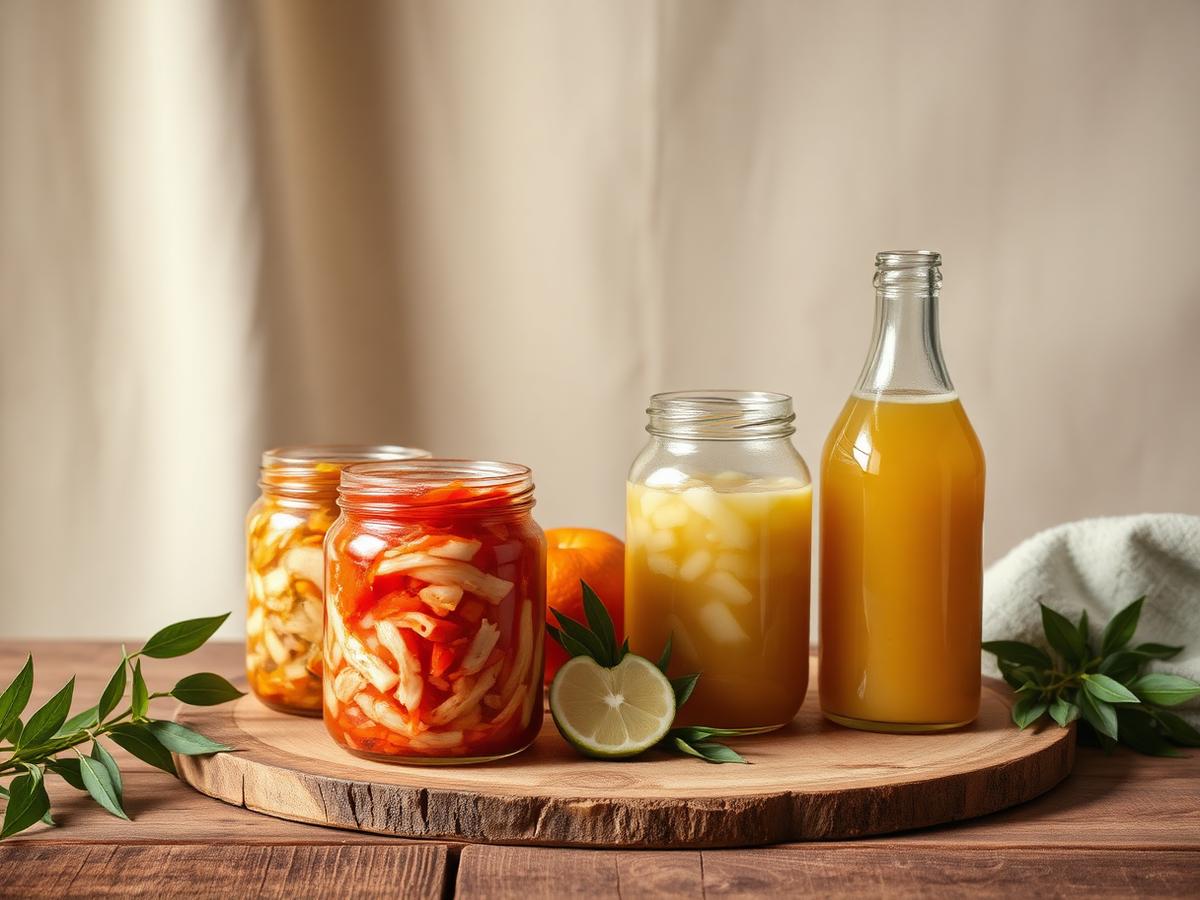
Cabbage, salt and patience. Everything you need to make your first successful ferment — and how to know it's going right.

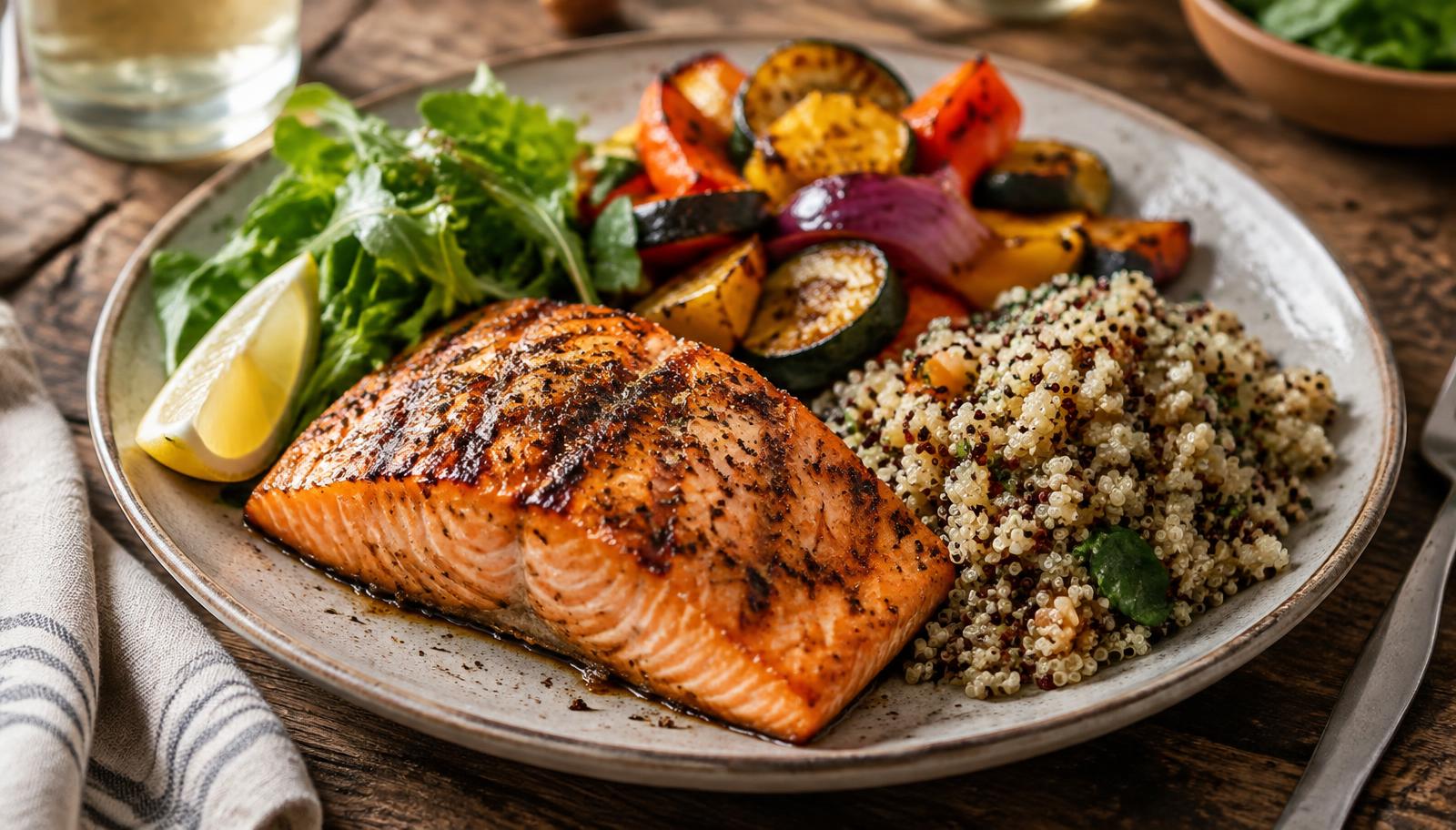
A practical framework for assembling bowls with 30g+ of protein, no gluten, and enough fibre to keep energy steady.

A gentle botanical oil for dry or reactive skin, with honest notes on shelf life, patch testing and what not to put on your face.

A short, repeatable sequence of breath, light and one written line — designed for people who don't have a spare hour.

Ashwagandha, rhodiola, reishi — separating the tradition, the evidence and the marketing.

Why wellness routines collapse in week three, and a gentler system for building ones that don't.