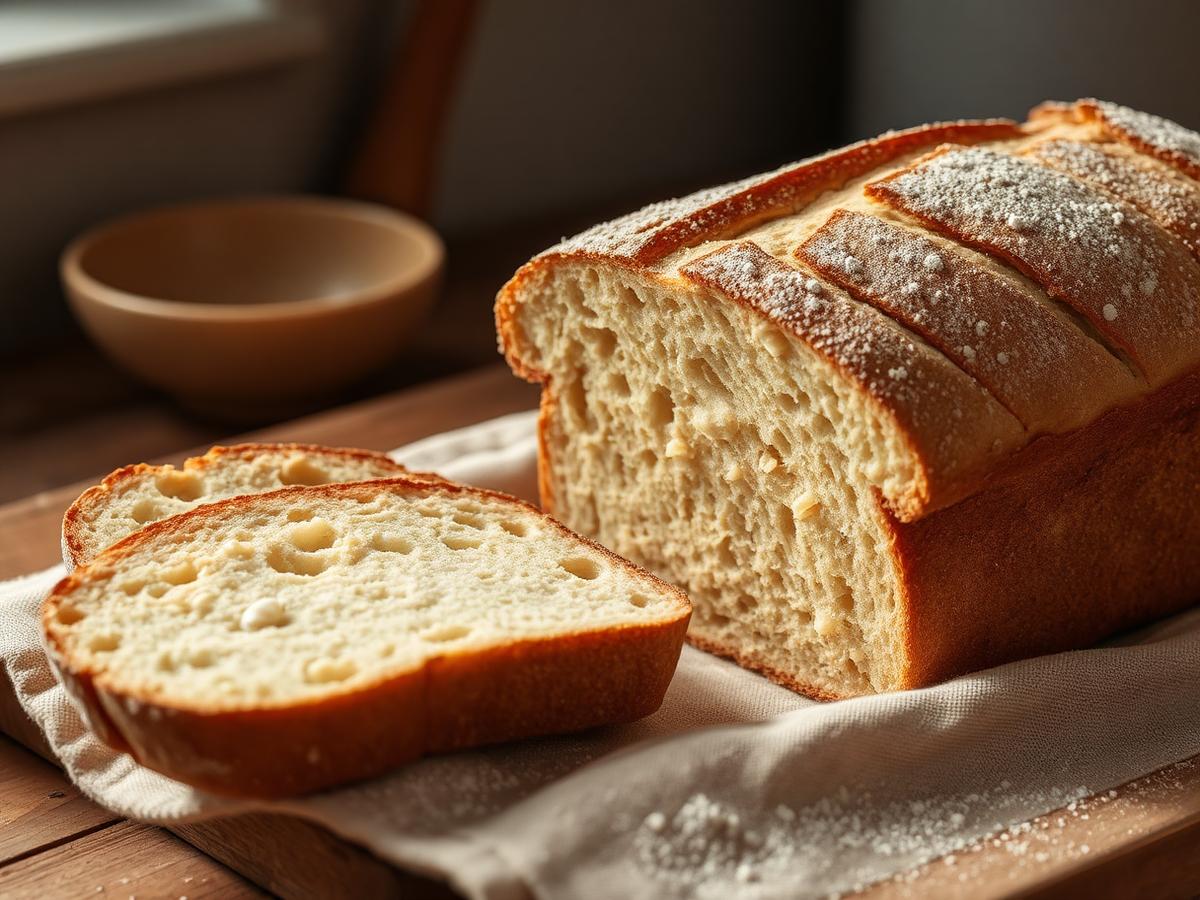
Cooked potato holds water beautifully, and a sourdough loaf that includes it stays tender for days. A traditional trick, with a working ratio to start from.
Potatoes and sourdough sound like an odd pairing until you have tasted the result. Then it becomes difficult to go back.
This is not a novelty. Bakers have added cooked potato to bread for centuries, particularly in kitchens where flour was expensive and potatoes were not, and the technique survives because it genuinely works.
What potato does in a dough
When potato is boiled, its starch granules absorb water and swell in a process called gelatinisation. Those swollen granules hold on to moisture far more stubbornly than raw flour starch does.
Worked into a sourdough, that trapped water stays in the crumb through baking and for days afterwards. The loaf feels softer, springier and less prone to the dry, crumbly stage that lean breads reach by day two.
Potato also contributes a small amount of extra sugar for the fermentation, and a faintly sweet, rounded flavour that suits sandwich loaves particularly well.
Why it is not a shortcut to leavening
It is worth being clear about the division of labour. The starter still does all the lifting: wild yeasts produce carbon dioxide, and lactic-acid bacteria develop acidity, flavour and dough strength.
Potato is a texture ingredient. It will not rescue a sluggish starter, shorten a bulk ferment or compensate for under-proofed dough. If your loaf was flat before, adding potato will simply give you a moister flat loaf.
Treat it, in other words, as an upgrade to a working method rather than a repair for a broken one.
Getting the ratio right
A good starting point is 15-20% cooked potato relative to flour weight — roughly 100 g of mashed potato to 400 g of flour. Beyond about 25%, the dough becomes slack and the crumb can turn gummy.
Use plain boiled potato, cooled, with no butter, milk, salt or seasoning. Anything added to the mash changes the hydration and the fermentation in ways that are hard to predict.
Because the potato already carries water, start at the lower end of your usual hydration and add more only if the dough feels tight. Floury varieties such as Maris Piper or King Edward mash more smoothly than waxy ones.
Handling the dough
Expect a slightly stickier, slacker dough than you are used to. This is the potato holding water, and it is precisely what produces the tender crumb, so resist the urge to correct it with handfuls of extra flour.
Wet hands, a bench scraper and a series of gentle stretch-and-folds will build strength without fighting the dough. Shaping is easier straight from a cold overnight proof.
Bake hot and covered first so the loaf can spring, then uncovered to develop a deep crust. A well-coloured crust balances the softness inside.
Traditional context
Potato breads appear across northern and eastern Europe, in Irish and Scottish baking, and in American home baking traditions where potato water was saved from the cooking pot and used in the dough.
The motivation was practical: potatoes stretched expensive flour and kept bread edible for longer in households that baked once a week. The improvement in texture was a welcome side effect that eventually became the point.
There is no need to claim anything nutritional here. This is a texture and economy technique with a long, well-documented history, and that is reason enough to bake it.
Safety and storage
Cook the potato thoroughly and cool it before use, and refrigerate any leftover mash rather than leaving it at room temperature. Cooked potato left warm for hours is a well-known food-safety risk.
Bake the loaf until the interior is fully set; a soft, wet centre is a sign of under-baking rather than a feature of potato bread.
Cool completely before slicing, then store cut side down in a bread bin or paper bag. Plastic will soften the crust, and refrigeration will stale the crumb faster than the counter.
This bread contains gluten from wheat flour and is not suitable for anyone avoiding it.
Key takeaway
A modest amount of plain cooked potato turns a good sourdough into a loaf that is still worth eating on day three. Start at 15-20%, hold back a little water, and let the starter do everything else.
Recipe card
Recipe: Potato Sourdough Loaf
Ingredients
- 400 g strong bread flour
- 100 g plain cooked mashed potato, cooled and unseasoned
- 100 g active sourdough starter
- 240-270 g water
- 8-9 g fine salt
Method
- 1Mix the flour, potato, starter and most of the water until no dry flour remains. Rest for 30-45 minutes.
- 2Add the salt with the remaining water and work it through.
- 3Stretch and fold every 45 minutes, three or four times, then bulk ferment until visibly aerated and domed.
- 4Shape, place in a floured banneton and cold proof in the fridge overnight.
- 5Bake covered at 240C for 20 minutes, then uncovered at 220C for 20-25 minutes until deeply coloured.
Allergen information
Contains gluten (wheat).
Storage
Cool completely, then keep cut side down in a paper bag or bread bin for up to three days.
Ika's Realm notes
- Because cooked potato already carries water, start at the lower end of the water range and adjust on later bakes.
- Use plain boiled potato with no butter, milk or salt so you keep control of the dough.
Key takeaways
- Cooked potato adds moisture retention, not leavening.
- Begin with slightly less water than your usual recipe and adjust.
- 15-20% of flour weight is a reliable starting ratio.
- The payoff is a softer crumb that keeps better for a few days.
Enjoyed this?
Get the next one straight to your inbox.
Keep reading
Related articles
Explore more natural food, fermentation and wellness ideas from Ika’s Realm.
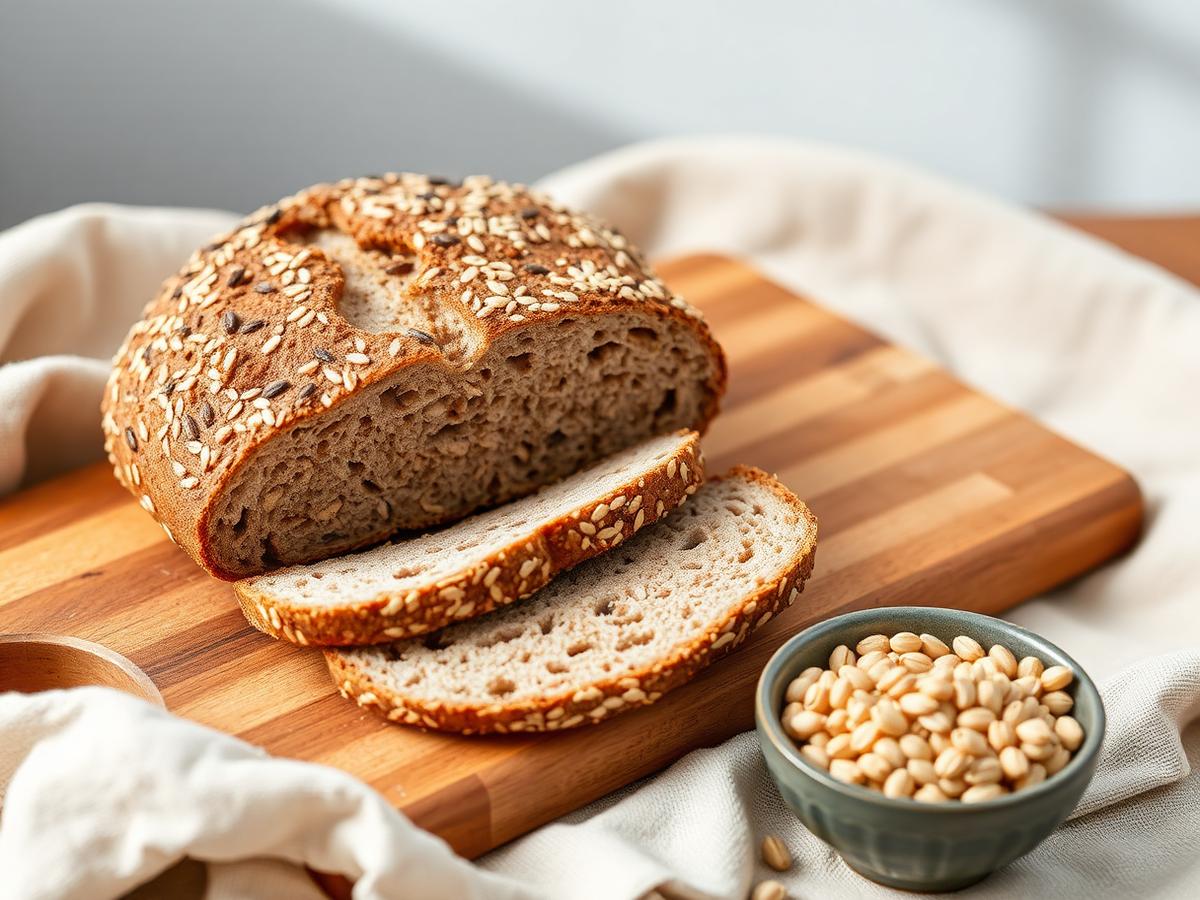
Sprouted Grain Bread — What Changes When a Seed Begins to Grow?
Germination wakes up a grain's enzymes and rewrites its starches. Here's what actually happens, and a reliable loaf to bake with the result.

Beginner's Sauerkraut: Two Ingredients, Endless Payoff
Cabbage, salt and patience. Everything you need to make your first successful ferment — and how to know it's going right.
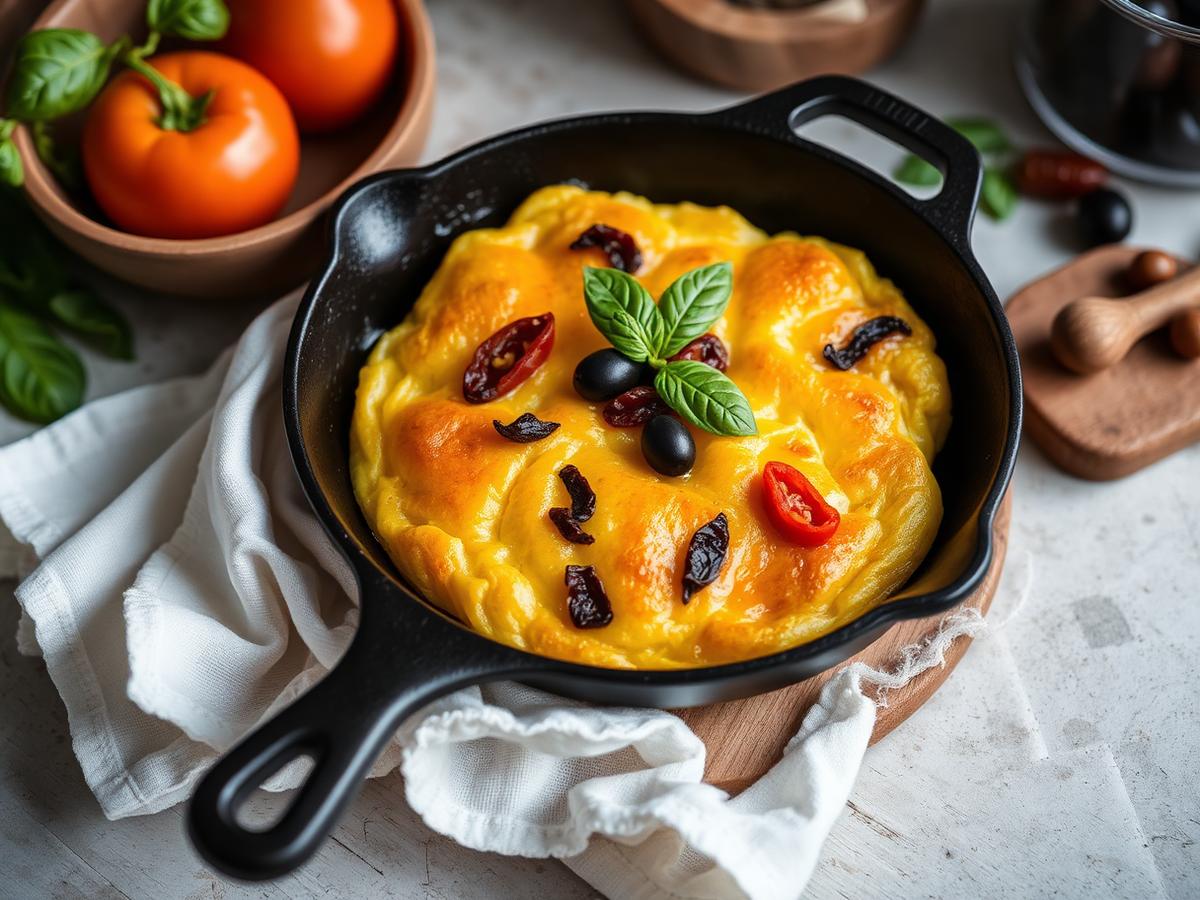
Mediterranean Protein Skillet Bread — Sun-Dried Tomato, Olive & Basil
Whipped egg whites, a pinch of salt and a handful of Mediterranean flavours make a light, protein-rich skillet bread you can slice into a sandwich.