A Little Green on the Windowsill: Growing Kitchen Herbs Through the Cooler Months
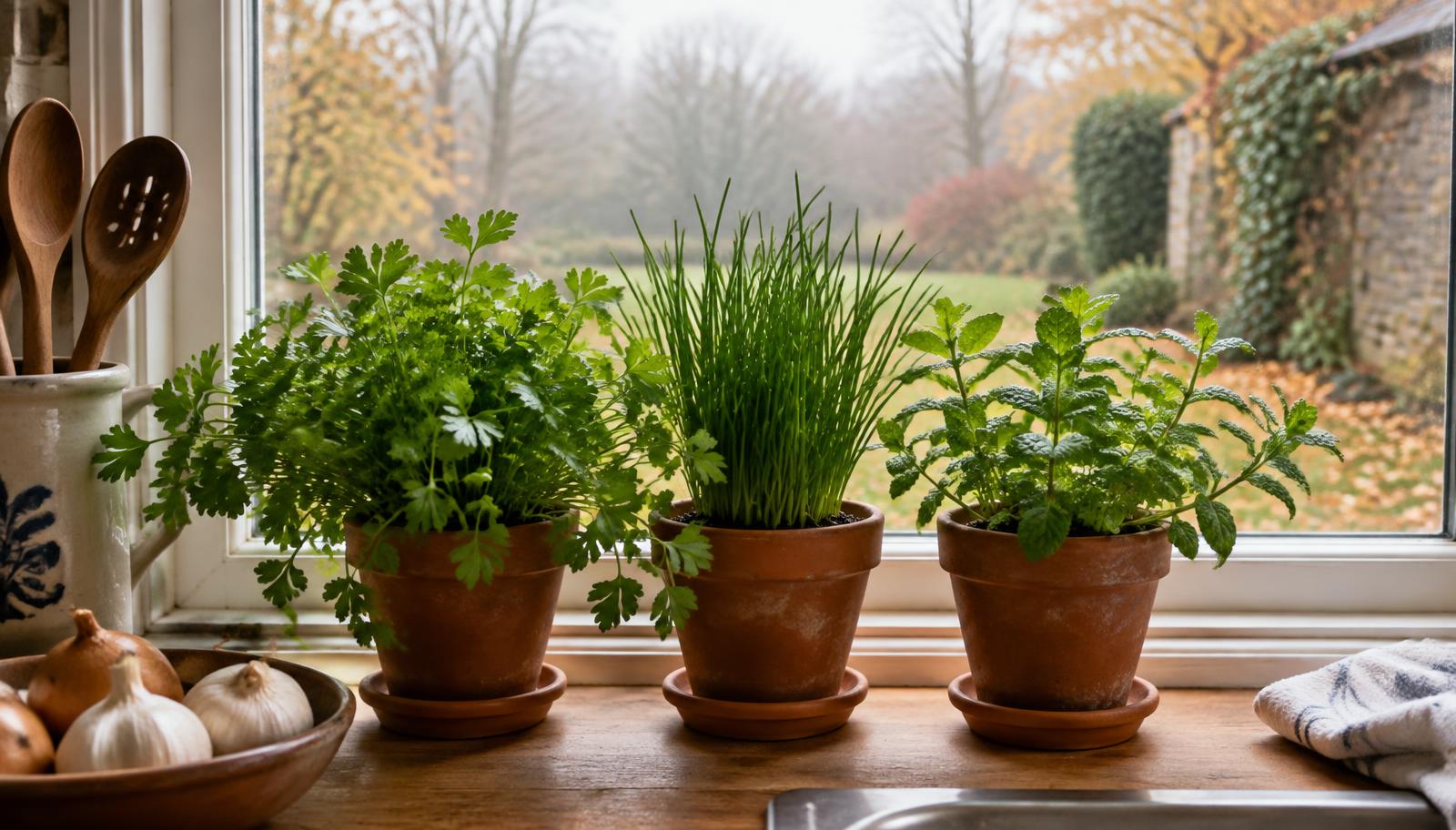
Grow a small kitchen herb corner with realistic UK autumn expectations, practical potting advice and useful herbs for everyday cooking.
A few leaves of parsley can change a bowl of soup. Chives make an egg feel more carefully prepared. Mint adds freshness to a drink. A kitchen herb pot is a small thing, but it brings the living plant closer to the food we eat.
An indoor herb corner also needs realistic expectations. A bright summer windowsill and a British windowsill in late autumn are different growing environments. The aim may be a few useful leaves and the pleasure of tending something green, rather than enough herbs to replace every supermarket packet.
Begin with the light you have
Observe your chosen spot before buying plants. Does it receive direct sun? Is it beside a radiator or a draughty pane? Can the leaves sit near the light without being pressed against cold glass?
The RHS recommends sunny positions for container herbs and notes that some herbs can be brought inside for winter. Its growing guidance includes chives, mint and parsley among herbs that can be potted and placed on a south-facing windowsill. [1, 2]
A dim decorative shelf may look attractive but offer poor growing conditions. Put plant needs ahead of the photograph. If your kitchen has little useful daylight, buying small quantities of fresh herbs and freezing suitable leftovers may be more practical than forcing an indoor garden to succeed.
Choose two herbs you will actually use
Start small. A plant earns its place when you enjoy both caring for it and cooking with it.
| Herb | A kitchen use | A realistic expectation |
|---|---|---|
| Chives | Eggs, potatoes, yoghurt sauces | Small harvests can be useful |
| Parsley | Soup, beans, grain dishes | Give it a bright position and time to regrow |
| Mint | Drinks, peas, yoghurt | Keep it in its own container; growth may slow seasonally |
| Basil | Tomato dishes and fresh sauces | Needs warmth and strong light; winter can be challenging |
Basil is tender in the UK. The RHS specifically describes warm, sunny indoor positions as suitable, but that does not make a low-light winter corner ideal. Treat it as the more demanding choice rather than proof of your gardening ability. [3]
Give the roots somewhere sensible to live
A decorative outer pot can hide a practical nursery pot, provided excess water can drain and is emptied away. Roots should not sit indefinitely in trapped water. Use a suitable potting medium and a container that fits the plant rather than an oversized pot chosen only for its appearance. [1]
Do not give every herb the same watering routine. Check the compost and the plant’s requirements. A calendar reminder can prompt you to look, but it should not force you to pour water into already wet compost.
A small tray protects the sill and makes it easier to move the pots for cleaning. Leave space between plants so you can inspect them. A crowded arrangement may look lush on the first day but be awkward to maintain.
Make a short care routine
Look at the plants when you make your morning drink. Check whether leaves look healthy, whether the compost needs attention and whether water is collecting in a saucer. Rotate pots as needed so growth does not lean entirely towards the glass.
Harvest modestly. Taking nearly every leaf at once turns a growing plant into a final ingredient rather than a renewable supply. Follow herb-specific advice and leave enough healthy growth for recovery. Winter growth may be slow, so adjust your expectations rather than repeatedly cutting a struggling plant. [2]
If you see pests or mould, investigate before applying a treatment. Use only products appropriate for edible plants and follow their instructions. A kitchen setting is not a reason to assume any household spray is suitable.
Let the harvest be small
Snip chives over a potato dish. Add parsley just before serving a soup. Tear a few basil leaves over tomatoes. These modest uses help make the plant part of your daily cooking without exhausting it.
You can keep a note of what succeeds in your home. Perhaps chives are easy but basil never thrives. That is useful information about the conditions, not a personal failure. Next season, choose accordingly.
A windowsill herb garden does not need to become another demanding project. Two well-chosen pots can bring more enjoyment than a dozen plants competing for insufficient light. Start there, learn the spot and let the garden grow at a pace your kitchen can support.
Enjoyed this?
Get the next one straight to your inbox.
Keep reading
Related articles
Explore more natural food, fermentation and wellness ideas from Ika’s Realm.

Feng Shui at Home — Traditional Chinese Ideas for Flow, Balance and Everyday Living
Feng shui is more than moving furniture for “good luck.” Explore its traditional ideas about orientation, flow, balance and how to adapt them thoughtfully in a modern home.
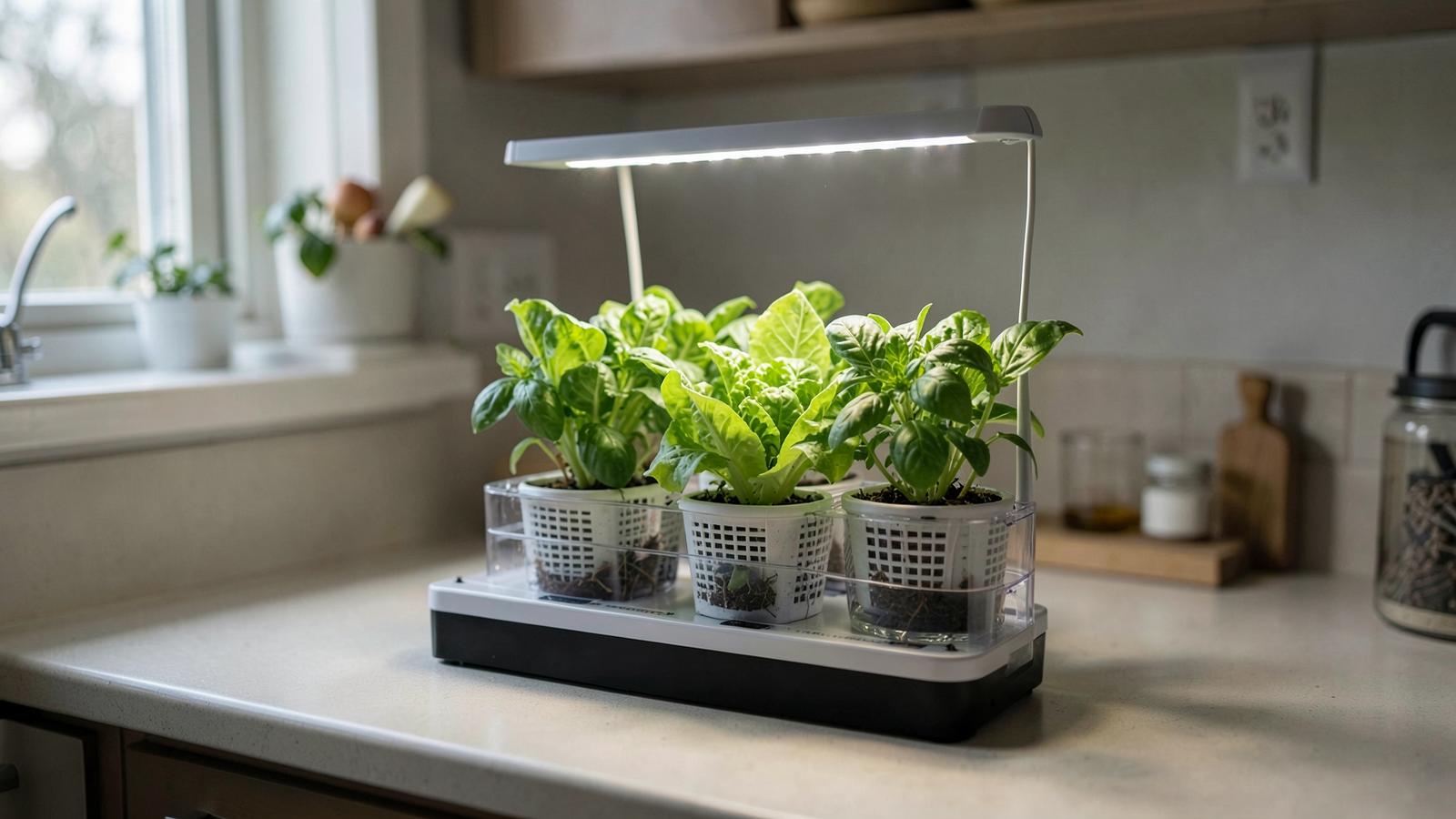
Home Hydroponics for Beginners — Growing Food Without Soil
Hydroponics grows plants without soil by delivering water, oxygen and mineral nutrients directly to roots. Here is a practical beginner route from herbs to leafy greens.
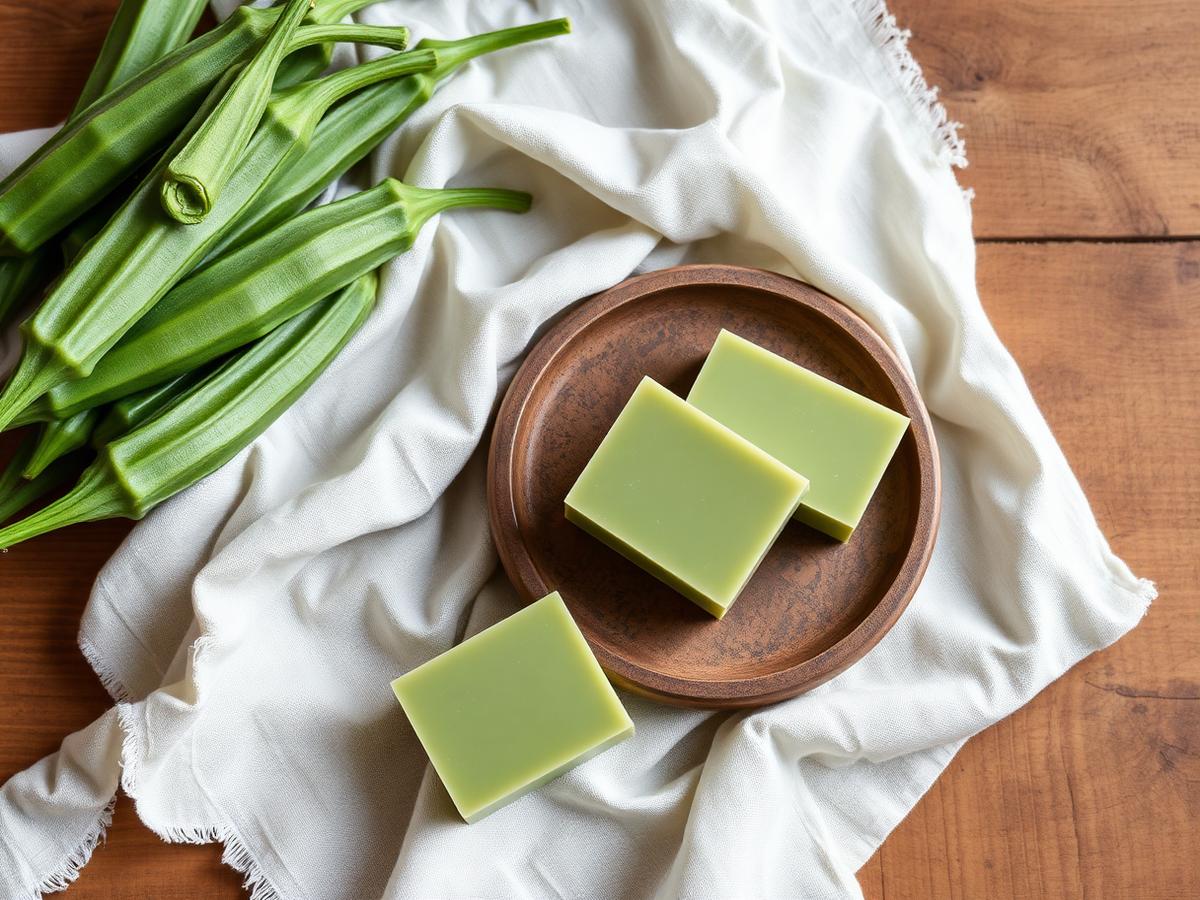
Okra Beyond the Kitchen — Exploring Handmade Okra Soap
Okra's famous sliminess is a mucilage — and mucilage is genuinely interesting to soap makers. An exploratory guide, with two very different methods.