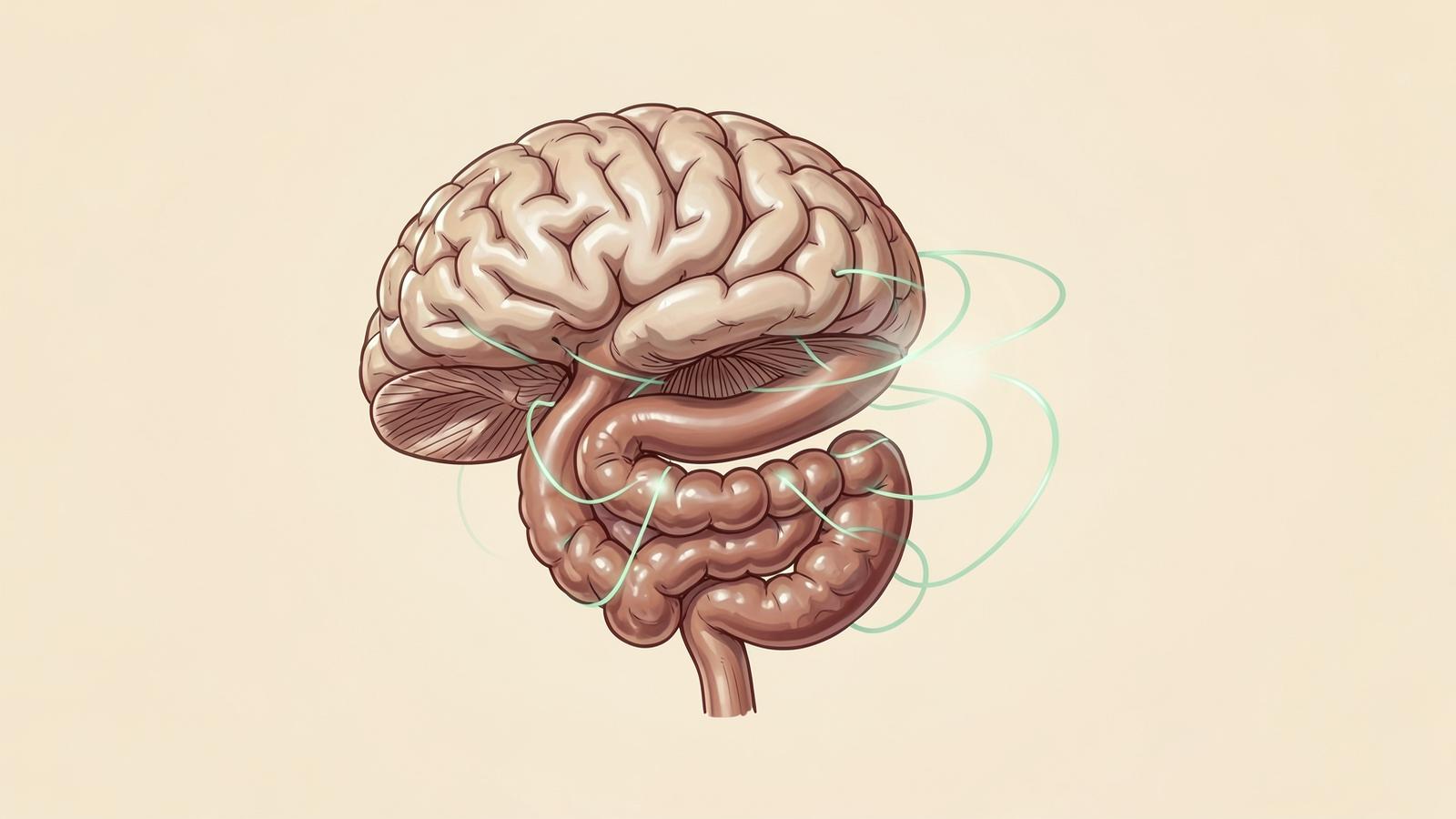
GLP-1 medicines work through biological signalling between the gut, pancreas, brain and stomach. Here is what they amplify, what they change, and what they do not replace.
The most interesting thing about GLP-1 medicines is not that they can make people eat less. It is that they reveal how much eating is governed by communication. Hunger, fullness, stomach emptying, insulin release and food reward are not isolated events. They are parts of a signalling network that links the gut, pancreas, vagus nerve and brain. GLP-1 receptor agonists enter that network and strengthen selected messages. That makes them a useful lens through which to see the body not as a machine being forced into submission, but as a system responding to information.
GLP-1 is a message before it is a medicine
GLP-1, short for glucagon-like peptide-1, is a hormone released after eating. In normal physiology it helps coordinate the response to a meal. It can support glucose-dependent insulin secretion, reduce glucagon release when appropriate, slow stomach emptying and contribute to satiety. Drug versions are designed to activate the same receptor for longer than the natural hormone does. That longer signal is one reason the medicines can have substantial effects on blood glucose and appetite. The key idea is amplification: the drug is not inventing a completely foreign pathway. It is using a receptor the body already has.
The gut-brain conversation
Appetite is not controlled by one single 'hunger centre'. Signals from the digestive tract reach the brain through hormones, circulating nutrients and neural pathways, including the vagus nerve. GLP-1 receptors are also found in brain regions involved in appetite and reward. Modern research therefore describes weight-loss effects as a combination of central and peripheral actions. Many people report earlier fullness or less persistent food-related thinking, but experiences vary, and the effect is not simply a matter of willpower being switched on or off.
What happens after a meal
One part of the story is timing. GLP-1 receptor activation can delay gastric emptying, especially early in treatment, so food may leave the stomach more slowly. At the pancreas, the signal supports insulin release when glucose is elevated and reduces glucagon signalling. Together, these actions can soften post-meal glucose excursions. The stomach-emptying effect may become less pronounced over time with some long-acting medicines, while appetite and metabolic effects can remain important. This is another reminder that one pathway can behave differently in different tissues and over different timescales.
Why “biological tuning” is a better metaphor than “magic”
A useful metaphor is a mixing desk rather than an on/off switch. The medicine turns up some signals and changes the timing of others. It does not replace protein, fibre, micronutrients, movement, sleep or resistance training. In particular, rapid weight loss can include loss of lean tissue, so adequate nutrition and muscle-preserving activity matter. Nor are GLP-1 medicines appropriate for everyone. Nausea, vomiting, diarrhoea or constipation are common adverse effects, and prescription decisions belong with a qualified clinician who can consider medical history, interactions and monitoring.
What the next generation may look like
The field is already moving beyond single-receptor drugs. Dual and triple agonists are being developed to combine GLP-1 with pathways such as GIP and glucagon. Researchers are also trying to understand why responses differ so much between individuals: biology, dose, food environment, sleep, medications and behaviour can all matter. The future may be less about one universal 'weight-loss drug' and more about matching signalling therapies to a person's metabolic profile while protecting long-term nutrition and function.
The bigger lesson
GLP-1 medicines are a reminder that biology often works through conversations rather than commands. The gut reports what has arrived. The pancreas adjusts. The stomach changes pace. The brain interprets the incoming information. A medicine can alter that conversation, sometimes powerfully, but it still operates inside a living system. Understanding that system is more useful than treating the drug as either a miracle or a moral failure.
Key takeaways
- GLP-1 is a natural post-meal hormone; the medicines lengthen a signal the body already uses.
- Effects come from a network — gut, pancreas, vagus nerve and brain — not from one switch.
- They do not replace protein, fibre, movement or sleep, and they belong under clinical supervision.
Further reading
Enjoyed this?
Get the next one straight to your inbox.
Keep reading
Related articles
Explore more natural food, fermentation and wellness ideas from Ika’s Realm.

Hormones Are Messages — How the Body Communicates Without Words
Hormones are chemical messages carried through blood, but the message only matters when a cell can receive and interpret it. Endocrine biology is less like a list of chemicals and more like a network of timing, receptors and feedback.

Does the Order You Eat Food Affect Blood Sugar?
Eating vegetables and protein before carbohydrates may change the glucose response after a meal. What the studies show, and how much it really matters.
Visceral Fat vs Ectopic Fat — The Fat You Cannot Always See
Two people with the same weight can carry fat in very different places. Where fat is stored — under the skin, around organs or inside organs — can matter as much as the number on the scale.