Stocking an Autumn Pantry the Old Way — A Practical Guide to a Season of Plenty
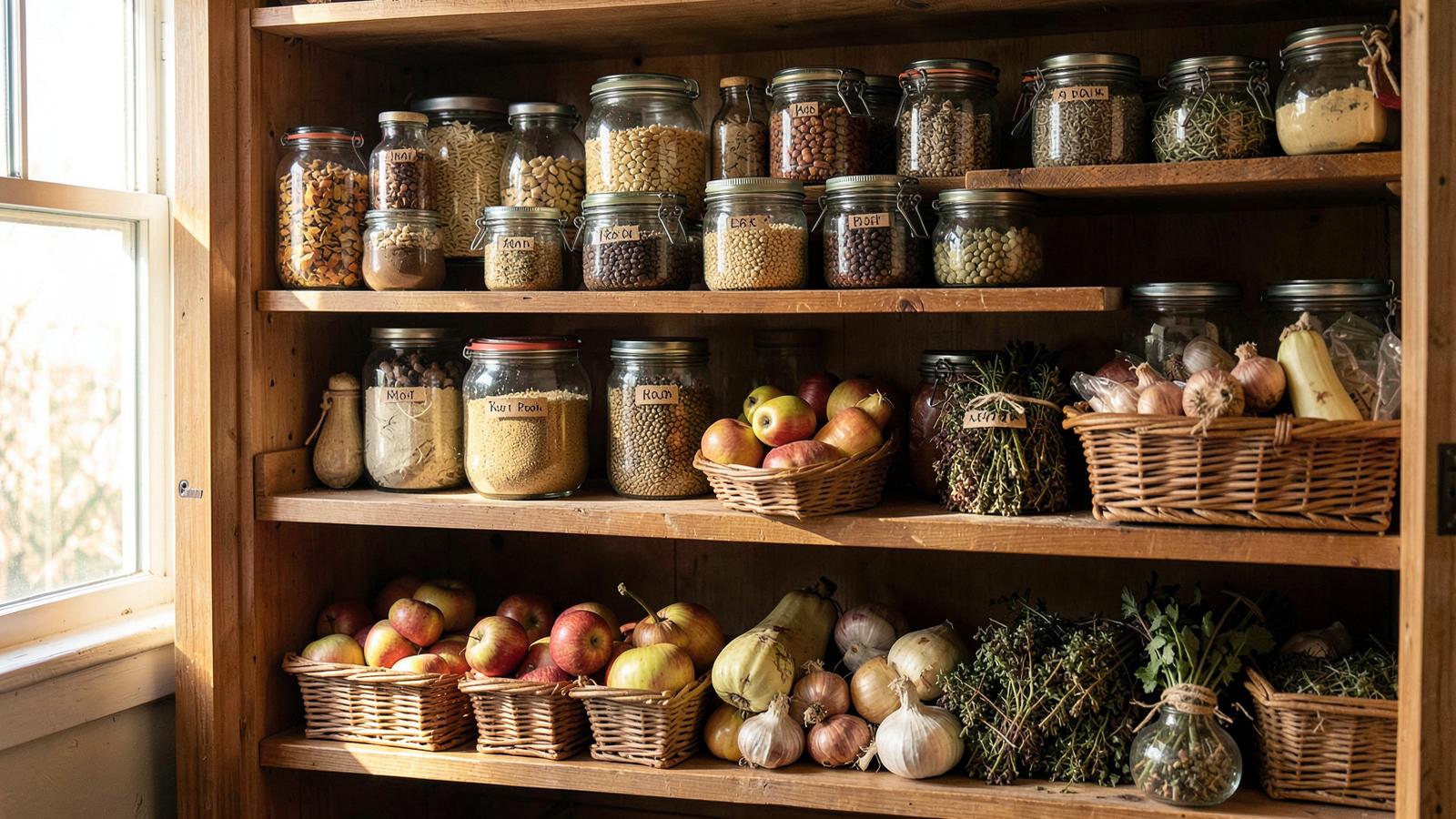
Build an autumn pantry with roots, apples, grains, dried herbs, ferments, preserves and practical rotation — inspired by old seasonal habits, adapted to a modern home.
An old-fashioned pantry was not a decorative wall of matching jars. It was a buffer between abundance and scarcity. Apples arrived all at once. Roots needed a cool place. Beans and grains had to last. Herbs were dried while they were still fragrant. Ferments bubbled quietly in crocks. The goal was not to own more food; it was to carry the season forward. That idea still makes sense today, even in a small kitchen. A good autumn pantry can reduce waste, make winter cooking easier and turn a few basic ingredients into dozens of meals.
Start with what autumn actually gives you
Think in groups rather than shopping lists. Fresh keepers include apples, pears, pumpkins, squash, onions, garlic and some root vegetables. Dry staples might be oats, barley, rice, buckwheat, lentils, beans, flour, nuts and seeds. Flavour builders include dried mushrooms, herbs, garlic, dried chilli, fermented vegetables, vinegars and spice blends. Sweet pantry foods might include apple butter, plum preserve, honey, dried fruit and fruit leather. The exact pantry should reflect what your household genuinely cooks.
Create four zones
A useful pantry has zones. Zone one is everyday dry food in sealed containers. Zone two is preserves and ferments that need monitoring or rotation. Zone three is cool-storage produce such as onions, squash and potatoes, with potatoes kept away from light and onions kept dry with airflow. Zone four is the 'use first' shelf: open packets, the oldest jars and anything approaching its best quality. This small shelf is one of the simplest ways to reduce waste.
Drying: the quiet preservation method
Drying removes the water microbes need. Apples, pears, herbs and mushrooms are classic autumn candidates, but the food must be properly dried before storage or mould can develop later. Store dry foods away from heat, light and moisture, and check jars during the first week for condensation. If moisture appears, the food is not ready for long storage. A dehydrator gives consistency, but low-temperature oven drying can work for some foods when done carefully.
Ferment, pickle, preserve — but label everything
Fermented cabbage, carrots and other vegetables add acidity and complexity. Vinegar pickles provide a different preservation route. Jams, chutneys and fruit butters concentrate seasonal produce. Whatever method you choose, write the date and contents on the jar. For canning and shelf-stable preserves, use tested food-safety recipes rather than improvising acid levels or processing times. 'Old way' should describe the spirit of the pantry, not a rejection of modern safety knowledge.
A pantry should show possibilities
Imagine opening the cupboard and seeing dinner, not ingredients. A jar of lentils plus dried mushrooms can become soup. Oats, dried apple and walnuts become breakfast. Chickpeas, roasted peppers and walnuts become a dip. Apple butter turns toast, porridge or yoghurt into a seasonal treat. A small basket of onions and garlic is the beginning of countless savoury meals. The best pantry is a system of combinations.
Build it slowly
You do not need twenty jars on day one. Begin with three dry staples, three preserved foods, two herbal or tea ingredients, one ferment and one seasonal treat. Add only what you use. Rotate older food forward, keep a simple list on the cupboard door and review it once a month. A pantry becomes useful through rhythm, not through a single expensive shopping trip.
The old wisdom hidden inside the shelf
Seasonal storage teaches a quiet form of resilience. It asks what can be saved, what must be eaten now and what transforms into something better with time. In a modern home, that can mean less food waste, fewer emergency purchases and more confidence in simple cooking. The pantry is not a museum of the past. It is a practical technology for living with seasons.
Key takeaways
- Think in groups — fresh keepers, dry staples, flavour builders and sweet preserves.
- Four zones plus a 'use first' shelf prevents most food waste.
- Label and date everything, and use validated recipes for canning and preserving.
Enjoyed this?
Get the next one straight to your inbox.
Keep reading
Related articles
Explore more natural food, fermentation and wellness ideas from Ika’s Realm.
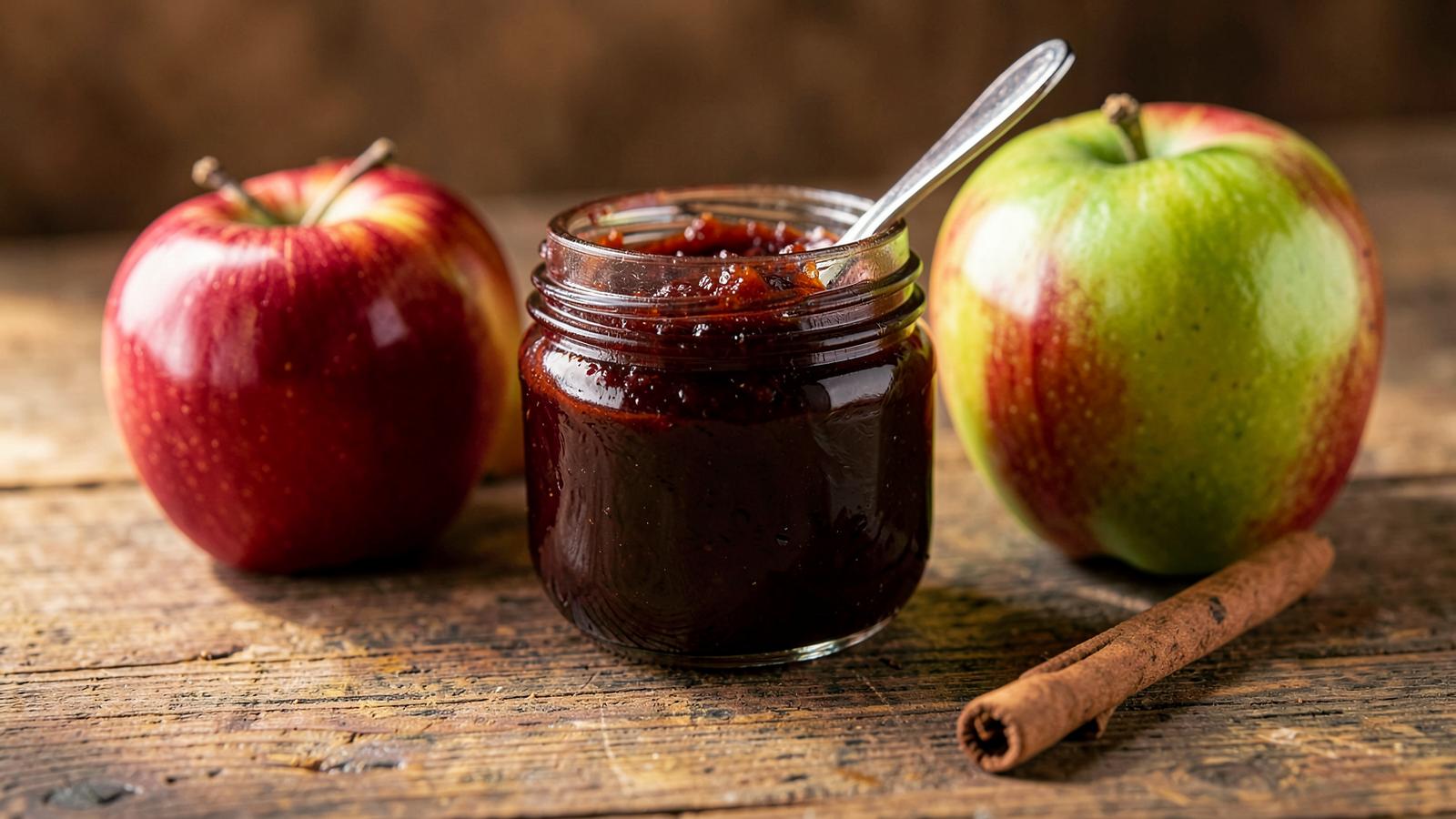
Apple Butter — Slow-Cooked Apples Turned Into Caramel-Like Spread
Apple butter is made by cooking apples slowly until concentrated, dark and glossy. Cinnamon, lemon and time do the rest.
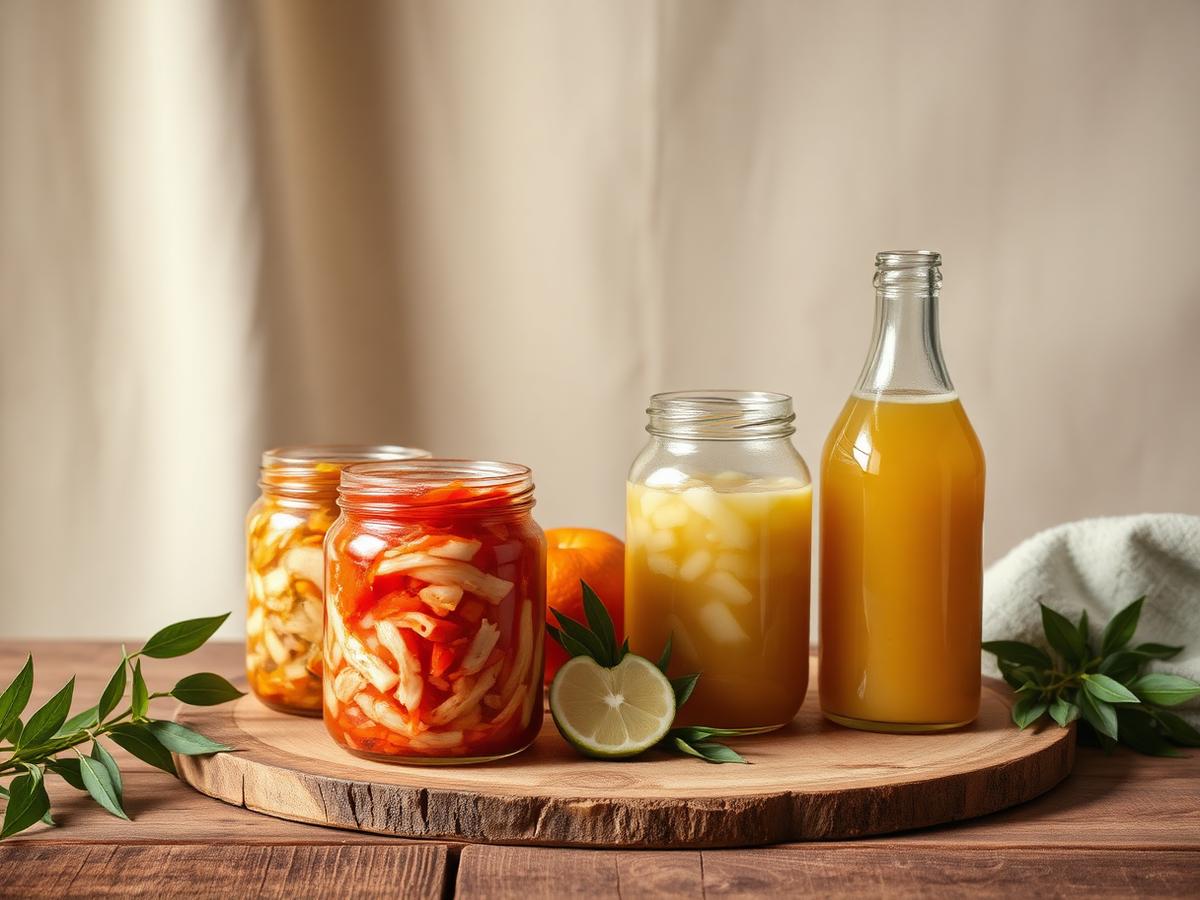
Beginner's Sauerkraut: Two Ingredients, Endless Payoff
Cabbage, salt and patience. Everything you need to make your first successful ferment — and how to know it's going right.
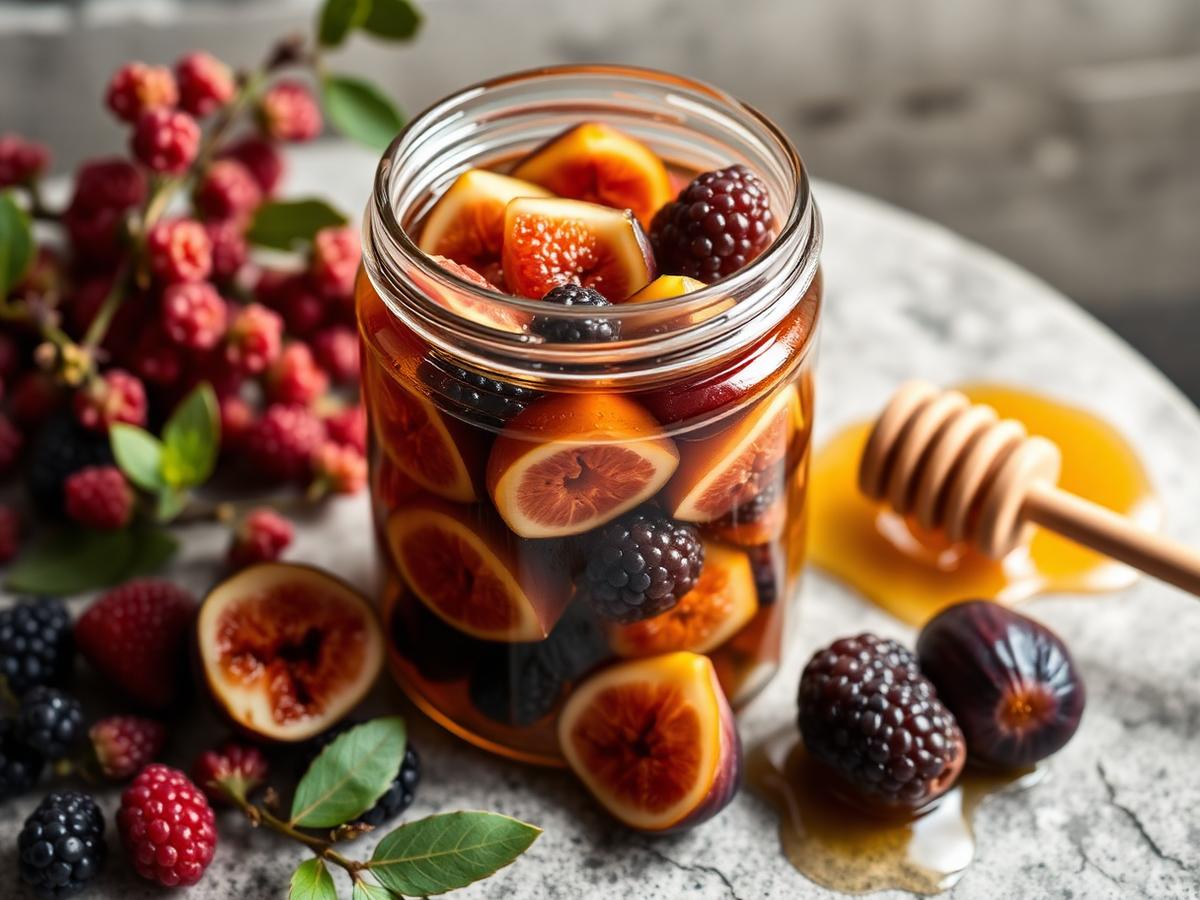
Honey-Preserved Fruit — Rediscovering an Ancient Kitchen Idea
Fruit macerated in honey is one of the oldest ideas in the kitchen. Here's what honey really does, what it doesn't, and how to do it safely today.