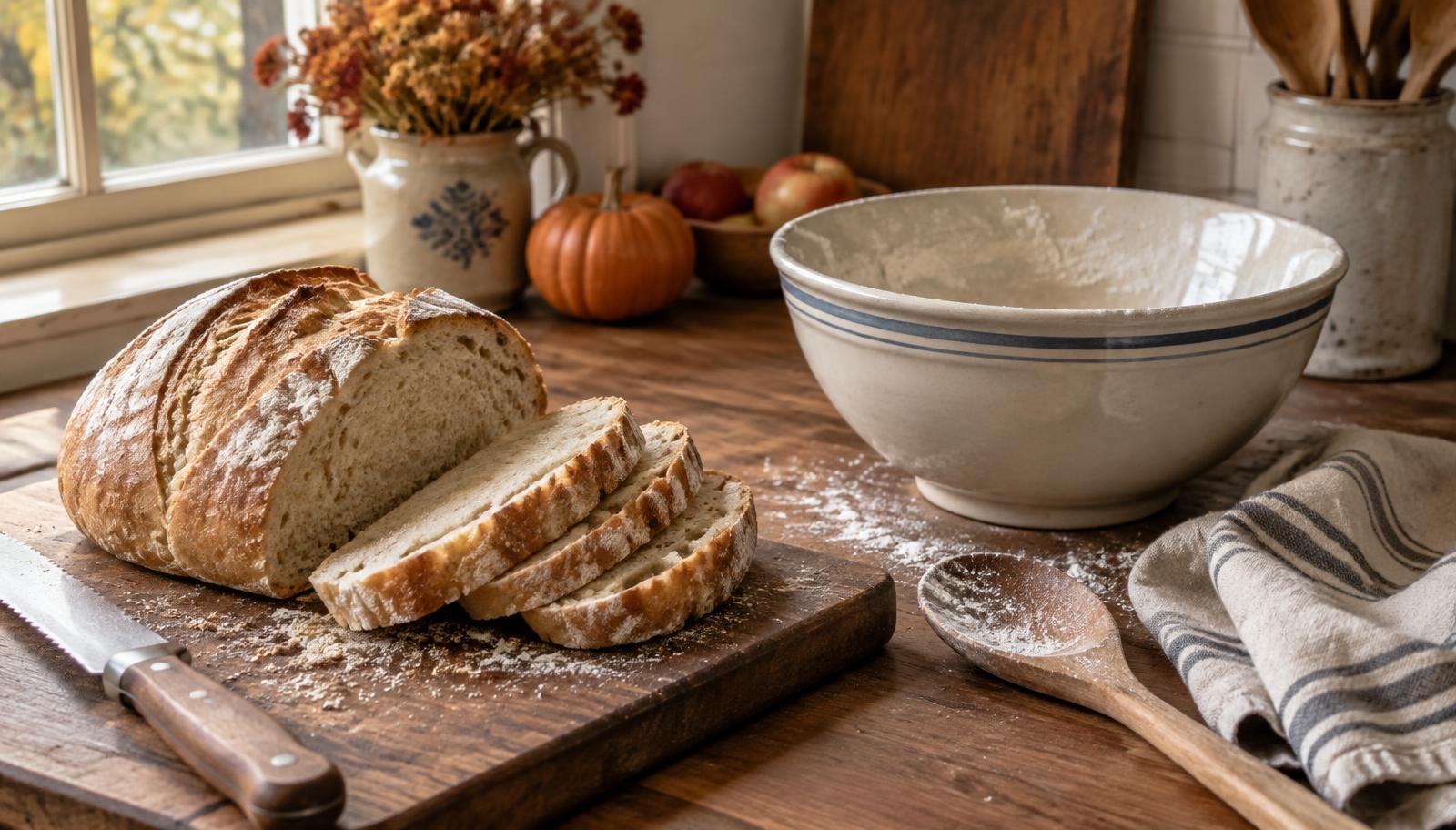
Start baking bread with a few useful tools, a reliable recipe and practical habits that help you learn what your dough needs.
Fresh bread has a way of making an ordinary room feel welcoming. The sound of the crust, a warm loaf on a rack and the thought of tomorrow’s toast are small pleasures. Learning to bake it can be equally satisfying, provided the equipment list does not become more complicated than the bread.
Before buying specialist tools, choose one dependable beginner recipe and make it more than once. Repetition teaches you what the dough is doing. A different recipe every weekend can be entertaining, but it makes it harder to see what changed.
Start with the bread you eat
If your household needs sandwiches, a tin loaf may be the most useful first project. If you enjoy bread beside soup, a simple free-standing loaf may suit you. Choose the result you will use rather than the one that looks most impressive online.
Commercial yeast is a perfectly reasonable place to begin. Sourdough introduces the additional task of maintaining a starter. You can explore it later; you do not need to learn every part of bread making in your first attempt.
King Arthur Baking’s beginner resources cover mixing, kneading, rising, shaping and baking. Use a complete recipe from a reliable source so that the ingredients, tin size and method belong together. [1]
What earns a place in the cupboard?
| Item | Why it helps | Can you begin without a specialist version? |
|---|---|---|
| Digital kitchen scale | Makes ingredient quantities consistent | A basic kitchen model is enough |
| Mixing bowl | Holds dough as it is mixed and rises | Use a suitable bowl you own |
| Loaf tin or baking tray | Supports the chosen bread shape | Follow the recipe’s specified size |
| Clean cover | Helps prevent the dough’s surface drying | Use an appropriate cover already available |
| Cooling rack | Allows air around the baked loaf | A standard baking rack works |
| Dough scraper | Helps move and divide dough | Useful later; not essential for every recipe |
A proofing basket, stand mixer or bread oven may be enjoyable, but each should answer a need you have discovered. Do not let an accessory list become permission to postpone the first loaf.
Watch the dough as well as the clock
Rising time changes with conditions. A colder kitchen generally slows fermentation; warmth speeds it up, but excessive heat can create problems. Choose a suitable place without direct heat and follow the recipe’s cues. [2]
Keep a small notebook. Record the flour, room conditions, approximate rising time and result. “A little dense” is useful if it sits beside information about what you did. After a few attempts, your own kitchen becomes less mysterious.
When a recipe describes the dough’s appearance or feel, give those details as much attention as the minutes. Waiting until a timer rings is easy; learning what the timer is meant to achieve is the skill. [3]
Avoid the urge to change everything
One disappointing loaf does not tell you that you cannot bake bread. It tells you that this particular combination of ingredients, handling and timing needs attention.
If the dough feels sticky, resist adding flour repeatedly without checking the recipe’s intended texture. If the loaf is dense, review the process before buying stronger equipment. Change one factor on the next attempt and keep the rest similar.
Take a photograph before baking and another after cooling. This creates a useful record without requiring a detailed diary. You may notice that a small shaping change helped more than a new gadget would have.
Turn one loaf into a few meals
Fresh bread can sit beside roast squash soup. The next day it may become toast with eggs, beans or mashed vegetables. Freeze slices you will not use in time, following appropriate storage guidance.
Bread that has become dry but remains wholesome can be used in breadcrumbs or a baked pudding. Bread with mould should be discarded; toasting or baking does not rescue it. [4]
Think of the loaf as an ingredient as well as a finished achievement. It does not need to be photographed at its most beautiful before it counts as successful. If it feeds the household, tastes good and teaches you something, it has done useful work.
Start with the tools you have, choose one recipe and give yourself a few attempts. Familiarity is one of the most valuable things you can add to a bread kitchen, and it takes up no cupboard space.
Further reading
Enjoyed this?
Get the next one straight to your inbox.
Keep reading
Related articles
Explore more natural food, fermentation and wellness ideas from Ika’s Realm.

Cheesy Potato Flatbreads with Ham: A Warm Supper from Leftover Mash
Turn safely stored mash into stuffed potato flatbreads with melted cheese and ham, with shaping advice.
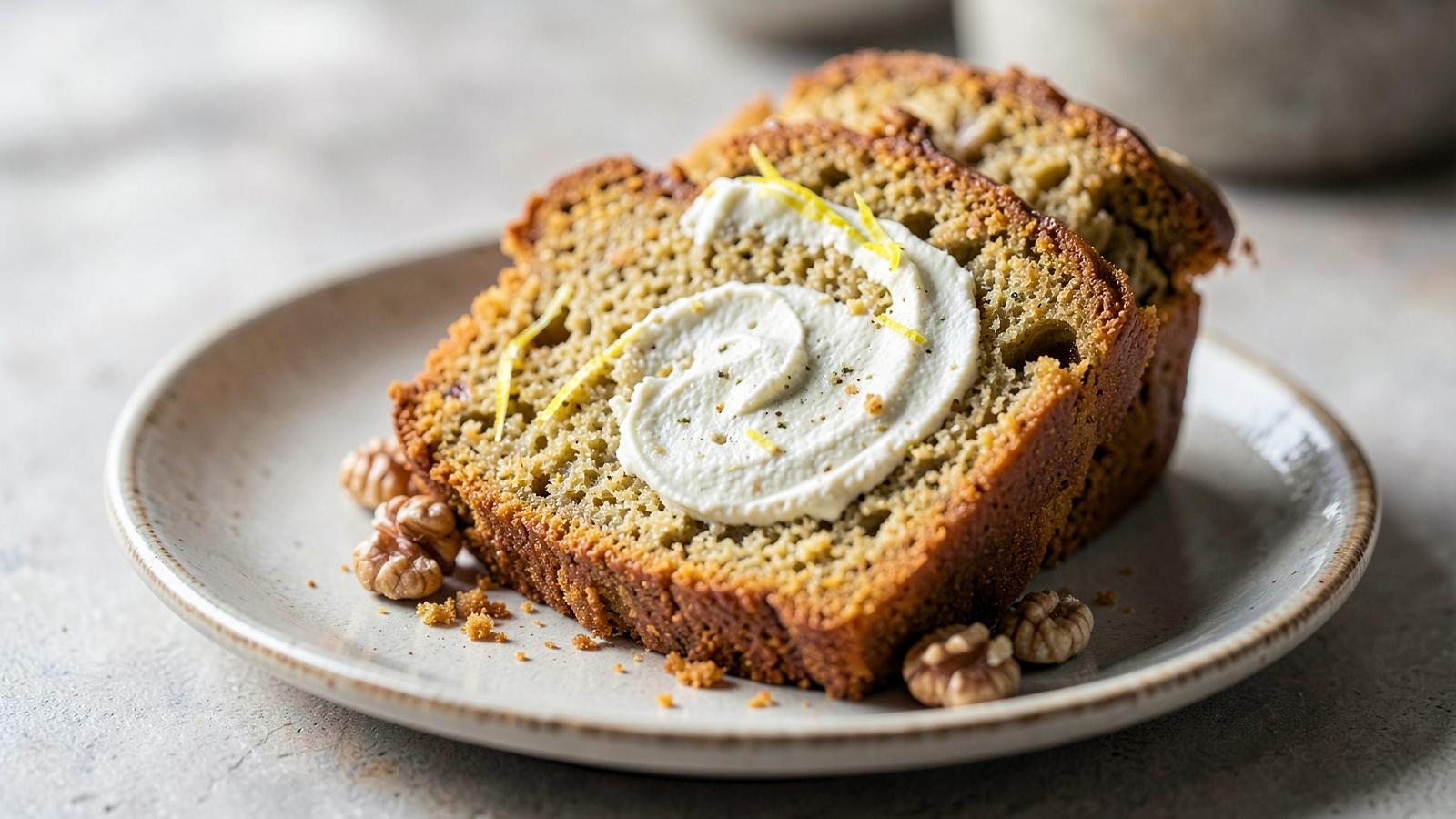
Gluten-Free Lemon Carrot Protein Loaf with Cardamom Cream
A soft lemon-carrot loaf made with oat flour, protein powder and yoghurt, finished with lightly sweetened cardamom cream.
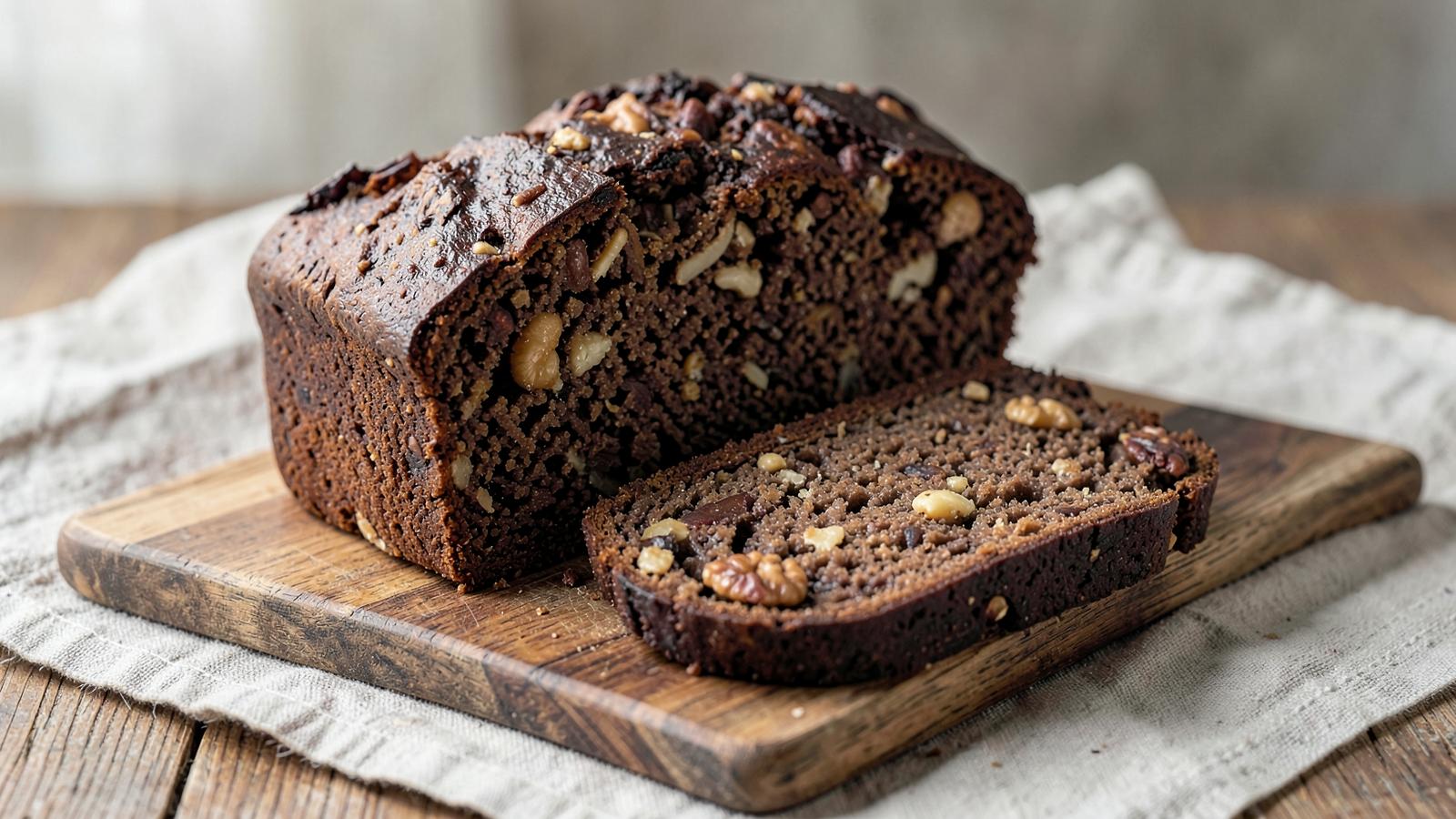
Gluten-Free Walnut Pumpernickel-Style Bread
A dark, dense gluten-free loaf inspired by pumpernickel, with buckwheat, oats, cocoa, caraway, blackstrap molasses and walnuts.