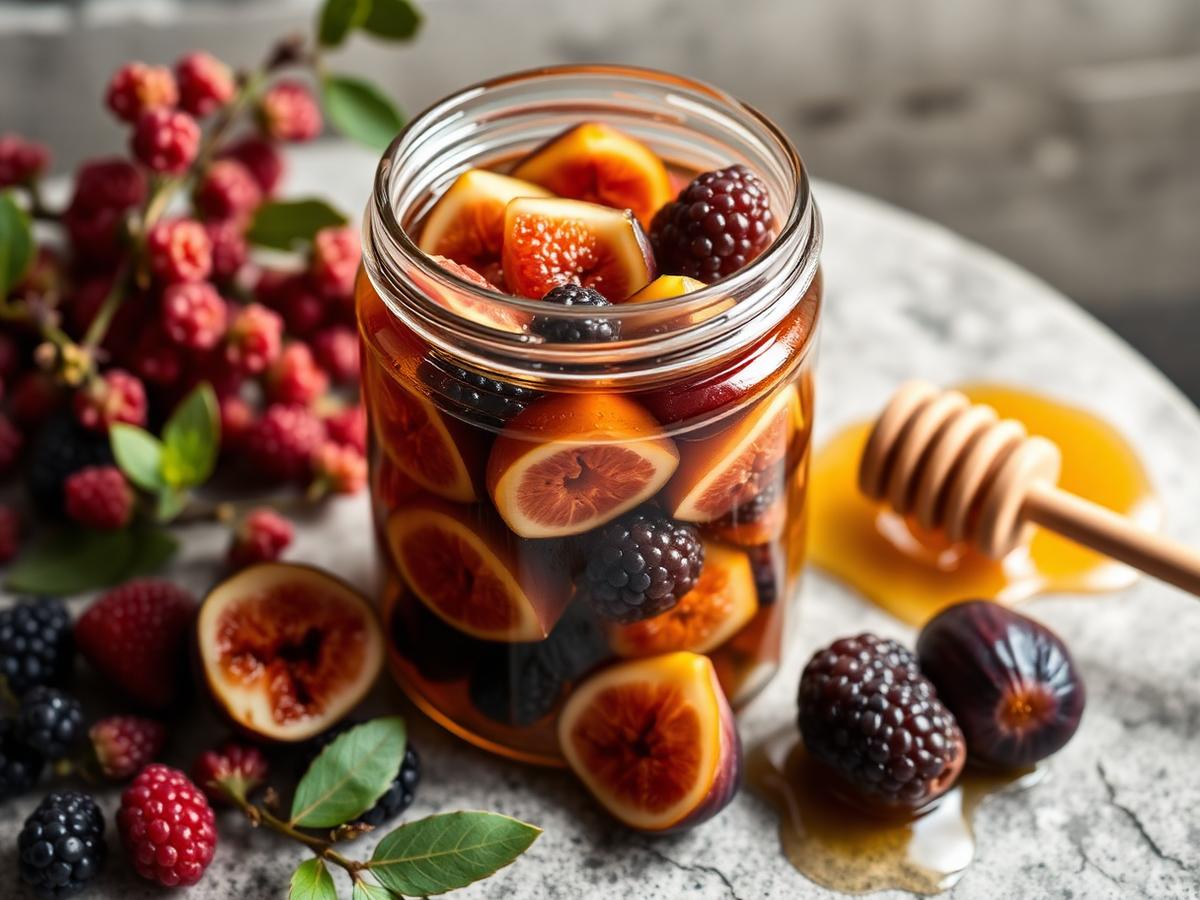
Fruit macerated in honey is one of the oldest ideas in the kitchen. Here's what honey really does, what it doesn't, and how to do it safely today.
Long before sugar was affordable, honey was the preserving sweetener of the ancient Mediterranean and Near East. Roman writers describe fruit kept in honey; medieval kitchens across Europe used it for quinces, cherries and citrus peel. The idea travelled everywhere honey did.
Honey resists spoilage for real reasons. It is very low in water, high in sugar, mildly acidic, and contains an enzyme that generates small amounts of hydrogen peroxide. Together those properties make pure honey an inhospitable environment for most microbes — which is why an unopened jar keeps so well on a shelf.
The critical point, and the one most romantic write-ups skip: those properties belong to honey, not to the jar you just filled with fresh fruit. Fruit is mostly water. As soon as you submerge it, osmosis begins pulling that water out of the fruit and into the honey, and diluting honey is precisely how you remove its protection.
So: adding honey does not make fresh fruit shelf-stable. What you are making is a macerated fridge preserve, and it should be treated as one. Our version is a modern interpretation of the old idea rather than a validated preservation method — if you want fruit that genuinely keeps at room temperature, that means a tested recipe for jam, bottling or water-bath canning, not a honey jar.
Osmosis is also what makes the technique delicious. Water leaves the fruit; sugar moves in. The fruit becomes denser, sweeter and slightly translucent, and the honey becomes a fruit-flavoured syrup. Aromatic compounds from the fruit and from any herbs or spices you add dissolve into that syrup — it is a gentle, cold extraction.
Give it two to three days in the fridge. You will see the honey visibly thin and the level rise as water transfers across. That is the sign it is working.
Fermentation is a genuine possibility rather than a failure. Diluted honey plus wild yeasts from the fruit can start a slow ferment, especially at room temperature — small bubbles, a rising level, a faintly alcoholic smell. Kept cold and eaten within about two weeks, a slight fizz is normal. If it becomes vigorous, release the pressure regularly, and discard anything mouldy, slimy or genuinely off-smelling.
Two modern rules that were not available to ancient cooks: refrigerate from the start, and never give honey to infants under one year, because of the risk of infant botulism.
Recipe card
How to Make It
Ingredients
- 250 g firm ripe fruit — figs, plums, cherries, blackberries or pears
- 250-300 g raw honey, enough to cover completely
- 1 strip unwaxed lemon peel
- Optional: 1 small rosemary sprig, 2 cardamom pods or a small piece of vanilla pod
- Optional: 1 tsp lemon juice for brighter fruit
Equipment
- Clean 500 ml glass jar with a good lid
- Sharp knife and board
- Small spoon for pressing the fruit under
- Refrigerator space — this is a fridge preserve, not a pantry one
Method
- 1Wash and dry the fruit completely. Surface water thins the honey and encourages fermentation.
- 2Halve or quarter larger fruit; leave berries whole.
- 3Layer the fruit in the jar with the lemon peel and any aromatics.
- 4Pour over honey until the fruit is fully covered, tapping the jar to release trapped air.
- 5Seal and refrigerate immediately.
- 6Turn the jar daily. Over 2-3 days the fruit releases water, the honey loosens into a syrup and the fruit softens.
- 7Once the honey has visibly thinned, it is ready. Keep refrigerated and use a clean spoon every time.
Allergen information
The preserve itself contains no major allergens, but honey is not suitable for infants under 12 months. Several serving suggestions add milk (yoghurt, cheese, custard, ice cream), gluten-containing cereals (pancakes, waffles, porridge oats unless labelled gluten-free) or nuts and seeds — check labels where relevant.
Storage
Keep it refrigerated from the moment you fill the jar and use it within about two weeks. Because the fruit's water dilutes the honey, this is not a shelf-stable preserve and should never be stored at room temperature. If the jar becomes actively fizzy, loosen the lid daily to release pressure and use it up quickly. Always serve with a clean spoon, and discard the jar if you see mould, sliminess or anything that smells off — although smell and appearance alone cannot confirm that food is safe, which is why the fridge and the short window matter more than any sniff test.
Serving ideas
- Spooned over thick yoghurt with toasted seeds.
- Stirred through morning porridge.
- Warm over pancakes or waffles.
- As a dessert sauce for baked custards or ice cream.
- On a cheese board with hard sheep's cheese or blue cheese.
- Whisked with vinegar and oil into a sharp-sweet sauce for roast vegetables.
- A spoonful of the syrup in sparkling water over ice.
- Stirred into cooled herbal infusions for a lightly sweet iced drink.
Ika's Realm notes
- Never give honey, or anything made with it, to children under 12 months, because of the risk of infant botulism.
- Firm fruit holds its shape; very ripe fruit collapses into a sauce, which is delicious but different.
- The syrup is arguably better than the fruit. Save it.
Key takeaways
- Honey alone is shelf-stable; honey plus fresh fruit is not.
- Osmosis draws water out of the fruit and dilutes the honey — refrigerate throughout.
- Slight fizzing is fermentation, not necessarily failure; mould or off smells mean discard.
Enjoyed this?
Get the next one straight to your inbox.
Keep reading
Related articles
Explore more natural food, fermentation and wellness ideas from Ika’s Realm.
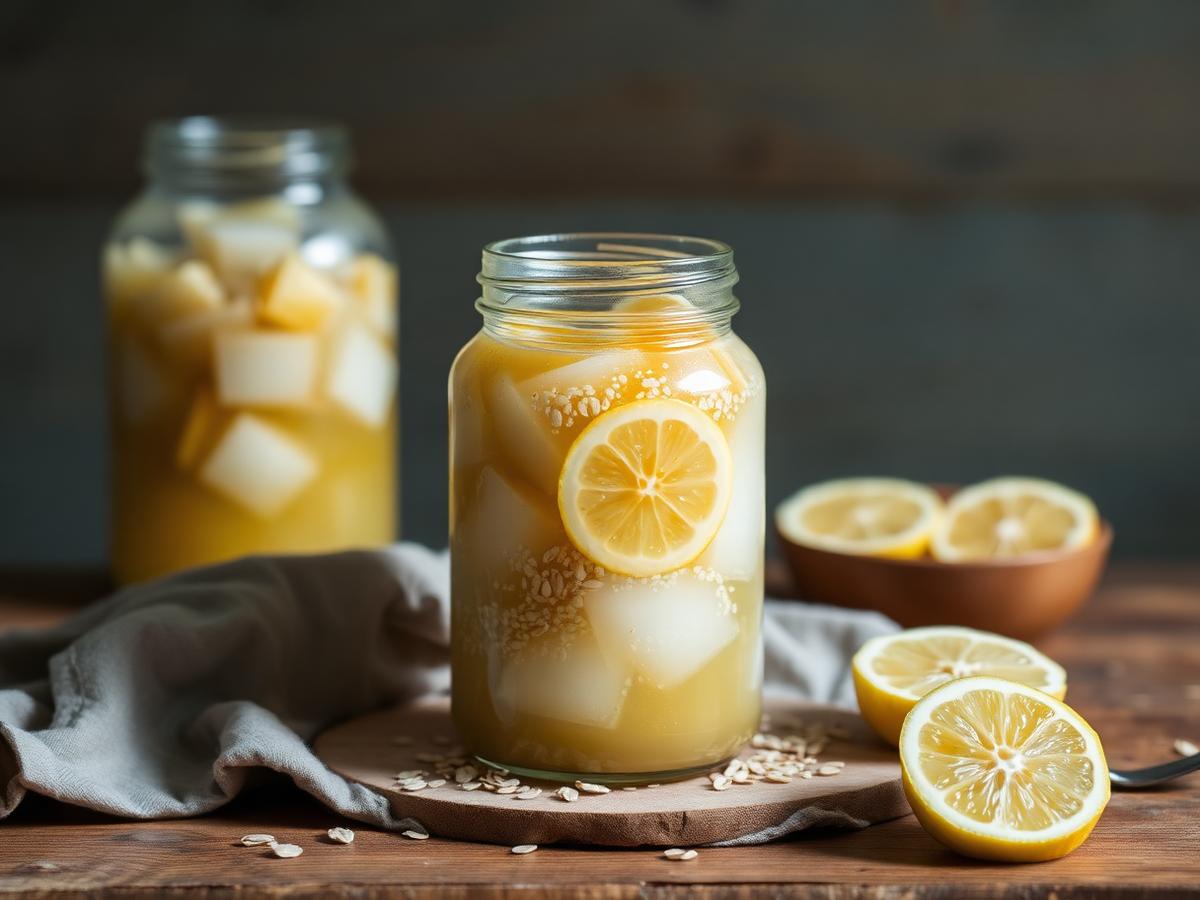
Oat Kvass — A Forgotten Fermented Drink Worth Rediscovering
Gently sour, faintly sweet and lightly fizzy: how to make a kvass-style oat ferment at home, and how to tell a good one from a bad one.
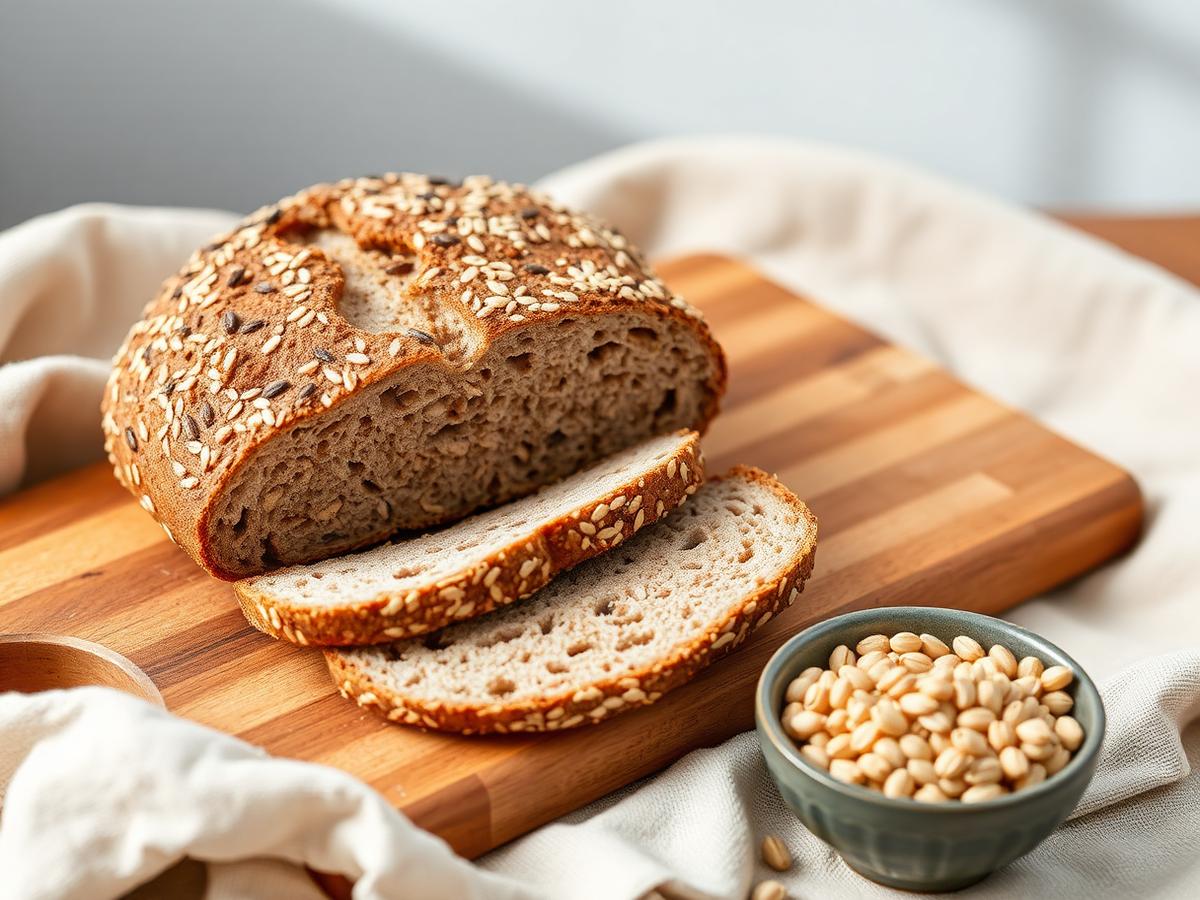
Sprouted Grain Bread — What Changes When a Seed Begins to Grow?
Germination wakes up a grain's enzymes and rewrites its starches. Here's what actually happens, and a reliable loaf to bake with the result.
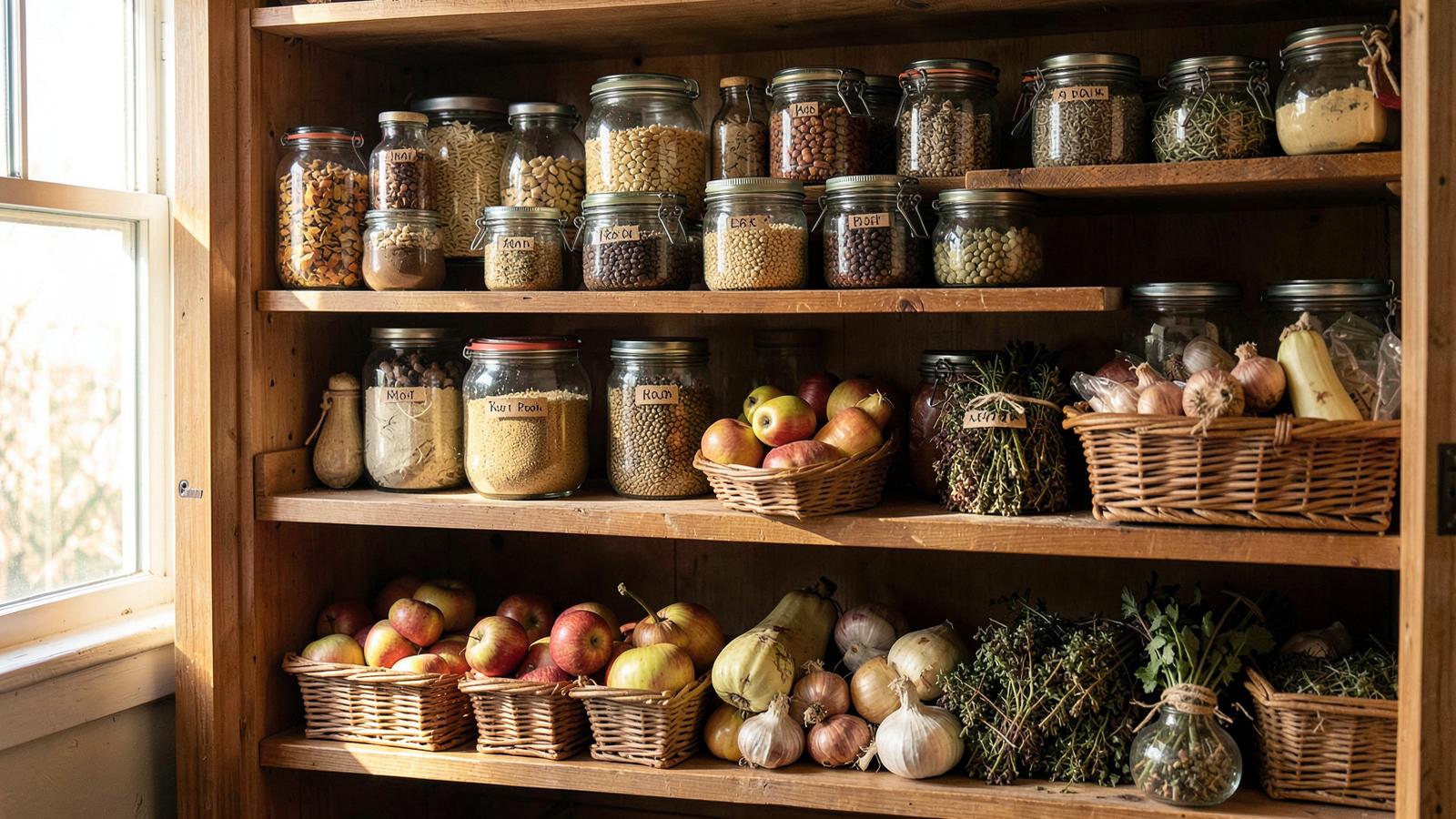
Stocking an Autumn Pantry the Old Way — A Practical Guide to a Season of Plenty
Build an autumn pantry with roots, apples, grains, dried herbs, ferments, preserves and practical rotation — inspired by old seasonal habits, adapted to a modern home.