White Peony Root vs Red Peony Root — One Plant, Two Herbal Traditions
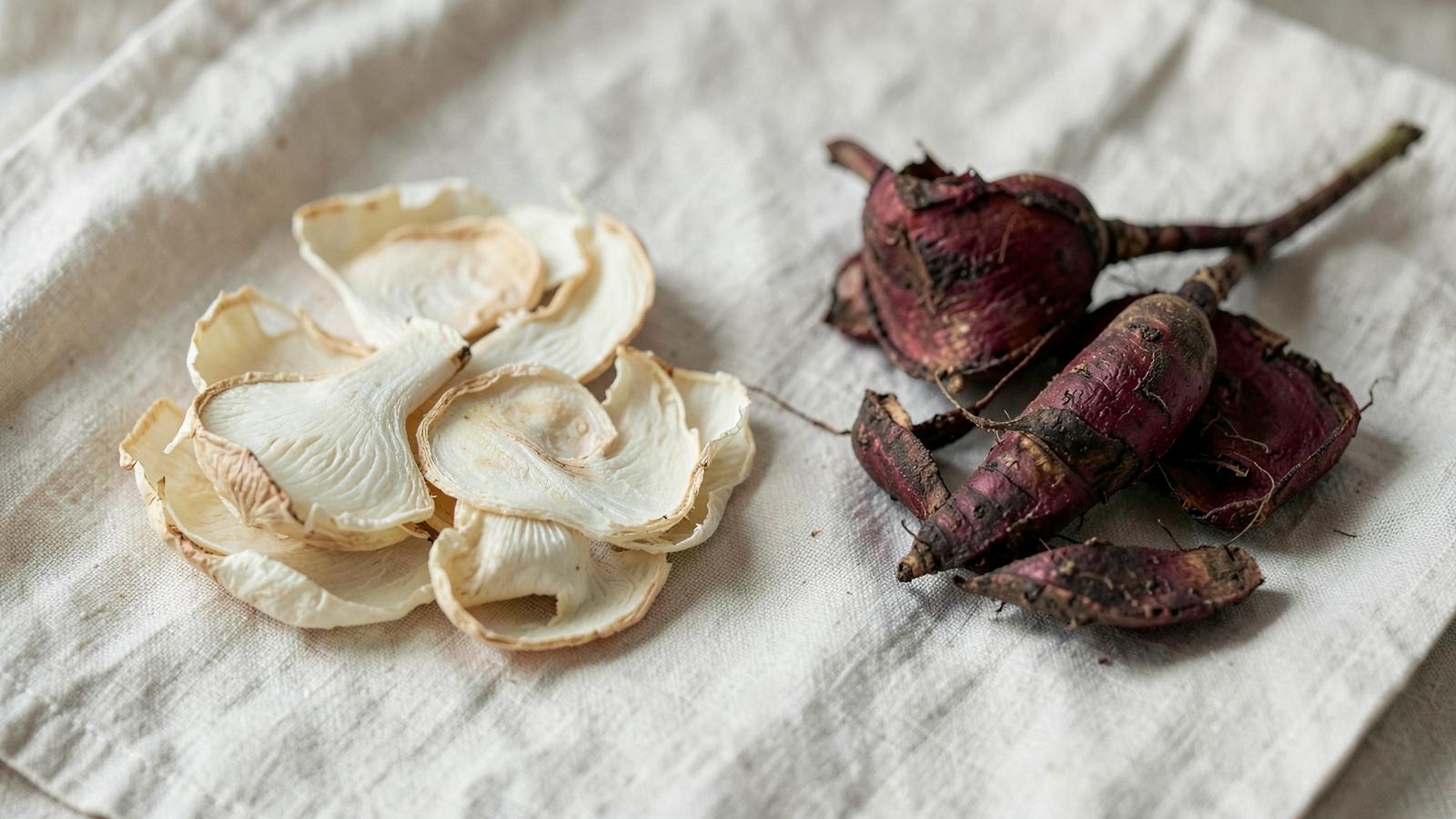
Bai Shao and Chi Shao are not simply “white flower versus red flower.” Their identity depends on botanical source, processing and traditional use.
White peony root and red peony root look like a perfect internet comparison: pale slices on one side, darker slices on the other. But the real story is more interesting. In Chinese herbal practice, Bai Shao and Chi Shao are different materia medica with different traditional roles. Yet both may come from Paeonia lactiflora, and the distinction has historically involved processing, cultivation, source species and regional practice — not merely the colour of the flower.
The naming trap
It is tempting to assume that white peony root comes from a white peony and red peony root from a red one. Historical and botanical research shows that this is too simple. Modern pharmacopoeial definitions distinguish the two by source and processing. White peony root is commonly associated with processed, peeled root of cultivated Paeonia lactiflora, while red peony root may be naturally dried root from P. lactiflora or related accepted species such as P. veitchii, depending on the standard being used.
Why processing matters
Peeling, boiling, drying conditions and cultivation can alter the chemistry of plant material. Studies comparing white and red peony roots have found differences in chemical profiles even when the botanical origin overlaps. That does not automatically prove that one preparation produces a specific clinical effect, but it helps explain why traditional systems treat processing as part of the medicine rather than as a cosmetic step.
Traditional roles
In traditional Chinese medicine, Bai Shao is commonly described in formulas concerned with patterns involving blood, pain, spasm and regulation, whereas Chi Shao is traditionally associated more with 'cooling blood', moving stasis and inflammatory or heat-type patterns. These phrases belong to the conceptual framework of TCM and should not be translated directly into Western biomedical diagnoses. A traditional category and a modern disease name are not interchangeable.
What researchers study
Paeonia lactiflora contains monoterpene glycosides, especially paeoniflorin, along with many other constituents. Extracts and isolated compounds are being investigated for anti-inflammatory, immunomodulatory and other biological effects. Much of this evidence comes from laboratory, animal or extract-based research rather than from trials proving that ordinary home-prepared root treats a specific condition. This is why a careful article must keep 'interesting mechanism' separate from 'established therapy'.
Why herbal comparisons need identity checks
Herbal products can vary by species, growing conditions, processing and authentication. A packet labelled 'peony root' is not enough information for medicinal use. In professional herbal systems, identity and preparation matter. For a general reader, the safest message is educational: learn the difference, appreciate the history, but do not self-prescribe potent herbs on the basis of a social-media chart.
The deeper lesson: preparation is information
White and red peony root show how traditional practices encoded information in processing. The same plant can become a different material after peeling, heating and drying. Modern chemistry can now measure some of those differences. It is a beautiful meeting point between old observation and new analysis — not proof that every traditional claim is correct, but evidence that processing deserves scientific attention.
Key takeaways
- 'White' and 'red' describe processing and tradition, not simply two different plants.
- Peeling, boiling and drying change the material and its traditional role.
- Herbal identity checks matter; peony products can interact with medicines and conditions.
Further reading
Enjoyed this?
Get the next one straight to your inbox.
Keep reading
Related articles
Explore more natural food, fermentation and wellness ideas from Ika’s Realm.
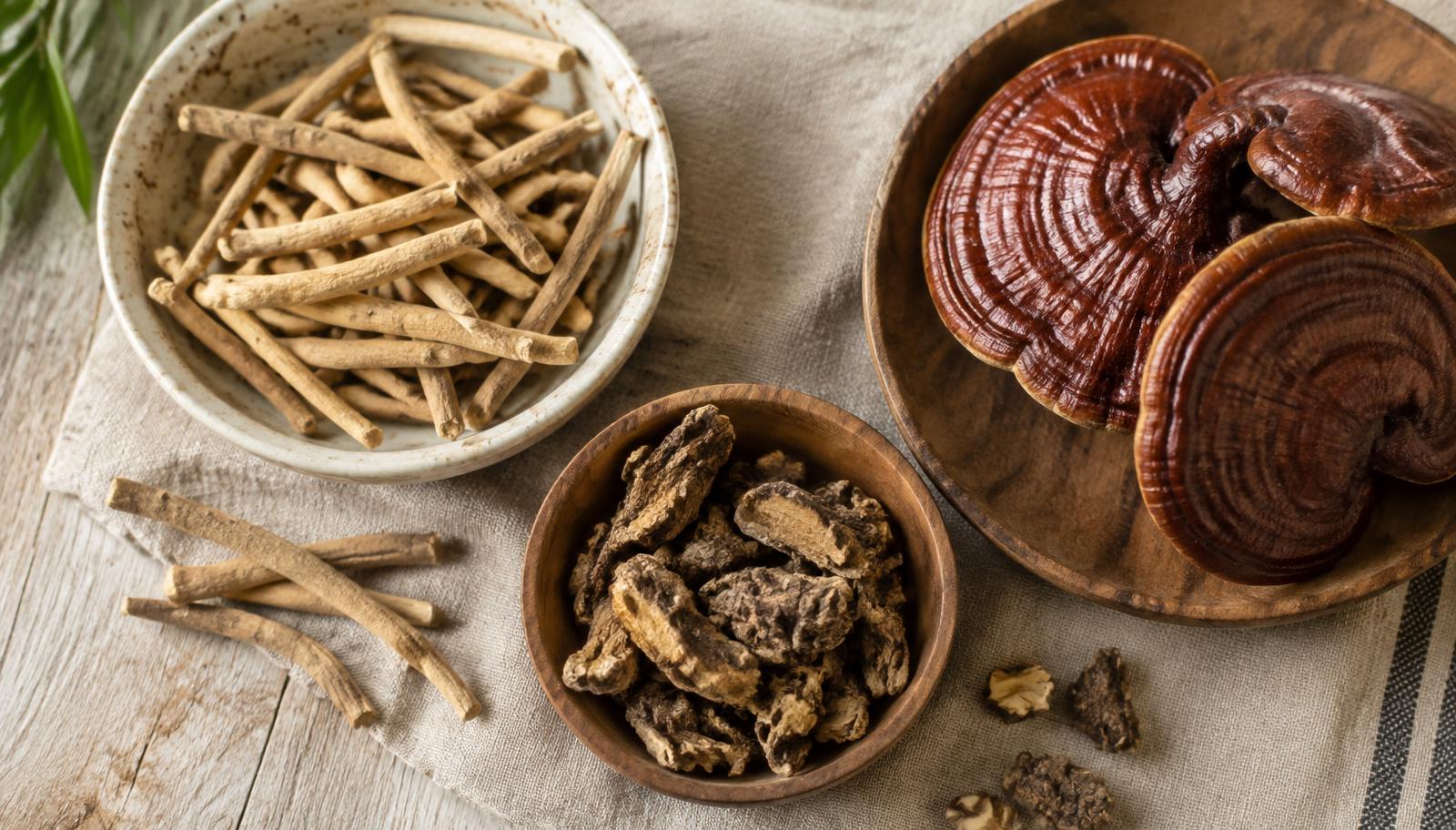
Adaptogens: An Honest Guide to What We Do and Don't Know
Ashwagandha, rhodiola, reishi — separating the tradition, the evidence and the marketing.
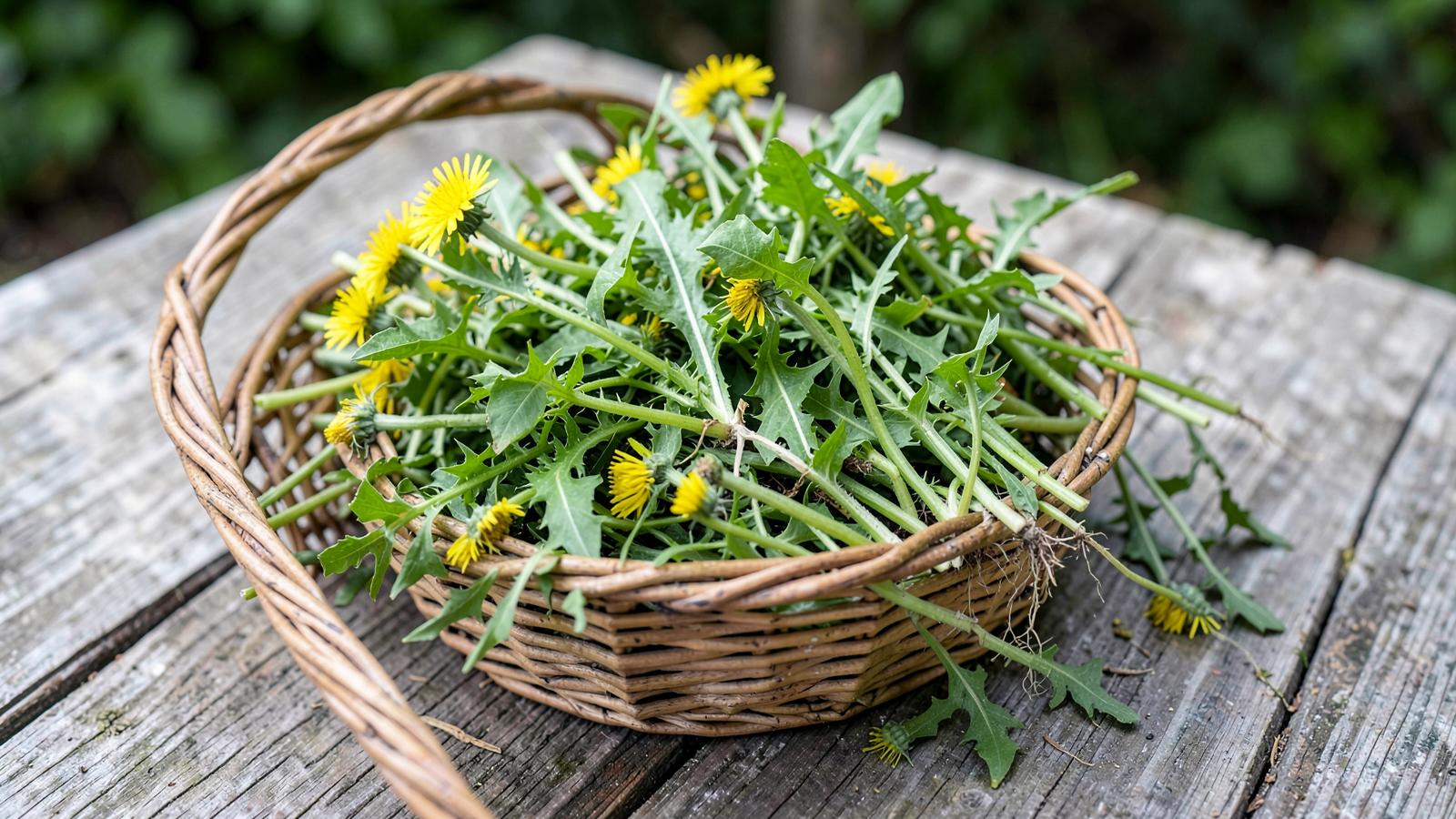
Dandelion Beyond Tea — Food, Tradition and the Science Behind a Familiar Wild Plant
Dandelion is leaf, flower, root, food, bitter flavour and traditional herb. Explore what is edible, what is studied, and where the evidence remains limited.
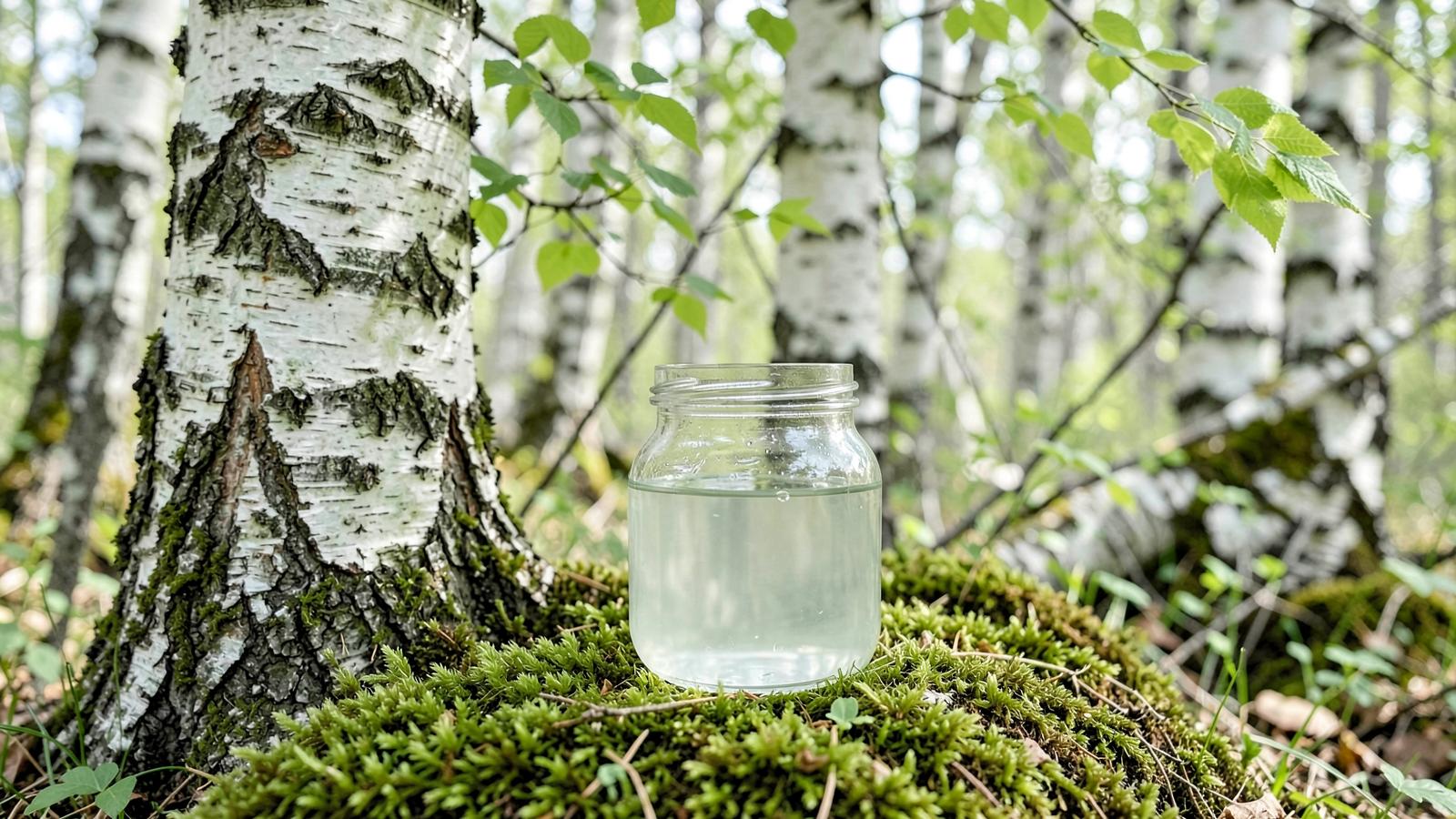
One Birch Tree, Many Gifts — Leaves, Sap, Bark and the Wisdom of Seasonal Use
Birch has been used for food, drink, craft and traditional herbal practice. Explore sap, leaves, bark, betulin and respectful seasonal harvesting.