Oat Kvass — A Forgotten Fermented Drink Worth Rediscovering
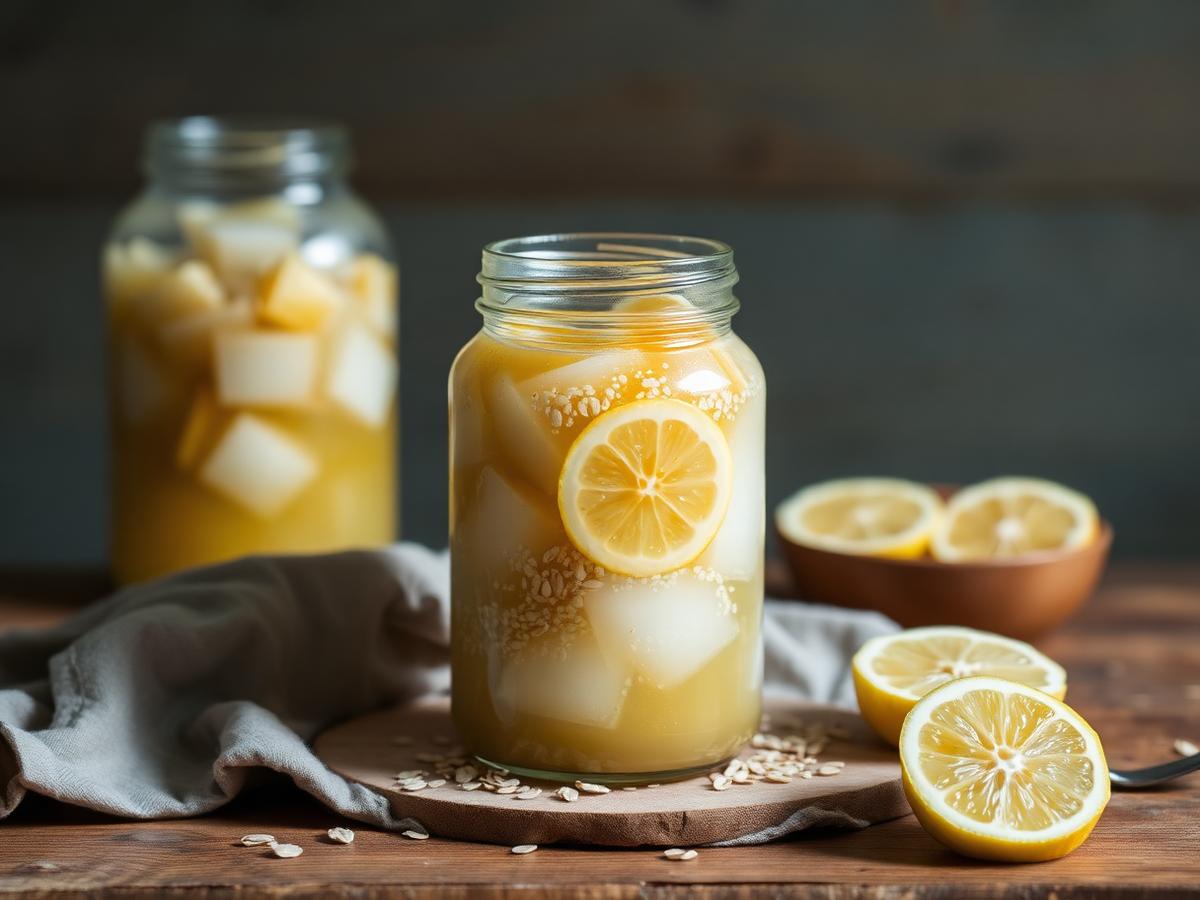
Gently sour, faintly sweet and lightly fizzy: how to make a kvass-style oat ferment at home, and how to tell a good one from a bad one.
Kvass is one of Eastern Europe's oldest everyday drinks — a lightly fermented, low-alcohol beverage traditionally made from stale rye bread, water and a little sweetness, brewed in households across Russia, Ukraine, Poland and the Baltics for centuries. It was cheap, it used up bread that would otherwise be wasted, and it was refreshing in a way plain water was not.
Grain fermentation is a partnership. Wild yeasts consume the available sugars and produce carbon dioxide and a trace of alcohol; lactic acid bacteria produce the acidity that gives kvass its clean sour edge and helps keep less welcome organisms out. Starch from the grain slowly feeds the process as enzymes break it down into simpler sugars.
A word on naming, because it matters. Traditional kvass is a rye-bread drink with a long cultural history in Eastern Europe. What we make here is a kvass-style oat ferment: the same principle, a different grain, and a modern interpretation rather than an authentic recipe. Oats also carry beta-glucans, a soluble fibre, which give the finished drink a slightly fuller body.
Oat kvass differs from bread kvass in both starting point and character. Bread kvass begins with an already-baked, toasted product, which brings colour, caramelised depth and a malty flavour. Oats start raw, so the result is paler, softer and milkier — creamier and more delicate, with less of that dark bready bitterness.
Because it is a live ferment, oat kvass will contain yeasts and lactic acid bacteria, and people have valued fermented drinks for a very long time. It is worth being careful with the language, though: whether any particular home ferment delivers a meaningful probiotic effect is not something you can establish in a kitchen, and the evidence on fermented foods and health, while genuinely interesting, is still developing. Make it because it is delicious and cheap.
Flavour develops in stages you can taste. Day one is barely changed. By day two there is a faint yeasty sweetness and the first bubbles. Day three brings genuine tartness, and by day four most batches are sharper than pleasant. Where you stop is a matter of taste, not rules.
Temperature is the main lever you have. At 18-20°C a batch takes two to three days and develops in a balanced way. Above 25°C it races, tastes rougher and is more likely to go wrong. Below 16°C it may simply sit there.
Hygiene is the second lever, and the less glamorous one. Clean, scalded jars, clean utensils, clean hands, and a cloth cover that keeps insects out while letting gas escape. Stir daily so the grain does not sit dry on the surface.
Once bottled and refrigerated, oat kvass is best within about a week. It stays alive in the fridge, so pressure continues to build slowly — burp sealed bottles.
Recipe card
How to Make It
Ingredients
- 150 g whole rolled oats or steel-cut oats (not instant)
- 1.5 litres filtered water, at room temperature
- 2 tbsp raw honey or unrefined sugar
- 1 tbsp raisins (they carry wild yeasts and help carbonation)
- 2 strips unwaxed lemon peel
- Optional starter: 2 tbsp liquid from a previous successful batch
Equipment
- 2-litre glass jar, scrupulously clean
- Clean cloth and elastic band
- Fine sieve or muslin
- Bottles with sealable lids for the second stage
Method
- 1Rinse the oats well, then put them in the clean jar with the sugar or honey, raisins and lemon peel.
- 2Pour over the room-temperature water, leaving 5 cm of headspace, and stir to dissolve.
- 3Cover with the cloth and band — the ferment needs airflow but not insects.
- 4Keep at 18-22°C, out of direct sun, and stir once or twice a day with a clean spoon.
- 5From day 2, taste a small spoonful daily from a clean spoon (never dip a used one back in). It is ready when it is pleasantly tart, faintly yeasty and just barely fizzy.
- 6Strain through muslin into clean bottles, leaving the oats behind.
- 7Optional second stage: seal the bottles at room temperature for no more than 12-24 hours for extra fizz, burping them at least twice — sealed bottles build real pressure. Use bottles designed for fermentation or sturdy swing-top bottles, never ordinary glass jars or bottles that could shatter.
- 8Refrigerate as soon as bottling is done. Drink chilled within 5-7 days.
Allergen information
Contains oats. Oats are naturally free from gluten-containing cereals but are very often cross-contaminated with wheat, barley and rye during growing and milling — if you avoid gluten, buy oats specifically labelled gluten-free. Contains honey unless you use sugar, so it is not suitable for babies under 12 months, and honey versions are not vegan. Raisins and dried lemon peel may carry sulphites; check the packet.
Storage
Refrigerate immediately after bottling and burp sealed bottles daily. Cold slows the ferment right down but does not stop it, so pressure keeps building slowly. Best within 5-7 days, and discard rather than keep a bottle you are unsure about.
Serving ideas
- Chilled and plain, with ice and a wedge of lemon.
- Topped with sparkling water and mint as a long summer drink.
- Splashed into a rye or sprouted-grain dough for depth.
- As a tart base for a cold beetroot or cucumber soup.
Ika's Realm notes
- The reserved oats can be used once more for a lighter second batch, then composted.
- Warmer rooms ferment much faster — in a 26°C kitchen it can be ready in around 36 hours, and it is also more likely to go wrong.
- Two tablespoons of a previous successful batch makes each subsequent one more predictable.
- Like all wild ferments, kvass contains a small amount of alcohol — usually well under 1% but variable and impossible to measure at home. Bear that in mind for children, pregnancy, and anyone avoiding alcohol.
Key takeaways
- Oats give a paler, creamier, milder kvass than traditional rye bread.
- 18-22°C, daily stirring and clean equipment do most of the work.
- Cloudy, bubbly and sour is normal; fuzzy, slimy or putrid means discard.
Enjoyed this?
Get the next one straight to your inbox.
Keep reading
Related articles
Explore more natural food, fermentation and wellness ideas from Ika’s Realm.
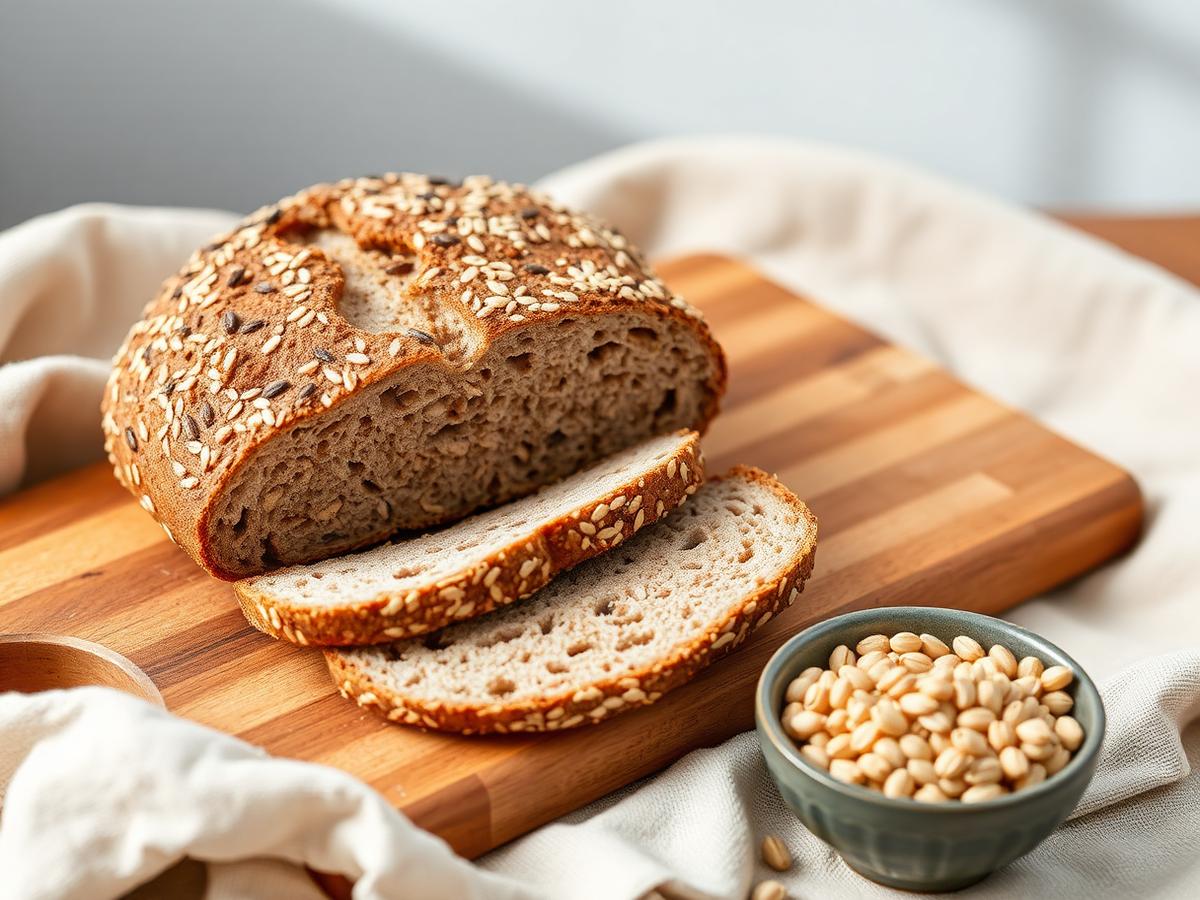
Sprouted Grain Bread — What Changes When a Seed Begins to Grow?
Germination wakes up a grain's enzymes and rewrites its starches. Here's what actually happens, and a reliable loaf to bake with the result.
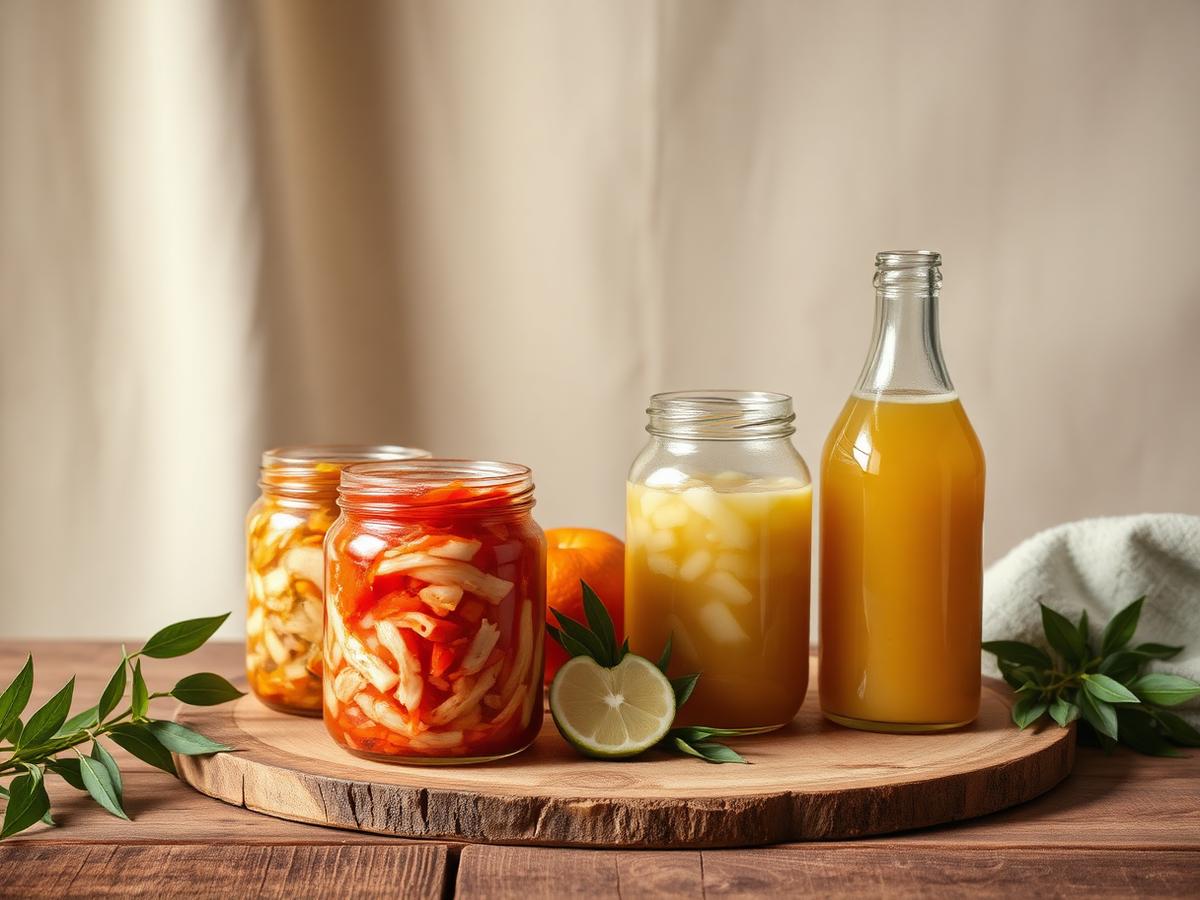
Beginner's Sauerkraut: Two Ingredients, Endless Payoff
Cabbage, salt and patience. Everything you need to make your first successful ferment — and how to know it's going right.
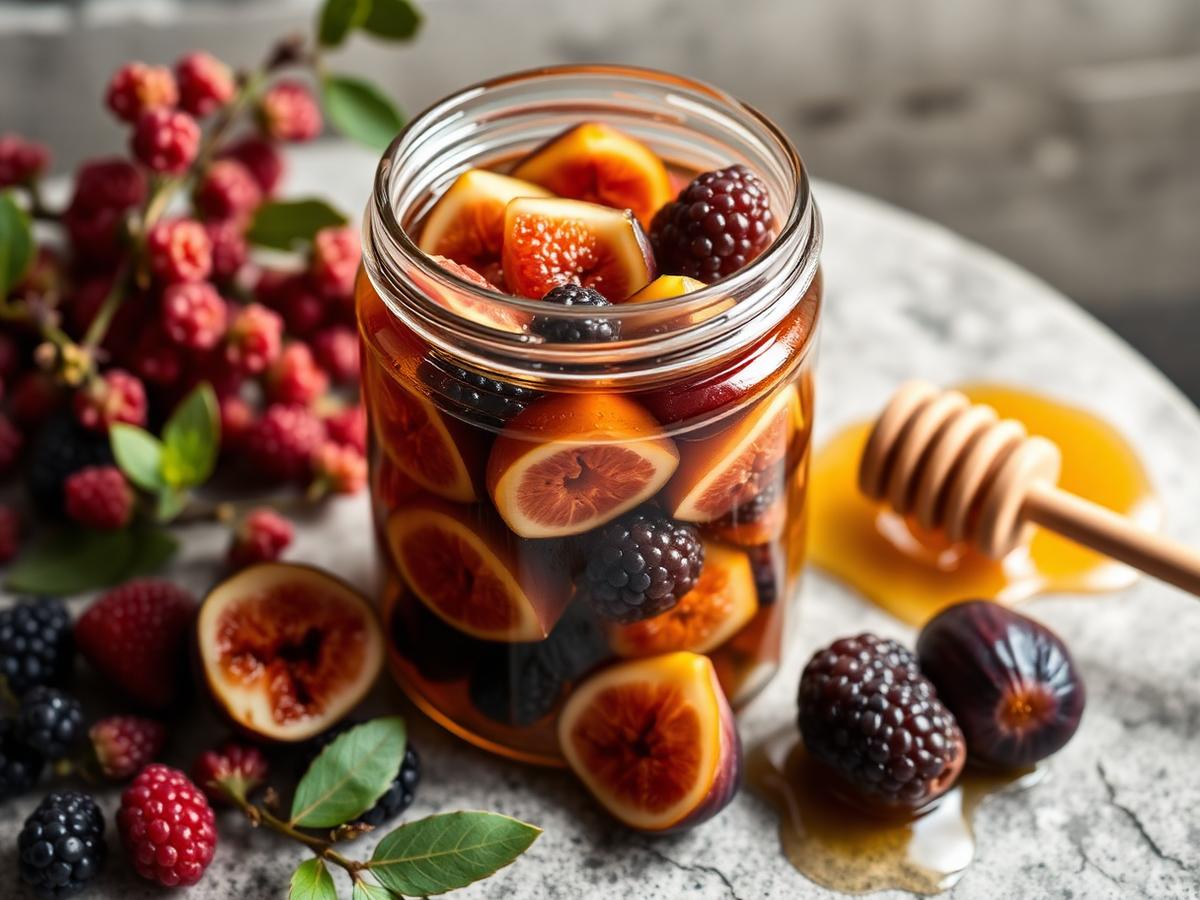
Honey-Preserved Fruit — Rediscovering an Ancient Kitchen Idea
Fruit macerated in honey is one of the oldest ideas in the kitchen. Here's what honey really does, what it doesn't, and how to do it safely today.