Herbal Lactic Fermentation and “Bolotov Kvass” — Tradition, Microbes and Safety
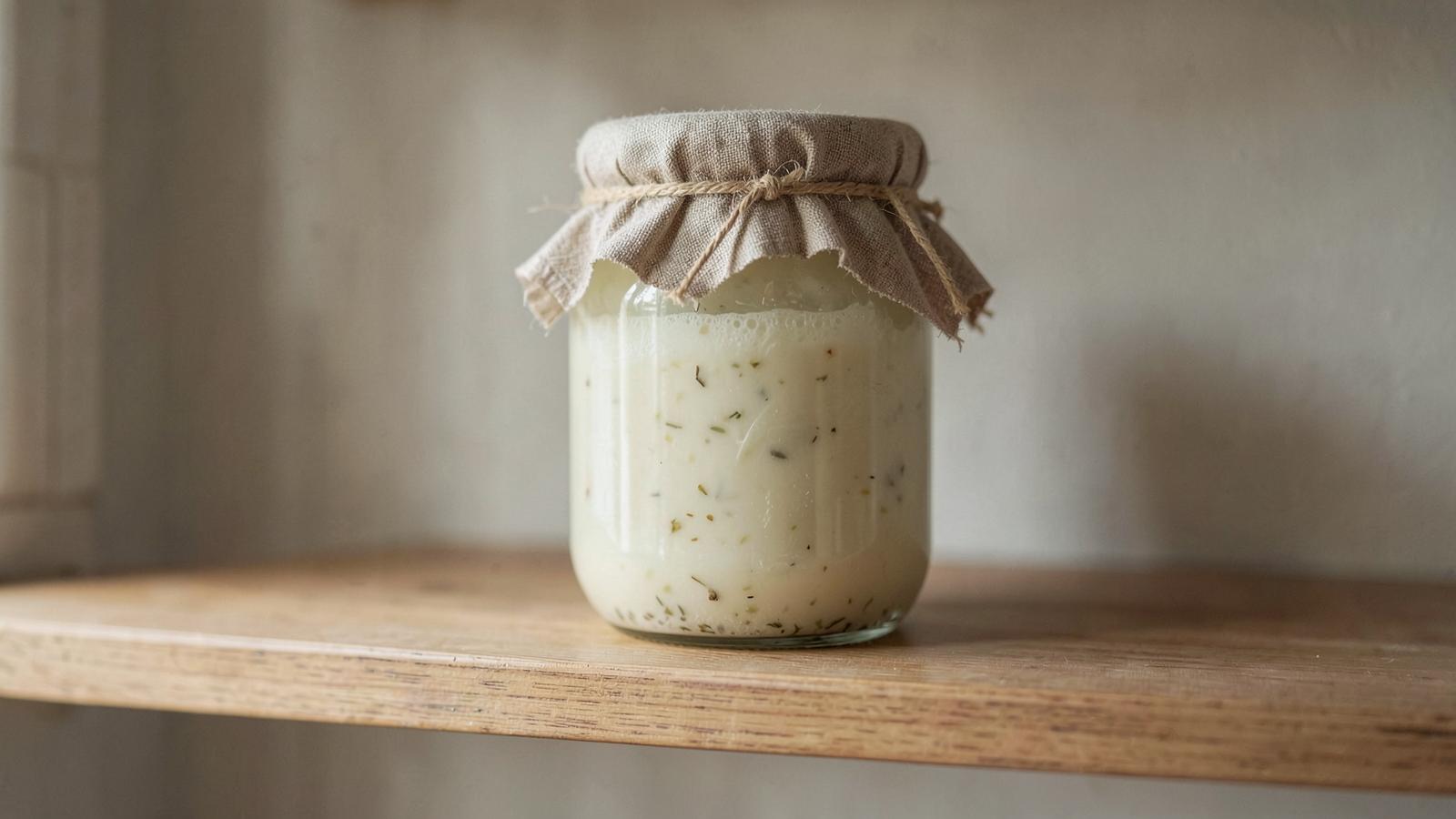
Herbal ferments often called “Bolotov kvass” mix plant material with lactic fermentation. The microbiology is fascinating, but recipes vary and safety matters.
Across the internet, the name 'Bolotov kvass' is used for several herbal ferments in which plant material is combined with a dairy or lactic starter and allowed to sour. Some recipes pour hot water over herbs, cool the infusion, add cultured cream or another source of lactic-acid bacteria, then ferment while stirring and removing surface growth. The idea is intriguing because fermentation really can transform plant chemistry. The problem is that the name is not a standardised food category, recipes vary widely, and some versions use herbs that should not be treated casually.
What lactic fermentation does
Lactic-acid bacteria consume available carbohydrates and produce organic acids, lowering pH and changing flavour, aroma and texture. In vegetables and other plant foods, these microbes can also transform phenolic compounds and may alter their bioaccessibility. Modern reviews describe lactic fermentation as a genuine biotransformation tool. That does not mean every fermented herb becomes safer or more medicinal. Fermentation changes chemistry; it does not erase toxicity.
Why the starter matters
Traditional ferments often rely on microbes already present on ingredients or in a mature culture. Using raw, unpasteurised dairy introduces a far less predictable microbial mixture, including possible pathogens. For a home educational recipe, a safer principle is to use pasteurised cultured dairy or a defined food-grade lactic starter rather than raw cream. Clean equipment, controlled temperature, adequate acidity and refrigeration after fermentation matter more than romantic ideas about 'wildness'.
Herbs are not interchangeable
One of the biggest problems with copying old or online recipes is the assumption that any herb can be fermented and drunk. Plant identity, dose and toxicology still apply after fermentation. Greater celandine, for example, appears in some internet versions of Bolotov-style ferments, yet oral greater-celandine products have been linked to clinically apparent liver injury. Ika’s Realm should never publish a drinking recipe using a potentially hepatotoxic herb merely because a traditional or online source calls it cleansing.
A safer way to explore the idea
The interesting concept can be explored with ordinary edible botanicals: mint, lemon balm, ginger, culinary rose, hibiscus, berry leaves known to be edible, or tea. Even then, a recipe needs enough fermentable carbohydrate, a reliable starter and a measurable endpoint. A pleasant sour smell is not a laboratory test. When possible, pH strips or a meter add useful information, and any mould, rotten odour, unusual colour or pressure problem is a reason to discard the batch.
What can reasonably be claimed
A fermented herb drink may contain organic acids, microbial metabolites and transformed plant compounds. Depending on the process, it may or may not contain live microbes by the time it is consumed. It is reasonable to discuss fermentation chemistry and traditional practice. It is not reasonable to promise that the drink 'cleanses the blood', cures chronic disease or delivers a standard probiotic dose without testing.
Old technique, modern guardrails
Fermentation is one of humanity’s oldest technologies, and that is exactly why it deserves respect rather than mysticism. Our ancestors learned through observation and repeated practice; we can add microbiology, temperature control, species identification and food-safety knowledge. The result is not less traditional. It is a safer continuation of the same curiosity.
Key takeaways
- Lactic fermentation acidifies a liquid; it does not neutralise a toxic plant.
- The starter choice matters — raw dairy is not a sensible default at home.
- Some herbs, including greater celandine, are not suitable for casual drinking.
Further reading
Enjoyed this?
Get the next one straight to your inbox.
Keep reading
Related articles
Explore more natural food, fermentation and wellness ideas from Ika’s Realm.
Oat Kvass — A Forgotten Fermented Drink Worth Rediscovering
Gently sour, faintly sweet and lightly fizzy: how to make a kvass-style oat ferment at home, and how to tell a good one from a bad one.
Beginner's Sauerkraut: Two Ingredients, Endless Payoff
Cabbage, salt and patience. Everything you need to make your first successful ferment — and how to know it's going right.
Fermentation Is Controlled Ecology — What Really Happens in a Jar
A ferment is a tiny ecosystem shaped by salt, temperature, oxygen, acidity and time. Learn how microbes compete, cooperate and transform food.