Stocking an Autumn Pantry: Small Habits That Make Everyday Cooking Easier
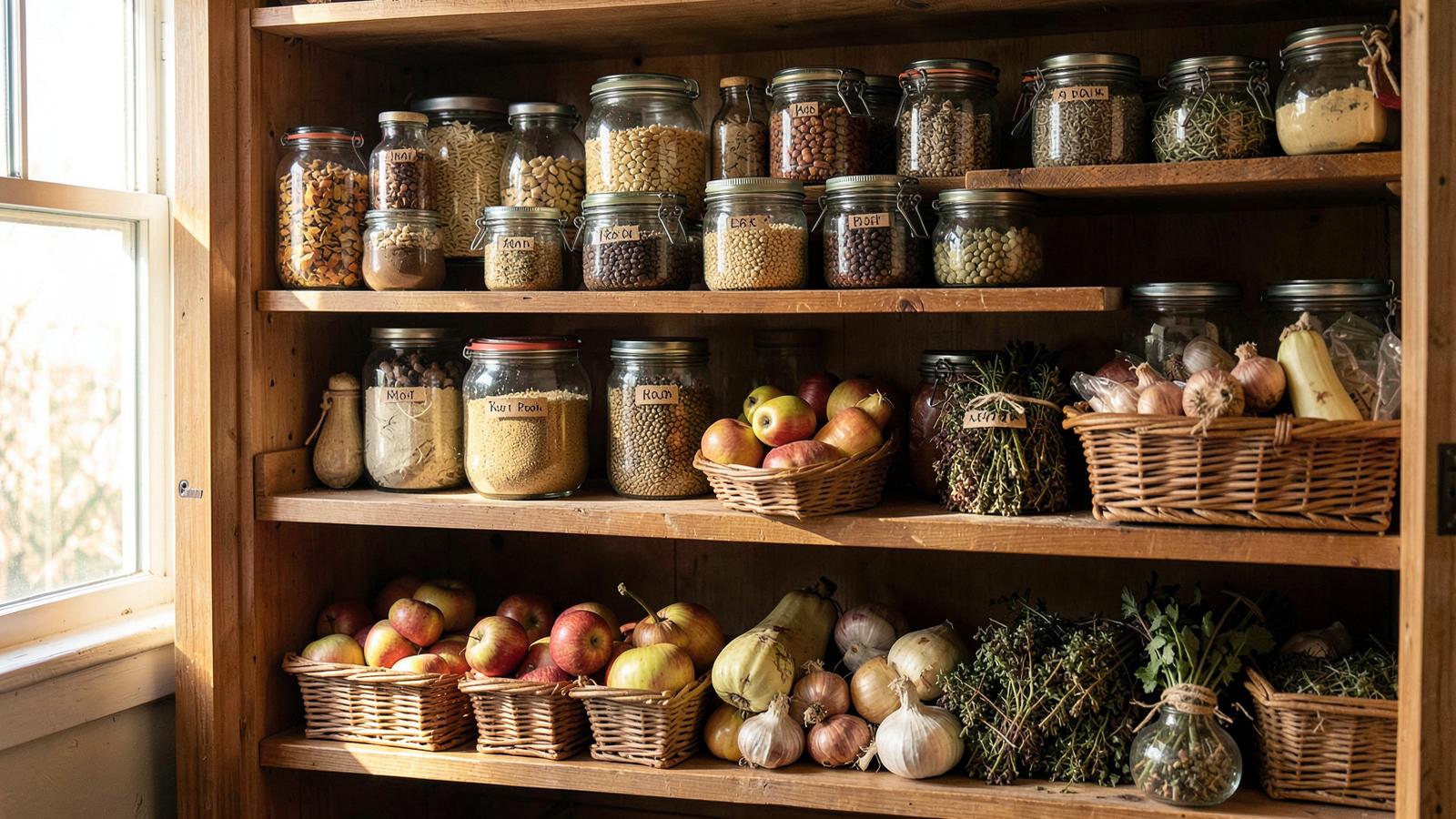
Build a practical autumn pantry around meals you enjoy, with simple organisation, sensible shopping and an introduction to safe preserving.
An autumn pantry does not have to be a room lined with identical jars. It may be one kitchen shelf, a drawer of familiar ingredients and a few labelled portions in the freezer. Its value is measured by the meals it helps you make, especially on the days when you have little energy left.
The idea is simple: keep ingredients that work together, know where they are, and use them before buying more. A beautiful cupboard can be satisfying, but a useful one is built around the way your household actually eats.
Begin with three meals, not thirty ingredients
Before making a shopping list, choose three dependable meals. Perhaps they are lentil soup, tomato pasta and a tray of roasted vegetables with beans. Write down what each needs and notice the overlap.
Onions, tinned tomatoes and lentils may support several dinners. A jar of an unfamiliar grain supports none if you never feel like cooking it. There is room for curiosity, but it need not be the foundation of your food budget.
Think of a pantry in roles: something substantial, something that adds flavour, and something that makes a meal feel finished. A tin of beans, smoked paprika and a spoonful of yoghurt can do more together than a shelf of unrelated special purchases.
Build a shelf around your own cooking
| Role | Examples to choose from | A meal they can support |
|---|---|---|
| Filling base | Oats, rice, pasta, barley | Porridge, soup or a simple supper |
| Pulses | Tinned chickpeas, beans, dried lentils | Stew, mash, salad or soup |
| Flavour | Tinned tomatoes, stock, dried herbs, spices | A sauce or a warmer-tasting pot |
| Baking | Your usual flour, yeast or baking powder | A familiar loaf or bake |
| Finishing touches | Nuts, seeds, dried fruit | Texture for breakfast or a dessert |
Choose a few you already use. There is no need to buy every example. Food that remains untouched is not made economical by being bought in bulk.
Let autumn produce join the cupboard
A whole culinary squash, a few apples and ingredients for a warm soup can bring the season into an ordinary week. Buy amounts that fit your storage space and your plans. A bargain box is only a bargain if its contents become food.
Keep fresh produce in suitable conditions for the particular food. Use damaged or rapidly ripening items promptly when still safe, rather than hiding them beneath newer purchases. Set aside ten minutes once a week to look at what needs attention.
That short check can become a meal plan: softening apples suggest a cooked fruit topping; half a squash suggests lunch; a nearly finished loaf suggests breadcrumbs or a baked pudding. Mouldy bread belongs in the bin, not in a recipe.
Organise for visibility
Put older items in front. Give opened packets a designated place. Keep dates and instructions attached: if you transfer flour or grains into another container, preserve the original product details, including allergens and storage guidance.
Jars should solve a problem such as a packet that spills or an ingredient you cannot see. They need not all match. Do not spend the pantry budget on containers before you know which sizes you need.
An “eat next” box works well for shelf-stable foods nearing their best-before date. Treat use-by dates differently: follow the safety date and any instructions about storage or use after opening. [1]
Preserving is a method, not a look
Homemade preserves belong to a long tradition of making harvests last. They also require the right process. A clean jar and a lid that closes do not make an improvised soup, vegetable paste or garlic oil safe to store at room temperature. Home preserving can carry botulism risks. Use a reliable tested method appropriate to the food, rather than adapting quantities or processing steps casually. [2]
If your aim is simply easier meals, the freezer may be a more convenient first step. Freeze suitable foods in useful portions, label them clearly and follow food-specific guidance. Do not turn an ordinary batch-cooking afternoon into an unplanned preserving project.
A twenty-minute pantry reset
First, remove everything from one shelf. Clean the surface and check the food. Put back what you use most where you can reach it easily. Make a short list of meals supported by what is already there. Finally, write down only the missing ingredients.
Stop after that shelf if that is all the time you have. A manageable system is more likely to survive than a perfect arrangement that takes a whole weekend to maintain.
The reward is a small reduction in daily decisions. On a tired evening, you open the cupboard and see the beginning of dinner. That is enough reason to build an autumn pantry.
Further reading
Enjoyed this?
Get the next one straight to your inbox.
Keep reading
Related articles
Explore more natural food, fermentation and wellness ideas from Ika’s Realm.
Stocking an Autumn Pantry the Old Way — A Practical Guide to a Season of Plenty
Build an autumn pantry with roots, apples, grains, dried herbs, ferments, preserves and practical rotation — inspired by old seasonal habits, adapted to a modern home.
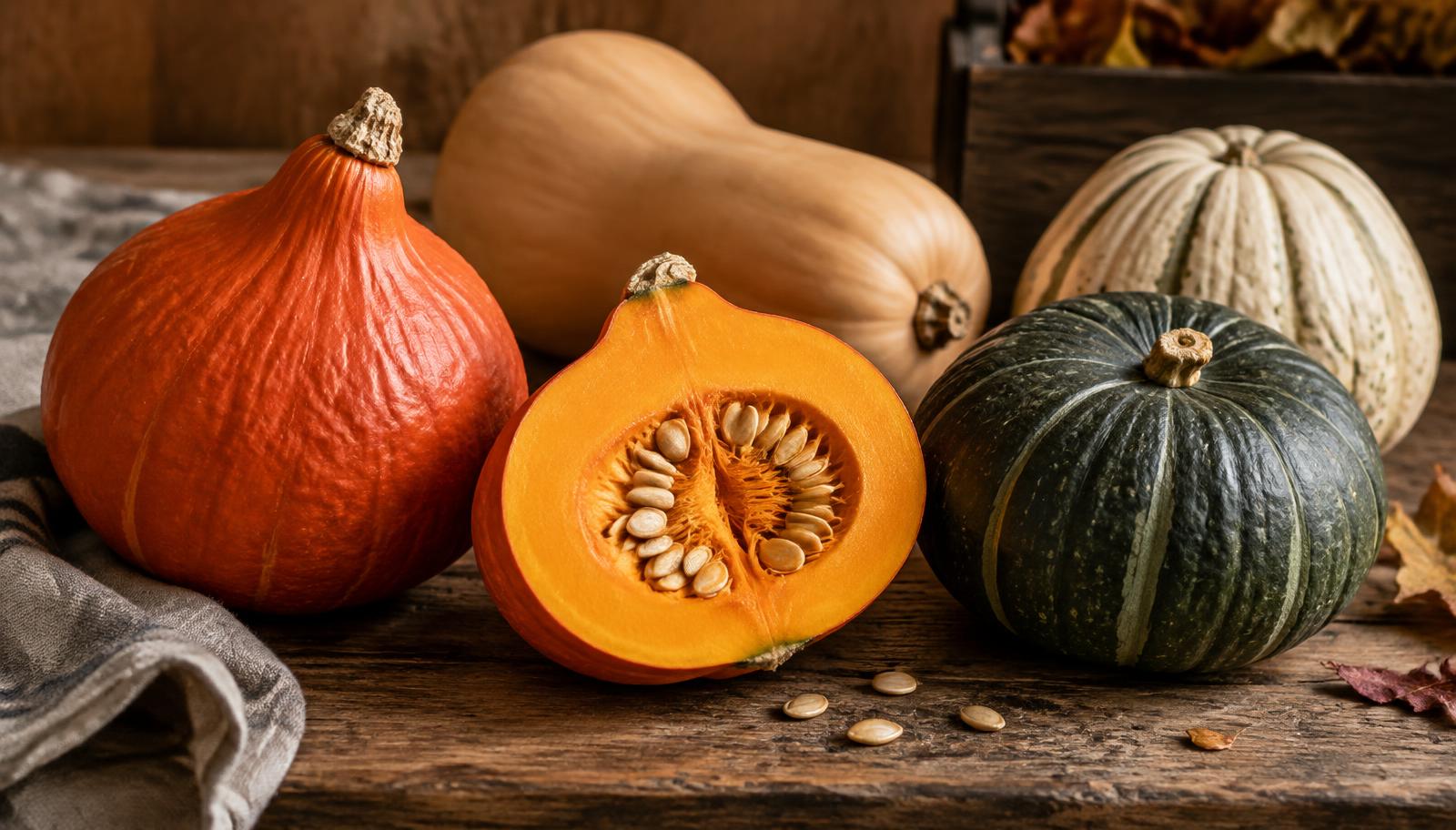
Beyond the Orange Pumpkin: An Autumn Guide to Squash, Flavour and a Cosier Kitchen
Explore autumn pumpkins and winter squash, their flavours, nutrition and practical uses, with cosy meal ideas and tips to waste less.
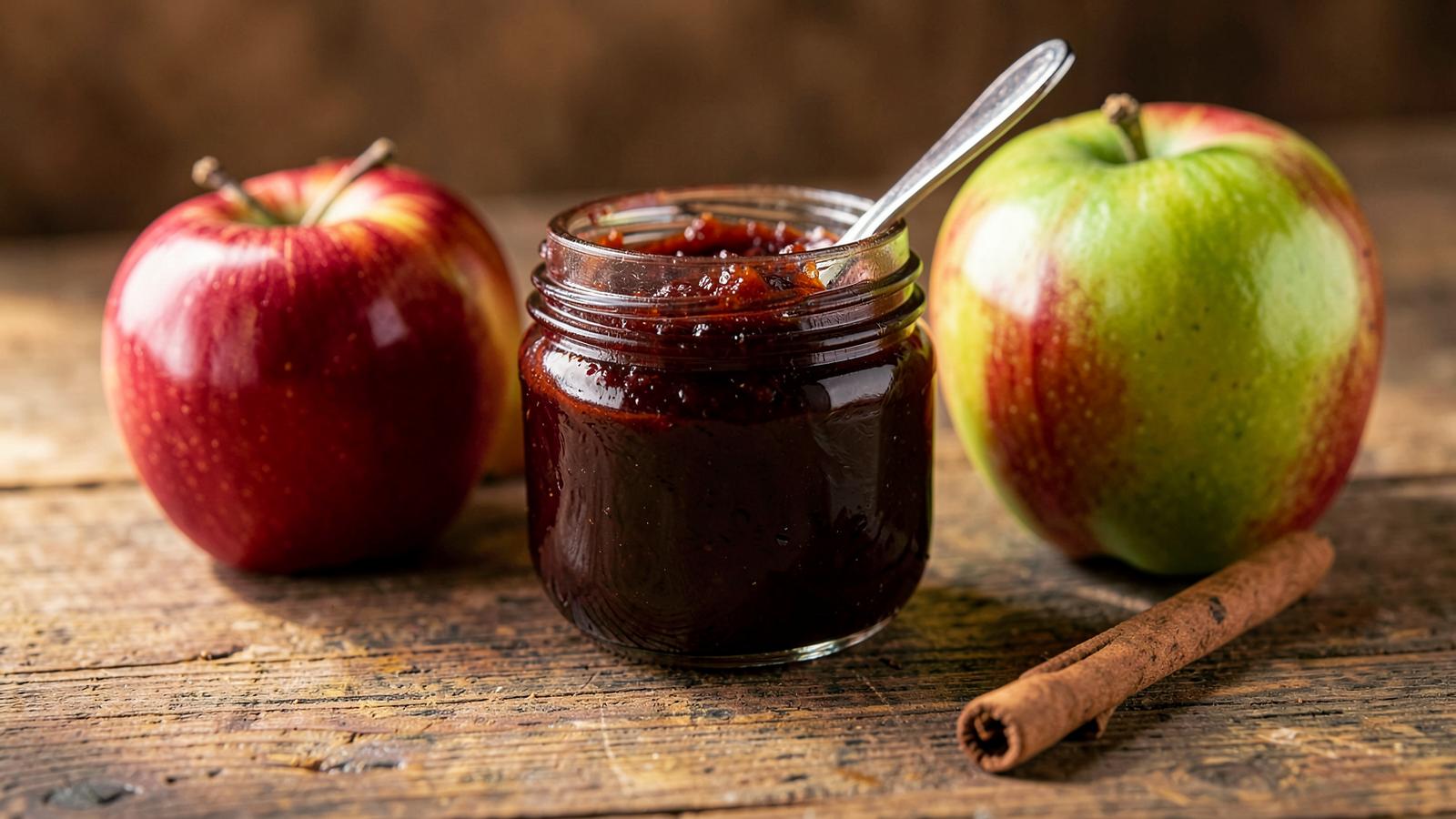
Apple Butter — Slow-Cooked Apples Turned Into Caramel-Like Spread
Apple butter is made by cooking apples slowly until concentrated, dark and glossy. Cinnamon, lemon and time do the rest.