Building High-Protein, Gluten-Free Meals That Actually Fill You Up
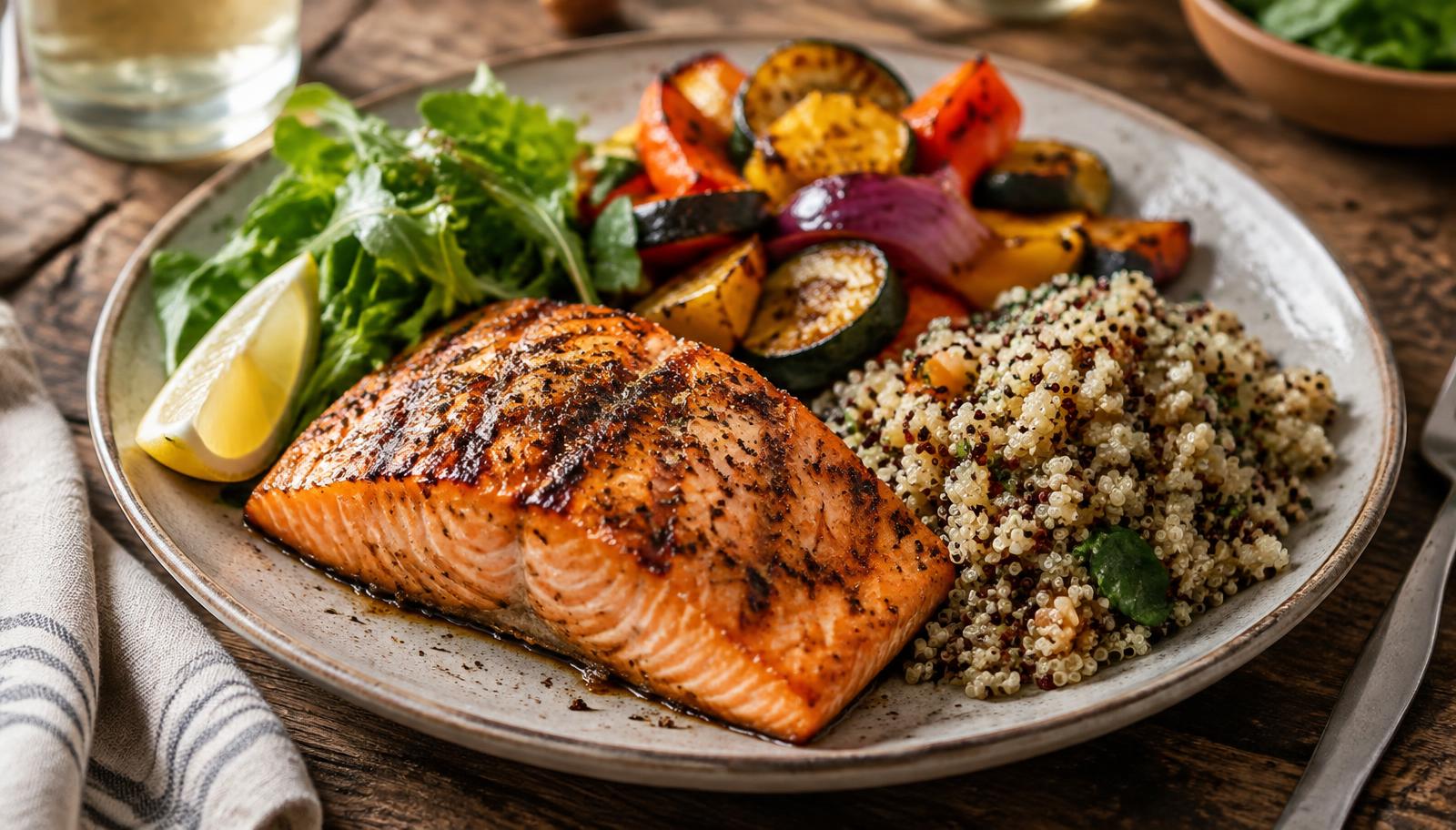
A practical framework for assembling bowls with 30g+ of protein, no gluten, and enough fibre to keep energy steady.
A bowl feels satisfying when three things are present: enough protein, enough fibre, and enough fat to carry flavour. Miss one and you're hungry an hour later.
Aim for 25-35g of protein per main meal. Combining a pulse with a seed-and-grain base gets you most of the way there; a dairy or soy element closes the gap.
Gluten-free doesn't have to mean refined. Quinoa, buckwheat, millet and legumes all bring minerals and resistant starch that highly processed gluten-free products lack.
Recipe card
How to Make It
Ingredients
- 150 g quinoa, rinsed
- 1 tin butter beans, drained
- 300 g roasted squash and beetroot
- 2 handfuls rocket or baby kale
- 3 tbsp toasted sunflower and pumpkin seeds
- 200 g thick yoghurt or coconut yoghurt
- Lemon, olive oil, sea salt
Method
- 1Cook quinoa in salted water, 15 minutes, then rest covered for 5.
- 2Roast the vegetables at 200°C for 25 minutes until edges caramelise.
- 3Warm the beans with olive oil, lemon zest and a pinch of salt.
- 4Build: greens, quinoa, vegetables, beans, yoghurt, seeds.
- 5Finish with lemon juice, olive oil and flaky salt.
Key takeaways
- Protein anchor + fibre base + fat finisher = a bowl that holds.
- Batch-roast vegetables once for three days of meals.
- Toast seeds — the flavour difference is enormous for zero effort.
Enjoyed this?
Get the next one straight to your inbox.
Keep reading
Related articles
Explore more natural food, fermentation and wellness ideas from Ika’s Realm.
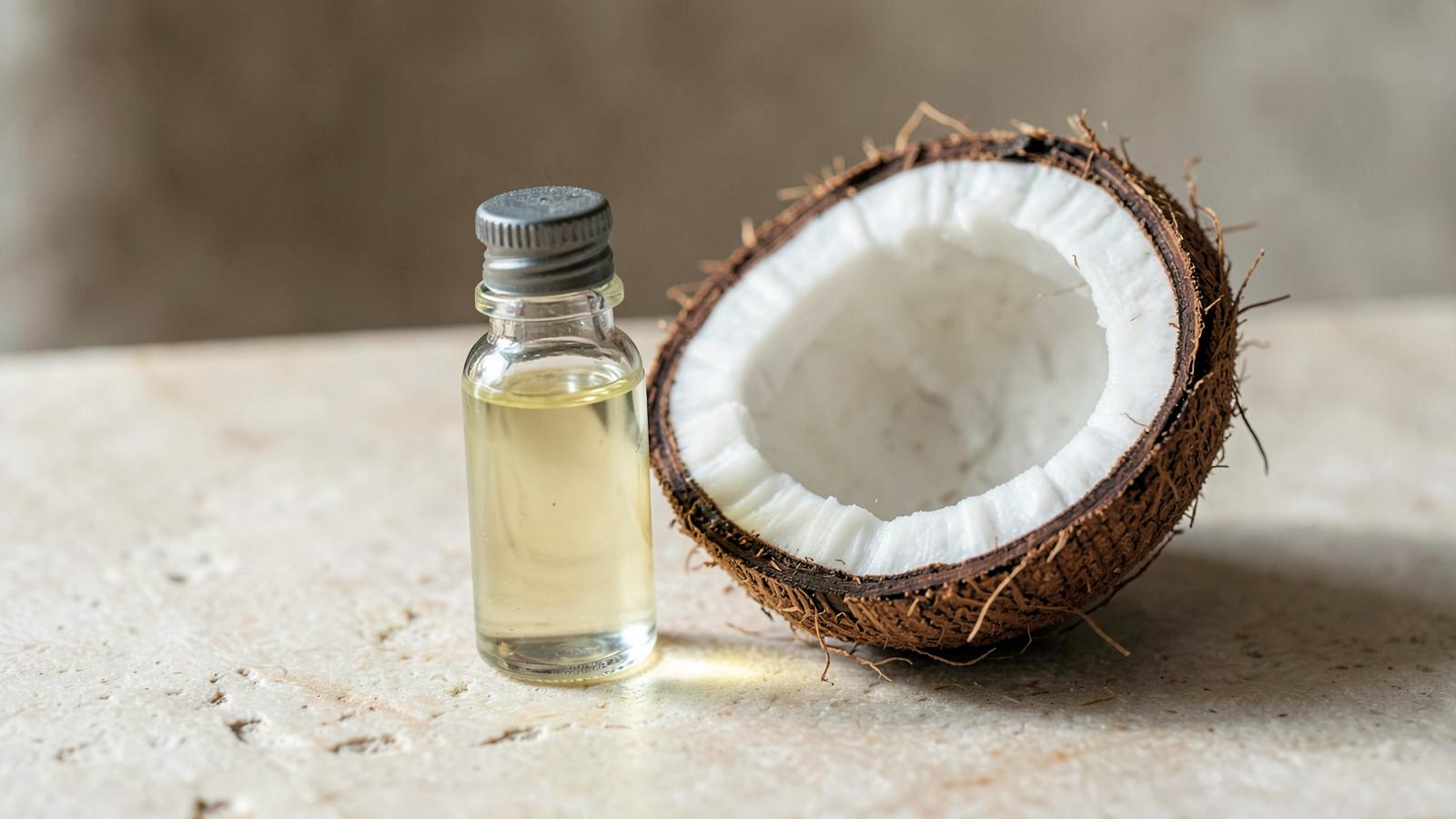
MCT Oil — Why Medium-Chain Fats Take a Different Metabolic Route
MCT oil is absorbed and handled differently from many long-chain fats. Here is what C8 and C10 can do, why ketones rise, and where the claims outrun the evidence.
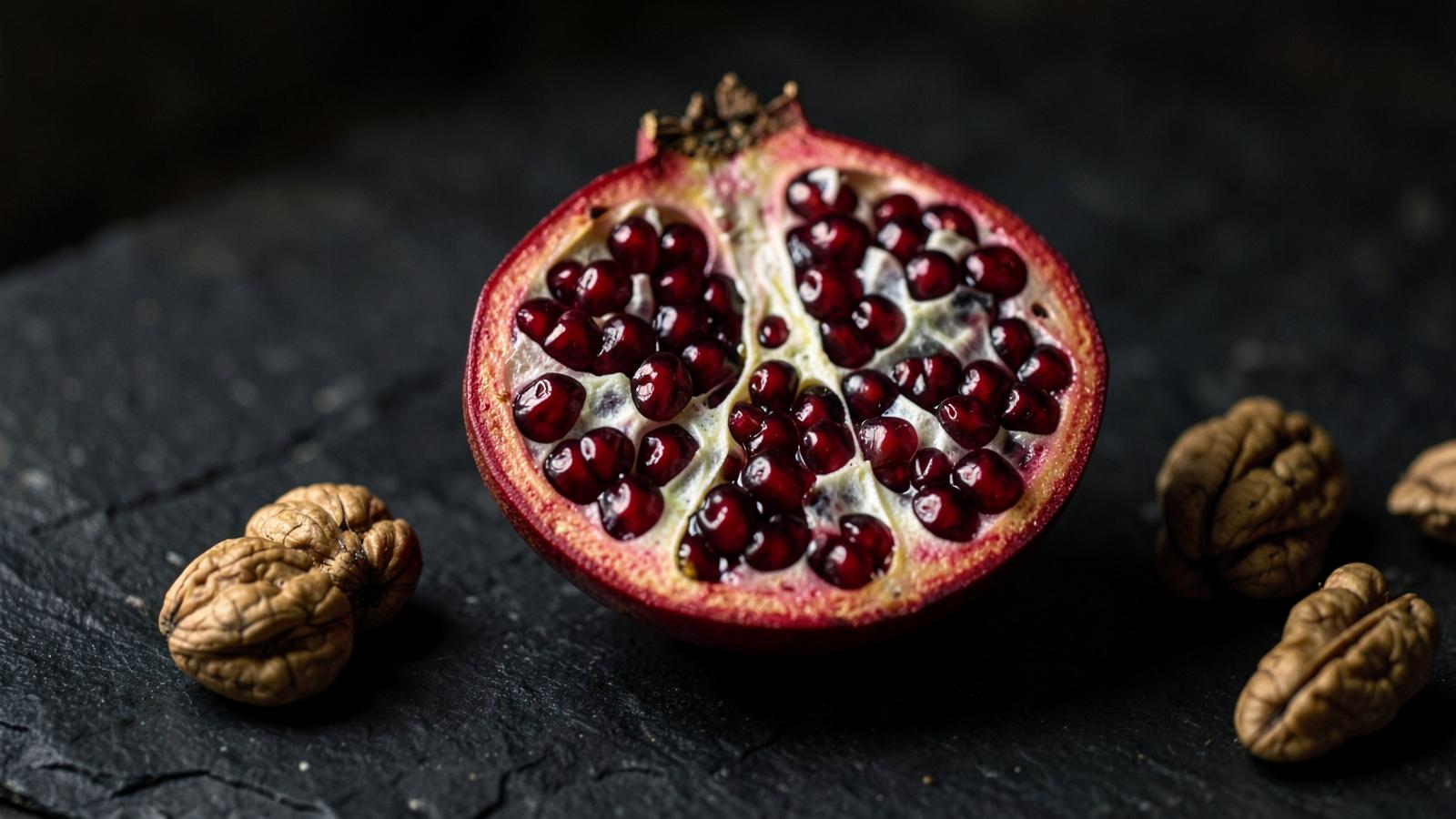
Urolithin A — Gut Microbes, Mitophagy and Mitochondrial Renewal
A compound found in pomegranates does not simply "become urolithin A" in everyone. Gut microbes transform ellagitannins into metabolites, and only some people produce meaningful amounts. That makes urolithin A a fascinating story about food, microbes and mitochondrial research.
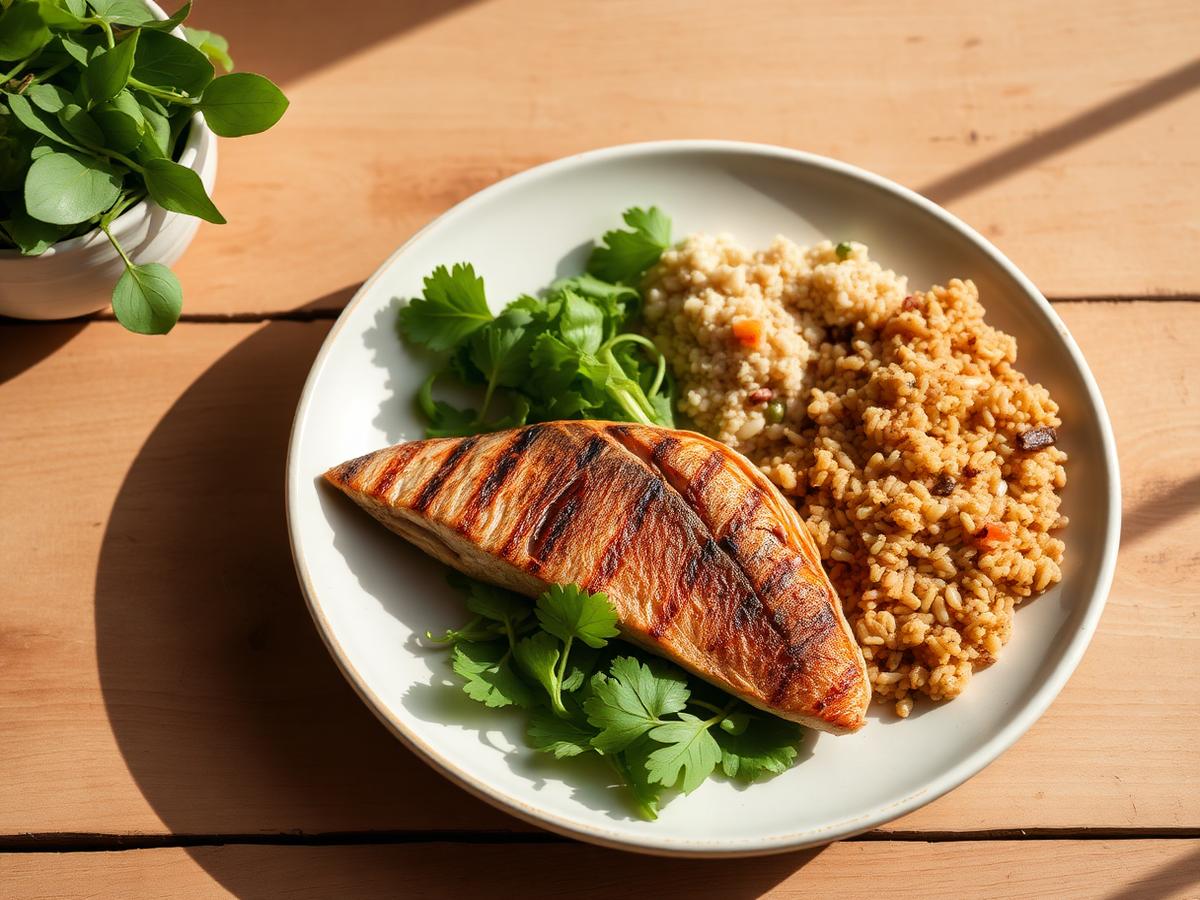
Does the Order You Eat Food Affect Blood Sugar?
Eating vegetables and protein before carbohydrates may change the glucose response after a meal. What the studies show, and how much it really matters.