Wim Hof Method — Breath, Cold and the Biology of Adaptation
What does the Wim Hof Method actually do to breathing gases, adrenaline, cold response and the autonomic nervous system — and what remains uncertain?
Archive
Search by realm, category or article type. Every post is organised so you can follow a thread or stumble across something unexpected.

What does the Wim Hof Method actually do to breathing gases, adrenaline, cold response and the autonomic nervous system — and what remains uncertain?

Red and near-infrared light can interact with tissue in ways that influence cellular signalling. The science is real — but the clinical evidence is uneven, the dose matters, and consumer marketing often promises more than research can support.

Two people with the same weight can carry fat in very different places. Where fat is stored — under the skin, around organs or inside organs — can matter as much as the number on the scale.

Cells do not keep every protein and organelle forever. They inspect, dismantle and recycle. Autophagy is one of the systems that makes cellular housekeeping possible; mitophagy is the specialist branch that helps manage mitochondria.

Fasting is not one single state. A skipped breakfast, a 16-hour eating window, a 24-hour fast and several days without food create different levels of metabolic stress — and human biology does not run on an exact internet stopwatch.

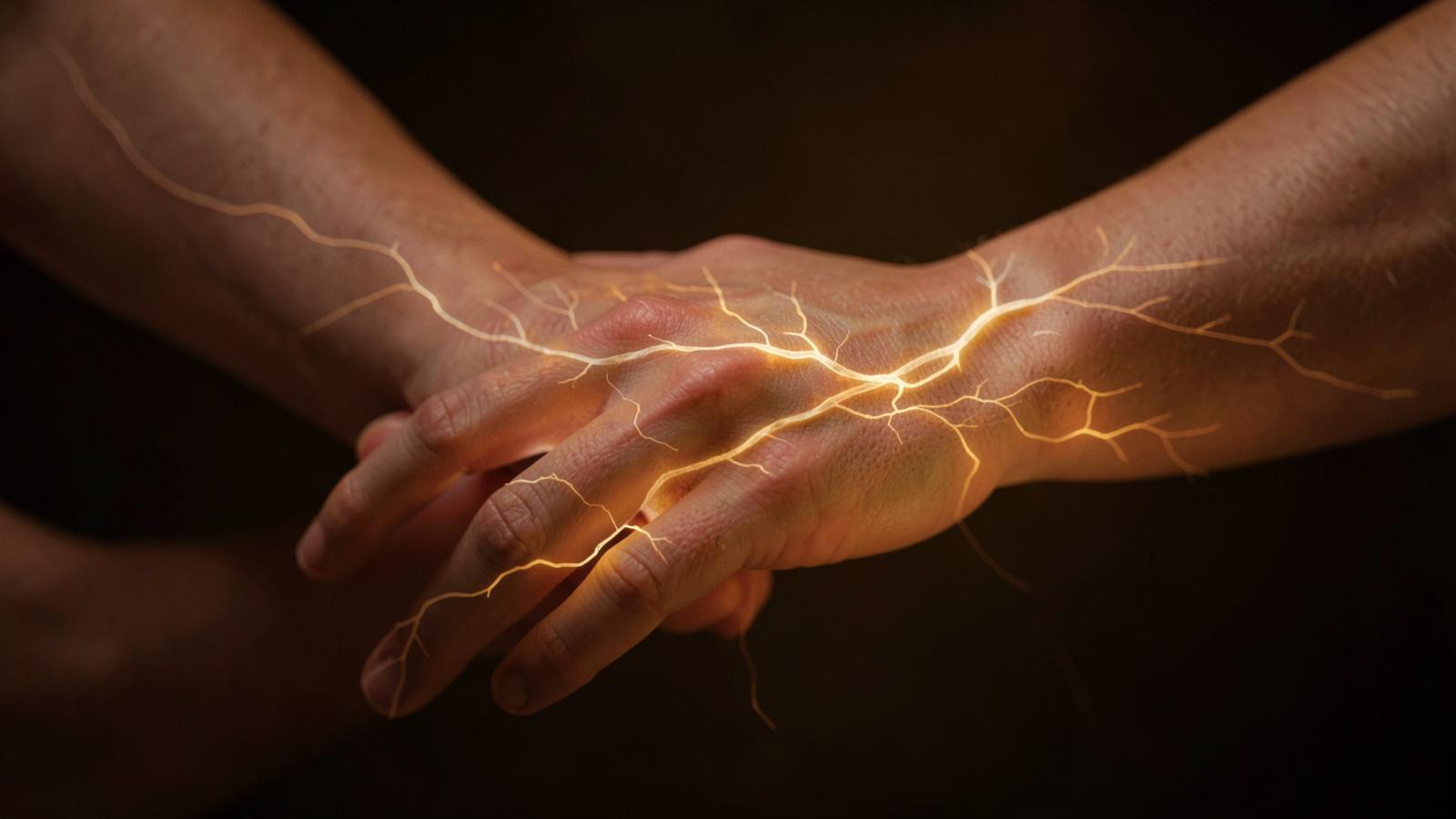
Every nerve impulse, heartbeat and muscle contraction depends on controlled movement of charged particles. Bioelectricity is not metaphorical; it is one of the basic languages of living tissue.

They are often called the "powerhouses of the cell," but mitochondria are far more than miniature batteries. They sense, signal, divide, fuse, recycle and help decide how a cell responds to stress.