Feng Shui at Home — Traditional Chinese Ideas for Flow, Balance and Everyday Living
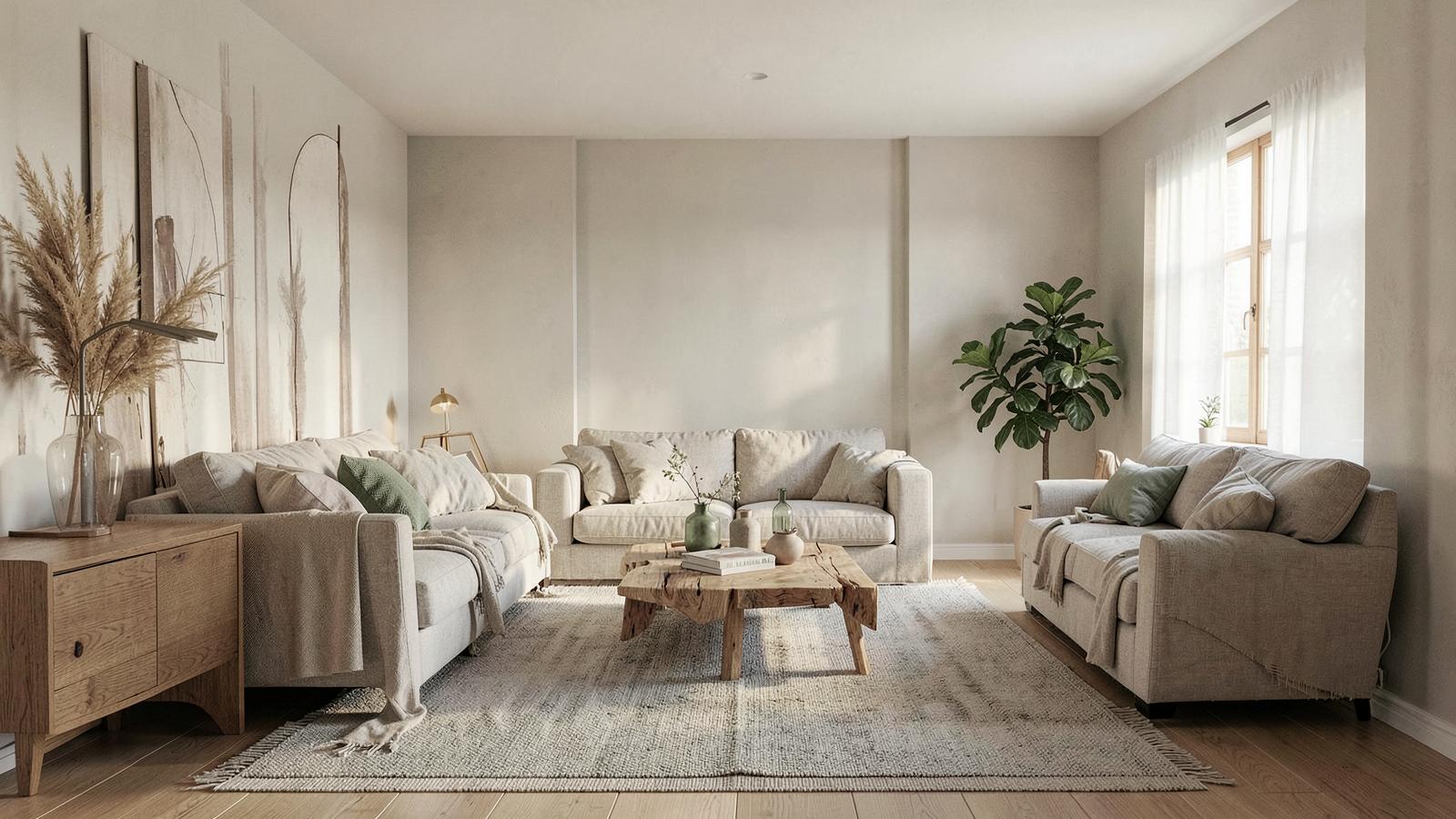
Feng shui is more than moving furniture for “good luck.” Explore its traditional ideas about orientation, flow, balance and how to adapt them thoughtfully in a modern home.
Feng shui is often reduced to internet rules: never place a mirror here, put a plant there, choose a lucky colour. Traditional feng shui is broader. It developed as a Chinese system for reading relationships between people, buildings, landscape, direction, water, wind and time. Its language includes qi, yin and yang, the five phases and directional symbolism. Whether or not someone accepts its metaphysical framework, many of its practical questions are surprisingly grounded: How does a room feel when you enter? Is movement easy? Does the bed feel protected? Is the entrance clear? Is light harsh or supportive?
Start with flow, not objects
The easiest modern entry point is circulation. A home feels calmer when doors open fully, pathways are clear and furniture does not force awkward movement. Traditional feng shui describes the movement of qi; contemporary design might speak about sight lines, ergonomics and cognitive load. These are not identical concepts, but they can lead to similar practical experiments: remove one obstacle, simplify a crowded surface, and observe how the room changes.
The entrance sets the tone
In many feng shui traditions, the entrance is important because it is where the home meets the outside world. Practically, it is also where bags, shoes, letters and visual clutter accumulate. A useful entryway has a clear route, a place for everyday items and enough light to feel welcoming. The goal is not to create a perfect showroom. It is to make arrival feel intentional rather than chaotic.
The bed: support, visibility and rest
Popular feng shui advice often recommends placing the bed where the door can be seen without the bed sitting directly in line with it, and with a solid wall behind the headboard when possible. This is sometimes called a command position. Even without metaphysical claims, the arrangement can create a sense of security and visual control. Good sleep also depends on temperature, noise, light, routine and health — furniture placement is only one small part of the environment.
Five phases as a design vocabulary
Wood, fire, earth, metal and water in Chinese thought are dynamic phases rather than literal decorating ingredients. A modern home can use them as a creative vocabulary: vertical plants and timber for wood; warm light for fire; ceramics and grounded textures for earth; clean metal forms for metal; dark tones, glass or reflective surfaces for water. The point is balance rather than collecting symbolic objects.
Clutter, memory and unfinished decisions
Clutter is often presented as 'blocked energy'. A less mystical translation is that visible unfinished decisions demand attention. A pile of paperwork, a broken chair or a cupboard that cannot close creates repeated micro-friction. Clearing space can therefore feel emotionally lighter without needing to claim that objects emit measurable energy. Keep what serves, repair what matters, release what simply occupies space.
Use tradition as a lens, not a fear system
Feng shui becomes unhelpful when every door, mirror or number is treated as a threat. Homes have constraints, people have different cultural relationships to symbolism and no single layout fits everyone. A thoughtful approach uses the tradition to ask better questions: Where do I rest? Where does the family gather? Where does clutter collect? Where is light missing? A home with 'good energy' may simply be one that supports the life actually lived inside it.
Key takeaways
- Start with movement and light through the home, not with objects or charms.
- The entrance and the bed position carry most of the traditional attention.
- Treat the five phases as a design vocabulary, not a system of fear.
Enjoyed this?
Get the next one straight to your inbox.
Keep reading
Related articles
Explore more natural food, fermentation and wellness ideas from Ika’s Realm.
Okra Beyond the Kitchen — Exploring Handmade Okra Soap
Okra's famous sliminess is a mucilage — and mucilage is genuinely interesting to soap makers. An exploratory guide, with two very different methods.
Home Electricity for Beginners — AC, DC, Volts, Amps, Watts and kWh Without the Headache
You do not need to become an electrician to understand your energy bill, a battery or a power station. Five ideas — voltage, current, power, energy and AC/DC — explain most of what beginners need.
Healthy Habits That Survive Real Life
Why wellness routines collapse in week three, and a gentler system for building ones that don't.