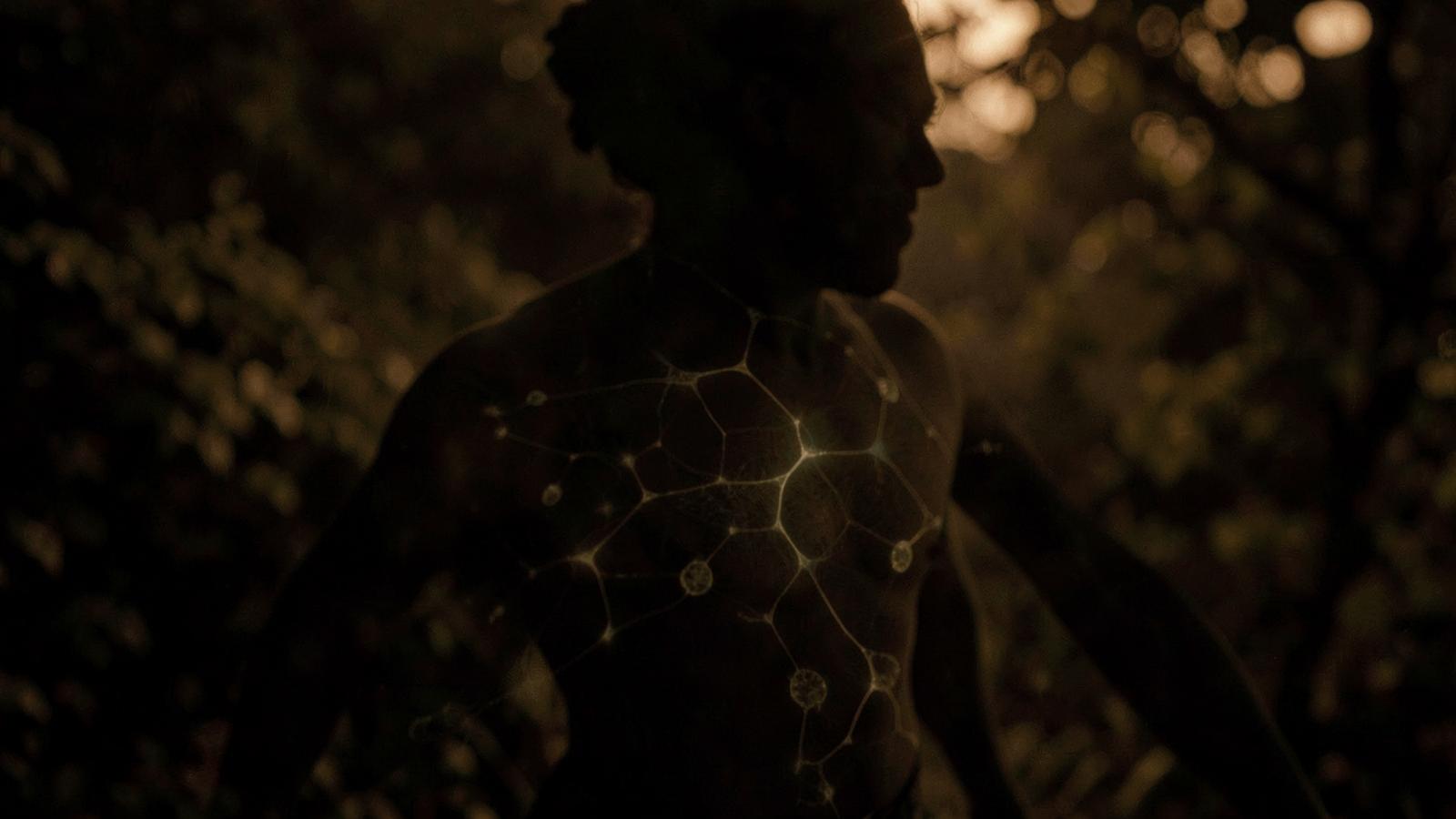
Wim Hof Method — Breath, Cold and the Biology of Adaptation
What does the Wim Hof Method actually do to breathing gases, adrenaline, cold response and the autonomic nervous system — and what remains uncertain?
Explore
The body is not a machine to fix but a system to understand. These articles look at food, drink, rest, movement and the quiet signals we often overlook.
Articles

What does the Wim Hof Method actually do to breathing gases, adrenaline, cold response and the autonomic nervous system — and what remains uncertain?

MCT oil is absorbed and handled differently from many long-chain fats. Here is what C8 and C10 can do, why ketones rise, and where the claims outrun the evidence.

Herbal ferments often called “Bolotov kvass” mix plant material with lactic fermentation. The microbiology is fascinating, but recipes vary and safety matters.

A hand on the shoulder, the pressure of the floor under your feet, warmth on the skin — touch is not merely sensation. It is continuous information the nervous system uses to map the body and the world.

Hormones are chemical messages carried through blood, but the message only matters when a cell can receive and interpret it. Endocrine biology is less like a list of chemicals and more like a network of timing, receptors and feedback.

Two people with the same weight can carry fat in very different places. Where fat is stored — under the skin, around organs or inside organs — can matter as much as the number on the scale.

Cells do not keep every protein and organelle forever. They inspect, dismantle and recycle. Autophagy is one of the systems that makes cellular housekeeping possible; mitophagy is the specialist branch that helps manage mitochondria.

Fasting is not one single state. A skipped breakfast, a 16-hour eating window, a 24-hour fast and several days without food create different levels of metabolic stress — and human biology does not run on an exact internet stopwatch.

A thought can change a heartbeat. A stressful week can change sleep and appetite. A slow exhale can change autonomic activity. Psychobiology studies the loops linking experience, brain, hormones, immunity and metabolism.

They are often called the "powerhouses of the cell," but mitochondria are far more than miniature batteries. They sense, signal, divide, fuse, recycle and help decide how a cell responds to stress.

Eating vegetables and protein before carbohydrates may change the glucose response after a meal. What the studies show, and how much it really matters.

Your body makes its own collagen, and it needs ordinary nutrients to do it. What a genuinely supportive plate looks like, beyond the supplement aisle.

Cinnamon, ginger, cloves, nutmeg and cardamom deserve more than one month a year. A blend to mix, and a dozen everyday ways to use it.

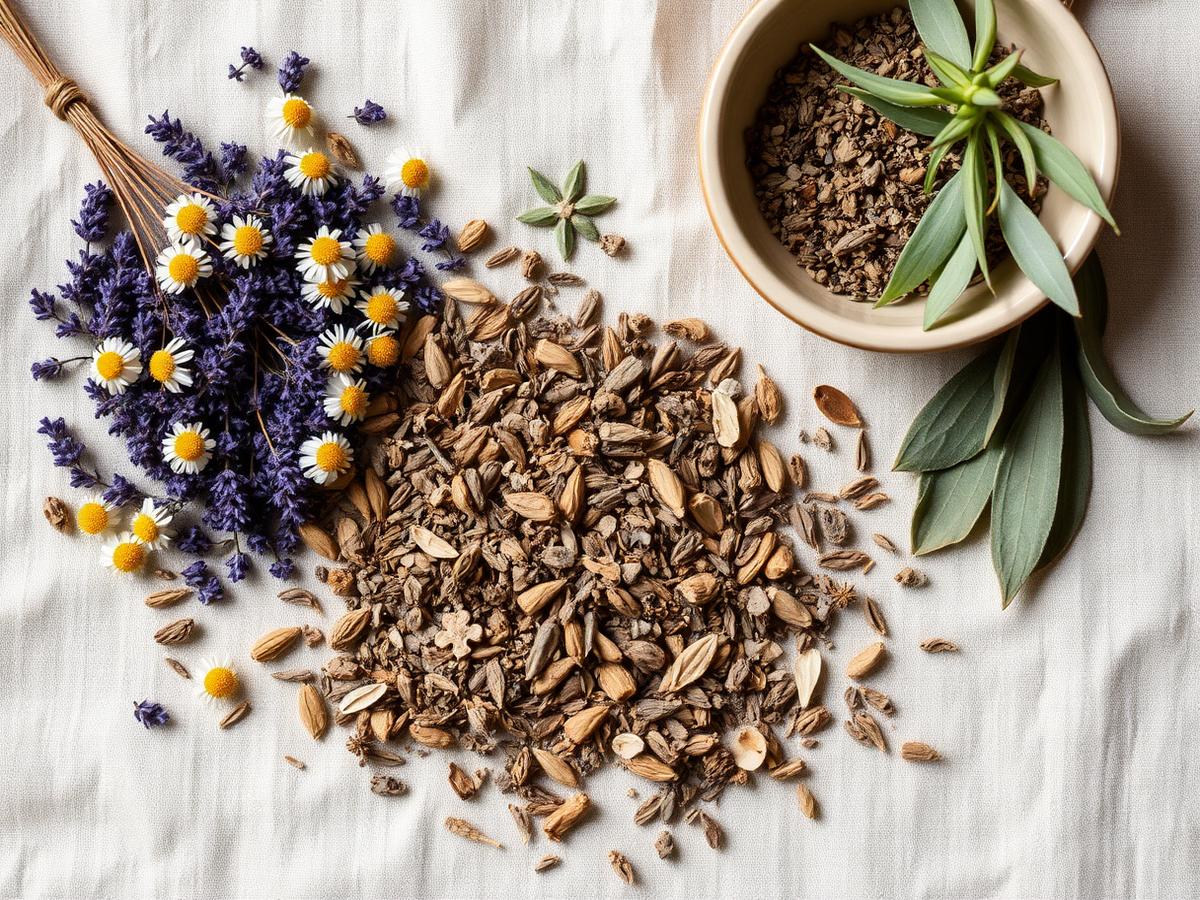
A simple three-herb infusion that helps the nervous system downshift before sleep — plus what the research actually says about each plant.

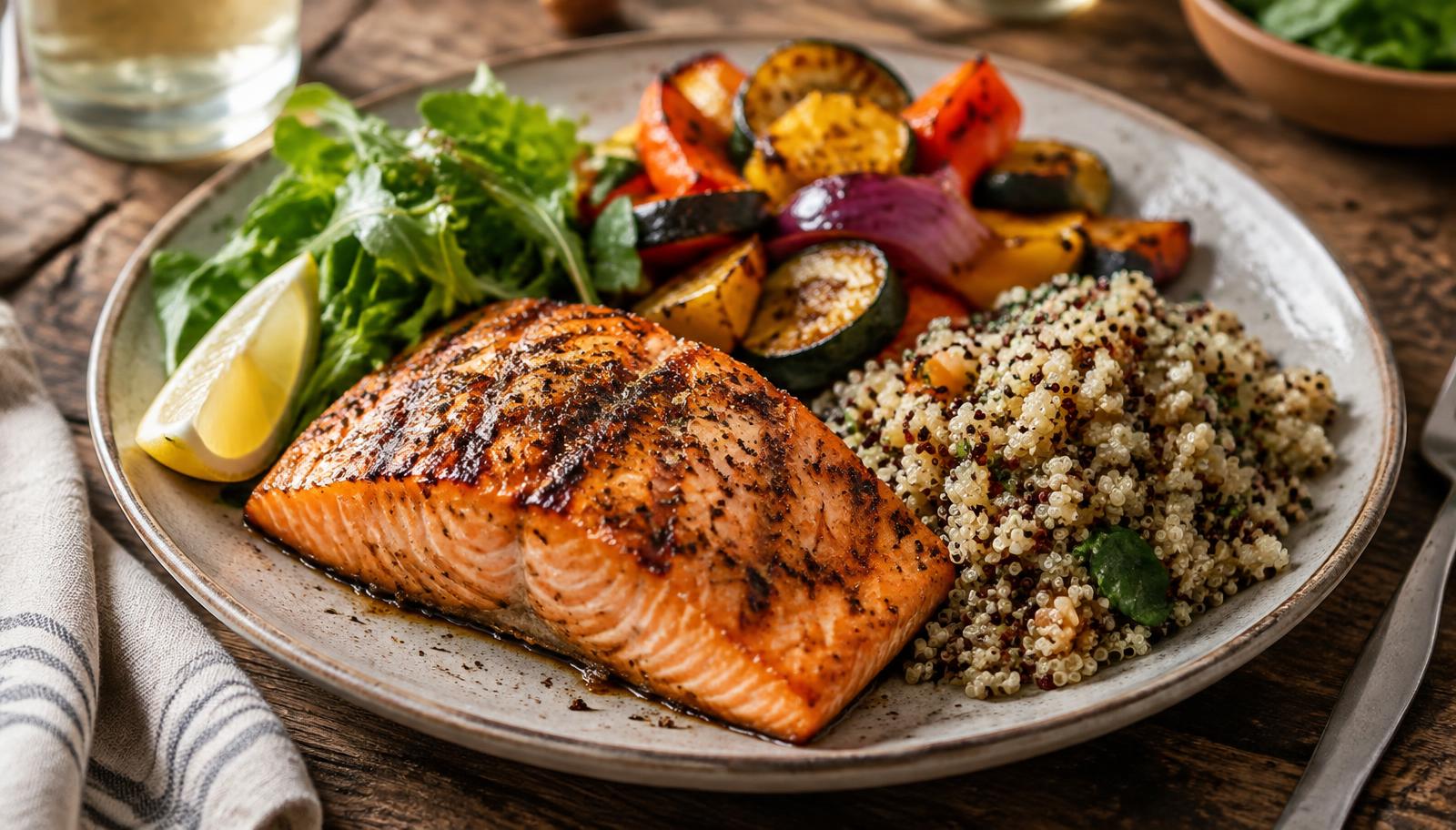
A practical framework for assembling bowls with 30g+ of protein, no gluten, and enough fibre to keep energy steady.

A short, repeatable sequence of breath, light and one written line — designed for people who don't have a spare hour.

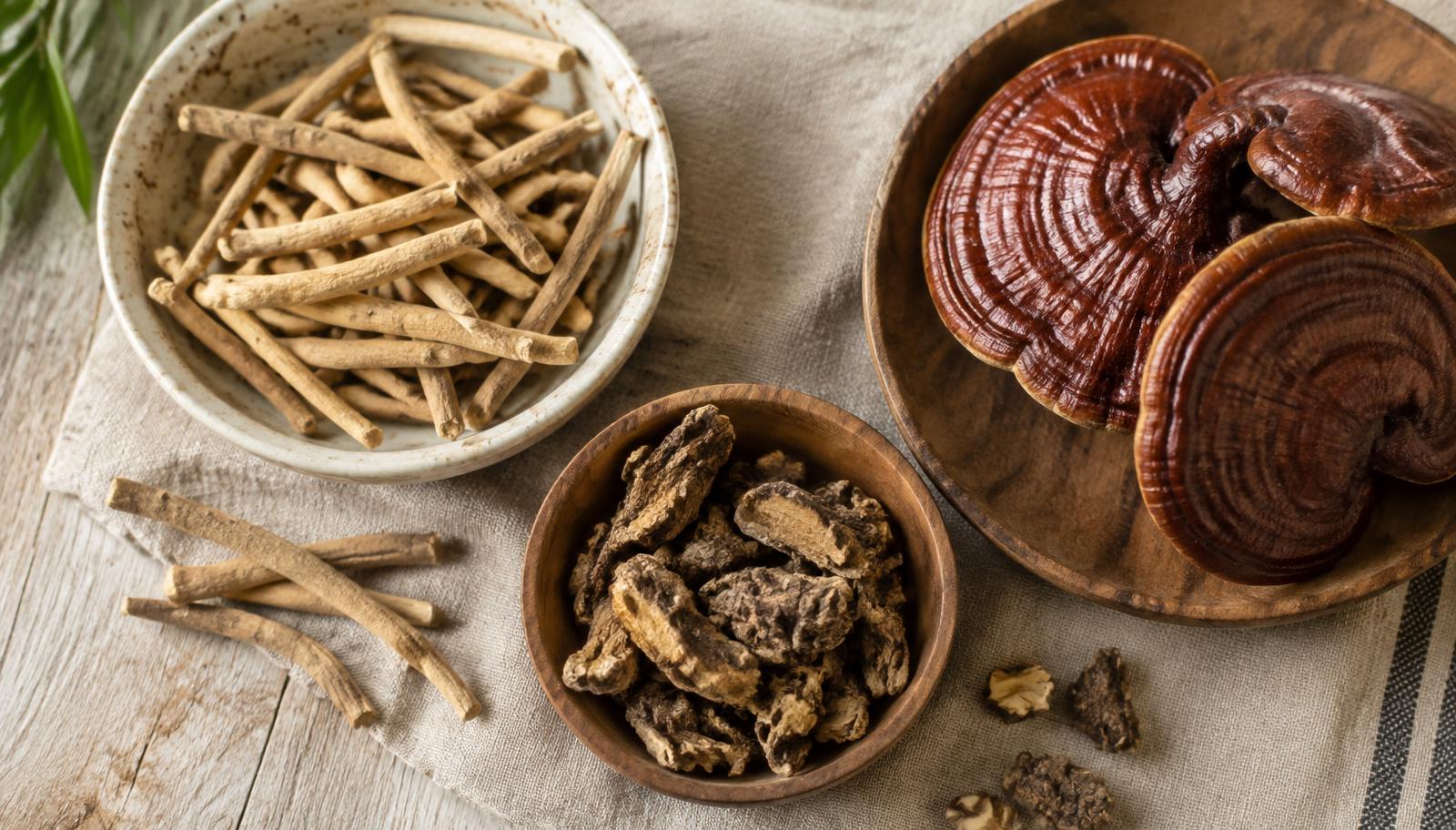
Ashwagandha, rhodiola, reishi — separating the tradition, the evidence and the marketing.

Why wellness routines collapse in week three, and a gentler system for building ones that don't.