Kombu: More Than Seaweed — Umami, Minerals & the Art of Japanese Broth
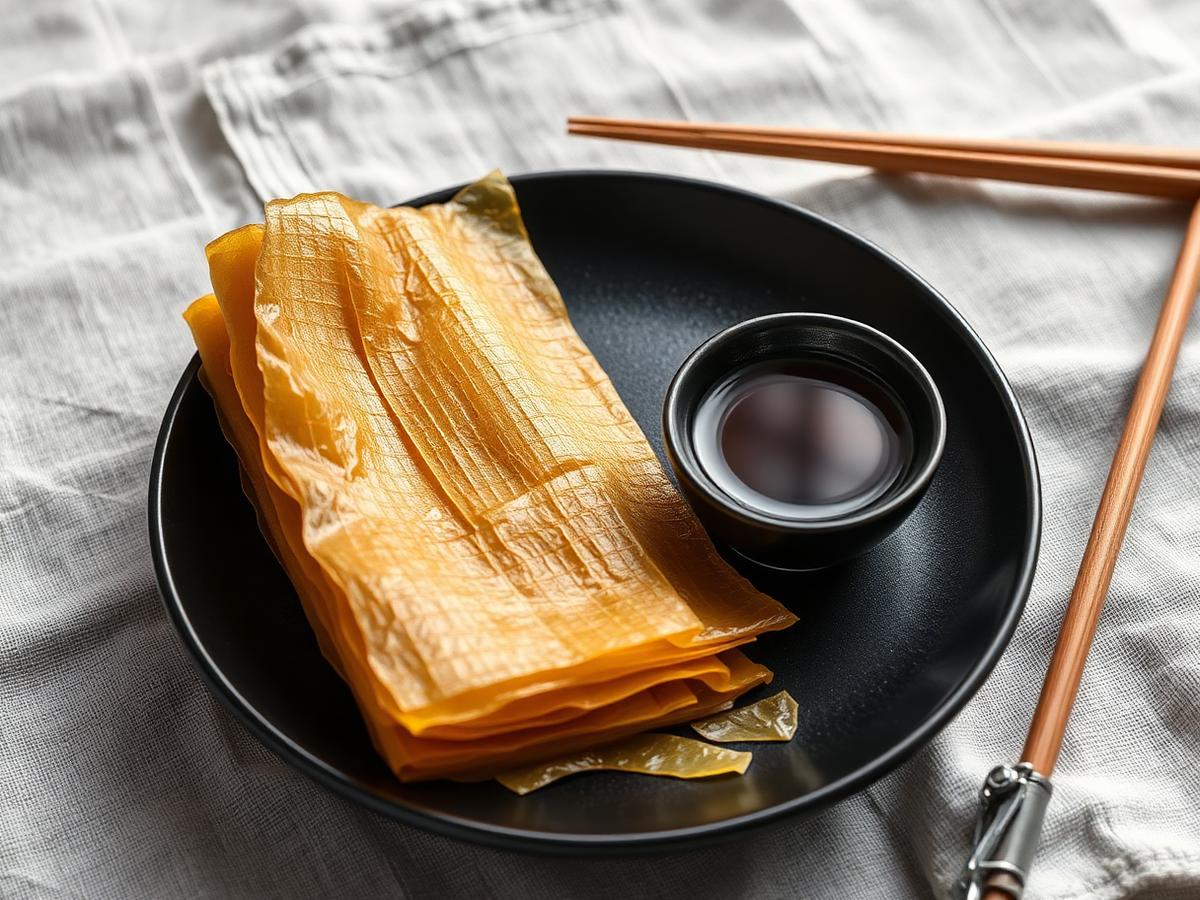
A beginner's guide to the sea kelp behind dashi: what it is, how to use it, how to store it, and why more is not better.
Kombu is dried kelp — large brown seaweeds of the Laminaria and Saccharina families, harvested mainly off Hokkaido, sun-dried and folded into stiff, dark green-black sheets. The white powdery bloom on the surface is not mould: it is mannitol and salts, and it carries flavour. Wipe it gently if you must, never wash it off.
In Japanese cooking, kombu is foundational rather than featured. It is the base of dashi, the stock that underpins miso soup, simmered dishes, noodle broths and countless sauces. Different grades exist — ma-kombu for refined clear broths, rishiri for a firmer, saltier stock, hidaka for everyday cooking and for simmering until tender.
Its power comes from glutamate. Kombu holds an unusually high concentration of free glutamic acid, which our umami receptors register directly. That is why a broth made from water and kelp alone tastes of something substantial rather than of seaweed.
Basic kombu dashi is almost too simple: 10 g kombu per litre of cold water, soaked in the fridge overnight, then strained. For a same-day version, soak 30 minutes, heat slowly to just below a simmer — around 60-70°C — and remove the kombu before it boils. Boiling extracts bitterness and a slippery texture from the surface alginates.
Add dried shiitake to the same soak and you have the classic plant-based combination. The mushrooms contribute guanylate, a nucleotide that amplifies the perception of glutamate dramatically — the two together taste far more savoury than either alone.
The traditional version pairs kombu with katsuobushi, shaved dried and fermented skipjack tuna, which supplies inosinate instead. Combining a glutamate source with a nucleotide source is called awase dashi, 'combined dashi', and it is the single most useful flavour idea in Japanese cooking.
Beans are kombu's other classic use. A strip added to the pot gives the beans savoury depth and, by tradition, gentler digestion; whether or not the digestive claim holds up, the flavour improvement is unmistakable.
Beyond broth: simmer grains in dashi instead of water, use it to braise root vegetables, blend a spoonful into dressings, or slice softened kombu thinly into salads and rice. Kombu also seasons the water for cooking greens and lifts a tomato sauce more than you would expect.
Store dried kombu in a sealed container, dark and dry, away from steam. It keeps for years and improves slightly with age. Do not refrigerate — condensation is the enemy.
For the curious: spent kombu from a dashi can be simmered with soy and mirin into tsukudani, a dark savoury condiment, and adventurous cooks add small pieces to vegetable ferments for extra minerals and umami. Go lightly — the iodine note above applies.
Key takeaways
- Soak, never boil: 10 g per litre, cold overnight, strained.
- Kombu plus shiitake or katsuobushi is where the real depth comes from.
- Store dry and dark, and treat kombu as a seasoning, not a staple.
Enjoyed this?
Get the next one straight to your inbox.
Keep reading
Related articles
Explore more natural food, fermentation and wellness ideas from Ika’s Realm.
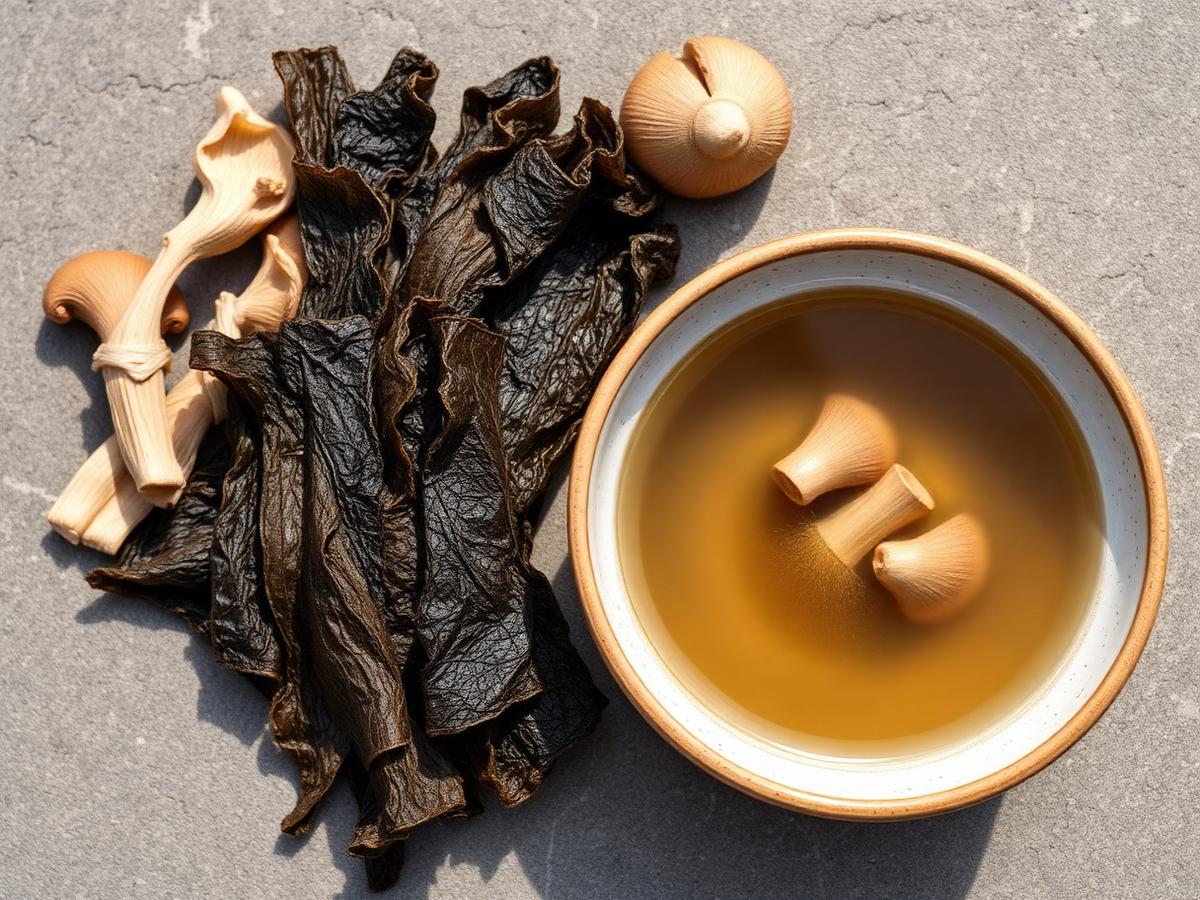
The Science of Natural Umami — Why Kombu & Shiitake Are So Powerful Together
Glutamate, guanylate and the synergy effect: why two quiet ingredients together taste far more savoury than either one alone.

Oat Kvass — A Forgotten Fermented Drink Worth Rediscovering
Gently sour, faintly sweet and lightly fizzy: how to make a kvass-style oat ferment at home, and how to tell a good one from a bad one.
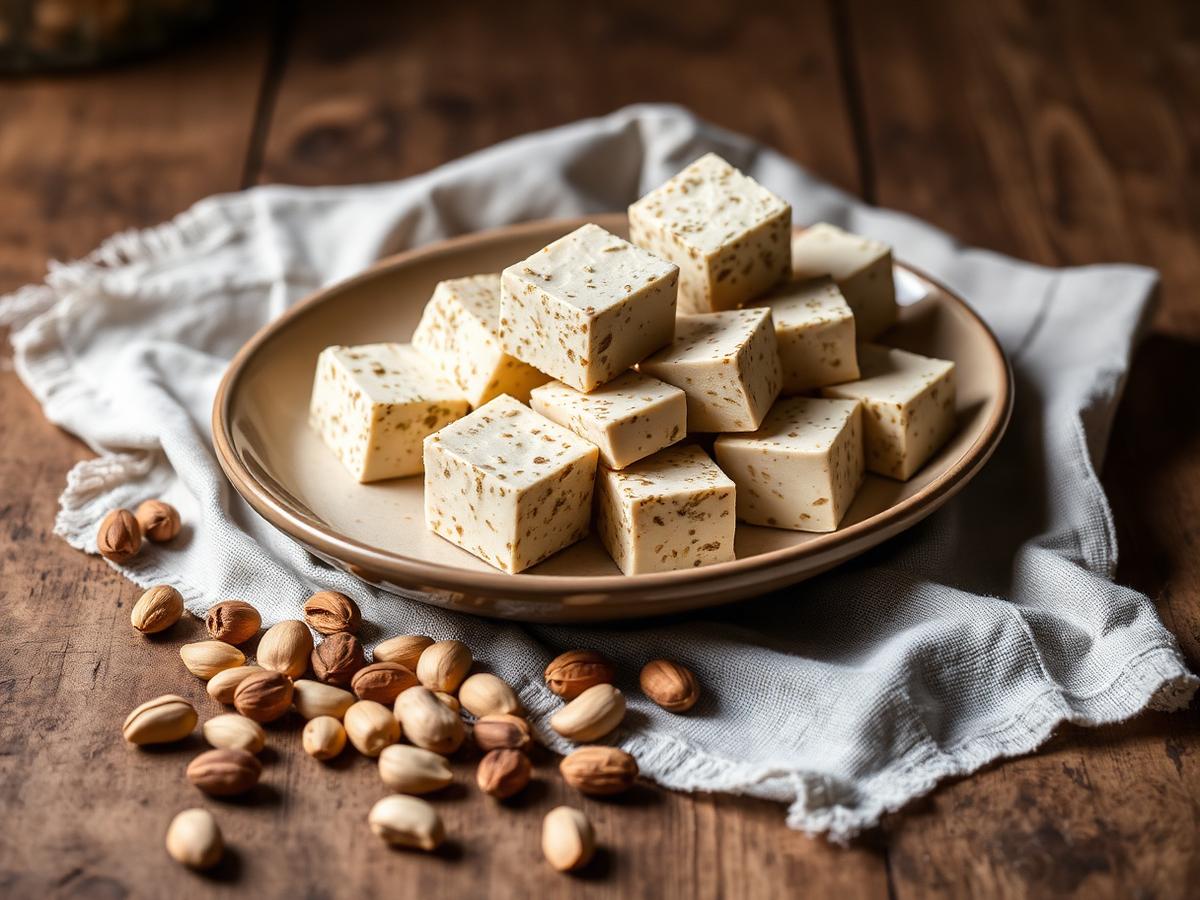
Pistachio & Cashew Nut Tofu — The Next Generation of Plant-Based Foods
An experimental, soya-free block inspired by tofu-making: pistachios and cashews soaked, blended and set into something entirely its own. Contains nuts.