Mitochondria — The Tiny Energy Systems We Still Don't Fully Understand
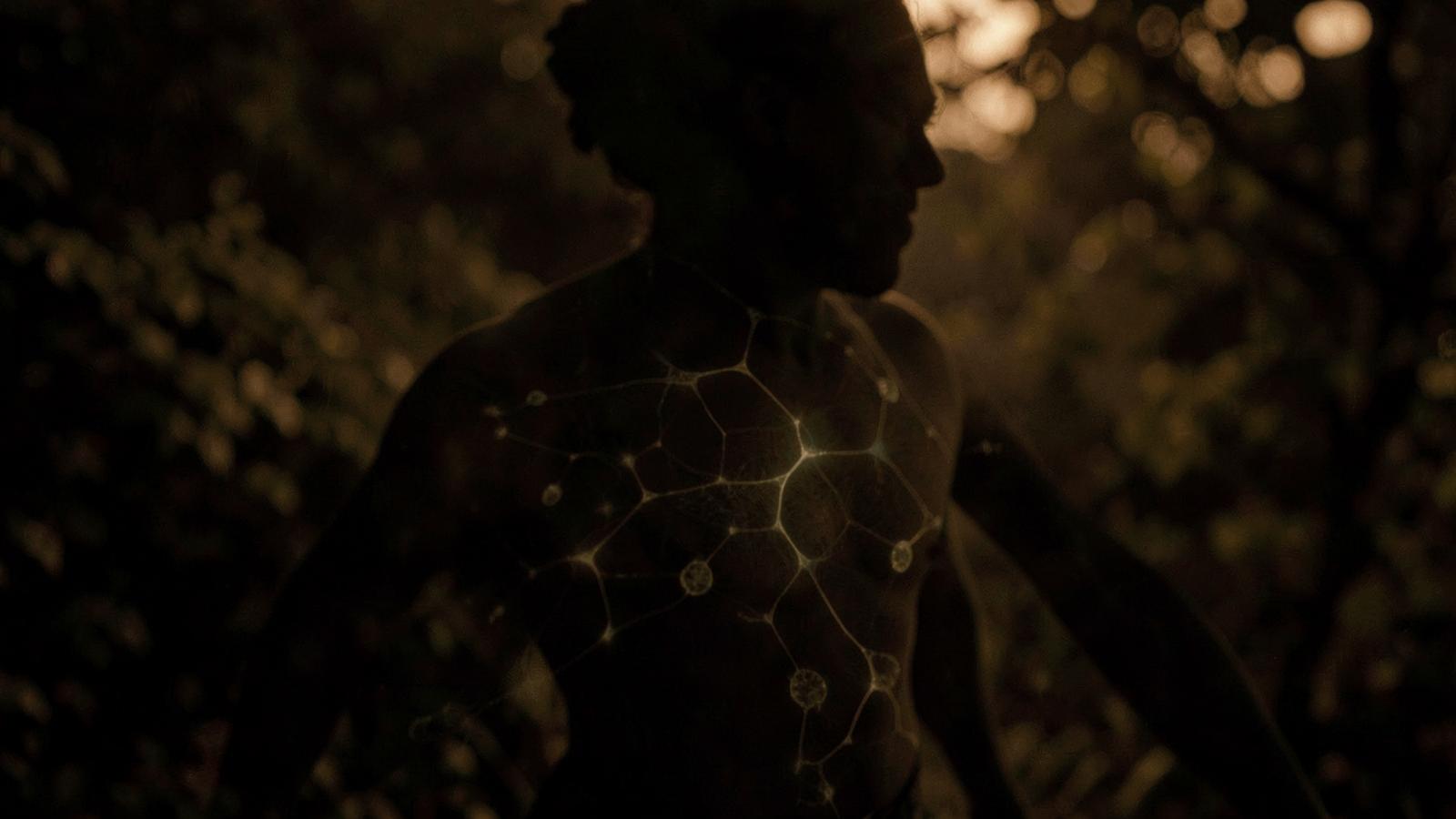
They are often called the "powerhouses of the cell," but mitochondria are far more than miniature batteries. They sense, signal, divide, fuse, recycle and help decide how a cell responds to stress.
Mitochondria are introduced in school as the "powerhouses of the cell," and the phrase is useful because these organelles are central to the production of ATP, the molecule cells use to couple energy-releasing chemistry to energy-requiring work. But the phrase is also incomplete. A modern view of mitochondria is closer to a dynamic network of metabolic sensors, signalling hubs and quality-control participants. They help cells decide how to use fuels, respond to calcium, manage reactive oxygen species, adapt to exercise and, in some circumstances, move toward programmed cell death.
That matters because energy in biology is not a vague feeling. At the cellular level, it is a chain of chemical and electrical events. Nutrients are broken down, electrons are transferred through the mitochondrial respiratory chain, protons are moved across the inner mitochondrial membrane, and the resulting electrochemical gradient is used by ATP synthase to make ATP. The remarkable part is that the cell does not merely "have" this machinery; it continually remodels it according to demand.
A bacterial story inside almost every cell
Mitochondria carry a small amount of their own DNA and reproduce by growth and division. These features support the endosymbiotic theory: long ago, an ancestral cell incorporated a bacterium-like organism and, instead of digesting it, entered into a partnership. Over evolutionary time the relationship became so intimate that most proteins required by mitochondria are now encoded in the nucleus and imported into the organelle, while a small mitochondrial genome remains.
This unusual history helps explain why mitochondria are biologically distinctive. They are not independent organisms, yet they retain traces of an ancient autonomy. Their DNA is inherited primarily through the maternal line, and mutations in mitochondrial DNA can affect tissues with high energy demands, such as muscle and nervous tissue. Even here, the story is complex: cells can contain mixtures of normal and altered mitochondrial DNA, and the proportion can influence how strongly a disorder is expressed.
The proton gradient: one of biology's most elegant tricks
Inside the inner mitochondrial membrane, electrons derived from food move through a series of protein complexes. Their movement is coupled to pumping protons from one side of the membrane to the other. This creates both a chemical gradient and an electrical potential. Protons then flow back through ATP synthase, a molecular machine that converts the gradient into ATP.
The key idea is simple but profound: life repeatedly uses gradients. Batteries separate charge. Dams separate water at different heights. Mitochondria separate protons across a membrane. In each case, the stored difference can do work when a controlled pathway allows the system to move toward equilibrium. This is one reason mitochondria fit so naturally into the Ika's Realm idea that nature often solved engineering problems long before we gave them technical names.
Mitochondria are networks, not static beans
Textbook diagrams often show isolated bean-shaped mitochondria. In living cells they can be much more dynamic. Mitochondria join together through fusion and split apart through fission. These processes help redistribute components, adapt the network to changing energy needs and separate parts that may be damaged.
Fusion is not simply "good" and fission is not simply "bad." Both are normal. A healthy mitochondrial population depends on balance. During adaptation, stress, cell division or quality control, the network changes shape. Researchers are still working out how these dynamics differ among tissues and how they change with age, disease, nutrition and training.
Exercise can change mitochondrial capacity
One of the clearest human examples of mitochondrial adaptation is exercise. Endurance-type training can increase mitochondrial content and oxidative capacity in skeletal muscle. Repeated bouts of exercise activate signalling pathways involving molecules such as AMPK and PGC-1α, which help coordinate expression of genes involved in mitochondrial biogenesis.
This does not mean every workout instantly creates a fixed number of new mitochondria. Biogenesis is a coordinated process involving mitochondrial proteins, membranes, mitochondrial DNA maintenance and interaction with the nucleus. Training changes the system over time. The result is often muscle that is better equipped to use oxygen and oxidize fuel during repeated work.
What happens during fasting?
Fasting changes the metabolic environment: insulin generally falls, stored glycogen is used, fat mobilization rises and, with sufficient duration, ketone production increases. Nutrient-sensing pathways also change. In laboratory models, energy restriction can stimulate autophagy and mitophagy — cellular quality-control processes that help recycle components, including damaged mitochondria.
In humans, however, we should avoid the internet claim that "autophagy switches on at exactly 16, 24 or 48 hours." Measuring autophagic flux directly in living human tissues is difficult, and responses depend on tissue, energy balance, activity, prior diet and individual biology. Human studies are beginning to provide more direct evidence, but there is no universal countdown timer that applies to everyone.
Mitophagy: quality control, not a dramatic detox
Mitophagy is a selective form of autophagy that targets mitochondria for degradation. When a mitochondrion is sufficiently damaged or no longer functioning appropriately, molecular signals can help isolate it and deliver its components to the lysosomal recycling system. The cell can then reuse many of the building blocks.
This process works alongside biogenesis. A useful metaphor is not "the body eats bad mitochondria and replaces them overnight," but rather a maintenance department that continuously inspects, dismantles, repairs and rebuilds parts of a large energy network. Exercise, nutrient status and cellular stress can influence the balance, yet the system operates all the time.
The questions are getting bigger, not smaller
Mitochondria participate in immune signalling, calcium handling, redox signalling, heat production and apoptosis. Different tissues contain mitochondria with different structural and metabolic characteristics. Scientists are investigating mitochondrial transfer between cells, communication between mitochondria and the nucleus, and whether changes in mitochondrial quality are causes, consequences or both in many age-related diseases.
So the phrase "we still don't fully understand mitochondria" should not be read as "science knows nothing." We know an enormous amount. The exciting part is that each answer reveals another layer of coordination. The mitochondrion is not merely a furnace burning calories. It is part of a living information system.
The Ika's Realm takeaway
Energy in the body is organized. It moves through membranes, gradients, enzymes and feedback loops. Mitochondria sit at the centre of that organization, but they are maintained by the whole cell and shaped by the whole organism. Sleep, movement, nutrition, illness, age and environment all change the context in which they work.
Key takeaways
- Mitochondria do far more than make ATP; they sense, signal and help regulate the cell.
- Energy is stored and released through gradients across membranes.
- Endurance training can increase mitochondrial capacity over time.
- There is no universal hourly timer for fasting-driven mitochondrial renewal.
Enjoyed this?
Get the next one straight to your inbox.
Keep reading
Related articles
Explore more natural food, fermentation and wellness ideas from Ika’s Realm.
Autophagy & Mitophagy — How Cells Recycle What No Longer Works
Cells do not keep every protein and organelle forever. They inspect, dismantle and recycle. Autophagy is one of the systems that makes cellular housekeeping possible; mitophagy is the specialist branch that helps manage mitochondria.

Intermittent Fasting vs Longer Fasting — What Actually Happens Inside the Body?
Fasting is not one single state. A skipped breakfast, a 16-hour eating window, a 24-hour fast and several days without food create different levels of metabolic stress — and human biology does not run on an exact internet stopwatch.
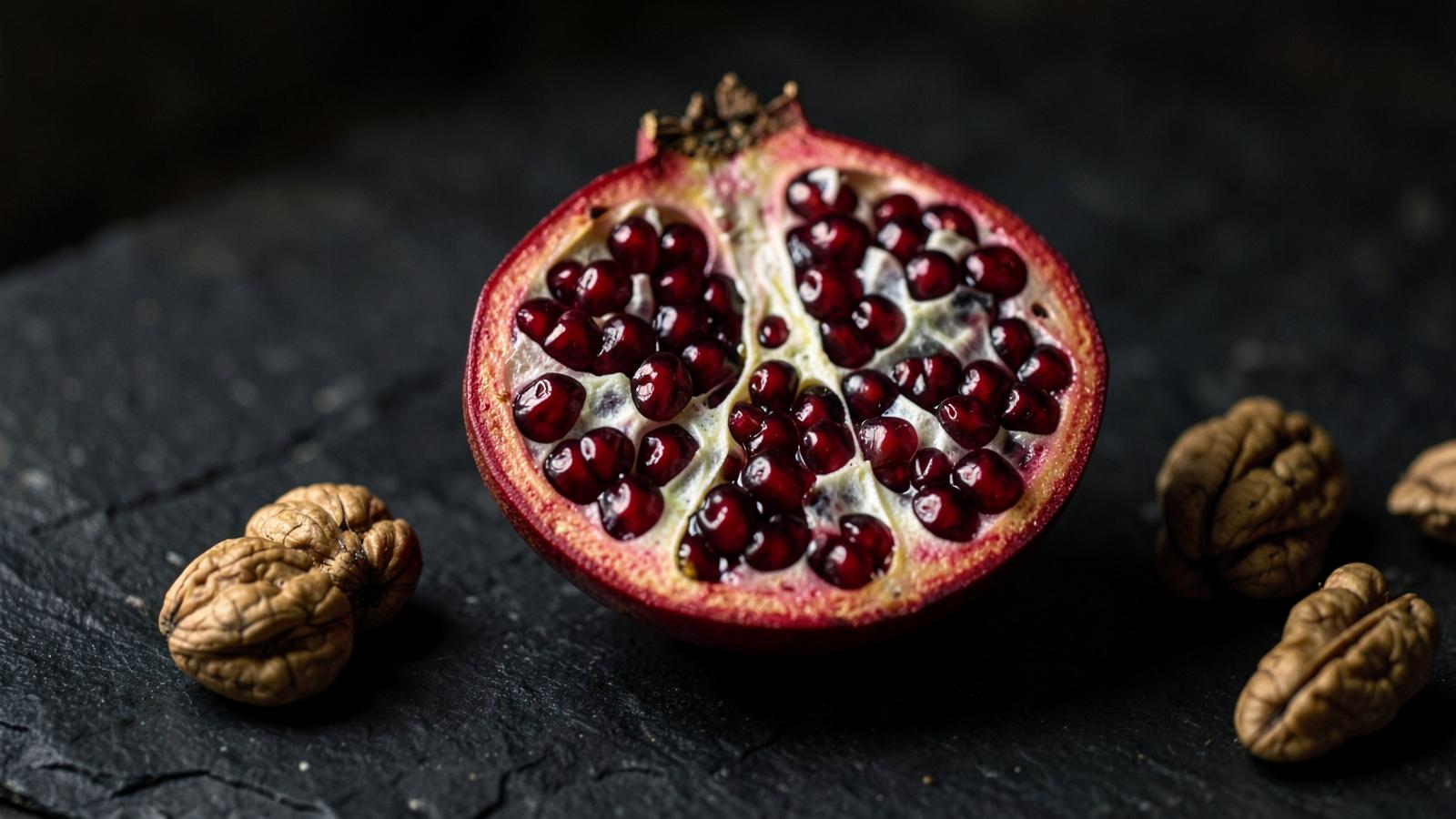
Urolithin A — Gut Microbes, Mitophagy and Mitochondrial Renewal
A compound found in pomegranates does not simply "become urolithin A" in everyone. Gut microbes transform ellagitannins into metabolites, and only some people produce meaningful amounts. That makes urolithin A a fascinating story about food, microbes and mitochondrial research.