Cured Egg Yolks: The Umami Ingredient That Grates Like Cheese
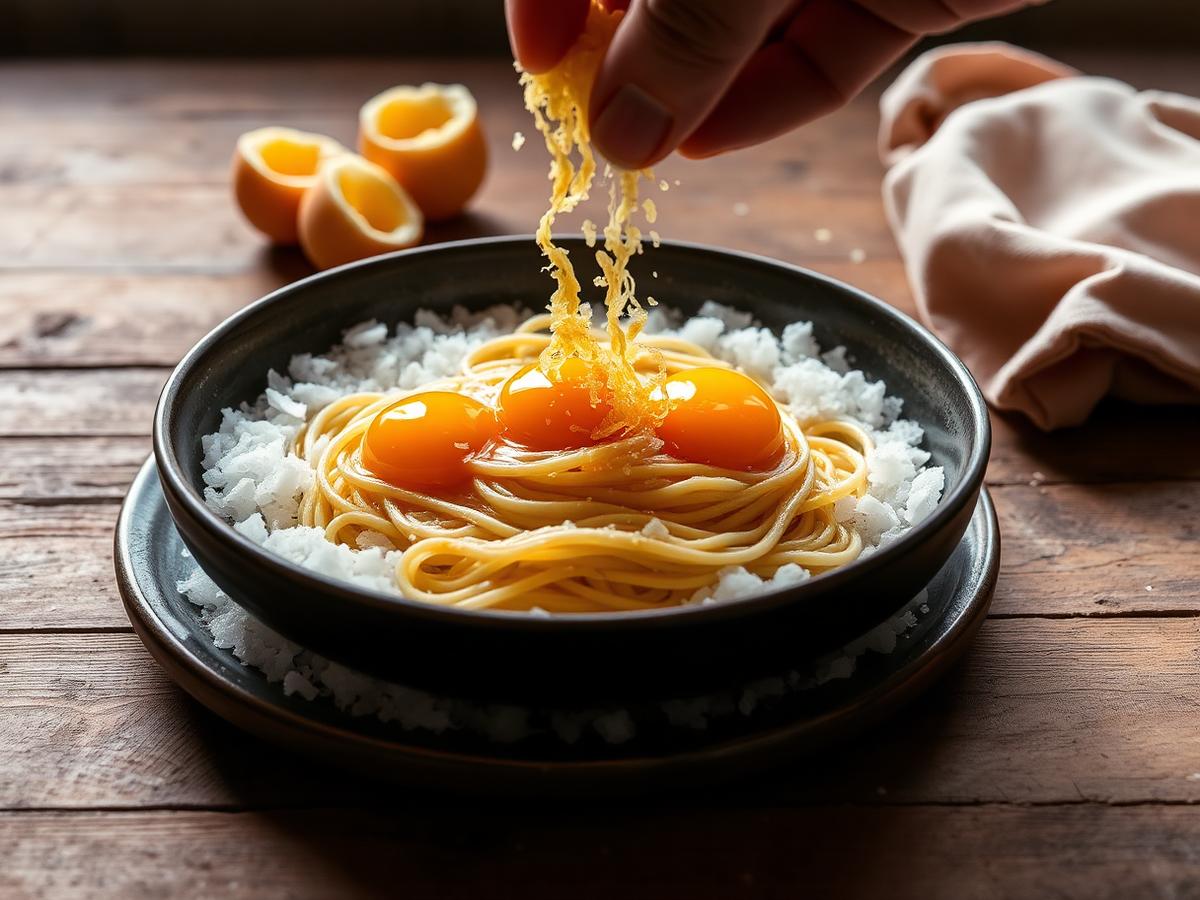
Salt draws water out of a fresh yolk until it is firm enough to grate. One of the simplest demonstrations of preservation changing texture entirely.
There are few kitchen projects that deliver so much for so little effort. Six yolks, a box of salt, a week of patience, and you end up with something that behaves like an aged cheese.
It is also one of the clearest demonstrations of what preservation actually does to food, which is why we keep coming back to it.
What curing does to a yolk
A fresh yolk is roughly half water. Bury it in salt, and osmosis begins pulling that water out into the surrounding crystals while salt gradually moves the other way.
As water leaves, the proteins and fats that remain are pressed closer together. Over several days the yolk stops behaving like a liquid and sets into something dense and sliceable, with a texture between a soft sweet and a firm cheese.
The flavour concentrates alongside the texture. Whatever savoury character the yolk had is now packed into a much smaller volume, which is why a light grating goes so far.
Salt, sugar, or both
Pure salt cures fastest and gives the most savoury result. A common variation is two parts salt to one part sugar, which draws water out slightly more gently and softens the saltiness with a faint sweetness.
Fine salt makes closer contact with the yolk than coarse crystals and gives a more even cure. The mixture must fully surround each yolk — any exposed surface will dry unevenly or take on odours from the fridge.
Four days gives a softer, more spreadable yolk; seven gives one firm enough to grate cleanly. Beyond that it becomes hard and intensely salty.
Drying and finishing
Once the yolks are firm, rinse them briefly in cool water to remove the crust of salt, then pat them dry. They will look translucent and amber, like small jewels.
A day or two uncovered on a wire rack in the fridge dries the surface and firms them further. Some cooks dry them in a very low oven or dehydrator, which is faster but easier to overdo.
Wrapped and refrigerated, they keep for around a month. Discard any yolk that develops an off smell, a slimy surface or visible mould.
How to use them
Treat cured yolk as a finishing ingredient in the same way you would treat a hard aged cheese: grated at the table, in small quantities, over something warm.
It is superb over pasta, risotto, buttered toast, roasted vegetables, mushrooms, soups, salads and steamed greens. The warmth releases the aroma and the salt seasons the dish at the same time.
It is not a protein serving, and it is not a substitute for an egg in cooking. Think seasoning, not ingredient.
Traditional context
Salt curing of egg yolks appears in Chinese cooking, where salted duck eggs are a long-standing tradition, and in Italian kitchens where cured yolks are grated much like bottarga or hard cheese.
The underlying principle is the same one behind salt cod, cured fish roe, preserved lemons and country hams: remove enough water and add enough salt, and food that would otherwise spoil becomes stable and intensely flavoured.
Learning it on egg yolks is a good way to understand the wider technique on a small, cheap and forgiving scale.
Safety notes
This is a cure, not a cook. Raw eggs can carry salmonella, so use very fresh eggs from a reputable source, wash your hands and equipment, and keep the container refrigerated throughout.
People who are pregnant, elderly, very young or immunocompromised should be especially cautious with any preparation using uncooked eggs, and may prefer to use pasteurised eggs or avoid the recipe entirely.
The finished yolks are extremely salty. Anyone monitoring sodium intake should account for that, even in the small amounts used.
This recipe contains egg and is not suitable for anyone with an egg allergy.
Key takeaway
Salt removes water, water removal firms the yolk, and firmness turns it into a grating ingredient. It is a week of doing almost nothing for a jar of something you will use constantly.
Recipe card
Recipe: Salt-Cured Egg Yolks
Ingredients
- 6 very fresh egg yolks
- 500 g fine sea salt
- 250 g caster sugar
Equipment
- A shallow lidded container
- A spoon for making wells
- A wire rack
Method
- 1Mix the salt and sugar, then spread half of it in the container.
- 2Make six evenly spaced wells and gently place one yolk in each.
- 3Cover completely with the remaining mixture so no yolk is exposed.
- 4Cover and refrigerate for 4-7 days, until the yolks feel firm like soft sweets.
- 5Rinse briefly in cool water, pat dry, and rest on a rack in the fridge for a day or two until firm enough to grate.
Allergen information
Contains egg.
Storage
Wrap and refrigerate for up to a month. Discard any yolk with off odours, sliminess or mould.
Serving ideas
- Grated over pasta or risotto
- Shaved onto roasted vegetables or mushrooms
- Finishing soups, salads and buttered toast
Key takeaways
- Salt draws out water, firming the yolk and concentrating flavour.
- Cure only under refrigeration, using very fresh eggs.
- Treat it as a savoury finishing ingredient, like a hard cheese.
- Higher-risk groups should be cautious with uncooked egg preparations.
Enjoyed this?
Get the next one straight to your inbox.
Keep reading
Related articles
Explore more natural food, fermentation and wellness ideas from Ika’s Realm.
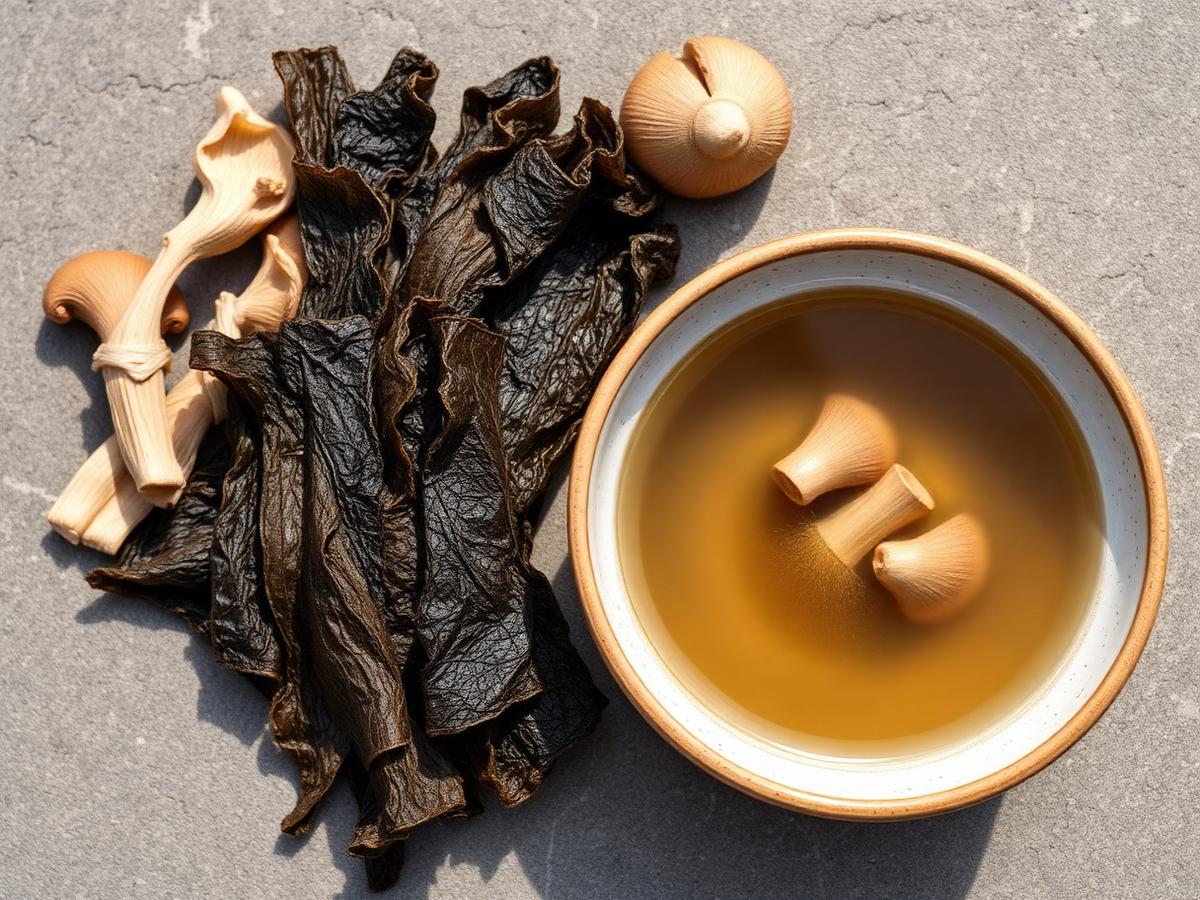
The Science of Natural Umami — Why Kombu & Shiitake Are So Powerful Together
Glutamate, guanylate and the synergy effect: why two quiet ingredients together taste far more savoury than either one alone.
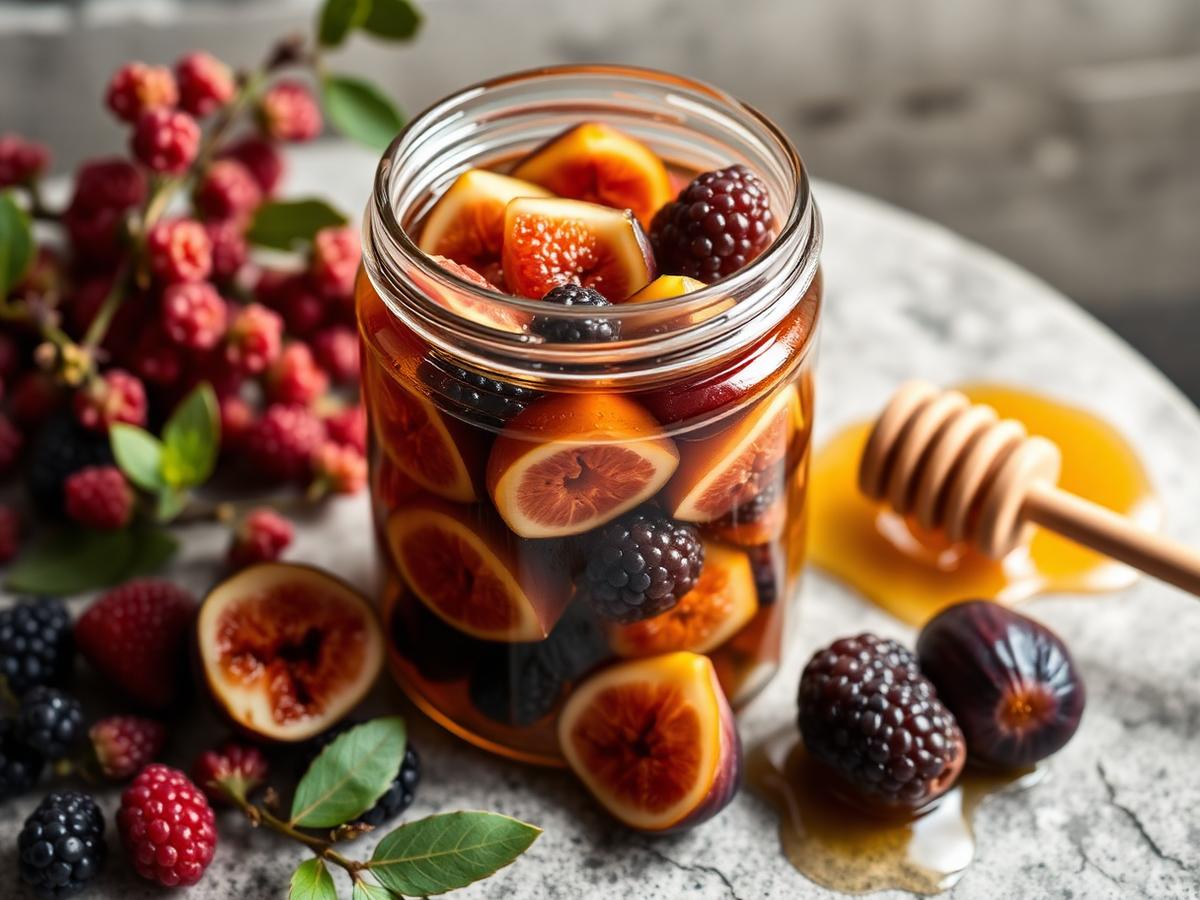
Honey-Preserved Fruit — Rediscovering an Ancient Kitchen Idea
Fruit macerated in honey is one of the oldest ideas in the kitchen. Here's what honey really does, what it doesn't, and how to do it safely today.

Extra Virgin, Virgin and Refined Olive Oil: What the Labels Actually Mean
Olive oil labels confuse almost everybody. Here is what each grade means, how they are produced, and what actually matters when you buy a bottle.