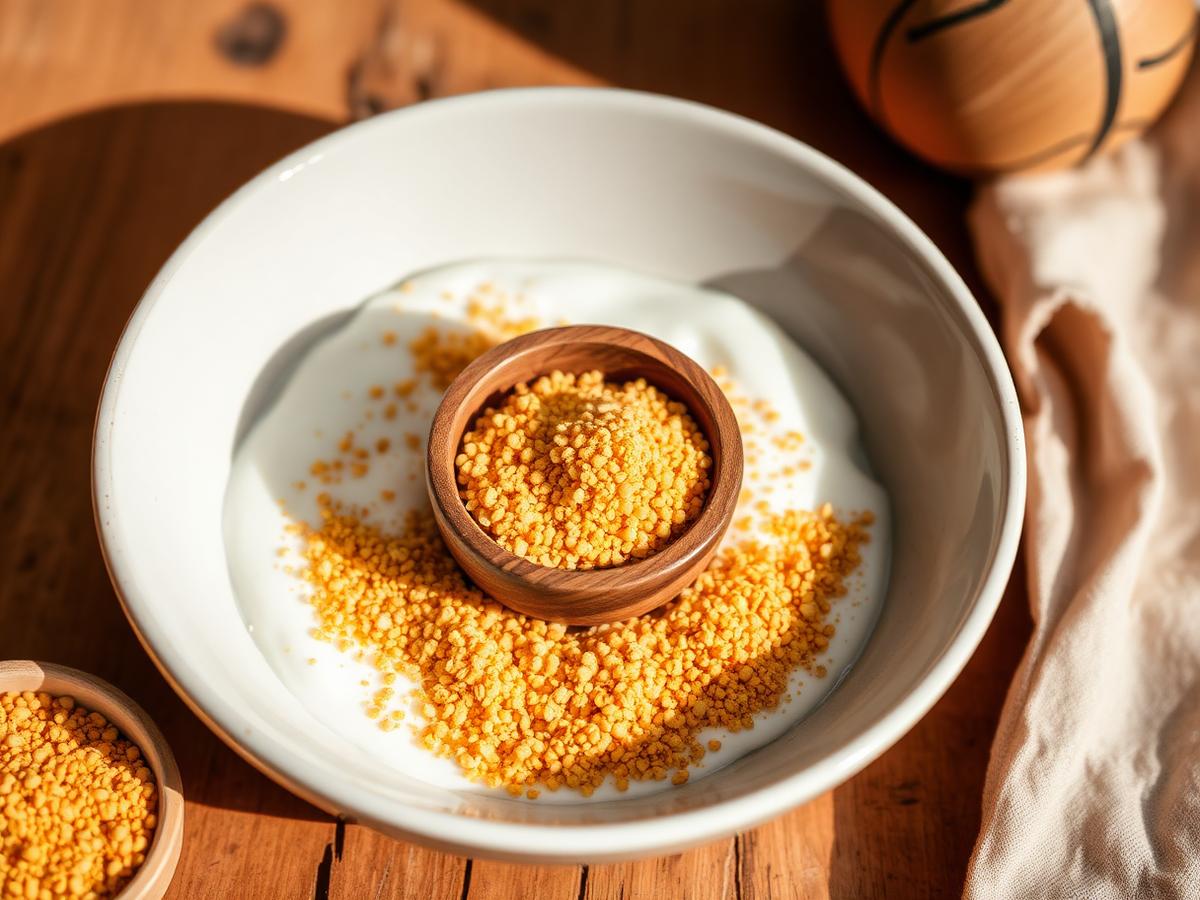
Bee pollen is genuinely nutrient-dense and genuinely variable. A calm look at what it contains, what it cannot replace, and who should be careful.
Bee pollen is sold as nature's multivitamin, which is a marketing phrase rather than a nutritional description.
The truth is more nuanced and, we think, more interesting: it is a genuinely nutrient-dense food, genuinely variable in composition, eaten in genuinely tiny quantities — and it carries a real allergy risk that deserves more attention than it usually gets.
What bee pollen is
Bee pollen is flower pollen collected by foraging bees, bound with nectar and bee secretions into small granules and carried back to the hive on their legs.
Beekeepers harvest it using a pollen trap at the hive entrance, which gently brushes some of the granules from returning bees. The granules are then dried or frozen for storage.
It is not the same as bee bread, which is pollen that has been packed into comb cells, sealed with honey and fermented. Fresh pollen granules are unfermented.
What it contains
Analyses commonly report protein and free amino acids, carbohydrates, fatty acids, vitamins, minerals, polyphenols, flavonoids and carotenoids. For a granule the size of a pinhead, that is an impressive list.
Composition varies enormously with the flowers visited, the region and the season. Two jars from different apiaries — or the same apiary in different months — can differ substantially.
This variability is why published nutritional figures should be read as indicative rather than exact, and why no jar can be relied upon to deliver a specific nutrient dose.
Why 'nature's multivitamin' overstates it
A typical serving is a teaspoon or less, often just a sprinkle over yoghurt. At that quantity, even a nutrient-dense food makes only a small contribution to daily intake.
A multivitamin, whatever one thinks of them, delivers specified amounts of specified nutrients. Bee pollen delivers an unspecified and variable mixture, which is a different proposition entirely.
None of this makes it worthless. It simply means it belongs in the category of interesting nutrient-dense foods, alongside seeds and nuts, rather than in the category of supplements.
What research suggests
Laboratory studies have examined pollen's polyphenols and antioxidant activity, and there is a modest body of work on its composition across plant sources.
Human clinical research is limited, and the studies that exist are generally small. There is no reliable evidence that bee pollen treats hay fever, boosts immunity, aids weight loss or increases athletic performance.
Claims that eating local pollen desensitises hay fever sufferers are particularly worth resisting, because the people most attracted to that idea are precisely those at highest risk of an allergic reaction.
How to use it sensibly
Used well, bee pollen is a lovely garnish. Scatter a few granules over yoghurt, porridge, fruit, smoothie bowls or toast with nut butter, where the faintly floral, slightly bitter crunch works nicely.
Avoid stirring it into boiling liquids, which dulls the flavour and the delicate compounds. Keep the jar refrigerated or frozen, since pollen is moist enough to spoil at room temperature.
Buy from a beekeeper or supplier who can tell you where and when it was collected. Provenance is the only useful quality signal available to a home cook.
Allergen and safety notes
This is the section that matters most. Pollen and bee products can trigger allergic reactions, and in susceptible people those reactions can be serious, including anaphylaxis.
Anyone with a known pollen or bee-product allergy, hay fever, asthma or a history of severe allergic reactions should use appropriate caution and take medical advice before trying bee pollen.
Begin with two or three granules, not a spoonful, and stop immediately at the first sign of itching, tingling lips, swelling, rash or stomach upset. Seek urgent medical help for any breathing difficulty or facial swelling.
Honey must not be given to infants under 12 months, and bee products in general are not suitable for babies. Bee pollen is a food rather than a medicine, and we make no claims about its use during pregnancy or as a treatment for any condition.
Key takeaway
Bee pollen is a nutrient-dense, highly variable garnish with a genuine allergy risk. Enjoy it as a small, beautiful addition to a bowl of yoghurt — and take the safety advice seriously rather than the marketing.
Key takeaways
- Nutrient-dense, but highly variable between batches.
- Not a substitute for a balanced diet or a supplement.
- Allergy risk is real and can be serious; start with a few granules.
- Honey must not be given to infants under 12 months.
Enjoyed this?
Get the next one straight to your inbox.
Keep reading
Related articles
Explore more natural food, fermentation and wellness ideas from Ika’s Realm.
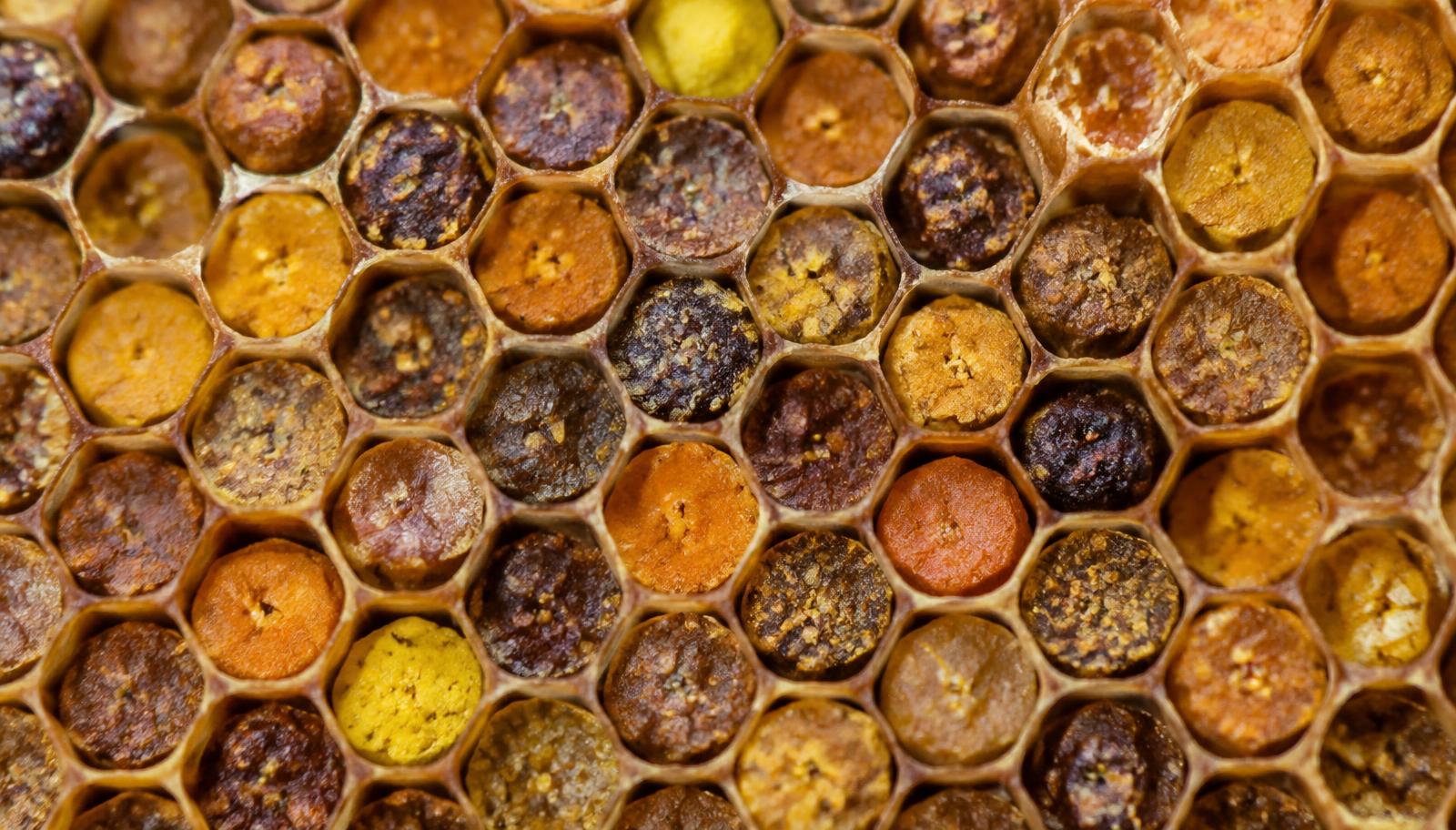
Bee Bread: What Happens When Bees Ferment Pollen?
Perga is pollen stored in honeycomb and transformed by microbial and enzymatic activity. Fermentation, it turns out, was never a human invention.
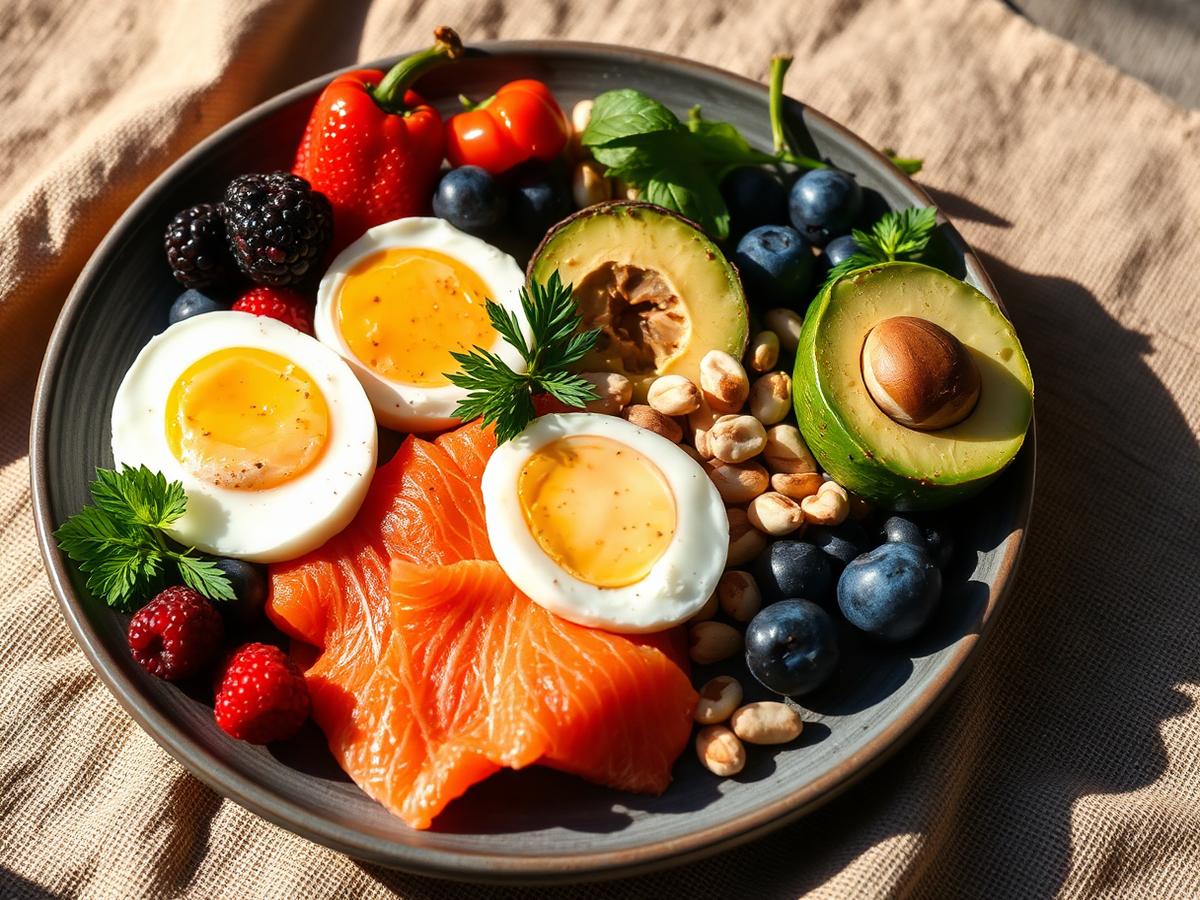
The Collagen-Support Plate: Feed the Building Process
Your body makes its own collagen, and it needs ordinary nutrients to do it. What a genuinely supportive plate looks like, beyond the supplement aisle.
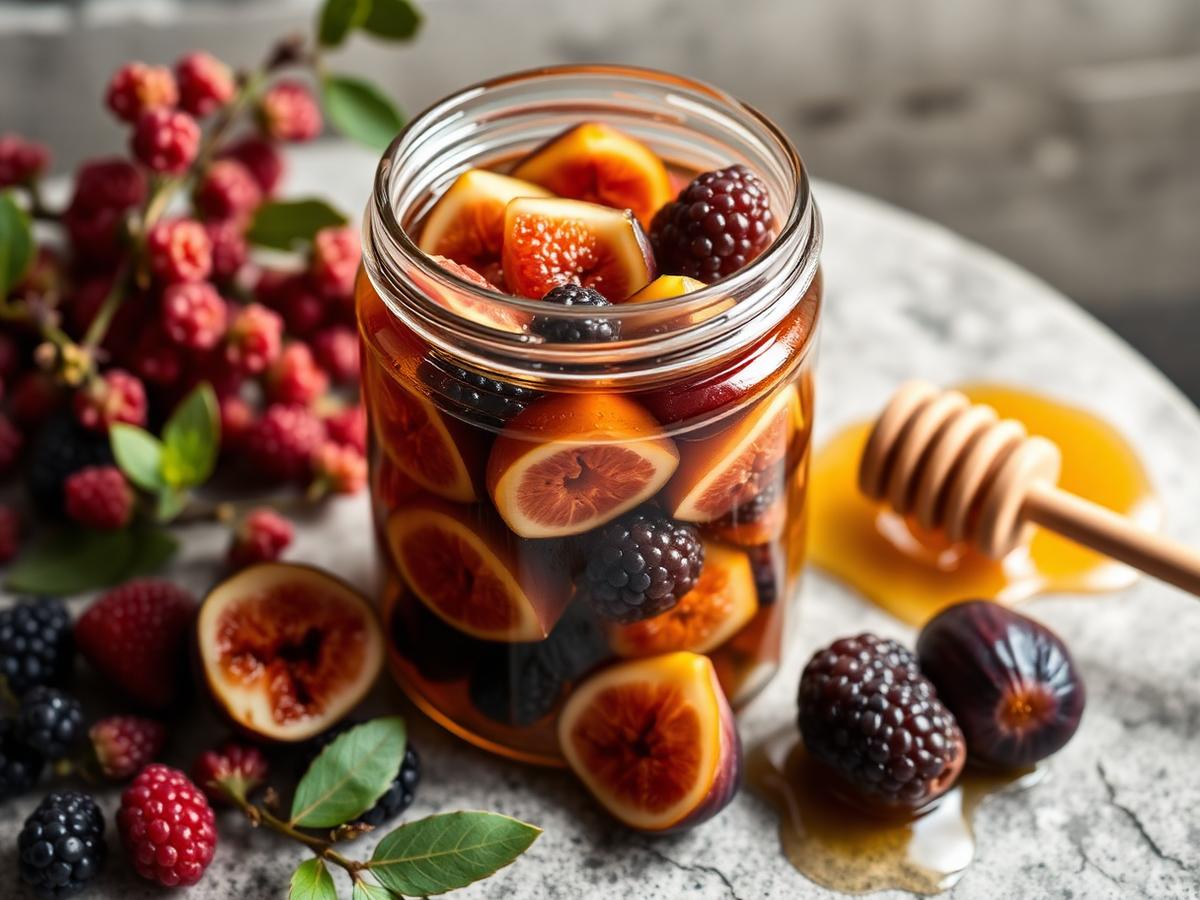
Honey-Preserved Fruit — Rediscovering an Ancient Kitchen Idea
Fruit macerated in honey is one of the oldest ideas in the kitchen. Here's what honey really does, what it doesn't, and how to do it safely today.