Okra water is a simple homemade drink built on plant mucilage rather than a miracle ingredient. Here is what it is, how to make it, and what it can honestly offer.
Okra water has become popular as a simple homemade wellness drink, and the internet has been generous with promises about it. The reality is quieter and, to our mind, more interesting.
Its defining feature is not an exotic compound. It is the soluble fibre and mucilage that seeps out of sliced okra pods when they sit in cool water overnight, turning ordinary water faintly silky.
What okra water actually is
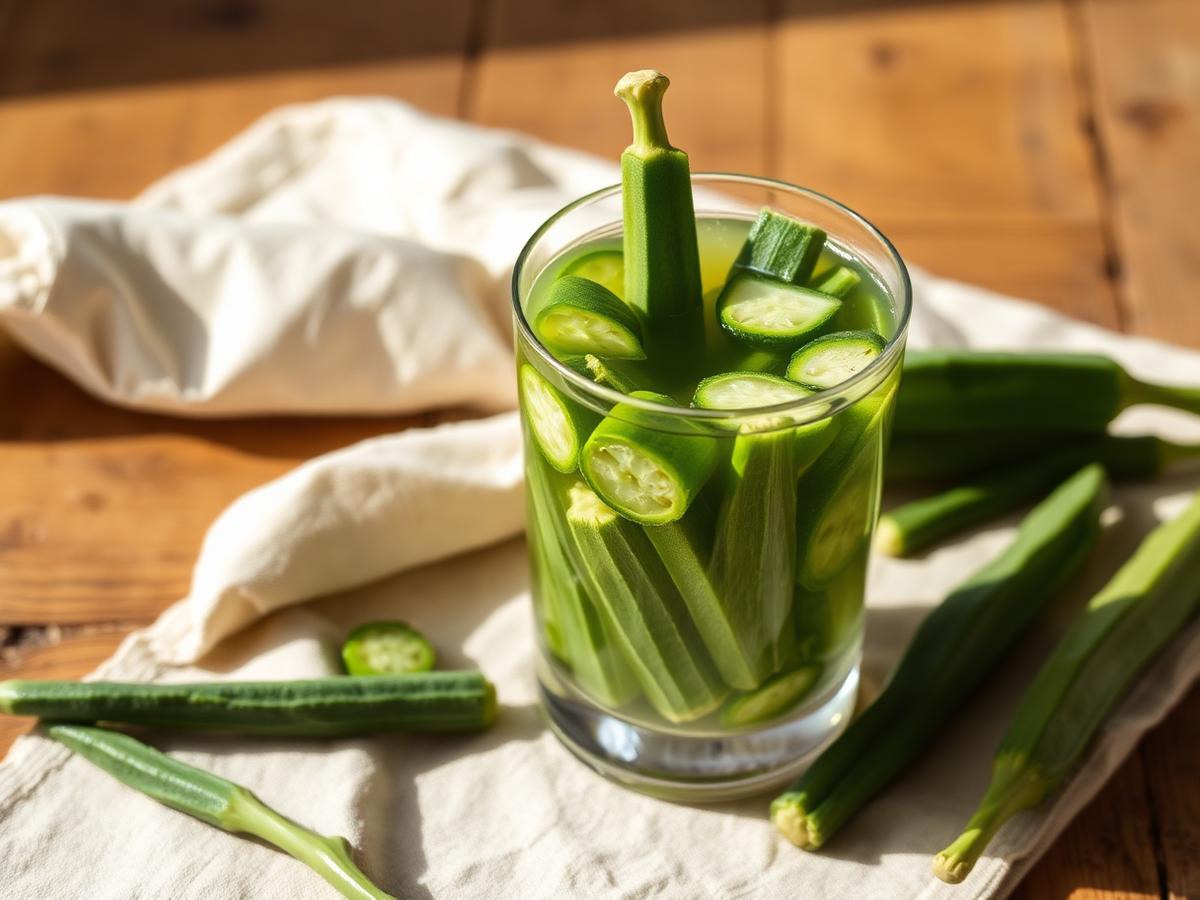
Okra water is made by slicing fresh okra pods, covering them with cool water and leaving them to steep in the fridge. Nothing is cooked, cultured or fermented. It is an infusion, in the same family as cucumber water or a cold herbal steep.
The slight slipperiness people notice is mucilage: a group of plant polysaccharides that dissolve readily in water. Okra is particularly rich in it, which is exactly why the pods thicken a gumbo or a stew so effectively.
Because the process is a soak rather than an extraction, the drink carries only part of what the pod contains. Some water-soluble compounds move across; fat-soluble ones and much of the insoluble fibre stay behind in the discarded pod.
Why people find it interesting
Soluble fibre is genuinely worth attention. In whole foods it contributes to a feeling of fullness, feeds gut microbes and can slow the rate at which a meal is digested.
That is the mechanism behind most of the enthusiasm around okra water. It is a plausible mechanism, though it applies most strongly to eating okra as a vegetable rather than drinking the water it soaked in.
There is also a simpler appeal. Unsweetened, inexpensive and quick to prepare, okra water replaces a sugary drink without pretending to be a treat. That alone can be a useful habit.
How to prepare it well
Choose firm, bright pods with no soft patches. Wash them, trim the stem end and slice them lengthwise so the interior is exposed to the water. More cut surface means more mucilage.
Two or three pods in 250 ml of water is a sensible starting ratio. Cover the glass, refrigerate overnight and strain in the morning. Eight to twelve hours is plenty.
The flavour is mild and vegetal, which some people enjoy and others find flat. A slice of lemon, a sprig of mint or a thin coin of ginger lifts it considerably without adding sugar.
Keep the whole process cold. Okra water is not preserved, so it should be soaked in the fridge and drunk within a day.
Nutritional and traditional context
Okra is eaten across West Africa, the Caribbean, South Asia, the Middle East and the American South, usually as a vegetable in stews, curries and braises rather than as a drink.
As a whole food, it supplies dietary fibre, vitamin C, folate, vitamin K, magnesium and a range of plant polyphenols. Those figures belong to the pod, not to the soaking water.
The infusion tradition is comparatively modern and largely home-grown. That does not make it worthless, but it does mean there is less accumulated culinary wisdom behind it than behind, say, a slow-cooked okra stew.
What research suggests, and what it does not
Studies on okra and okra extracts have looked at soluble fibre, mucilage and polyphenols in relation to digestion, glucose response and cholesterol. Much of that work is laboratory-based or conducted in animals, and human trials tend to be small.
Research suggests that soluble fibre eaten as part of a meal may contribute to a gentler rise in blood glucose. That is a general property of soluble fibre rather than something unique to okra water.
What the evidence does not support is treating the drink as a remedy for diabetes, weight loss or any specific condition. If a claim sounds like a prescription, it has travelled well past the science.
Limitations and safety notes
Okra water will never match the pod itself for nutrition. If the goal is fibre and micronutrients, roasting, grilling or stewing okra achieves far more than soaking it.
A sudden increase in soluble fibre can cause bloating or wind in some people. Introduce it gradually rather than drinking several glasses on the first day.
Okra belongs to the mallow family, and although allergy is rare it does exist. Anyone who has not eaten okra before should start with a small amount.
Most importantly, nobody taking glucose-lowering medication should adjust that medication because of a food or drink. Speak to your clinician before making significant dietary changes, and seek advice if you experience symptoms of low blood sugar.
Key takeaway
Okra water is a pleasant, cheap and genuinely low-risk habit built on real plant chemistry. It is not a cure, a detox or a substitute for eating vegetables — and it is much more enjoyable once you stop expecting it to be.
Recipe card
How to Make Okra Water
Ingredients
- 2-3 fresh okra pods, washed
- 250 ml cool filtered water
- Optional: a slice of lemon, a sprig of mint or a thin coin of ginger
Method
- 1Trim the pods and slice them lengthwise so the interior is exposed.
- 2Place them in a clean glass or jar and cover with the water.
- 3Refrigerate overnight, roughly 8-12 hours.
- 4Strain and drink the same day. Discard any batch left at room temperature for long periods.
Allergen information
Okra is in the mallow family. Rare sensitivities exist; introduce it slowly if you have not eaten okra before.
Storage
Keep refrigerated and drink within 24 hours. Okra water is not a preserved or fermented product.
Key takeaways
- The slipperiness is mucilage, a soluble plant polysaccharide.
- Eating whole okra delivers more nutrition than the soaking water.
- Refrigerate while soaking and drink within a day.
- Never adjust glucose-lowering medication because of a dietary change.
Enjoyed this?
Get the next one straight to your inbox.
Keep reading
Related articles
Explore more natural food, fermentation and wellness ideas from Ika’s Realm.
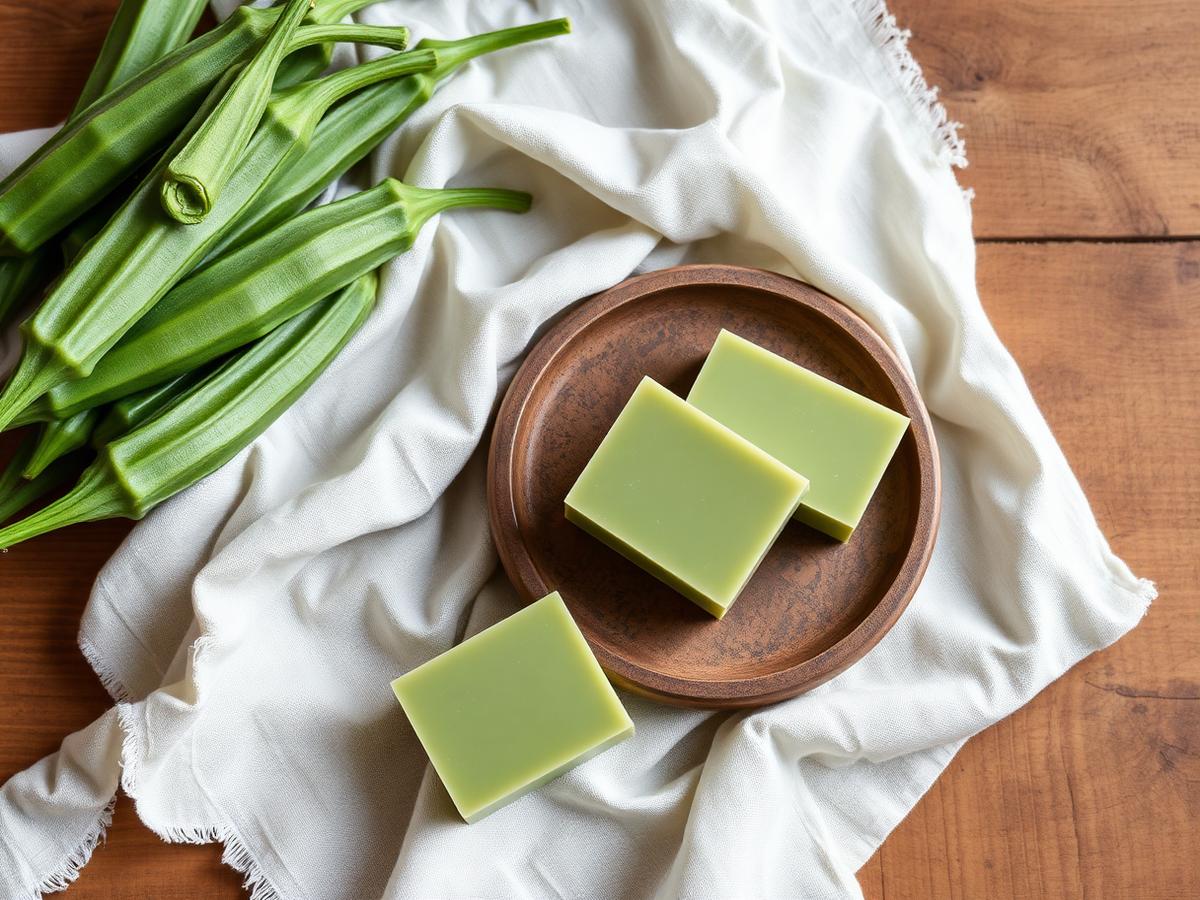
Okra Beyond the Kitchen — Exploring Handmade Okra Soap
Okra's famous sliminess is a mucilage — and mucilage is genuinely interesting to soap makers. An exploratory guide, with two very different methods.
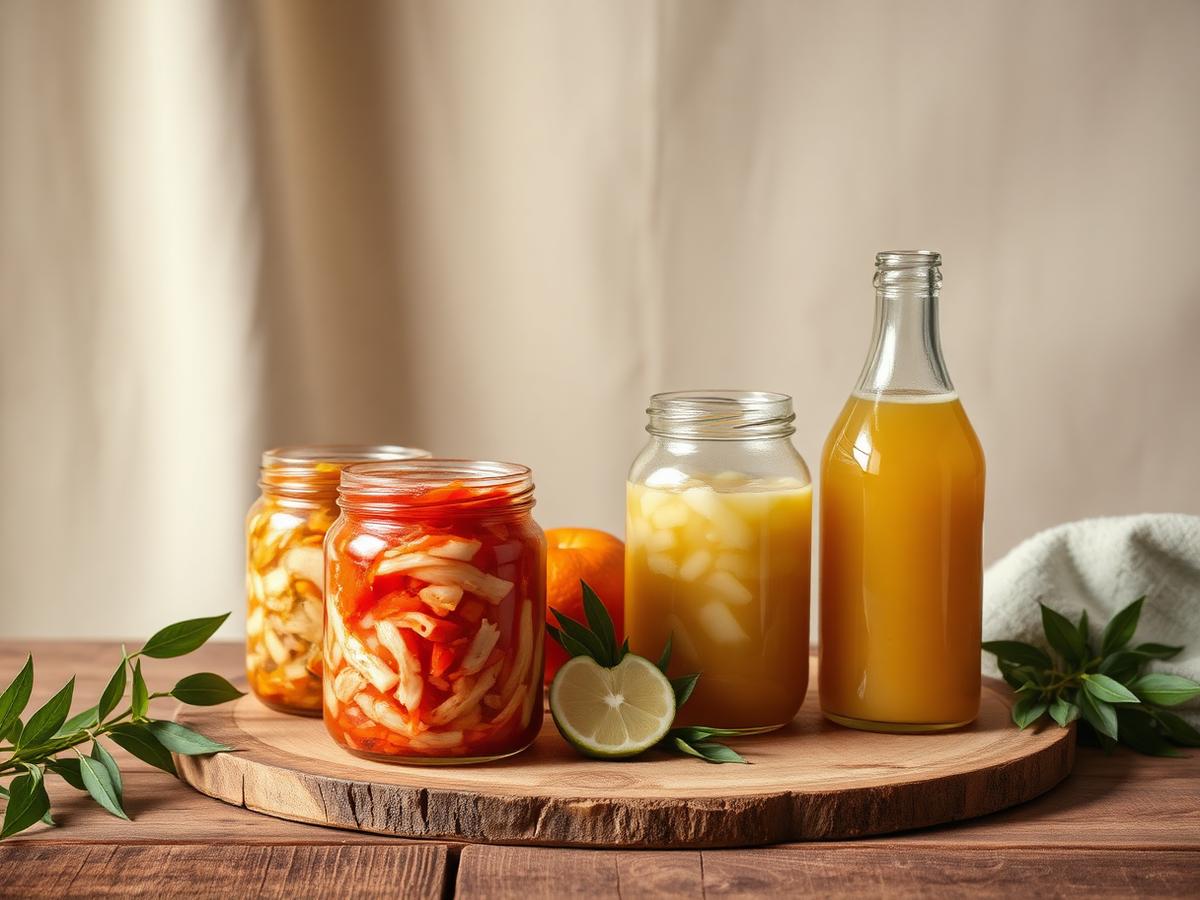
Beginner's Sauerkraut: Two Ingredients, Endless Payoff
Cabbage, salt and patience. Everything you need to make your first successful ferment — and how to know it's going right.

Three Warming Drinks for a Cold Evening
Golden ginger milk, cocoa maca and a ginger lemon infusion. Three simple winter rituals that need no health claims to be worth making.