Extra Virgin, Virgin and Refined Olive Oil: What the Labels Actually Mean
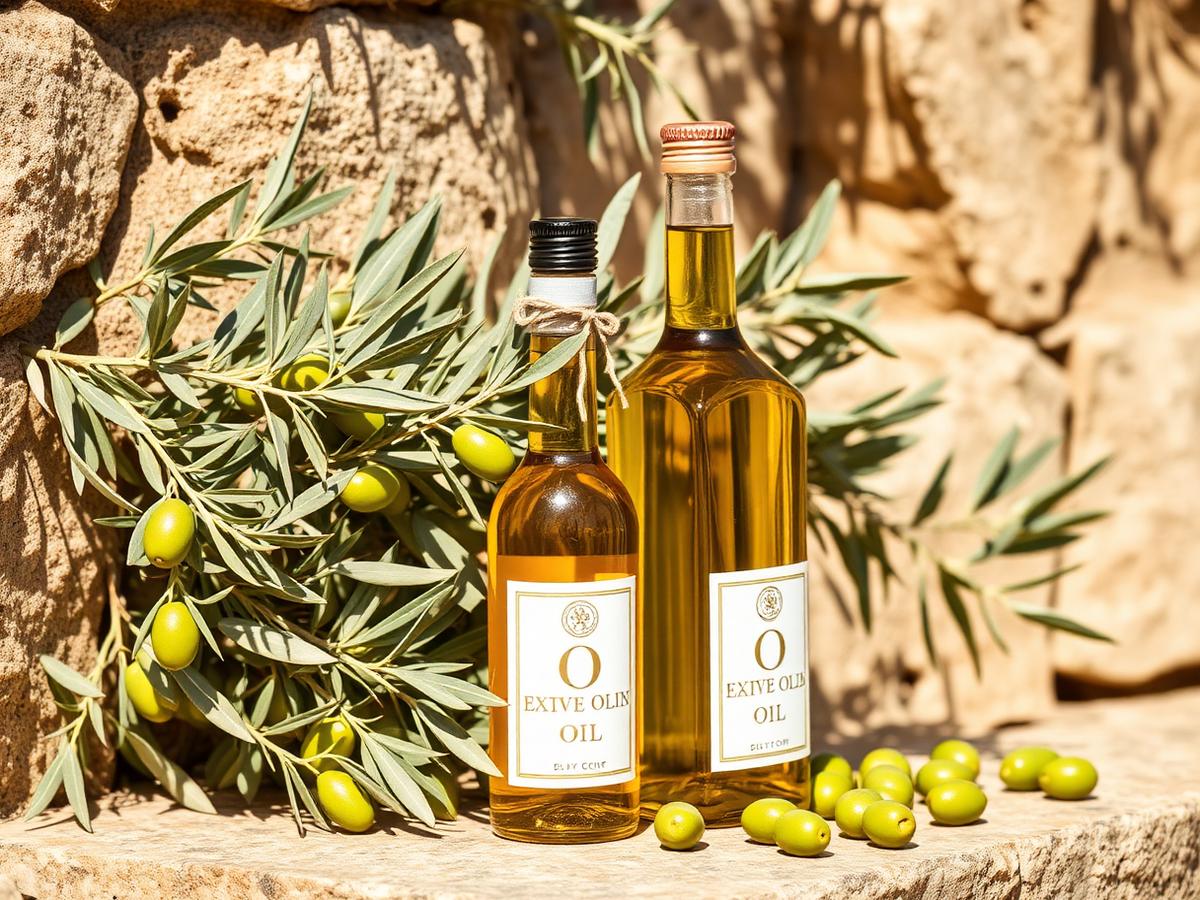
Olive oil labels confuse almost everybody. Here is what each grade means, how they are produced, and what actually matters when you buy a bottle.
Standing in front of a supermarket shelf, olive oil labelling looks like marketing language. In fact most of those words are technical grades with legal definitions.
Once you know what separates them, choosing a bottle becomes straightforward — and so does knowing what to do with it once it is home.
Extra virgin olive oil
Extra virgin is produced mechanically — crushed, malaxed and separated — without chemical refining or excessive heat. To carry the name it must meet both chemical limits, notably a low free acidity, and a sensory panel assessment finding no defects.
That double standard is why extra virgin tastes of something. It retains polyphenols, chlorophyll and volatile aroma compounds, giving grassy, green or fruity notes and a peppery catch at the back of the throat.
That pepperiness comes largely from oleocanthal and related polyphenols. It is a sign of a fresh, well-made oil, and it fades as the bottle ages.
Virgin and refined grades
Virgin olive oil is also mechanically produced but permits slightly higher acidity and minor sensory faults. It is a real grade, simply a less pristine one, and it is relatively uncommon on British shelves.
Refined olive oil has been treated with heat, filtration or solvents to strip out defects. The process also strips out flavour, colour and most polyphenols, leaving a neutral, pale oil.
A bottle labelled simply 'olive oil' is usually refined oil with a little virgin oil blended back in for flavour. 'Light' refers to taste and colour, not calories — all olive oils contain roughly the same energy.
Olive pomace oil is a separate product, extracted with solvents from the paste left after pressing. It is the most heavily processed of the family.
Cooking with it
The claim that extra virgin olive oil must never be heated is overstated. Its smoke point of roughly 190-210C covers sautéing, shallow frying, roasting and baking without difficulty.
It is also unusually stable for a plant oil, because its polyphenols and its high proportion of monounsaturated fat resist oxidation better than many highly polyunsaturated alternatives.
Where it makes less sense is sustained deep frying at high temperatures, both on cost grounds and because a refined oil handles that duty with less flavour loss. Save the best bottle for finishing, dressing and dipping, where the aroma actually reaches you.
Nutritional context
Olive oil is predominantly monounsaturated fat, mainly oleic acid, with vitamin E and, in unrefined grades, a range of polyphenols.
It is one of the defining components of Mediterranean-style eating patterns, which have been studied extensively in relation to cardiovascular health. Those studies look at whole dietary patterns rather than at olive oil taken in isolation.
It remains an energy-dense fat at around 120 kcal per tablespoon. Using it generously in place of less useful fats is sensible; adding it on top of everything else is not.
What to look for when buying
Prefer dark glass or tin, which protects against light. Look for a harvest date rather than only a best-before, and for a named producer or estate rather than a vague blend of oils from several countries.
Protected designation schemes such as PDO and PGI, and independent quality awards, are useful signals but not guarantees. Tasting is the real test: a good oil smells fresh and green, never waxy, musty or like old crayons.
Price correlates loosely with quality at best. A recently harvested mid-priced oil that has been stored properly will beat an expensive bottle that has spent a year under supermarket lights.
Storage and shelf life
Heat, light and oxygen are the enemies. A cool dark cupboard is ideal; the shelf directly above the hob is the worst place in the kitchen.
Close the cap properly after each use and avoid decanting into a wide open jug. Once opened, aim to finish a bottle within two to three months while the aroma is still lively.
Refrigeration is unnecessary and will cloud the oil, though this is harmless and reverses at room temperature. Rancid oil smells flat, waxy or crayon-like and should be discarded.
Key takeaway
Extra virgin is unrefined and must pass both chemical and taste standards; plain 'olive oil' is mostly refined. Buy fresh, store it cool and dark, cook with it confidently, and stop before it smokes.
Key takeaways
- Extra virgin is unrefined and must meet chemical and taste standards.
- Plain olive oil is usually a refined blend, not a lesser virgin oil.
- Extra virgin handles everyday cooking heat; discard oil that smokes.
- Freshness and storage matter more than price.
Enjoyed this?
Get the next one straight to your inbox.
Keep reading
Related articles
Explore more natural food, fermentation and wellness ideas from Ika’s Realm.
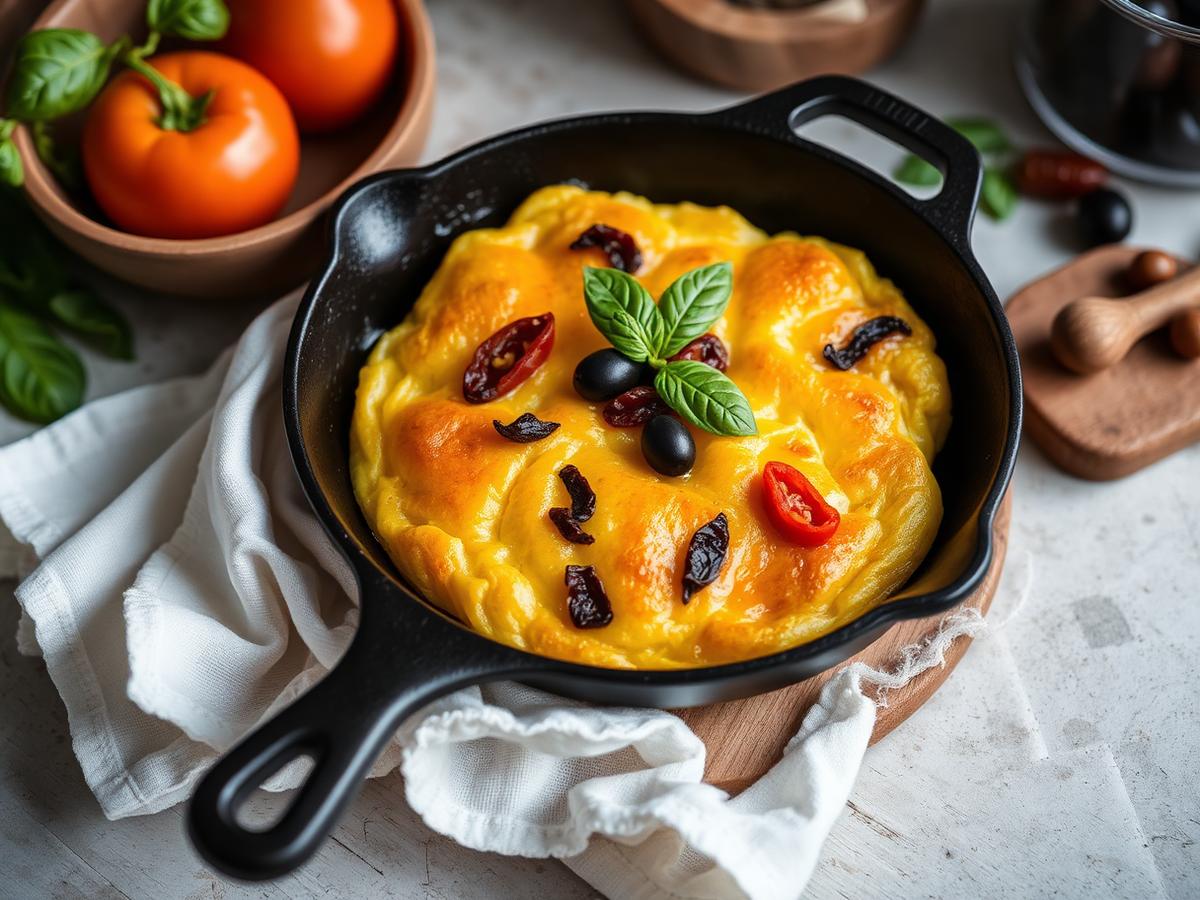
Mediterranean Protein Skillet Bread — Sun-Dried Tomato, Olive & Basil
Whipped egg whites, a pinch of salt and a handful of Mediterranean flavours make a light, protein-rich skillet bread you can slice into a sandwich.
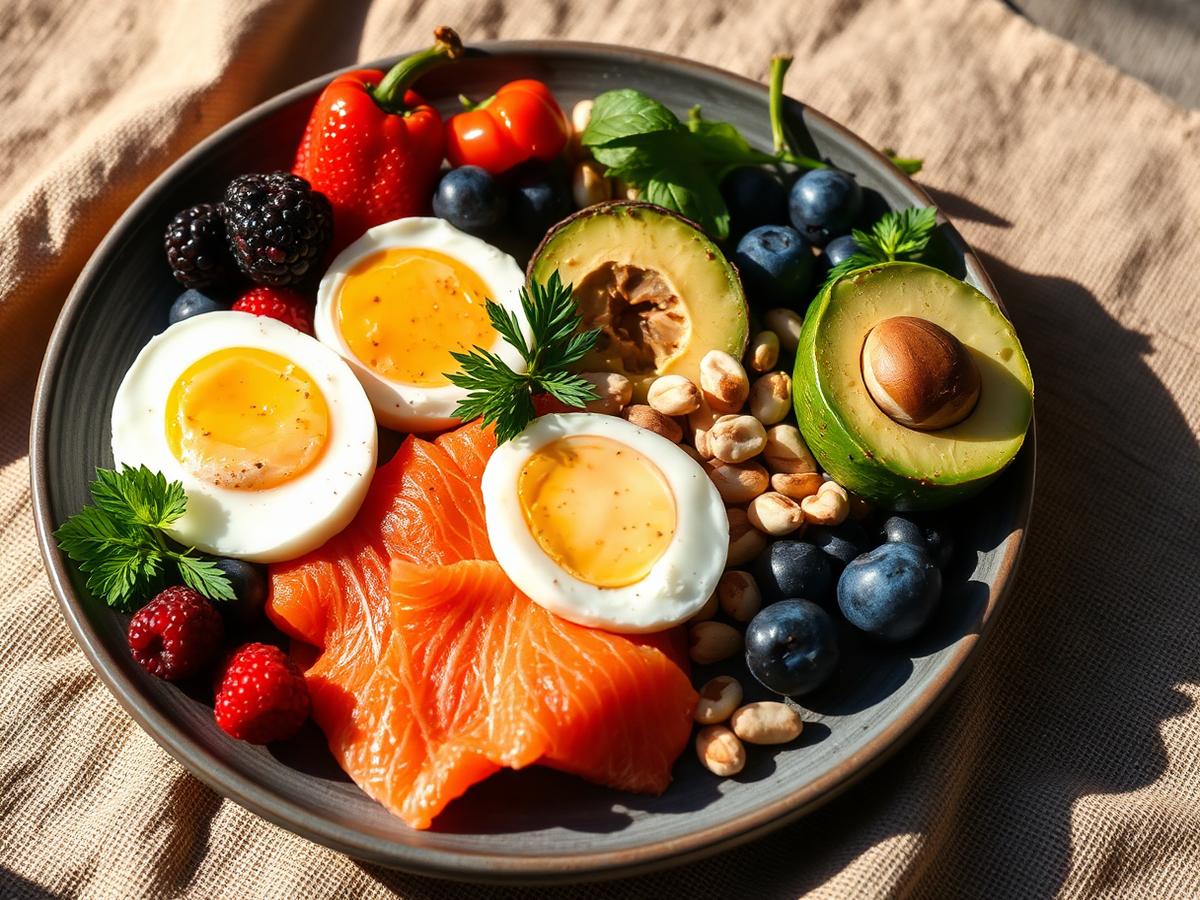
The Collagen-Support Plate: Feed the Building Process
Your body makes its own collagen, and it needs ordinary nutrients to do it. What a genuinely supportive plate looks like, beyond the supplement aisle.
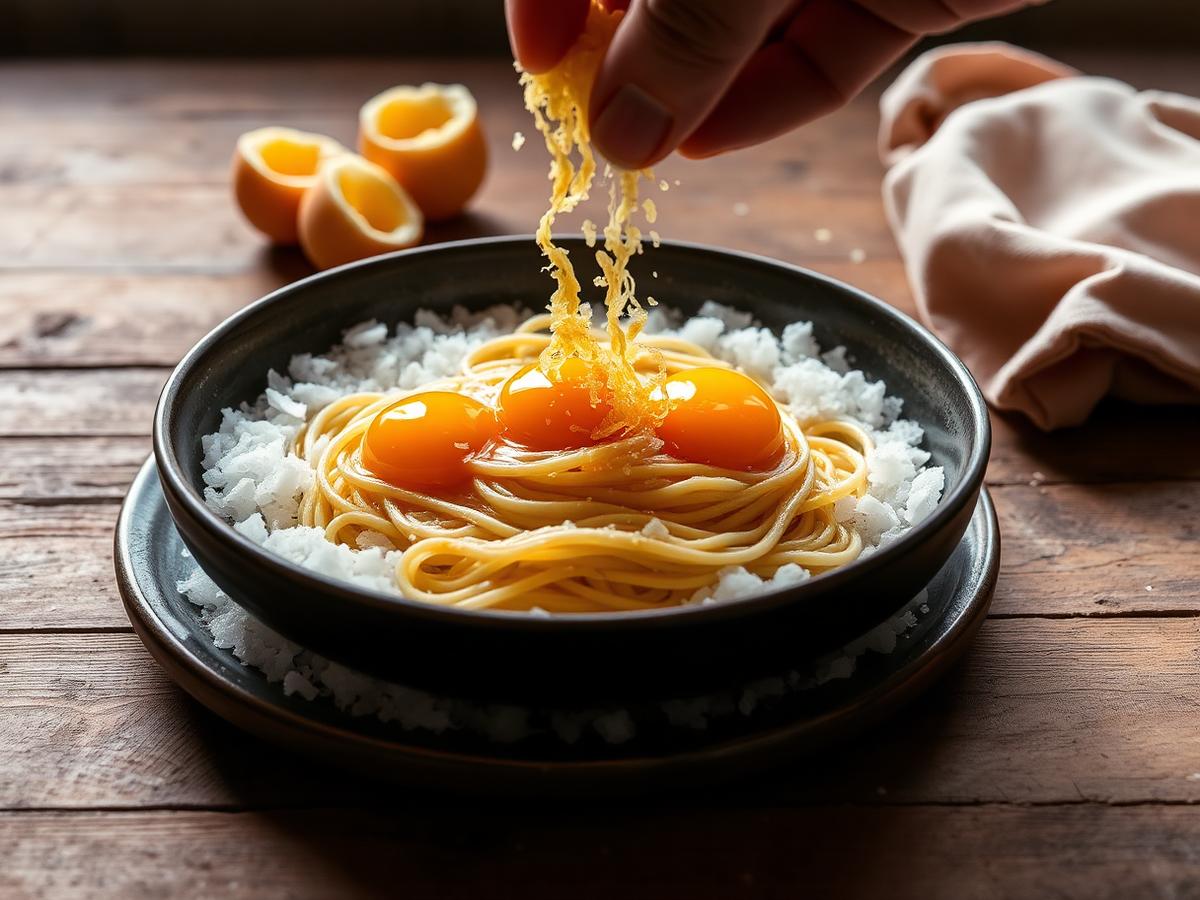
Cured Egg Yolks: The Umami Ingredient That Grates Like Cheese
Salt draws water out of a fresh yolk until it is firm enough to grate. One of the simplest demonstrations of preservation changing texture entirely.