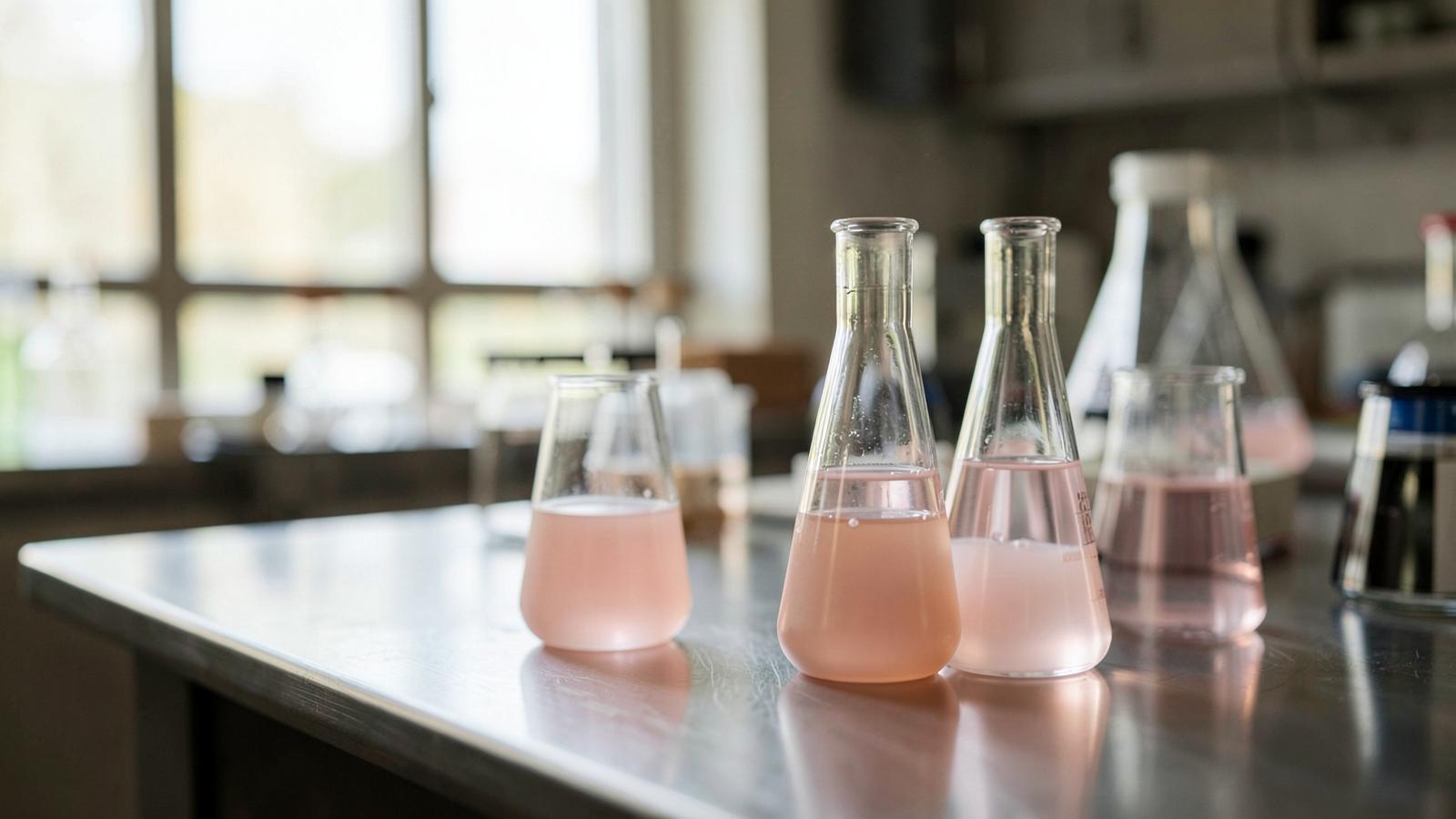
Living medicines use engineered cells, bacteria and other biological systems to sense, respond and deliver treatment. The promise is extraordinary — and so are the engineering challenges.
A tablet is manufactured, swallowed, absorbed and eventually cleared. A living medicine is different. It may sense its surroundings, change behaviour, multiply, communicate with other cells or release a therapeutic molecule only when a biological signal appears. That sounds futuristic, yet parts of this idea are already real. CAR-T therapies use a patient’s immune cells as an engineered treatment, while researchers are developing programmable bacteria, fungi and other cells that act more like tiny responsive factories than conventional drugs.
From chemistry to programmed biology
Traditional drugs are usually small molecules or proteins with a defined chemical structure. Living therapeutics add another layer: the treatment is itself a living system. Scientists can give cells genetic circuits that behave like simple logic. A cell might detect a marker, activate a response and then reduce that response when the marker disappears. The ambition is not to create 'intelligent' cells in the human sense, but to engineer controlled biological behaviour.
CAR-T showed that cells can be medicines
CAR-T therapy is one of the clearest examples. T cells are collected, modified so they recognise a chosen target, expanded and returned to the patient. In several blood cancers, this approach has transformed treatment options. It also demonstrates the difficulty of living therapies: immune reactions can be intense, manufacturing is complex and the engineered cells must remain effective without becoming dangerously overactive. The success of CAR-T did not make cell therapy simple; it proved that the concept can be clinically powerful.
Programmable bacteria and probiotics
Synthetic-biology researchers are engineering bacteria to detect local conditions in the gut or a tumour and respond by producing a molecule, changing metabolism or generating a measurable signal. In theory, this could allow a therapy to work at a disease site while reducing exposure elsewhere. Some designs also include 'kill switches' or nutrient dependencies intended to limit survival outside a controlled setting. Most engineered microbial therapies remain experimental, but the field is developing rapidly.
Why delivery is its own science
A living medicine must arrive alive, remain stable and behave predictably. That can require capsules, hydrogels, biomaterial coatings or specially designed delivery devices. Engineers must think about oxygen, acidity, immune attack, nutrient availability and how long the therapy should persist. For living cells, storage and manufacturing can be as important as the genetic design. A brilliant circuit is useless if the cells cannot survive transport or if their behaviour drifts over time.
The safety questions are different
With a conventional medicine, regulators ask about dose, toxicity, interactions and clearance. Living systems raise extra questions: Can the organism mutate? Can engineered genes transfer? Can the treatment be switched off? Could it colonise somewhere unintended? How consistent is one batch compared with another? These are not reasons to reject the technology. They are the engineering problems that must be solved before a living therapy can become routine medicine.
A partnership with biology
The long-term promise is a shift from medicines that circulate everywhere to treatments that sense context. A future cell therapy might respond to inflammation only when a threshold is crossed, or a microbial therapy might produce a molecule directly in the gut and then deactivate. That vision is still unevenly distributed between established medicine and research, but it changes the central question. Instead of asking only, 'What drug should we deliver?', scientists can also ask, 'What living system could detect the problem and respond?'
Key takeaways
- Cell and microbe therapies act as living systems that respond, not as fixed chemical doses.
- CAR-T showed the principle; programmable bacteria are still largely experimental.
- Delivery and control mechanisms are as important as the biology itself.
Further reading
Enjoyed this?
Get the next one straight to your inbox.
Keep reading
Related articles
Explore more natural food, fermentation and wellness ideas from Ika’s Realm.
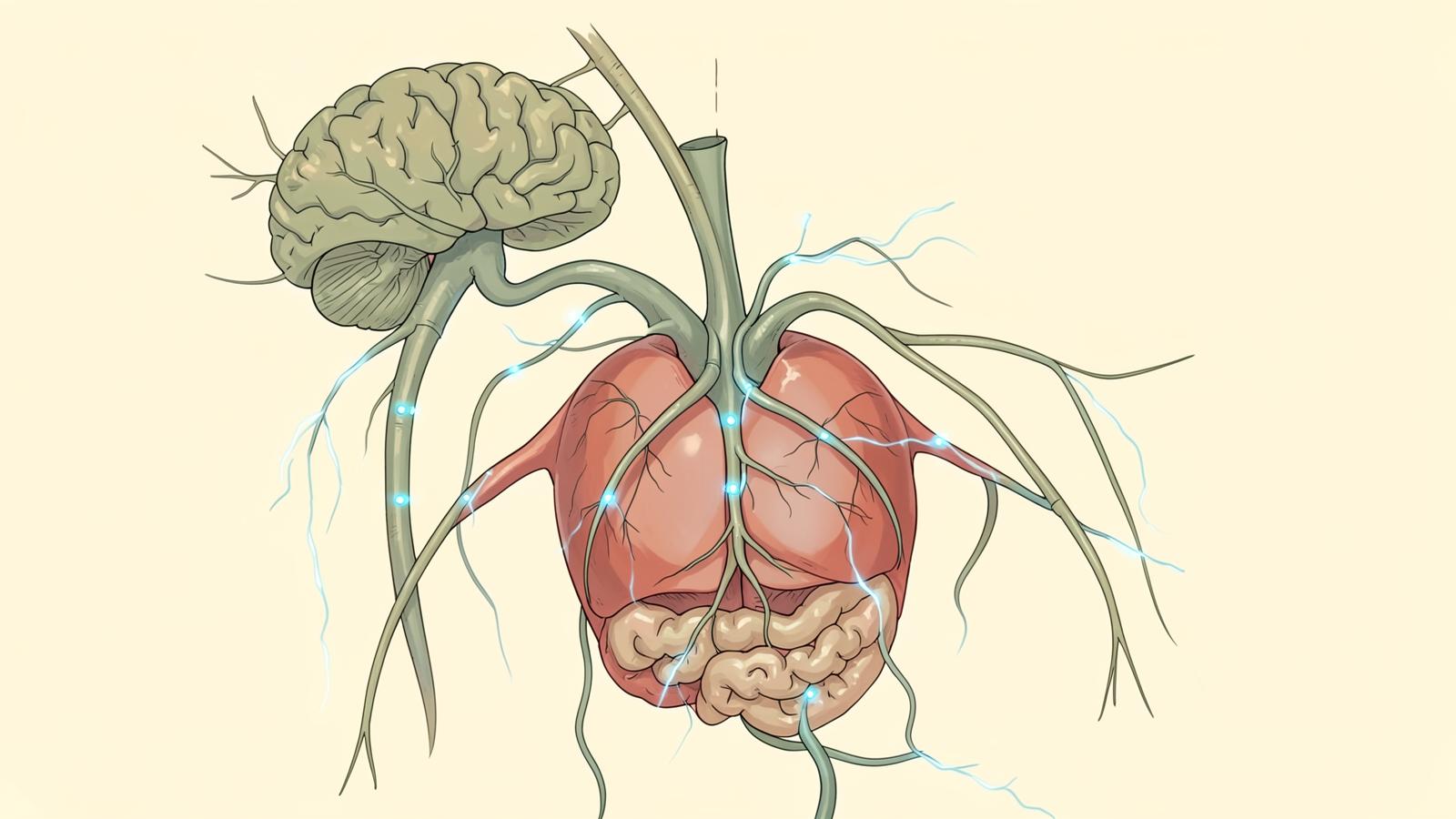
Bioelectric Medicine — When Nerves Become a Therapeutic Interface
Bioelectronic medicine treats nerves as communication pathways that can sometimes be modulated electrically. Vagus nerve stimulation is one window into a fast-growing field.
Methylene Blue — Medicine, Mitochondria and the Wellness Hype
Methylene blue is not a new "biohacking dye." It is a pharmacologically active compound with established medical uses, a long scientific history and potentially serious interactions. That makes it interesting — and exactly the wrong substance to treat casually.

Urolithin A — Gut Microbes, Mitophagy and Mitochondrial Renewal
A compound found in pomegranates does not simply "become urolithin A" in everyone. Gut microbes transform ellagitannins into metabolites, and only some people produce meaningful amounts. That makes urolithin A a fascinating story about food, microbes and mitochondrial research.