Ceremonial Cacao: The Plant, the Traditions and a Thoughtful Cup at Home
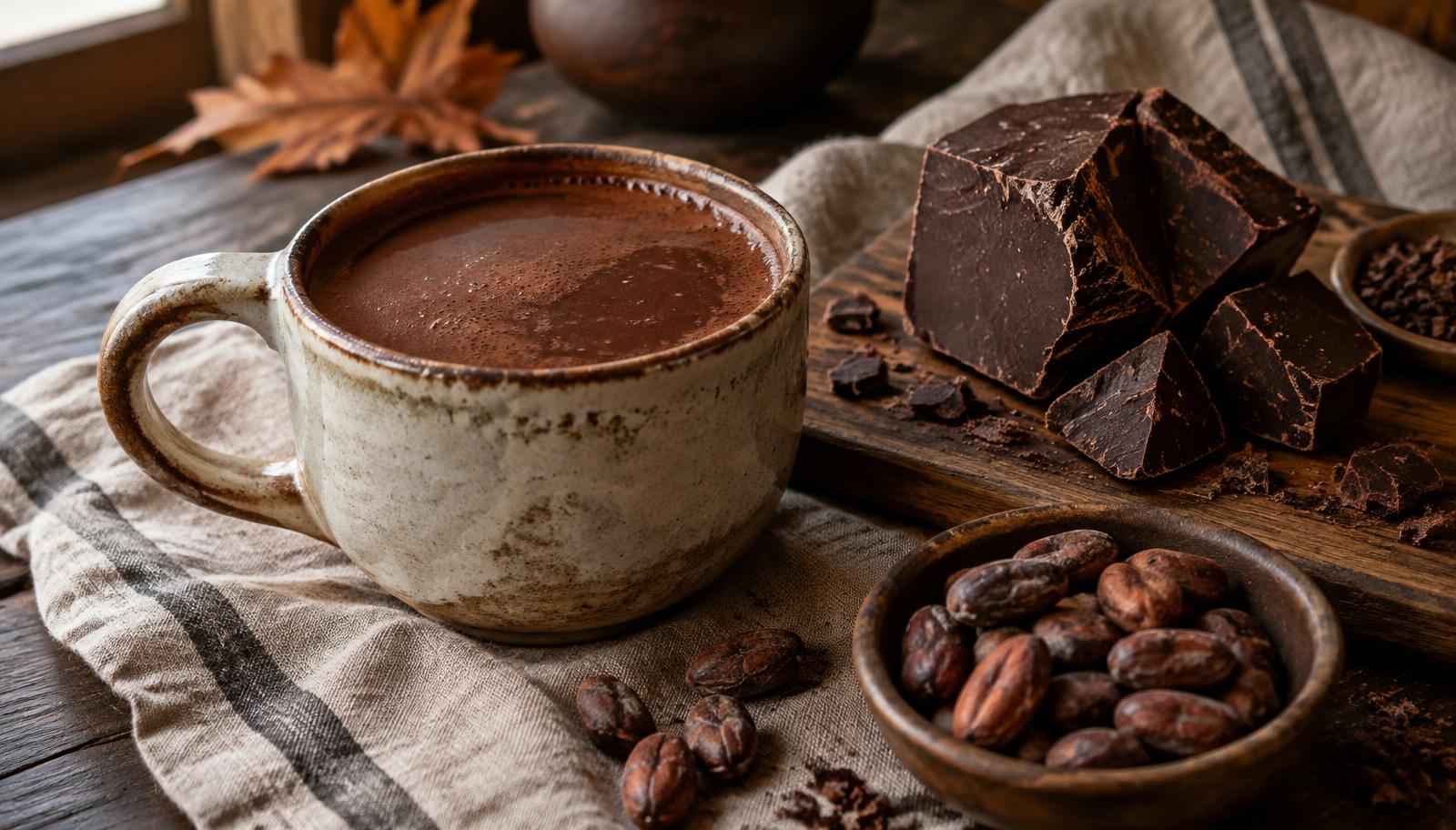
Understand ceremonial cacao, its history, common label terms and preparation, with a thoughtful guide to making a simple cup at home.
A saucepan warming on the hob. A dark piece of cacao softening into water. The first scent rising before the drink reaches the cup. Cacao invites attention through very ordinary senses: warmth, aroma, bitterness, texture.
Online, that cup often arrives surrounded by much larger promises. It may be described as heart-opening, healing or transformative. Understanding what is in the cup helps us appreciate the experience without confusing cultural meaning, personal feeling and medical evidence.
What are we actually drinking?
Cacao comes from the seeds of *Theobroma cacao*, a tropical tree. Cacao mass, also called cocoa liquor or cacao paste, is made by grinding the edible inner parts of the beans. “Liquor” here does not mean alcohol. The mass retains cocoa butter; cocoa powder is produced after much of that fat has been pressed out. This is why a drink made from paste can feel richer than one made from powder. [1]
Products sold as ceremonial cacao commonly use unsweetened cacao mass. They may come as blocks, discs or flakes. The word “ceremonial” alone does not tell you the variety, origin, processing method, composition or ethical terms of production. Read those details separately.
Likewise, “cacao” and “cocoa” on a packet do not establish a universal raw-versus-roasted distinction. A seller should explain how its own product was made. Fermentation, drying and roasting are separate processes, and the description “raw” deserves more detail than a reassuring word on the front.
A long history, with more than one story
Research at Santa Ana-La Florida in present-day Ecuador identified evidence of cacao use dating back approximately 5,300 years. The findings included starch grains, theobromine residues and ancient DNA. Later research has added evidence of cacao movement and exchange across pre-Columbian societies. [2, 3]
That history is richer than the idea of one ancient recipe surviving unchanged into every modern workshop. Different communities used cacao in different ways. A contemporary guided cacao gathering should not automatically be presented as an exact reconstruction of a Maya, Mexica or other Indigenous ceremony.
For a home drink, respect can be practical: name the producing country and community when known, learn who grew the cacao, and be careful about repeating stories that a seller cannot support. A quiet personal ritual does not need an invented ancient lineage to have meaning.
Criollo, Trinitario and other names on the label
The traditional commercial vocabulary often divides cacao into Criollo, Forastero and Trinitario. It remains useful for reading labels, but it simplifies a more complex genetic picture. Modern research describes diversity that cannot be neatly contained in three boxes. [4]
Criollo and Trinitario are often associated with fine-flavour cacao. However, the International Cocoa Organization notes important exceptions to the traditional categories. Genetics, growing conditions and handling after harvest interact to shape the final sensory result. A prestigious variety name cannot compensate for poor processing. [5]
| Label wording | What it can help explain | What to ask next |
|---|---|---|
| Criollo or Trinitario | A traditional genetic or commercial description | How specific is the producer’s information? |
| Single origin | A stated geographical source | Does “origin” mean a country, region or named farm? |
| 100% cacao | The cacao proportion | Is it mass, powder or another cacao product? |
| Organic | A production claim when backed by recognised certification | Which certification is shown? |
| Ceremonial | The intended presentation or use | What do the ingredients and traceability actually say? |
The work between the pod and the cup
Fresh cacao seeds do not taste like a finished chocolate drink. The producer’s work is central to developing flavour. Fermentation and drying influence what later processing can reveal; roasting and grinding add further choices. Cocoa butter gives mass a texture that powder alone cannot reproduce in quite the same way. [1]
This makes choosing cacao a little like choosing coffee: ask about the producer and process, then taste the result. A beautiful block and a poetic description are enjoyable, but neither tells the whole story.
A simple cup to begin with
This is a suggested kitchen starting point, not a traditional ceremonial formula or a medically recommended dose.
For one small cup, try:
• 10 g finely chopped, food-grade, unsweetened cacao mass;
• 150–180 ml water, milk or a suitable plant drink;
• an optional small pinch of cinnamon;
• a little sweetener, only if you want it.
Warm the liquid gently. Add the chopped mass and whisk over a low heat until smooth, following the product’s preparation instructions. Remove from the heat, taste and adjust with more liquid. A handheld frother can help, but a saucepan and whisk are enough. Use care with hot liquids, especially in a blender.
Taste the first cup without several spices. Notice whether it seems fruity, toasted, nutty or strongly bitter. Then decide what you would like to add. Sometimes the most useful improvement is more water rather than more sweetener.
What about wellness claims?
Cacao contains flavanols, and researchers have studied cocoa compounds in relation to health. Their concentration varies with processing; research on a measured extract cannot simply be transferred to an unmeasured cup of cacao. A warming drink should not be advertised as a treatment for depression, trauma or heart disease. [6]
Cacao also contains theobromine and caffeine. It is not a caffeine-free bedtime drink. People differ in how they respond, and a larger serving is not automatically a better experience. If cacao leaves you restless or gives you palpitations, do not keep increasing it to reach an imagined ceremonial effect. [7]
You can enjoy the taste, the pause and the company without needing a special physical response. Nor does a meaningful emotional experience prove that the drink has treated an underlying condition.
Create a ritual that fits your life
Choose a cup you like. Put the phone aside for a few minutes. Watch the surface settle after whisking. Ask yourself a simple question: what would make today a little easier?
You might drink alone, share it with someone, or write a few lines while it cools. The ritual can be ordinary and personal. Its value need not depend on expensive accessories or dramatic promises.
Understanding cacao makes that pause more interesting. Behind the cup are a plant, skilled growers, many histories and a chain of decisions that brought its flavour to your kitchen.
Further reading
- International Cocoa Organization — Processing Cocoa
- Zarrillo et al., 2018 — The use and domestication of Theobroma cacao during the mid-Holocene in the upper Amazon
- Lanaud et al., 2024 — A revisited history of cacao domestication in pre-Columbian times
- Cornejo et al., 2018 — Population genomic analyses of the chocolate tree
- International Cocoa Organization — Fine Flavour Cocoa
- Harvard Health — Should I add cocoa powder to my diet?
- International Cocoa Organization — Health & Nutrition
Enjoyed this?
Get the next one straight to your inbox.
Keep reading
Related articles
Explore more natural food, fermentation and wellness ideas from Ika’s Realm.
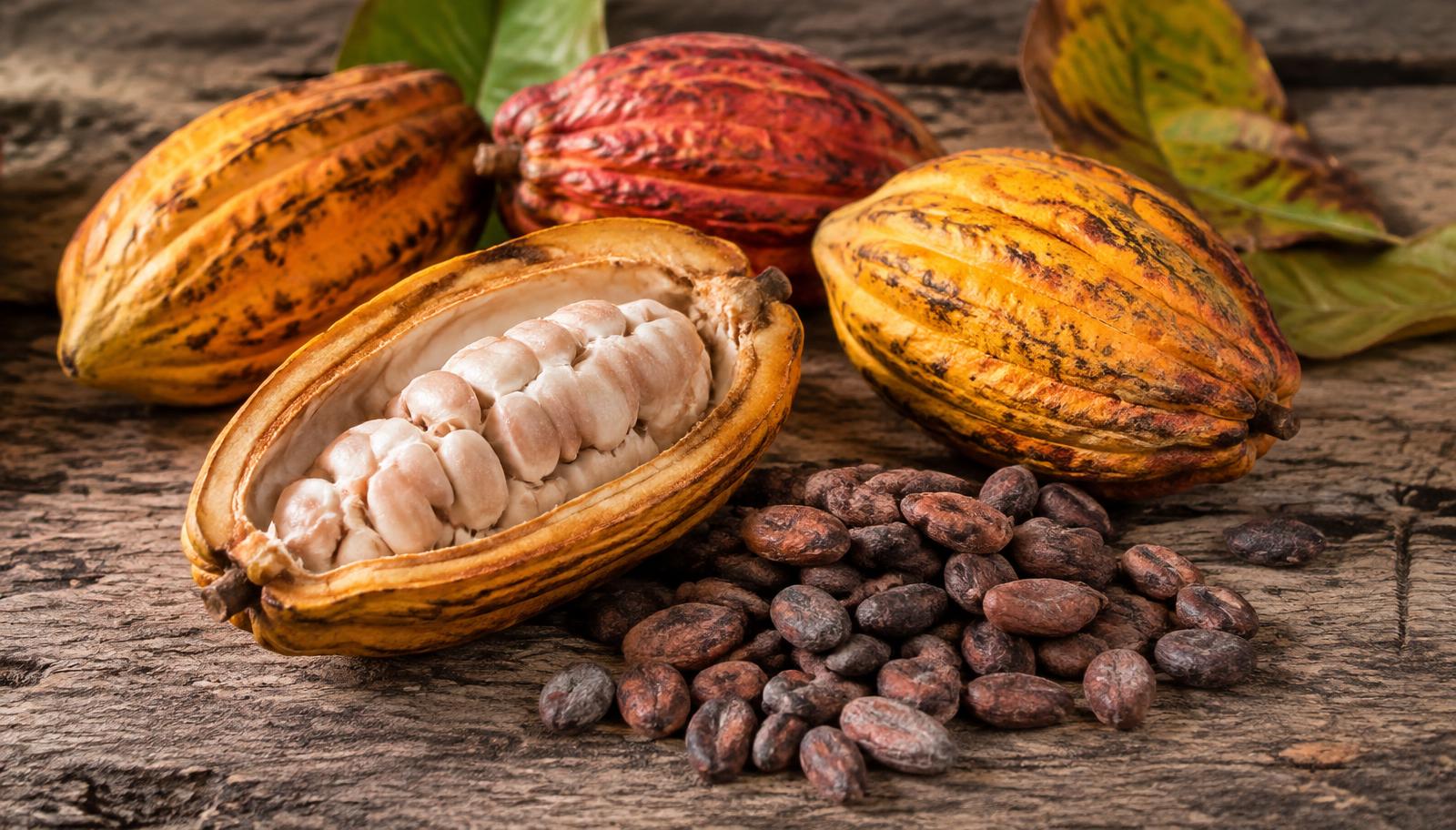
Venezuelan Cacao: A Journey Through Origin, Craft and Flavour
Explore Venezuelan cacao through Chuao, Porcelana and Sur del Lago, with practical tasting tips and questions to ask before buying.
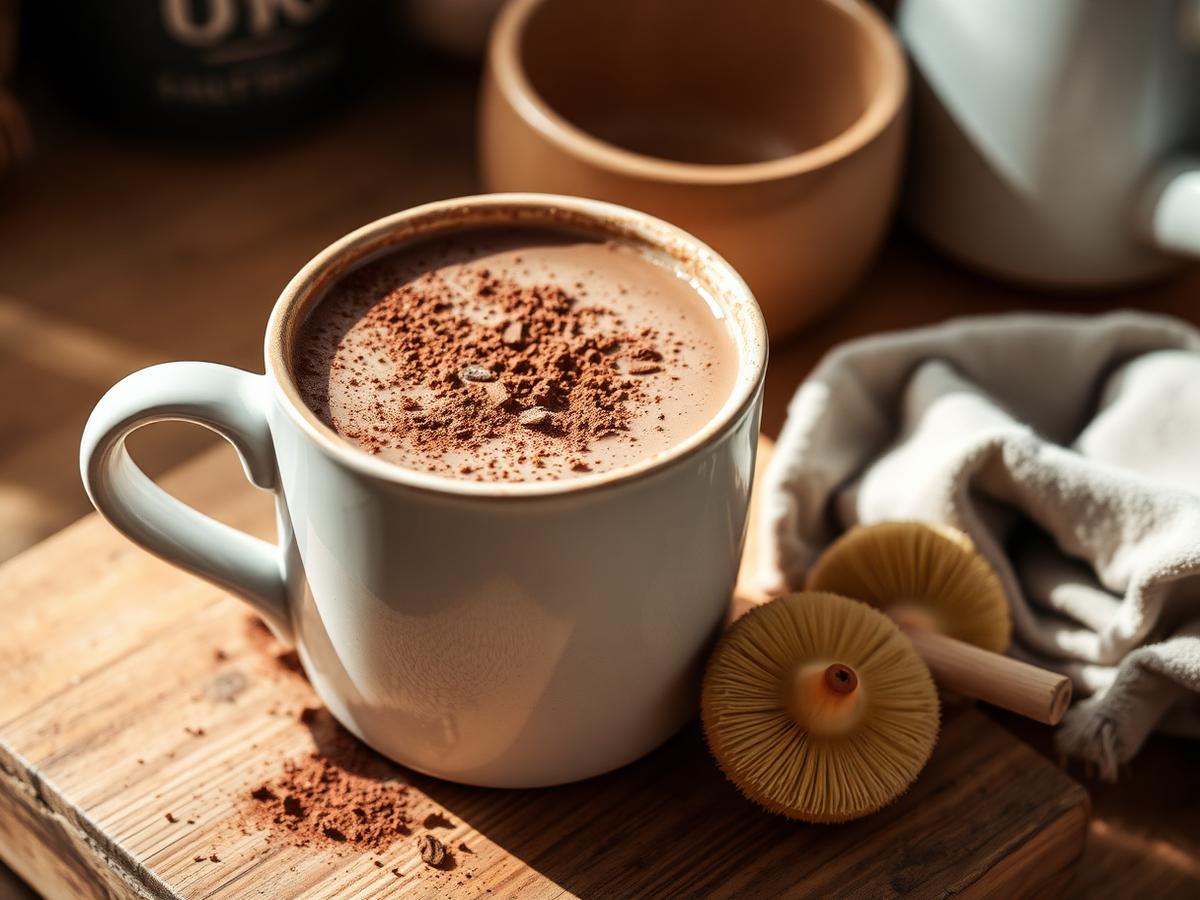
Lion's Mane Hot Chocolate: A Cosy Functional Drink
A warming cocoa with lion's mane powder, cinnamon and very little sweetness. What the research is actually looking at, and how to make it taste good.
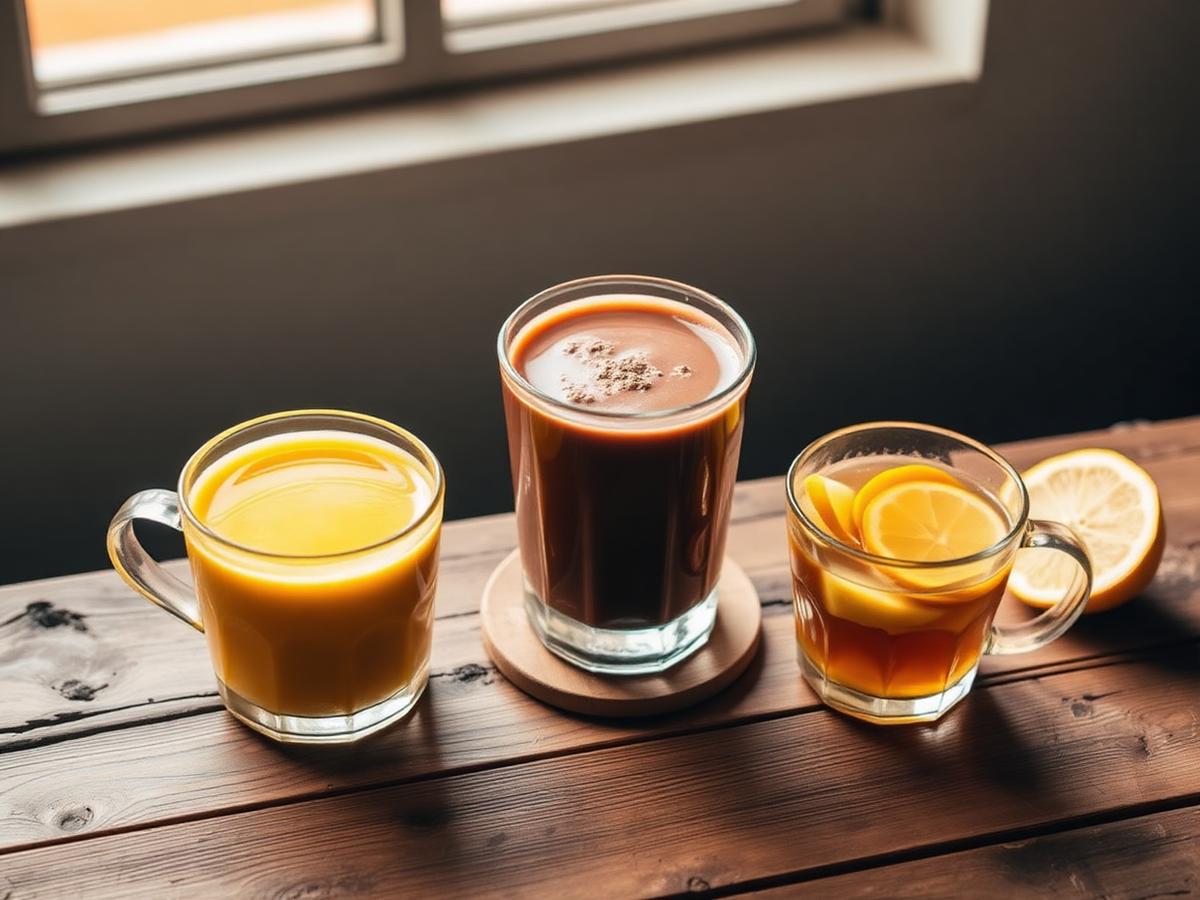
Three Warming Drinks for a Cold Evening
Golden ginger milk, cocoa maca and a ginger lemon infusion. Three simple winter rituals that need no health claims to be worth making.