The Science of Natural Umami — Why Kombu & Shiitake Are So Powerful Together
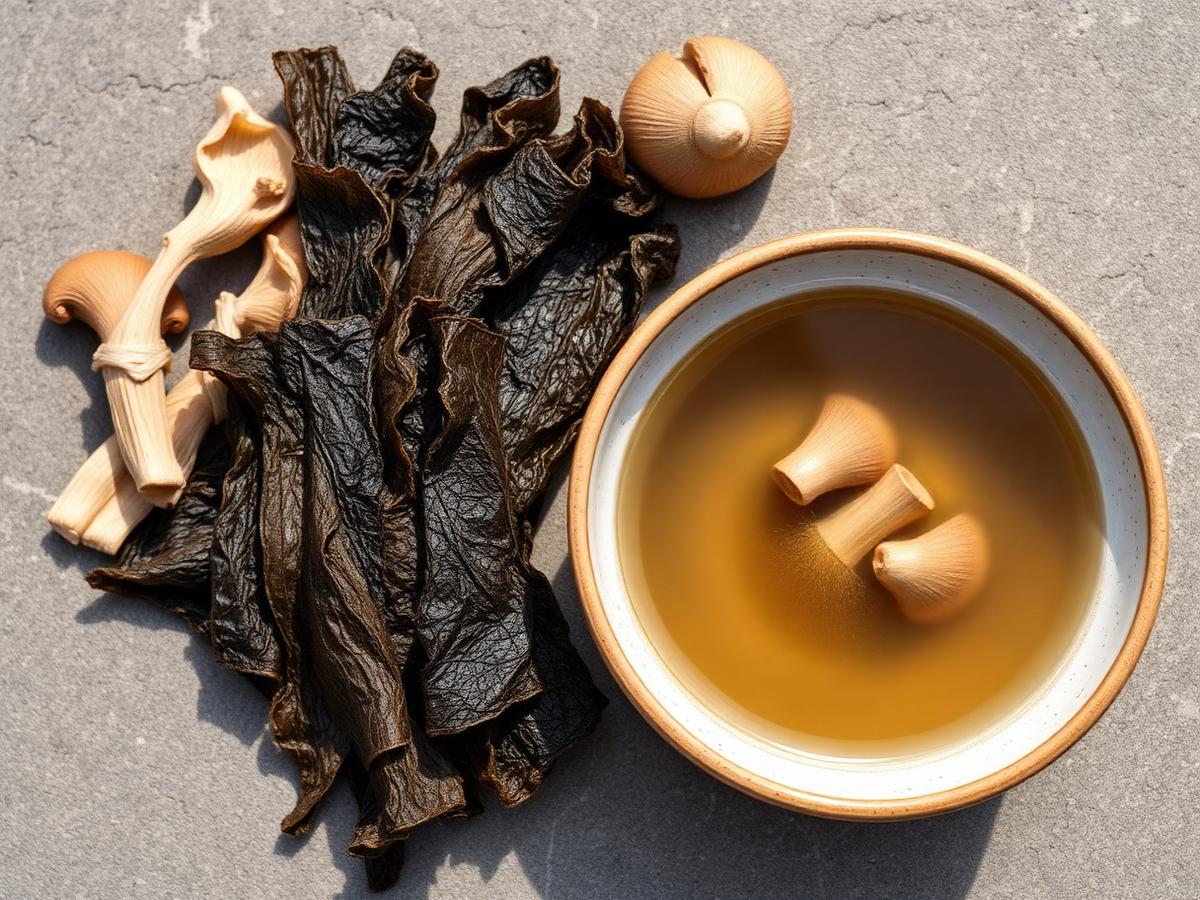
Glutamate, guanylate and the synergy effect: why two quiet ingredients together taste far more savoury than either one alone.
Umami is the savoury, mouth-filling taste identified by Kikunae Ikeda in 1908 while he was working out what made kombu broth so satisfying. What he isolated was glutamate — an amino acid that, in its free form, our tongues detect directly.
Free glutamate is what matters. Bound up in protein chains it tastes of nothing; released by drying, ageing, ripening or fermentation, it reads as savoury. This is why dried, aged and fermented foods — kombu, parmesan, soy sauce, tomato paste, miso — taste so much deeper than their fresh equivalents.
Kombu is the plant kingdom's champion here, carrying a very high concentration of free glutamate in an otherwise mild, clean-tasting form. Infused gently in water it gives a broth that seems almost empty on its own: faintly sweet, marine, and quietly persistent.
Dried shiitake bring something different. As the mushroom dries and is then rehydrated, enzyme activity releases guanosine monophosphate — GMP, or guanylate — a nucleotide with its own savoury signature. Fresh shiitake contain very little free GMP; drying and soaking are what make it available.
The interesting part is what happens when the two meet. Glutamate and nucleotides act on the same umami receptor, and the nucleotide makes that receptor considerably more responsive to glutamate.
Taste panels and receptor studies consistently find the combination far more savoury than either component alone. The often-quoted figure of a roughly eight-fold increase comes from specific laboratory conditions, so treat it as an illustration of the effect rather than a number to expect in your soup.
This is umami synergy, and it is why so many culinary traditions independently arrived at paired savoury bases.
Japanese cuisine formalised it. Classic awase dashi combines kombu, which supplies glutamate, with katsuobushi — dried, smoked and fermented skipjack tuna — which supplies inosinate, IMP. The kombu and dried shiitake pairing is the plant-based version associated with shojin ryori, Buddhist temple cooking, and it works on exactly the same principle with guanylate in place of inosinate.
In practice: soak 10 g kombu and 3-4 dried shiitake in a litre of cold water overnight in the fridge, then strain. Heat it if you like, but never boil the kombu — much above 60-70°C it starts to release bitterness and a slippery texture.
Use that base everywhere. It transforms miso soup and clear soups; it makes a braising liquid for beans that gives them savoury weight without meat; it cooks grains into something you actually notice; it deglazes a pan into a sauce with two minutes of reduction. A spoonful of the strained shiitake liquid stirred into a ferment-heavy dressing does the same job.
Once you understand the mechanism, you can improvise: tomato paste plus dried mushroom, parmesan rind plus tomato, miso plus mushroom. All the same trick.
Key takeaways
- Free glutamate is created by drying, ageing and fermentation.
- Glutamate plus a nucleotide (GMP or IMP) is perceived as far more savoury than either alone.
- Never boil kombu — a cold overnight soak gives the cleanest broth.
Enjoyed this?
Get the next one straight to your inbox.
Keep reading
Related articles
Explore more natural food, fermentation and wellness ideas from Ika’s Realm.
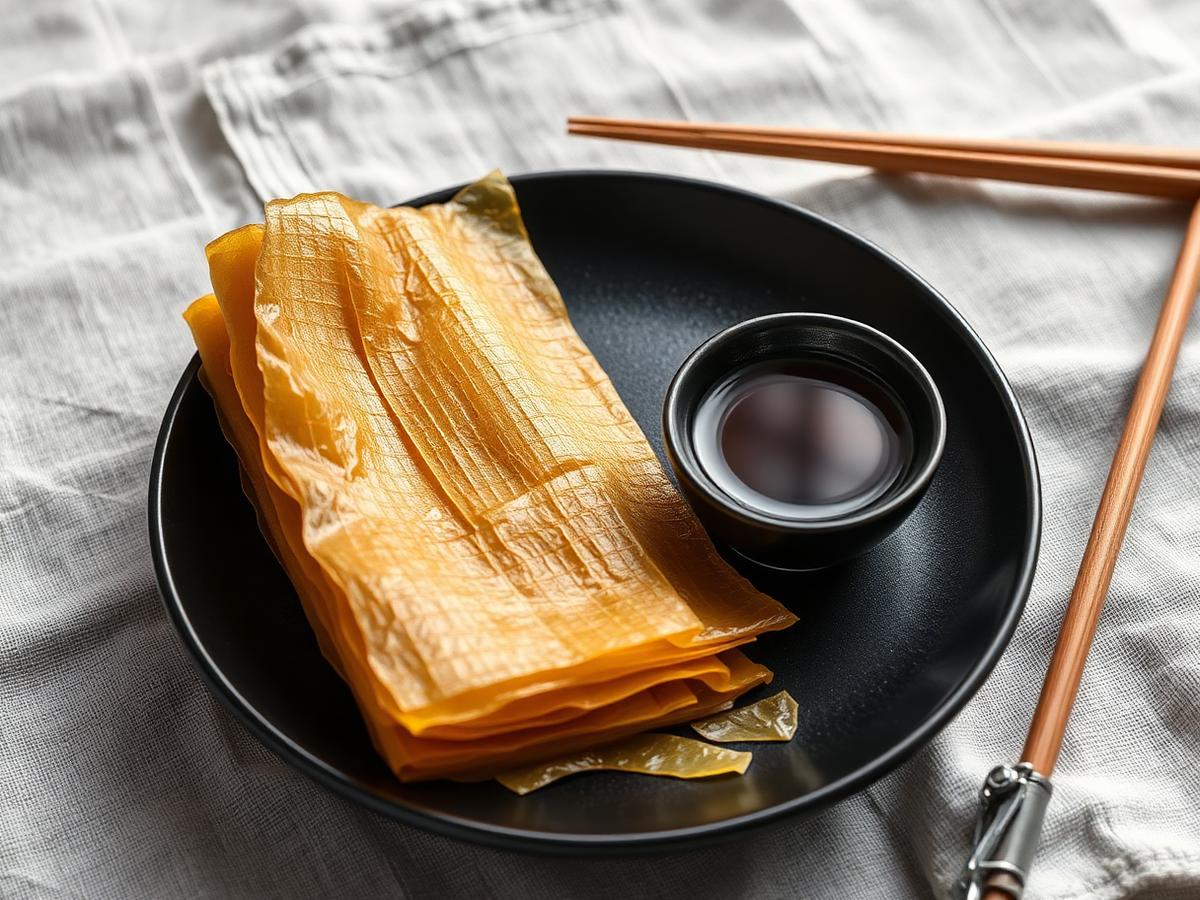
Kombu: More Than Seaweed — Umami, Minerals & the Art of Japanese Broth
A beginner's guide to the sea kelp behind dashi: what it is, how to use it, how to store it, and why more is not better.
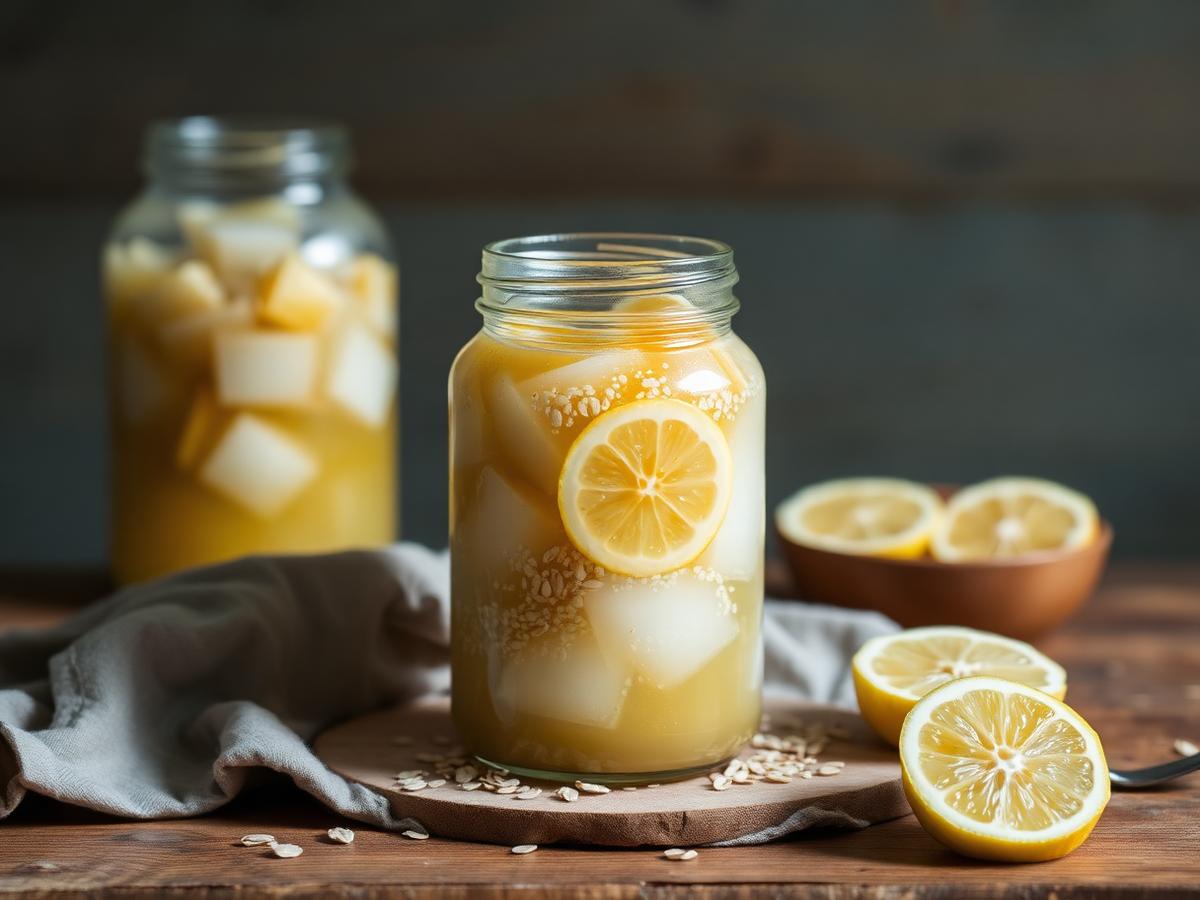
Oat Kvass — A Forgotten Fermented Drink Worth Rediscovering
Gently sour, faintly sweet and lightly fizzy: how to make a kvass-style oat ferment at home, and how to tell a good one from a bad one.
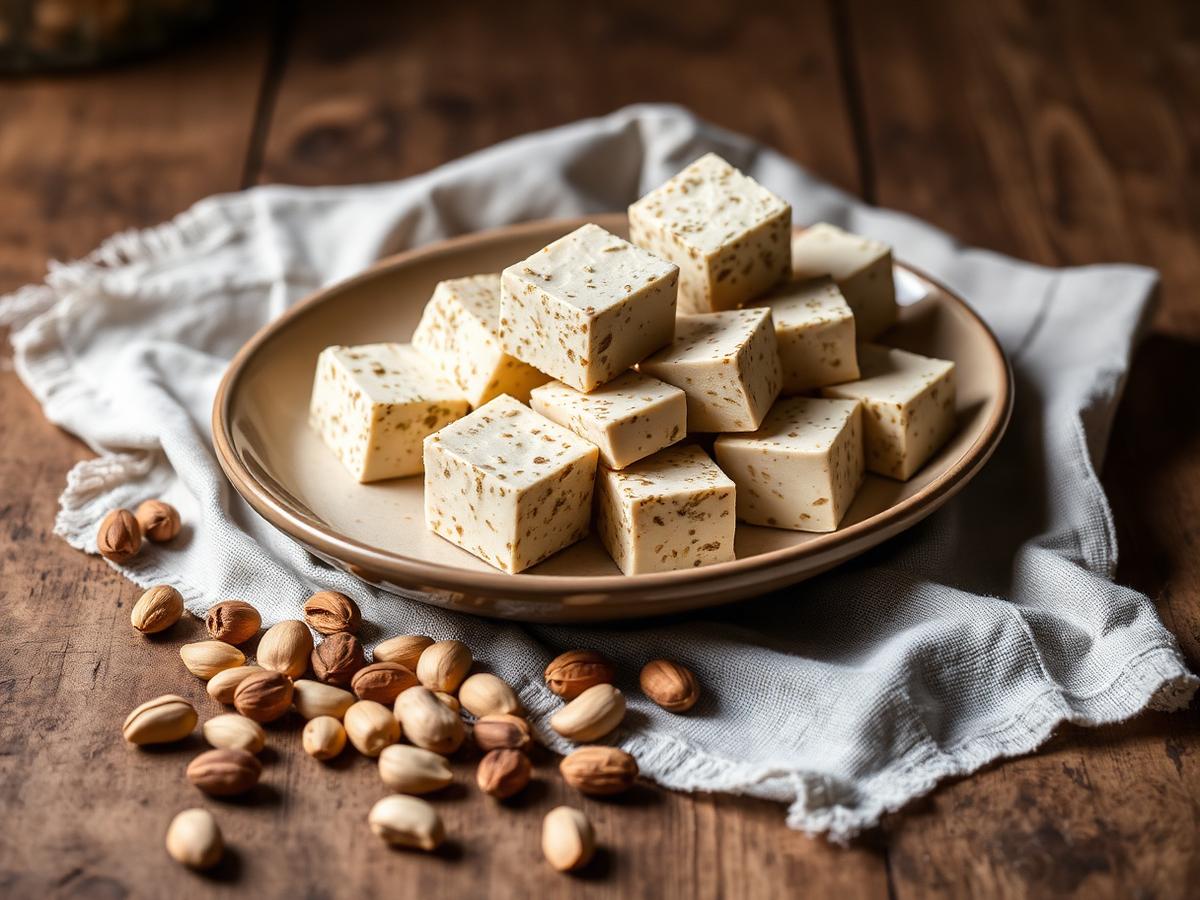
Pistachio & Cashew Nut Tofu — The Next Generation of Plant-Based Foods
An experimental, soya-free block inspired by tofu-making: pistachios and cashews soaked, blended and set into something entirely its own. Contains nuts.