Living Medicines Engineering — When Cells Become Therapies
Living medicines use engineered cells, bacteria and other biological systems to sense, respond and deliver treatment. The promise is extraordinary — and so are the engineering challenges.
Archive
Search by realm, category or article type. Every post is organised so you can follow a thread or stumble across something unexpected.

Living medicines use engineered cells, bacteria and other biological systems to sense, respond and deliver treatment. The promise is extraordinary — and so are the engineering challenges.

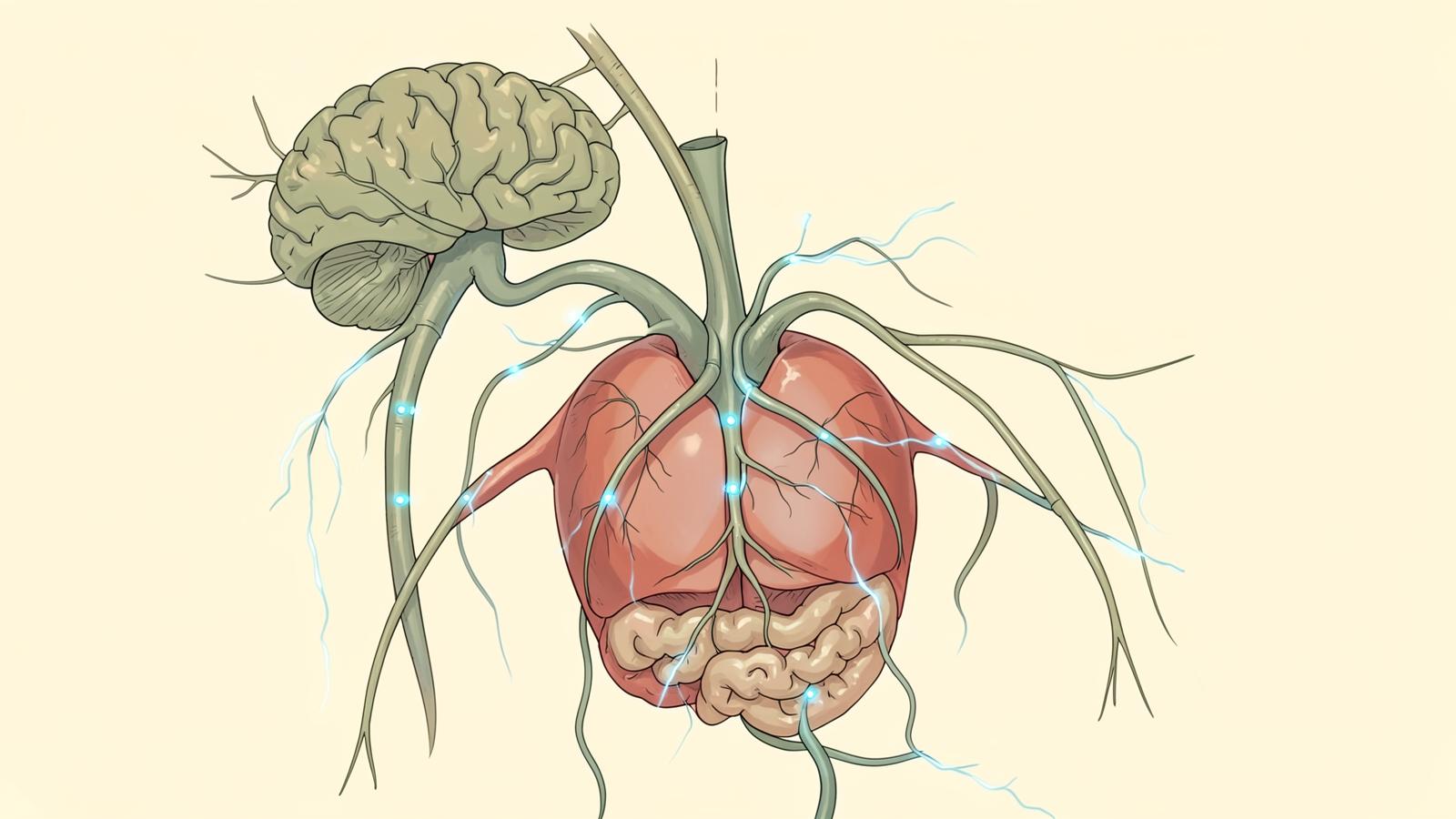
Bioelectronic medicine treats nerves as communication pathways that can sometimes be modulated electrically. Vagus nerve stimulation is one window into a fast-growing field.

A hand on the shoulder, the pressure of the floor under your feet, warmth on the skin — touch is not merely sensation. It is continuous information the nervous system uses to map the body and the world.

Hormones are chemical messages carried through blood, but the message only matters when a cell can receive and interpret it. Endocrine biology is less like a list of chemicals and more like a network of timing, receptors and feedback.

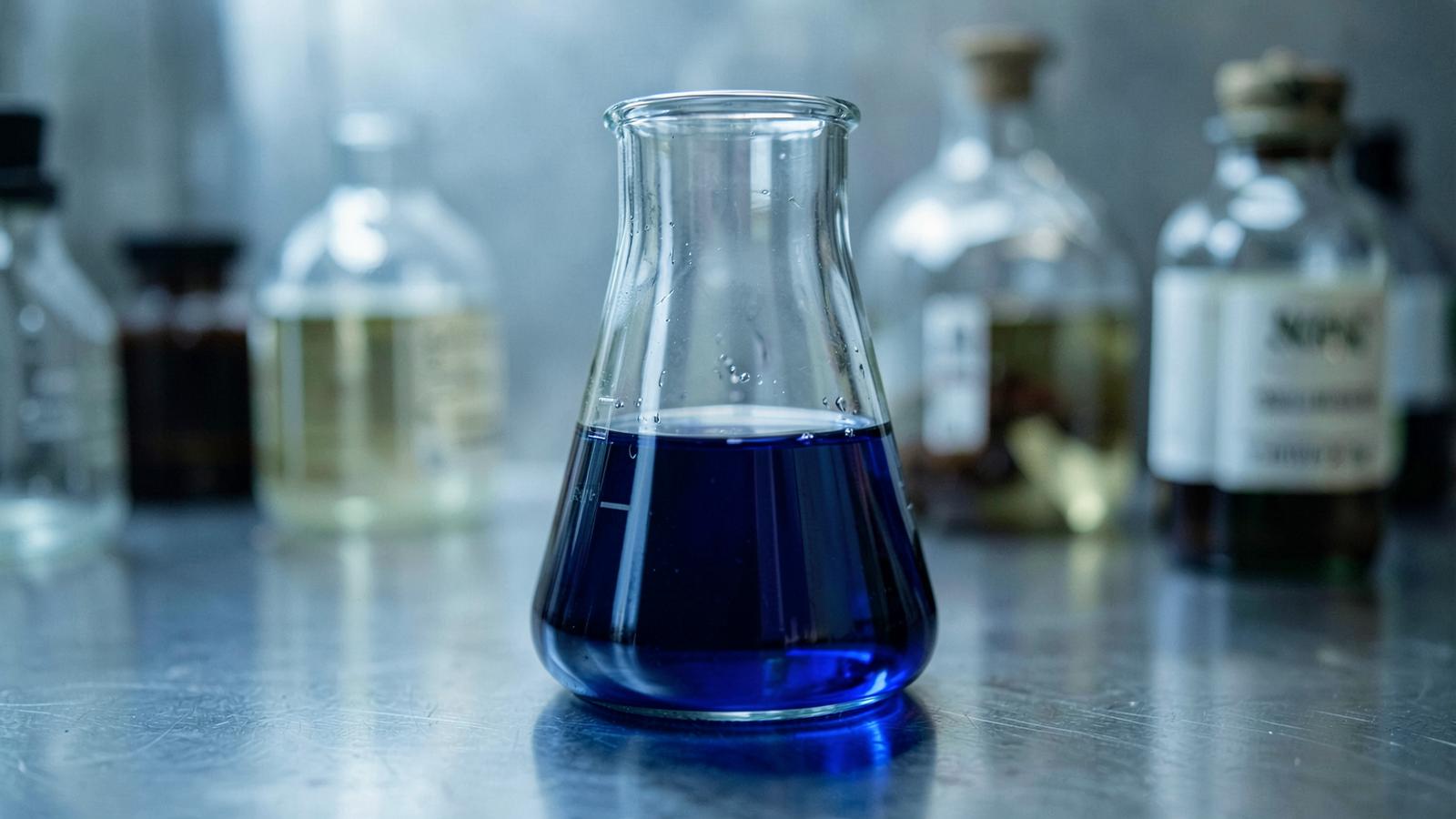
Methylene blue is not a new "biohacking dye." It is a pharmacologically active compound with established medical uses, a long scientific history and potentially serious interactions. That makes it interesting — and exactly the wrong substance to treat casually.

A thought can change a heartbeat. A stressful week can change sleep and appetite. A slow exhale can change autonomic activity. Psychobiology studies the loops linking experience, brain, hormones, immunity and metabolism.