Dandelion Beyond Tea — Food, Tradition and the Science Behind a Familiar Wild Plant
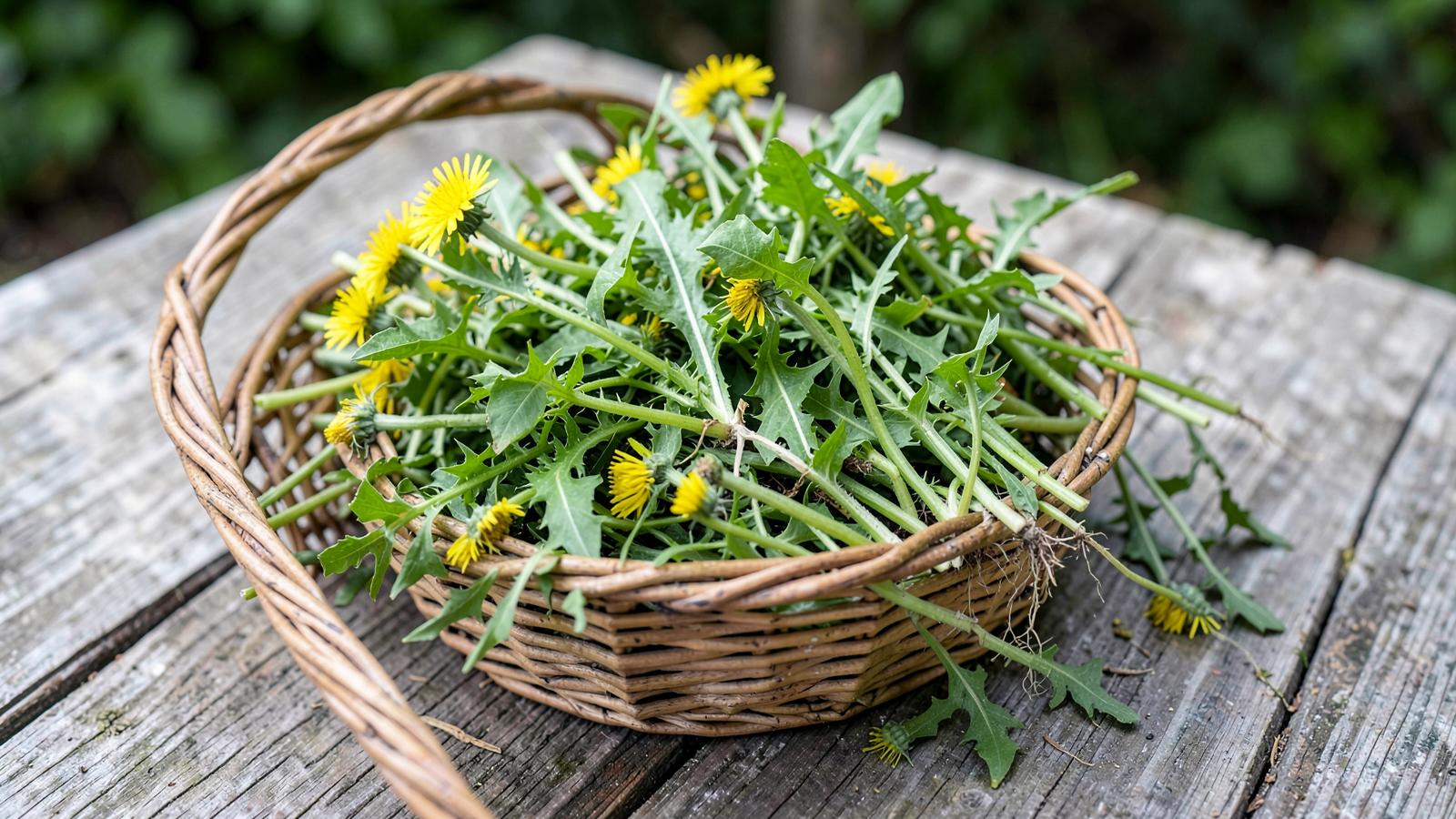
Dandelion is leaf, flower, root, food, bitter flavour and traditional herb. Explore what is edible, what is studied, and where the evidence remains limited.
Dandelion is so familiar that it becomes invisible. We mow over it, pull it from lawns and then buy dried dandelion root in expensive packets. Yet the plant has long been used as food as well as medicine: young leaves in salads, flowers in syrups and wines, roots roasted or infused, and the whole plant woven into folk traditions across Europe, Asia and the Americas. Modern phytochemistry finds a complicated plant full of phenolic acids, flavonoids and terpenes. Human clinical evidence, however, is far thinner than internet enthusiasm suggests.
One plant, several foods
Young dandelion leaves can be eaten as a bitter green when correctly identified and harvested from uncontaminated ground. Older leaves become more intensely bitter. Flowers have been used in syrups, jellies and fermented drinks. Roots can be roasted for a dark, coffee-like infusion. These are culinary uses, and that distinction matters: eating a traditional food portion is different from taking concentrated extracts or large medicinal doses.
Why bitter plants are interesting
Bitterness is not a nutrient, but it is part of the sensory chemistry of plants. Dandelion contains sesquiterpene lactones and other bitter constituents, which contribute to its flavour and probably to some of its traditional digestive reputation. Modern science is interested in bitter taste receptors beyond the tongue, but that does not mean every bitter plant automatically 'detoxes' the liver or treats digestive disease. The word detox is especially easy to overuse.
What the evidence actually says
The US National Center for Complementary and Integrative Health states that there is not compelling clinical evidence that dandelion treats any health condition. Laboratory studies do report antioxidant, anti-inflammatory and antimicrobial activities from extracts, but test-tube activity is not the same as a proven effect in humans. A responsible article can celebrate the plant without promising more than the evidence supports.
Infused oil is not the same as an internal remedy
Dandelion flowers can be infused into oil for cosmetic or traditional topical preparations. The process extracts oil-soluble compounds and creates a pleasant botanical ingredient, but claims such as 'repairs skin from within' or 'treats inflammation' go beyond what a homemade infusion can demonstrate. If used on skin, patch testing is sensible, especially for people with allergies to members of the daisy family.
Foraging starts with the site, not the recipe
Avoid plants from roadsides, sprayed lawns, dog-walking areas or contaminated land. Harvest only where you have permission and where identification is certain. Dandelion has characteristic toothed leaves in a basal rosette, hollow flower stems and a milky latex, but beginners should still use a reliable field guide. For wild foods, knowing where the plant grew can be as important as knowing its name.
The value of an ordinary plant
Dandelion does not need to be a miracle cure to be remarkable. It is a resilient perennial, an early nectar source, a bitter edible green and a plant with a deep history of household use. Perhaps the most useful modern lesson is not to turn every plant into a supplement. Sometimes old wisdom is simply recognising food and season where we had learned to see only weeds.
Key takeaways
- Leaves, roots and flowers are three different foods with three different flavours.
- Bitterness is part of the point; it shapes how the plant is cooked and used.
- Where you pick matters more than the recipe — avoid roadsides and sprayed ground.
Enjoyed this?
Get the next one straight to your inbox.
Keep reading
Related articles
Explore more natural food, fermentation and wellness ideas from Ika’s Realm.
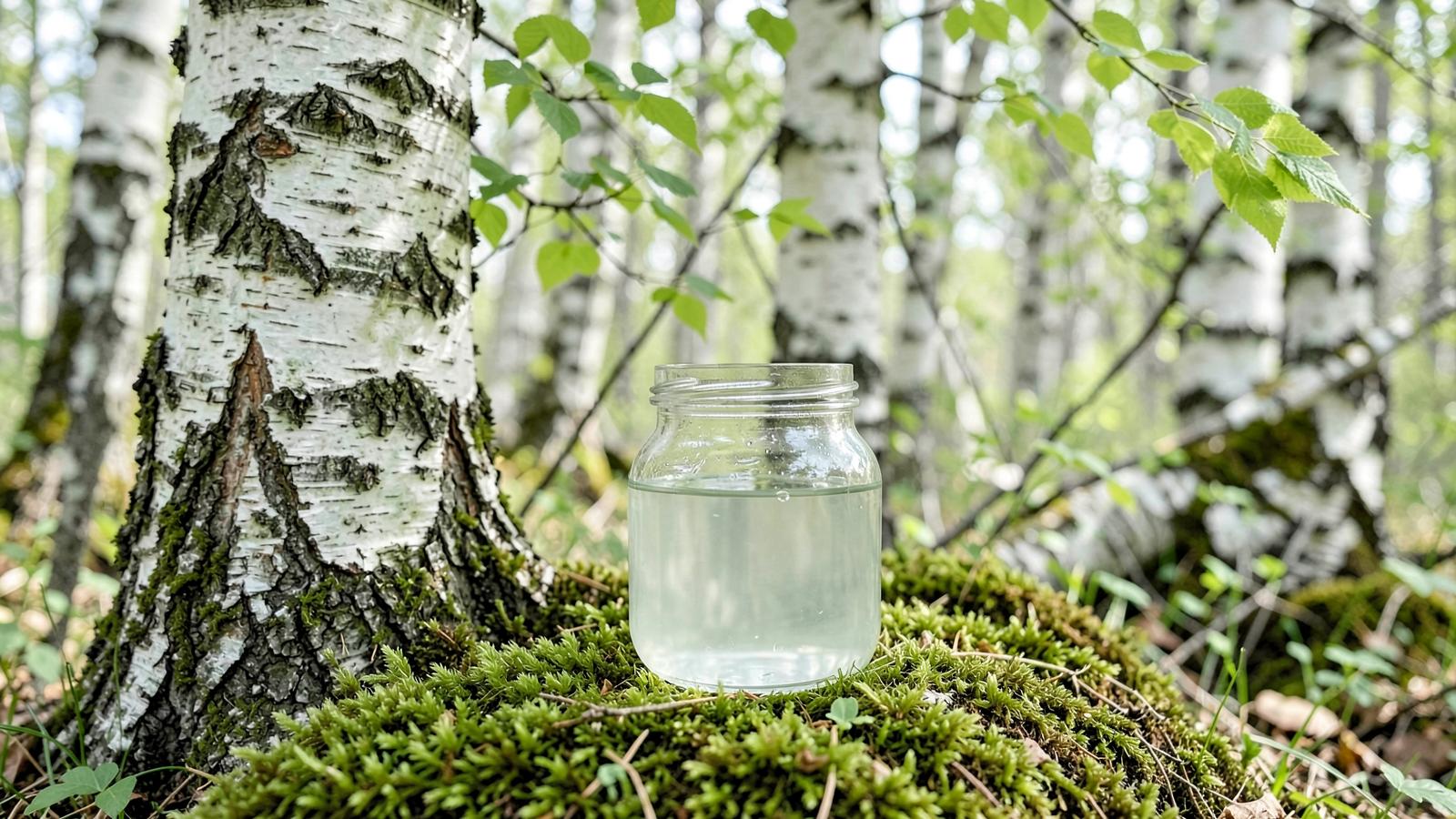
One Birch Tree, Many Gifts — Leaves, Sap, Bark and the Wisdom of Seasonal Use
Birch has been used for food, drink, craft and traditional herbal practice. Explore sap, leaves, bark, betulin and respectful seasonal harvesting.
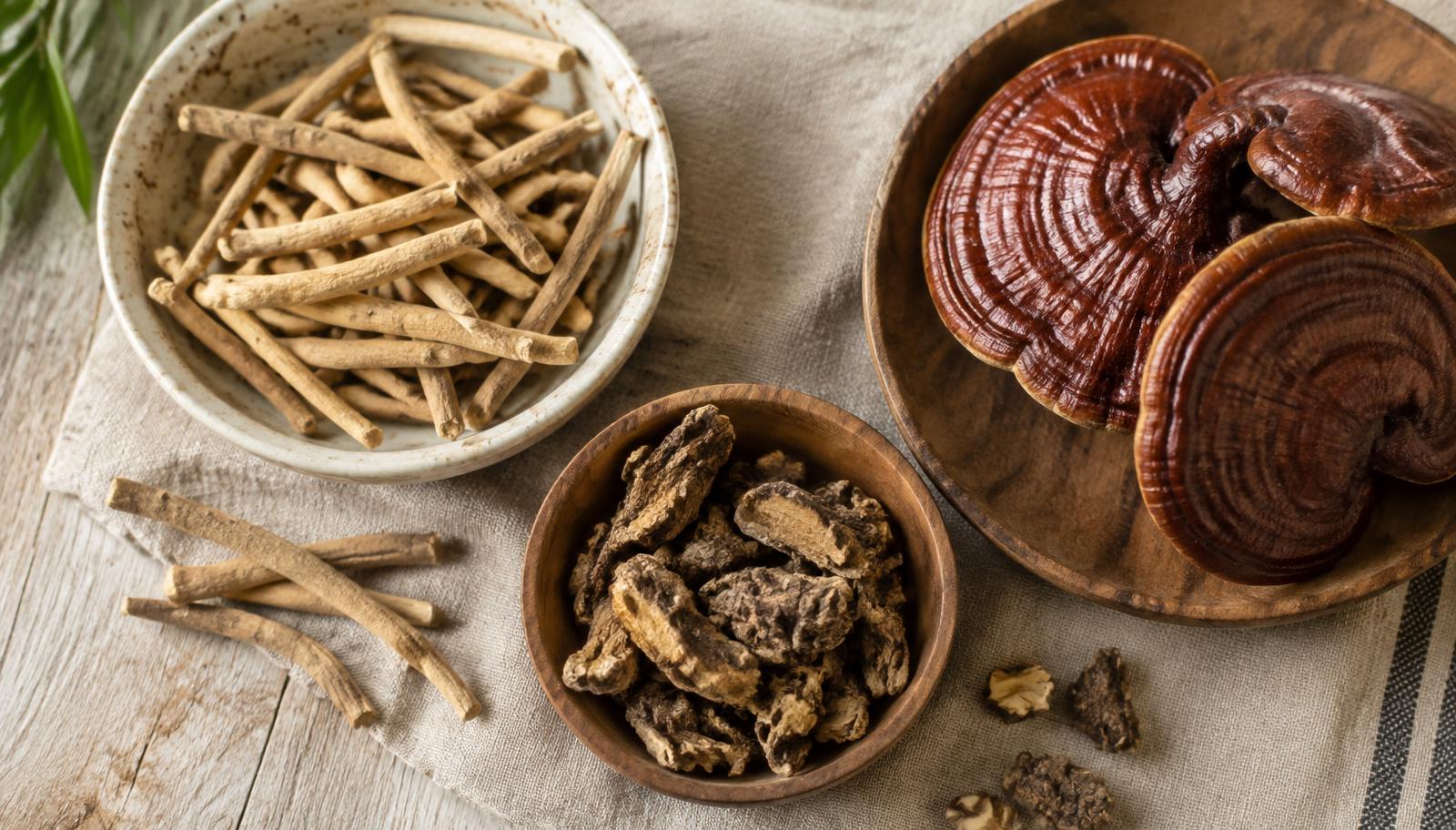
Adaptogens: An Honest Guide to What We Do and Don't Know
Ashwagandha, rhodiola, reishi — separating the tradition, the evidence and the marketing.
Nature Did It First — The Original Engineer
Storage, networks, filters, feedback, insulation, pumps, sensors and self-repair did not begin in factories. Living systems have been solving physical problems for billions of years.