Bioelectric Medicine — When Nerves Become a Therapeutic Interface
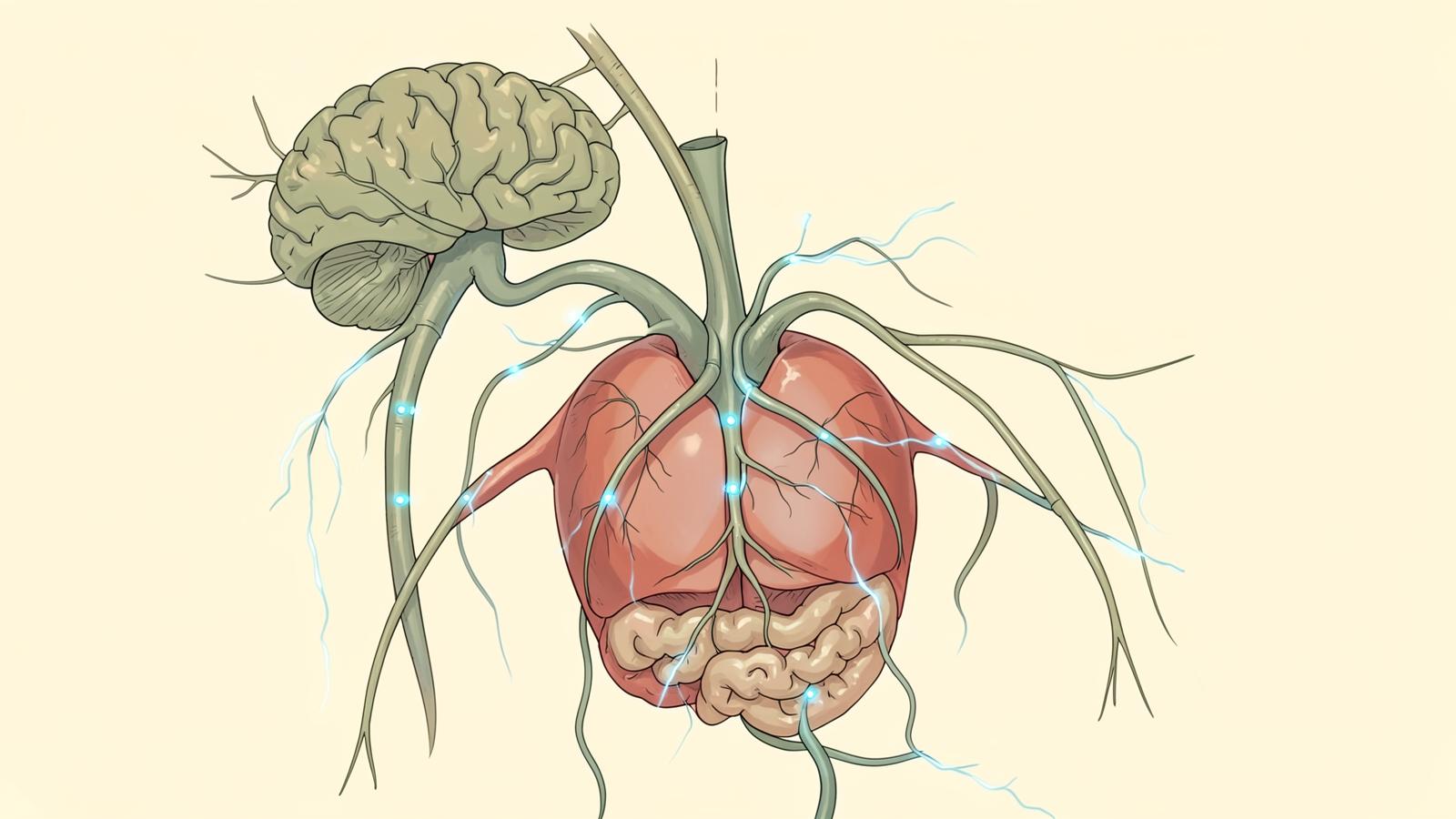
Bioelectronic medicine treats nerves as communication pathways that can sometimes be modulated electrically. Vagus nerve stimulation is one window into a fast-growing field.
Editorial feature
The living world has been solving problems for billions of years. This section explores the patterns, materials and systems that inspired human design — and the old knowledge that saw them first.
Published features

Bioelectronic medicine treats nerves as communication pathways that can sometimes be modulated electrically. Vagus nerve stimulation is one window into a fast-growing field.

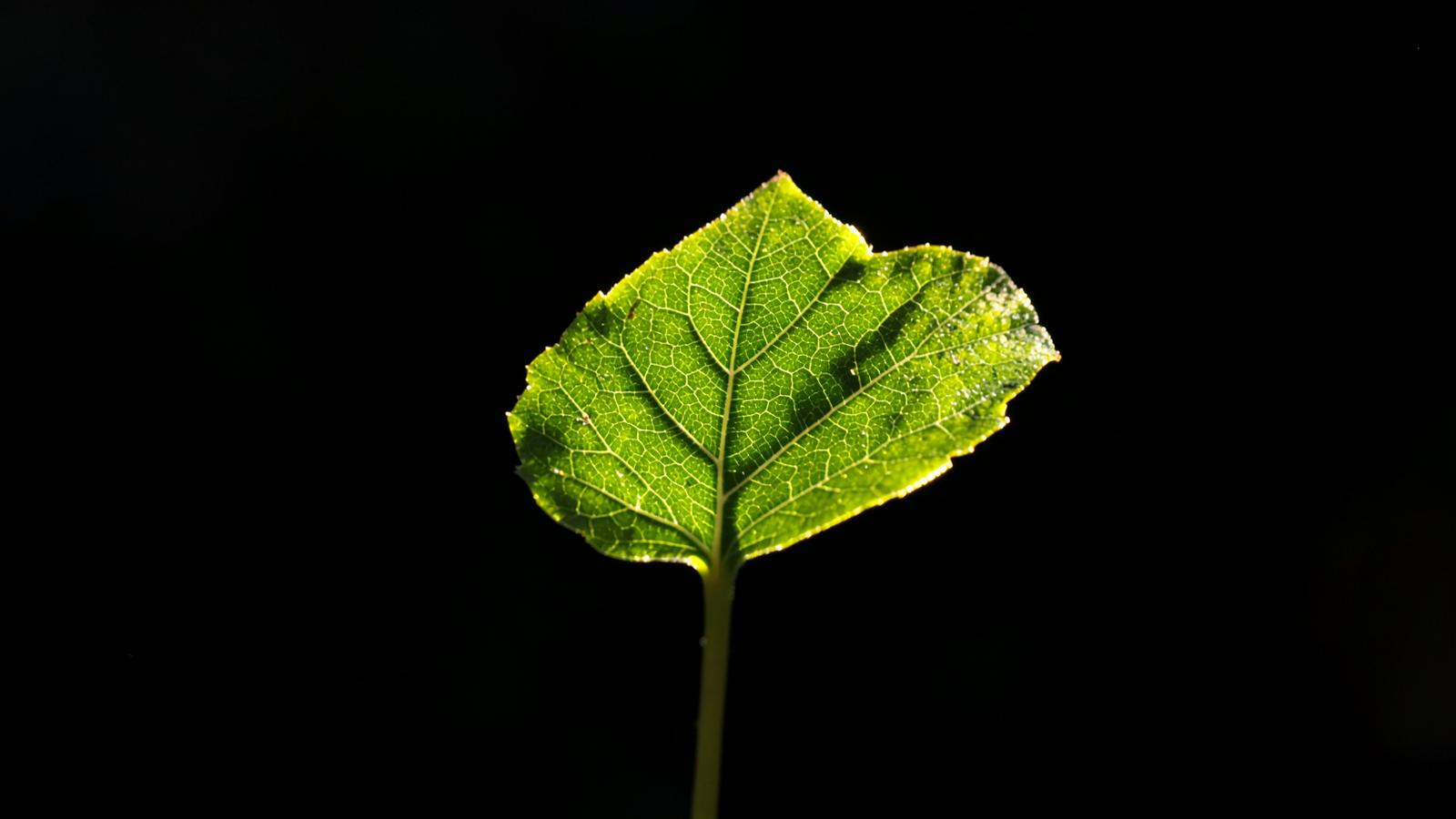
A leaf and a photovoltaic panel both harvest sunlight, but they solve the problem in radically different ways. One makes electrical current; the other builds chemistry, structure and life.

Storage, networks, filters, feedback, insulation, pumps, sensors and self-repair did not begin in factories. Living systems have been solving physical problems for billions of years.

A ferment is a tiny ecosystem shaped by salt, temperature, oxygen, acidity and time. Learn how microbes compete, cooperate and transform food.

Bee pollen is genuinely nutrient-dense and genuinely variable. A calm look at what it contains, what it cannot replace, and who should be careful.

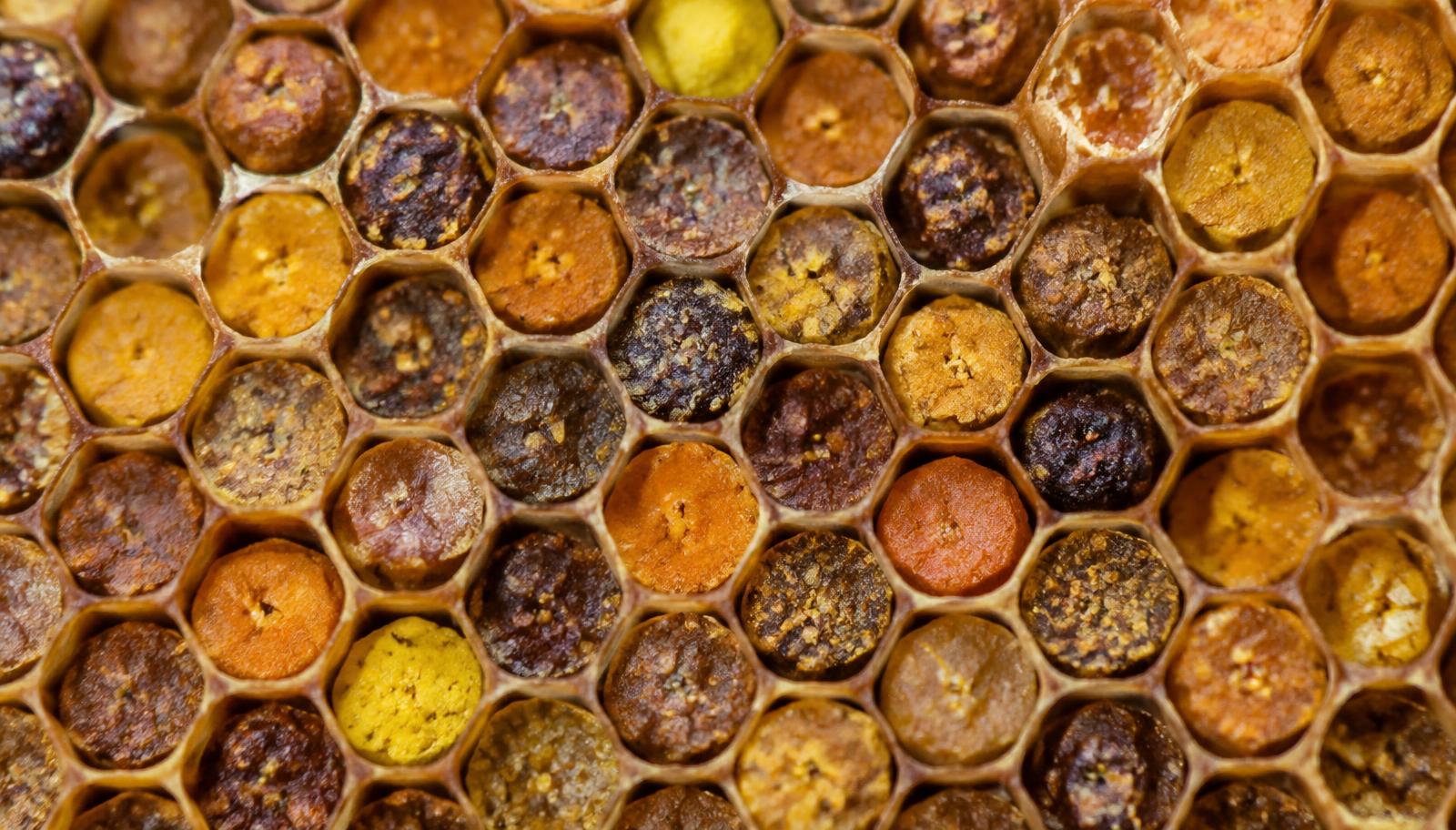
Perga is pollen stored in honeycomb and transformed by microbial and enzymatic activity. Fermentation, it turns out, was never a human invention.

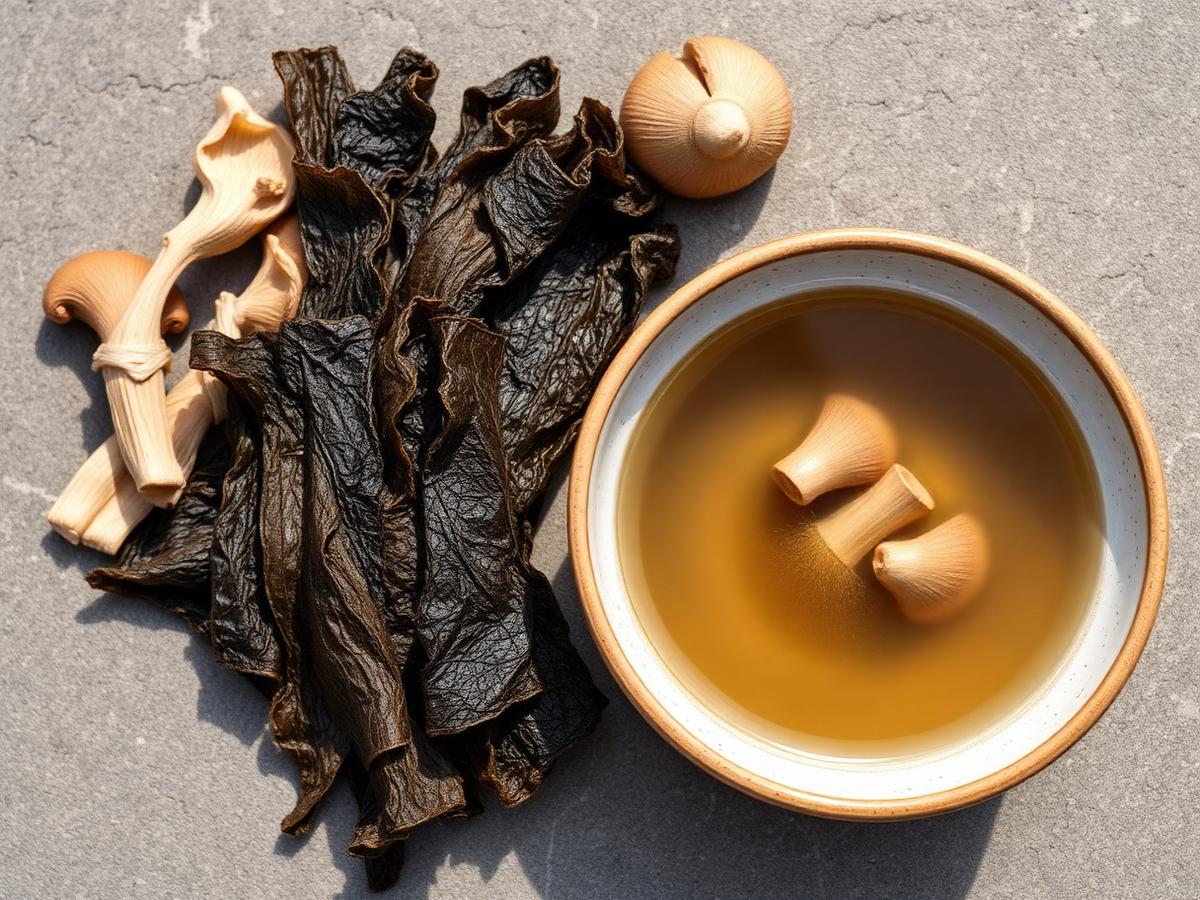
Glutamate, guanylate and the synergy effect: why two quiet ingredients together taste far more savoury than either one alone.

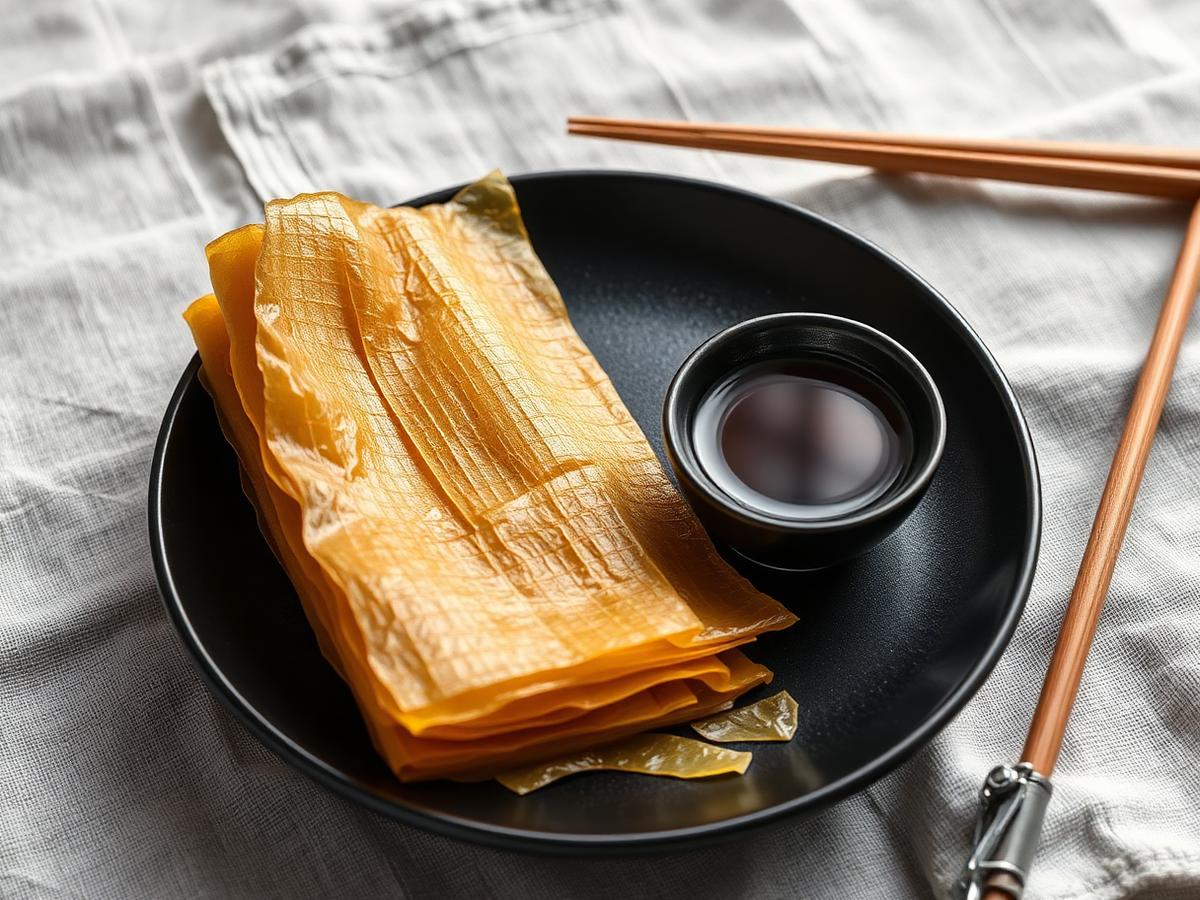
A beginner's guide to the sea kelp behind dashi: what it is, how to use it, how to store it, and why more is not better.
Coming soon
New Nature Did It First features will be added as the library grows. Here is a preview of what is in the pipeline.
How a leaf keeps itself clean without soap — and what that taught materials scientists about water-repellent surfaces.
Fungi already grow strong, light, biodegradable structures. Now engineers are using them to replace foam, leather and concrete forms.
African termite mounds stay cool in blistering heat. Their ventilation geometry is now informing passive building design.
A material spun at room temperature, finer than hair, tougher than steel on a weight-for-weight basis.
In the meantime, the Living Library has dozens of articles on food, body, home and the living systems behind them.
Browse the library