Natto, Tempeh and Lacto-Fermented Soybeans: Three Fermentations Explained
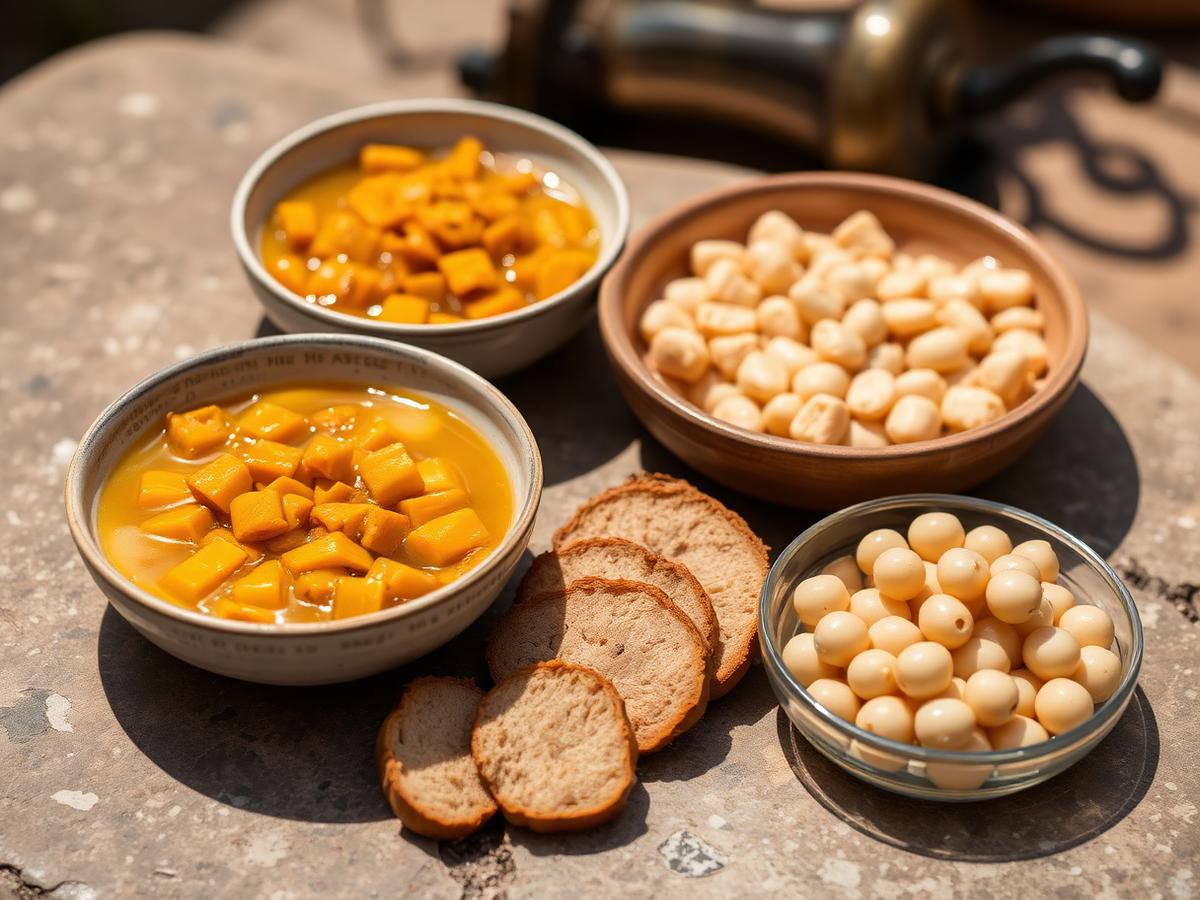
The same bean, three microorganisms, three completely different foods. A clear guide to how natto, tempeh and brined soybeans diverge.
Few ingredients demonstrate the power of fermentation as clearly as the soybean. Cook a pot of them, divide it in three, and introduce a different microorganism to each portion.
What you get back are three foods that share almost nothing in flavour, texture or culinary role. The bean is the constant; the microbe writes the recipe.
Natto: the work of Bacillus subtilis
Traditional Japanese natto is made by inoculating cooked soybeans with Bacillus subtilis var. natto and holding them warm, around 40C, for roughly a day.
The bacteria produce long chains of polyglutamic acid, which is why natto develops its famous sticky, stringy threads. The aroma is assertive and ammoniacal, and opinions on it are rarely lukewarm.
In Japan it is typically eaten at breakfast with rice, mustard, spring onion and a splash of soy sauce. Natto is also unusually rich in vitamin K2 (menaquinone-7), a genuine point of nutritional interest and, for some people, a medical consideration.
Tempeh: the work of Rhizopus mould
Tempeh comes from Indonesia and uses moulds of the Rhizopus genus. Cooked, dehulled and acidified beans are inoculated and incubated at around 30C for a day or two.
The mould grows a dense white mycelium that binds the loose beans into a firm, sliceable cake. The flavour is nutty and mushroom-like rather than pungent, and the texture holds up to frying, grilling, braising and marinating.
Because the beans stay whole inside the cake, tempeh keeps far more fibre than tofu does, and it behaves much more like a piece of meat in the pan.
Lacto-fermented soybeans: the work of lactic-acid bacteria
The third route submerges cooked soybeans in a salt brine and lets lactic-acid bacteria acidify them, in much the same way sauerkraut or brined cucumbers are made.
The result is neither sticky nor mould-bound. It is clean, sour and salty, closer in character to a pickle, and it works well chopped into salads, grain bowls and dressings.
This is the most improvisational of the three and the one where salt concentration and temperature matter most, because the brine is what keeps unwanted microbes out.
How fermentation changes the bean
All three processes break down some of the soybean's larger molecules. Proteins are partly hydrolysed into peptides and free amino acids, which is a major reason fermented soy tastes savoury.
Fermentation can also reduce certain antinutritional compounds, such as phytates and some oligosaccharides, and research suggests this may improve mineral availability and digestive comfort for some people.
The size of these effects depends heavily on the organism, time and temperature, so it is better to think in terms of direction of travel than precise numbers.
Nutritional and traditional context
Soybeans are among the most protein-dense legumes, supplying all the essential amino acids alongside fibre, iron, calcium and isoflavones. Fermentation does not create these; it reorganises them.
Each of these foods evolved in a specific culinary culture: natto in Japan, tempeh in Java, brined beans across several East and Southeast Asian traditions. They were preservation strategies first and delicacies second.
Understanding that context helps in the kitchen. Natto belongs with rice and sharp condiments, tempeh with marinades and heat, brined beans with fresh, bright dishes.
Safety and limitations
Each of these is a controlled fermentation with a specific culture, temperature and hygiene standard. Leaving cooked soybeans out in the hope that something good arrives is not traditional practice and is not safe.
Buy a reputable starter culture, sterilise equipment, follow a tested method and refrigerate the finished food. Discard anything with black or coloured moulds, sliminess in the wrong place, or a genuinely putrid smell.
Soy is one of the most common food allergens and should be avoided by anyone with a diagnosed soy allergy. Natto's high vitamin K2 content can interfere with warfarin and similar anticoagulants, so speak to your clinician before eating it regularly.
Key takeaway
Bacillus gives you strings and pungency, Rhizopus gives you a firm nutty cake, and lactic bacteria give you a clean sour pickle. Same bean, three microbial decisions, three entirely separate foods.
One bean, three paths
- Cooked soybeans
- Bacillus subtilis
- Rhizopus mould
- Lactic brine
Key takeaways
- Bacillus gives natto, Rhizopus gives tempeh, lactic bacteria give brined soybeans.
- Each route changes texture, aroma and digestibility.
- Controlled cultures and hygiene are what make the process safe.
- Natto is high in vitamin K2 — relevant with anticoagulant medication.
Enjoyed this?
Get the next one straight to your inbox.
Keep reading
Related articles
Explore more natural food, fermentation and wellness ideas from Ika’s Realm.
Pistachio & Cashew Nut Tofu — The Next Generation of Plant-Based Foods
An experimental, soya-free block inspired by tofu-making: pistachios and cashews soaked, blended and set into something entirely its own. Contains nuts.
The Science of Natural Umami — Why Kombu & Shiitake Are So Powerful Together
Glutamate, guanylate and the synergy effect: why two quiet ingredients together taste far more savoury than either one alone.

Kombucha vs Apple Cider Vinegar: Two Ferments, Two Very Different Foods
They appear in the same wellness conversations, but kombucha and apple cider vinegar are made differently, taste differently and are not interchangeable.