Urolithin A — Gut Microbes, Mitophagy and Mitochondrial Renewal
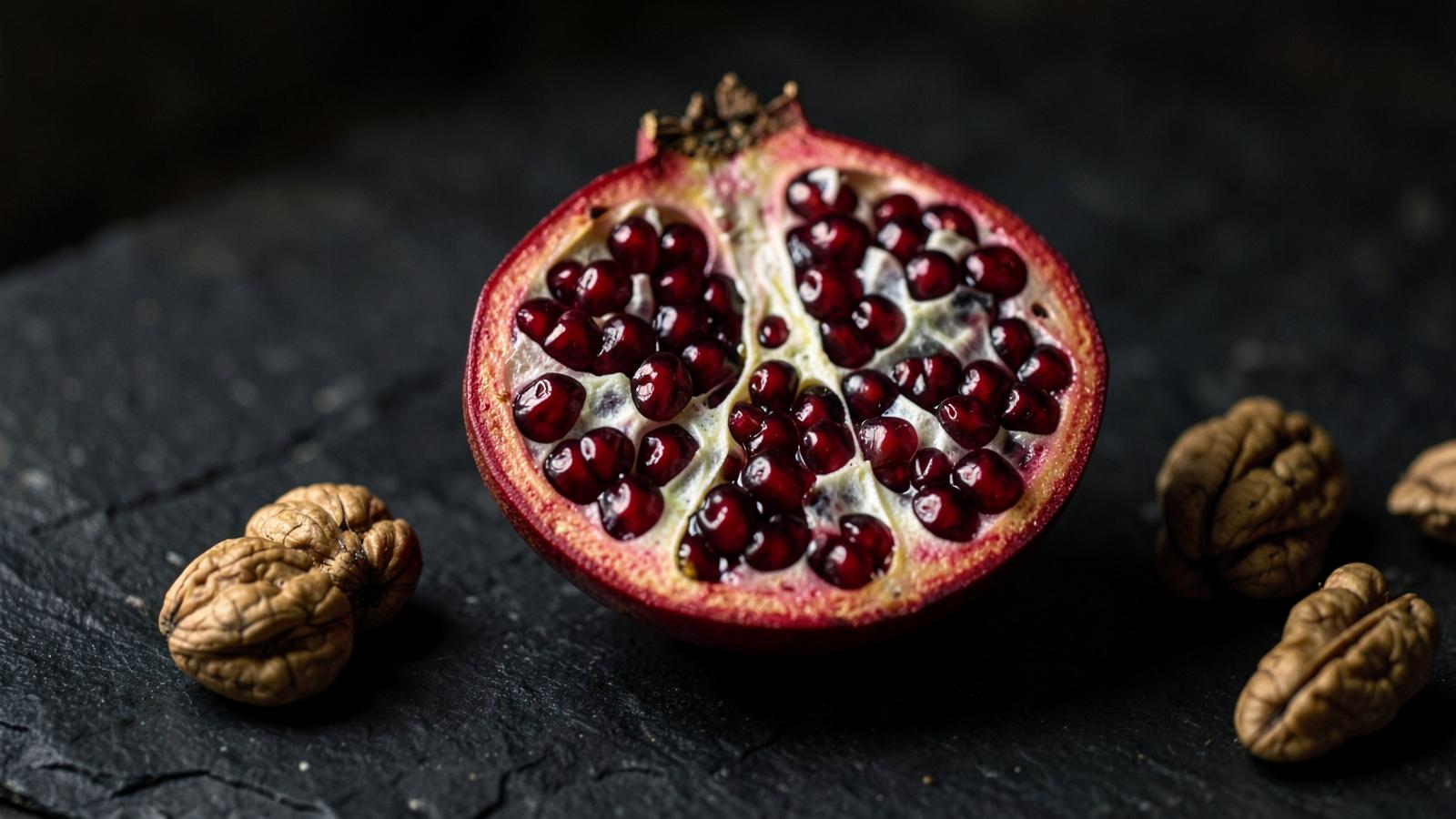
A compound found in pomegranates does not simply "become urolithin A" in everyone. Gut microbes transform ellagitannins into metabolites, and only some people produce meaningful amounts. That makes urolithin A a fascinating story about food, microbes and mitochondrial research.
Urolithin A has become a popular "mitochondrial health" ingredient, but the story begins with food chemistry and the microbiome. Pomegranates, some berries and nuts contain ellagitannins and ellagic acid. After digestion, gut microbes can transform these compounds into urolithins, including urolithin A.
This means a pomegranate does not contain a large ready-made dose of urolithin A. The body-microbiome partnership creates it — and people differ in their ability to produce it. Researchers describe different "urolithin metabotypes" based on which metabolites appear after consuming ellagitannin-rich foods.
Why scientists became interested in mitochondria
Preclinical research suggested that urolithin A can influence mitophagy and mitochondrial function. That was compelling because age-related decline in mitochondrial quality is one proposed contributor to reduced muscle performance and resilience.
But a mechanistic effect in worms, rodents or cultured cells does not automatically become a clinically important effect in humans. The next step is randomized trials measuring outcomes such as muscle endurance, strength, walking performance and molecular markers.
What human trials have found so far
Human studies have generally reported that urolithin A supplementation is tolerated over the studied periods and can alter some mitochondrial or muscle-related biomarkers. Individual trials have reported signals of improved muscle endurance or selected performance outcomes in some groups.
However, the evidence base remains small. A 2026 systematic review and meta-analysis identified only five randomized controlled trials with 236 participants. For the six-minute walk test, pooled results were directionally favourable but not statistically conclusive, and the certainty of evidence was rated low. Other outcomes were too heterogeneous for robust pooling.
Biomarkers are not the same as feeling stronger
A recurring challenge in longevity research is the difference between a molecular marker and a meaningful clinical outcome. If a compound increases expression of a mitochondrial gene or changes a blood biomarker, that can help explain mechanism. It does not prove that a person will run faster, avoid frailty or live longer.
This does not make biomarkers useless. They are stepping stones. The problem begins when marketing skips the steps between "influences mitophagy-related biology" and "rejuvenates your mitochondria."
Food source or supplement?
Ellagitannin-rich foods provide fibre, polyphenols, vitamins and other compounds in addition to whatever urolithins a person's microbiome produces. A purified urolithin A supplement bypasses the need for microbial conversion and delivers a standardized amount of the metabolite.
Those are biologically different exposures, so one should not claim that eating pomegranate is equivalent to a supplement trial or that a supplement reproduces all benefits of a whole-food pattern. Food and purified compounds answer different research questions.
Why microbiome individuality matters
The urolithin story is a good example of nutritional individuality. Two people can eat the same food and produce different metabolites because their microbial communities differ. That does not mean one person has a "good gut" and the other a "bad gut." Microbiomes are complex ecosystems influenced by diet, age, medication, geography and many other factors.
It also warns us against assuming that every bioactive compound in food creates the same internal exposure in everyone.
Mitochondrial renewal is a network, not a supplement switch
Mitophagy removes selected mitochondria or mitochondrial components. Biogenesis builds new capacity. Fusion and fission reshape the network. Exercise influences all of these processes and has far more established benefits for muscle and cardiometabolic health than any single mitochondrial supplement.
A useful way to view urolithin A is therefore as an interesting research tool and potential adjunct, not a substitute for the behavioural signals that human physiology evolved to respond to — especially movement.
Who should be cautious?
Dietary supplements can vary in purity, dose and regulatory oversight. People with medical conditions, those who are pregnant or breastfeeding, and anyone using multiple medicines should discuss supplements with an appropriate clinician or pharmacist. Long-term effects in broad populations are still less well characterized than short-term trial data.
Claims about anti-ageing, disease prevention or treatment should be treated especially carefully unless supported by clinical evidence for those exact outcomes.
The Ika's Realm takeaway
Urolithin A is fascinating not because it proves we have found a mitochondrial fountain of youth, but because it reveals a chain: plant chemistry → gut microbes → circulating metabolites → cellular pathways → possible changes in muscle function. Every arrow in that chain is a research question.
That is the kind of story Ika's Realm is built for: old foods, living systems and modern molecular science meeting in the same pathway.
Key takeaways
- Urolithin A is made by gut microbes from ellagitannins in foods such as pomegranate and walnuts.
- Not everyone produces meaningful amounts of it.
- Research points to mitophagy and muscle function, but is still early.
- It is a fascinating pathway, not a proven anti-ageing treatment.
Enjoyed this?
Get the next one straight to your inbox.
Keep reading
Related articles
Explore more natural food, fermentation and wellness ideas from Ika’s Realm.
Autophagy & Mitophagy — How Cells Recycle What No Longer Works
Cells do not keep every protein and organelle forever. They inspect, dismantle and recycle. Autophagy is one of the systems that makes cellular housekeeping possible; mitophagy is the specialist branch that helps manage mitochondria.

Mitochondria — The Tiny Energy Systems We Still Don't Fully Understand
They are often called the "powerhouses of the cell," but mitochondria are far more than miniature batteries. They sense, signal, divide, fuse, recycle and help decide how a cell responds to stress.
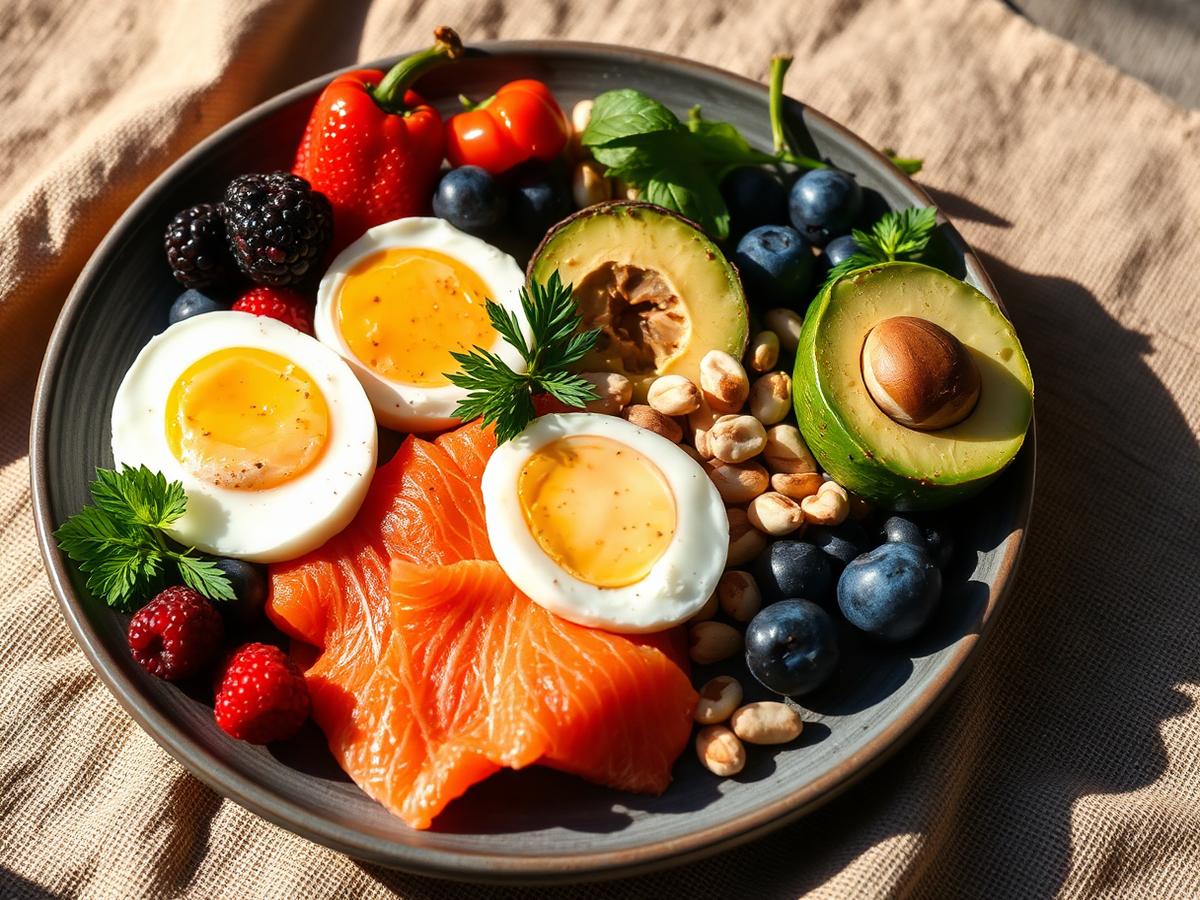
The Collagen-Support Plate: Feed the Building Process
Your body makes its own collagen, and it needs ordinary nutrients to do it. What a genuinely supportive plate looks like, beyond the supplement aisle.