One Birch Tree, Many Gifts — Leaves, Sap, Bark and the Wisdom of Seasonal Use
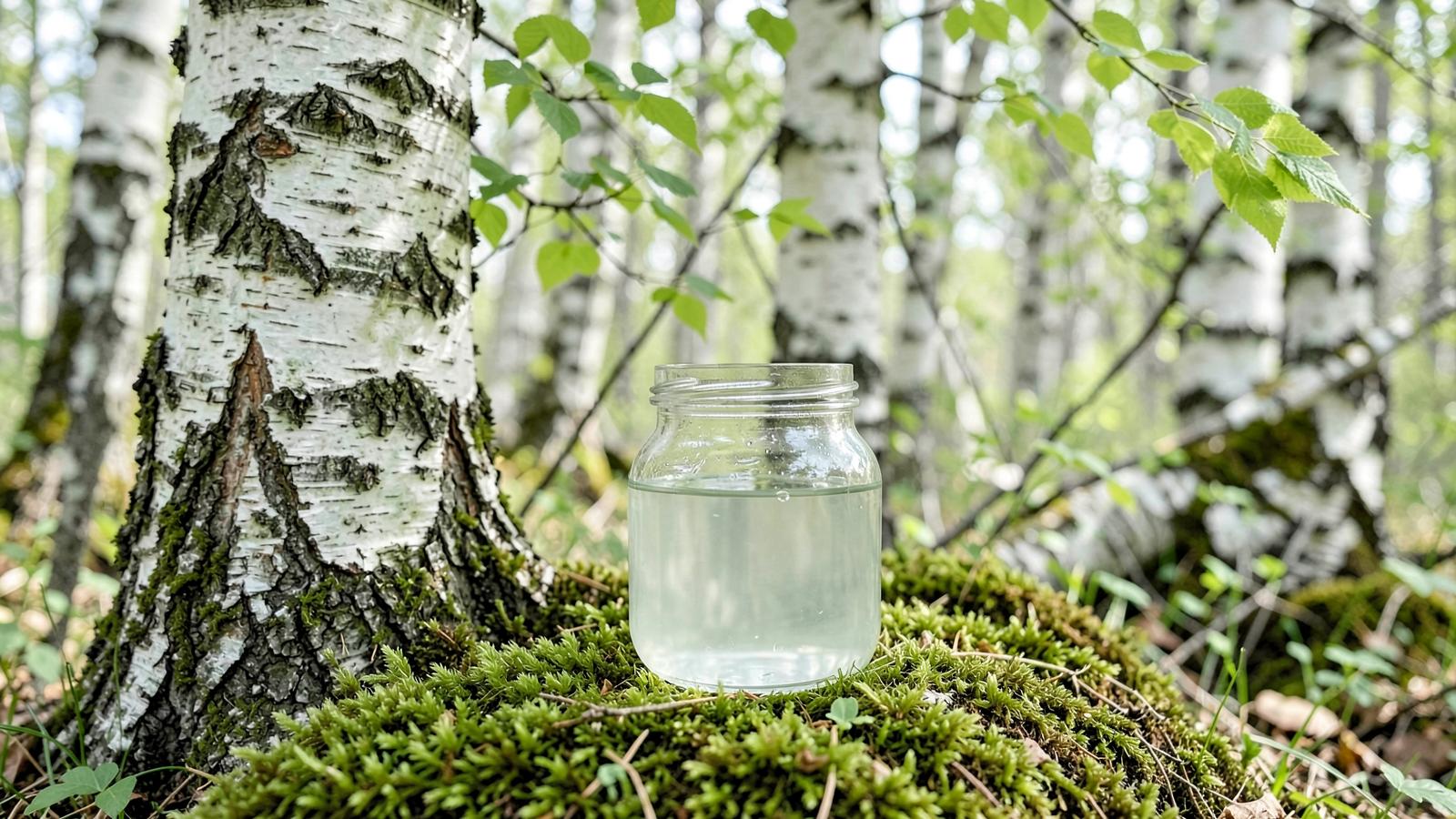
Birch has been used for food, drink, craft and traditional herbal practice. Explore sap, leaves, bark, betulin and respectful seasonal harvesting.
A birch tree changes what it offers as the year moves. In early spring, sap rises. Young leaves arrive later. Bark protects the trunk year-round and contains compounds that have attracted scientific interest. For generations, people across northern Europe and Eurasia used birch not as one single product but as a seasonal resource: drink, craft material, fuel, container, tea and symbol. That makes birch a perfect Ika’s Realm subject — one organism, many functions, and an important lesson in taking only what can be taken responsibly.
Spring sap: a brief window
Birch sap is the dilute, slightly sweet fluid that moves through the tree as growth restarts. Traditionally it has been collected for drinking and sometimes concentrated into syrup or fermented beverages. The sap is mostly water, with small amounts of sugars, minerals and other plant compounds. Its appeal is as much seasonal as nutritional: it appears for a short period and spoils quickly. Fresh sap should be treated as a perishable food and kept cold.
Leaves: food tradition and herbal tradition are not the same thing
Very young birch leaves have been used in some culinary traditions, while dried birch leaf also has a history as an herbal preparation. The European Medicines Agency recognises birch leaf products on the basis of traditional use for increasing urine output in minor urinary-tract complaints, while also noting that clinical evidence is limited. That is an excellent example of how Ika’s Realm should present herbs: respect the tradition, describe the regulatory evidence, and avoid converting long use into a claim that a plant has been clinically proven to treat disease.
Bark and betulin
The white outer bark is rich in betulin, a triterpene that has been studied in laboratory and pharmaceutical research. Birch bark has also been used historically for baskets, roofing, tinder and containers because it is flexible and water resistant. Harvesting bark from a living tree can seriously damage it, so craft traditions must not be turned into casual stripping of wild trees. Fallen branches and responsibly sourced material are a better starting point.
Syrup: why birch is not maple
Birch sap can be concentrated, but it contains less sugar than maple sap, so producing syrup requires removing a great deal of water. The result has a distinctive flavour rather than a simple maple substitute. This makes birch syrup a beautiful example of energy and scarcity: a small bottle represents a large volume of sap and substantial heat. Using it sparingly honours the work behind it.
Harvest without taking the tree apart
Foraging becomes sustainable only when the plant can continue thriving. Sap tapping should be limited to healthy trees of adequate size, with local guidance and permission from the landowner. Leaves should be taken lightly from multiple branches rather than stripped from one spot. Bark should not be peeled from live trunks. These rules are not decorative ethics — they determine whether the same tree remains healthy next year.
One tree, many relationships
Birch is food for insects, habitat for fungi, material for humans and part of a larger woodland system. Looking at it only as a list of 'benefits' misses the more interesting story. Traditional knowledge often began with observation: when sap runs, when leaves are tender, how bark behaves, what happens when a tree is wounded. The best modern use keeps that observational spirit while adding food safety, conservation and scientific humility.
Key takeaways
- Sap, leaves and bark are different materials with different traditional uses and different seasons.
- Birch syrup is not maple: far more sap and different sugars are involved.
- Harvest with permission and without damaging the tree; fresh sap spoils quickly.
Further reading
Enjoyed this?
Get the next one straight to your inbox.
Keep reading
Related articles
Explore more natural food, fermentation and wellness ideas from Ika’s Realm.
Oat Kvass — A Forgotten Fermented Drink Worth Rediscovering
Gently sour, faintly sweet and lightly fizzy: how to make a kvass-style oat ferment at home, and how to tell a good one from a bad one.
Nature Did It First — The Original Engineer
Storage, networks, filters, feedback, insulation, pumps, sensors and self-repair did not begin in factories. Living systems have been solving physical problems for billions of years.
Dandelion Beyond Tea — Food, Tradition and the Science Behind a Familiar Wild Plant
Dandelion is leaf, flower, root, food, bitter flavour and traditional herb. Explore what is edible, what is studied, and where the evidence remains limited.