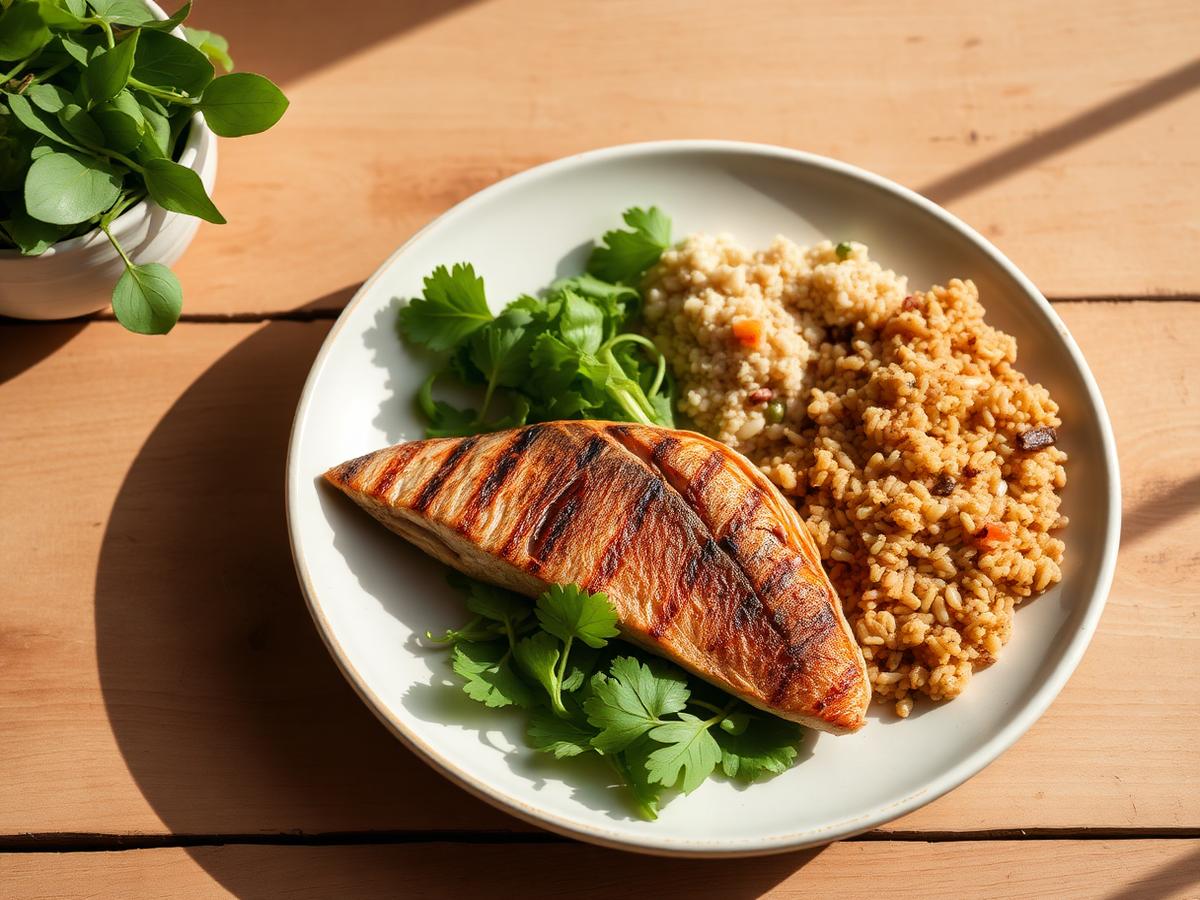
Eating vegetables and protein before carbohydrates may change the glucose response after a meal. What the studies show, and how much it really matters.
It is a disarmingly simple idea: keep the meal exactly the same, change only the order in which you eat it, and see whether the body responds differently.
Researchers have tested it, and the answer appears to be a qualified yes — with rather more qualifications than the internet usually mentions.
The basic idea
The proposal is that eating fibre-rich vegetables and protein before carbohydrate-containing foods may reduce the post-meal glucose rise in some circumstances.
Nothing is removed from the plate. The same rice, the same bread, the same potatoes — simply eaten after the salad and the protein rather than alongside or before them.
That is what makes it appealing. It requires no restriction, no counting and no special products, which is unusual in this corner of nutrition.
Why it might work
The proposed mechanism is unglamorous and physiologically plausible. Fibre, fat and protein all slow the rate at which the stomach empties into the small intestine.
Slower gastric emptying means carbohydrate arrives more gradually, is digested and absorbed more gradually, and produces a flatter glucose curve rather than a sharp peak.
Protein and fat also stimulate gut hormones such as GLP-1, which influence insulin release and satiety. Several plausible mechanisms are probably operating together.
What the studies actually show
Several small trials, including work in people with type 2 diabetes and in people with normal glucose tolerance, have reported lower post-meal glucose peaks when vegetables and protein were eaten first.
These studies are typically small, short and conducted with standardised test meals in controlled settings. That is a long way from a week of ordinary family dinners.
Individual responses also vary considerably. Some people show a clear effect; others show very little. Continuous glucose monitors have made this variation visible and, unfortunately, easy to over-interpret.
How to try it in practice
Think of it as a loose sequence rather than a rule. Start with the salad or vegetables, move on to the protein and fats, then eat the starchy component, and have dessert afterwards if you want it.
Practically, this often means serving a small side salad or a bowl of vegetable soup a few minutes before the main course, which is a very old European habit rather than a new discovery.
If it feels natural, keep it. If it turns a family meal into a monitored exercise, drop it — the stress is not worth a modest change in a curve you cannot feel.
Keeping it in proportion
Meal order is a small lever. What is on the plate, how much of it there is, how much fibre the overall diet contains, physical activity, sleep and weight all matter considerably more.
It is also worth being clear that carbohydrates are not harmful. Wholegrains, pulses, fruit and potatoes are valuable foods, and sequencing is not a strategy for avoiding them.
Nor does it prevent glucose rising after a meal. A rise after eating carbohydrate is normal physiology, not a malfunction to be eliminated.
Safety notes
If you take glucose-lowering medication, including insulin or sulfonylureas, do not change your medication because of anything you read here. Dose adjustments are a clinical decision.
Speak to your clinician or diabetes team before making significant dietary changes, particularly if you are also changing meal timing, portion sizes or activity levels.
If you experience symptoms of low blood sugar — shakiness, sweating, confusion, dizziness or unusual hunger — treat it according to your care plan and seek medical advice promptly.
People with a history of disordered eating should be cautious with meal-sequencing rules and glucose monitoring, both of which can encourage anxious or restrictive patterns.
Key takeaway
Eating fibre-rich vegetables before carbohydrate-containing foods may reduce the post-meal glucose rise in some circumstances, and it costs nothing to try. It is a refinement at the edges, not a replacement for overall diet quality or medical care.
A practical meal order
- Vegetables or salad
- Protein and healthy fats
- Rice, potatoes, pasta or bread
- Dessert, if you want it
Key takeaways
- Fibre and protein first may reduce the post-meal glucose rise in some circumstances.
- Evidence comes from small studies; responses vary and spikes are not prevented.
- Diet quality outranks meal order every time.
- Never change glucose-lowering medication without clinical advice.
Enjoyed this?
Get the next one straight to your inbox.
Keep reading
Related articles
Explore more natural food, fermentation and wellness ideas from Ika’s Realm.
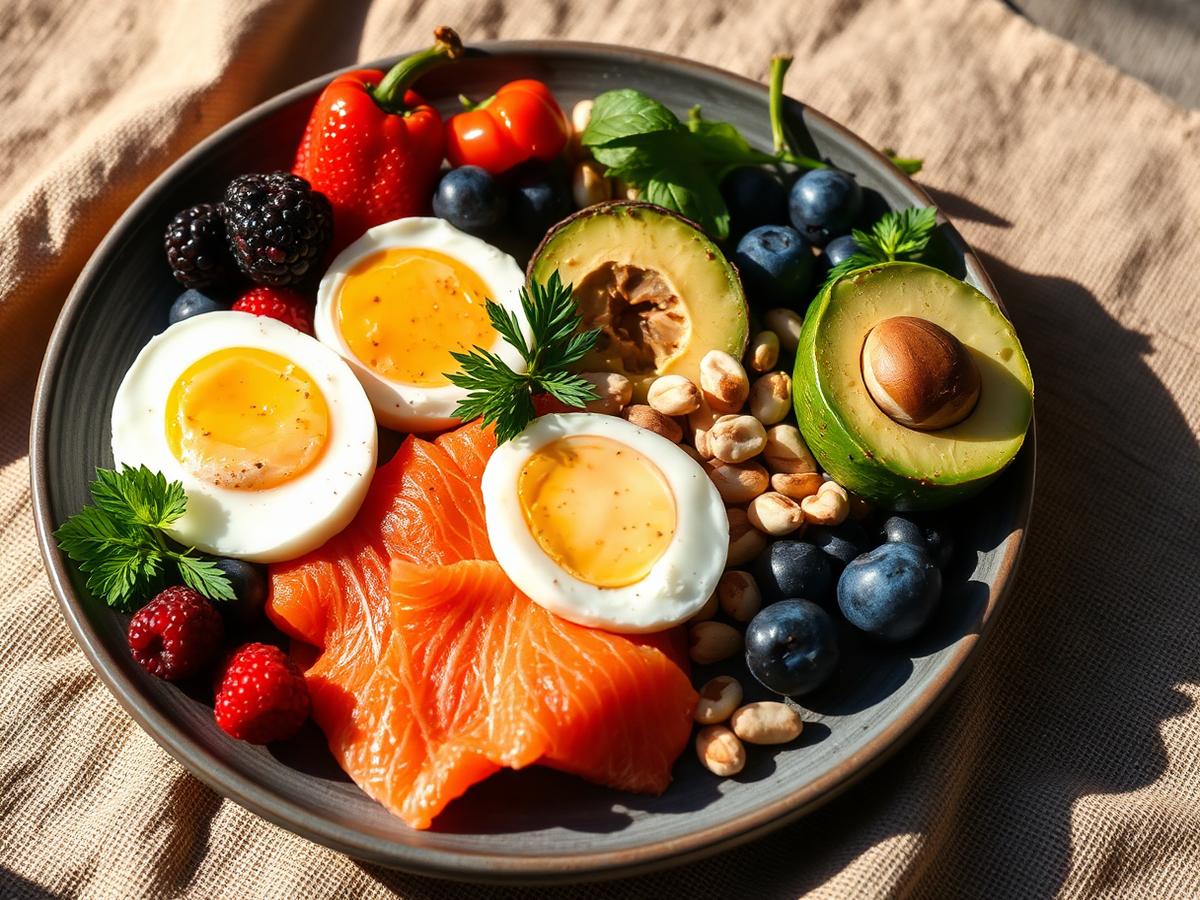
The Collagen-Support Plate: Feed the Building Process
Your body makes its own collagen, and it needs ordinary nutrients to do it. What a genuinely supportive plate looks like, beyond the supplement aisle.

Okra Water: What It Really Is and Why People Drink It
Okra water is a simple homemade drink built on plant mucilage rather than a miracle ingredient. Here is what it is, how to make it, and what it can honestly offer.

Extra Virgin, Virgin and Refined Olive Oil: What the Labels Actually Mean
Olive oil labels confuse almost everybody. Here is what each grade means, how they are produced, and what actually matters when you buy a bottle.